I battled depression for 20 years and struggled with anxiety for about 2 years. I'll skip the long story; too dark, sad and gloomy. It's a closed chapter now.
My main point is, by age 32, I overcame my mental illness without medication. Here’s what I discovered in my healing journey:
1) Strong Will and Firm Decision
I made a firm decision to heal because I was fed up with my mental illness. I told my brain and body that they had the ability to recover fully from depression and anxiety, and I would support them with rest, nutrition, fresh air, sunlight, and meaningful activities. I treated my mind and body like partners in the healing process.
2) Reaffirmations
When negative thoughts flooded in, telling me I was "useless" or "hopeless," I rejected them and commanded them to shut up. Then, I replaced them with positive reaffirmations like "I am strong and resilient", "I can overcome this", "I love myself". By constantly reaffirming these beliefs, I started to reshape my mindset. I chose what I wanted to believe in.
3) Allow Myself to Feel, But Rise Again
I gave myself space to feel weak and cry when I needed to, but I never let that define me. My pain and tears were temporary, not my truth. I couldn't change my past, but I took full responsibility for my present and future. After every breakdown, I made sure to get up again and keep moving forward.
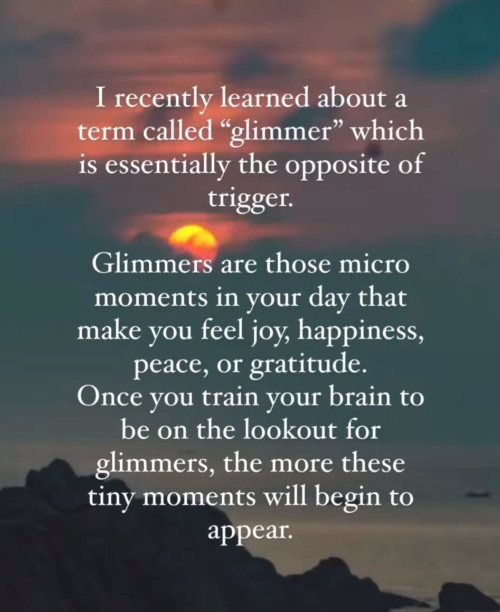
4) Avoid Triggers
I changed my environment by cutting off toxic relationships and letting go of anything that brought back bad memories. I replaced those with healthier social circles and activities that brought me happiness and peace.
5) Healthy Coping Mechanisms
I created a new SOP for handling emotions. Whenever I felt overwhelmed, I turned to deep breathing, meditation, journaling, praying, drawing, or colouring. These became my tools to process emotions and stay grounded. I usually did them before I went to sleep.
6) Sleep Early
I made sleep a priority, going to bed as early as 10 pm. I found that sleeping late leads to a wandering mind and emotional vulnerability. Sleep became my sanctuary for mental recovery.
7) Take Supplements and Eat Healthy
I started taking pharmaceutical-grade supplements and ashwagandha (Indian ginseng), an adaptogen that helps regulate cortisol levels and reduces stress. I also focused on eating anti-inflammatory foods to support my body's recovery from stress-induced inflammation.
8) Do Things Slowly and Let Go of Petty Concerns
In situations like traffic jams, instead of getting frustrated, I turned those moments into opportunities for meditation, prayer, or gratitude exercises. Slowing down helped me keep my mind calm.
9) Simplify and Let Go of Overthinking
I stopped overthinking, which wasn’t easy at first. I used to obsess over worst-case scenarios, but I learned that overthinking only creates more problems. I accepted that 80% is good enough, and perfectionism no longer drives me.
10) Be Less Judgmental and See the Good
I stopped labeling my days as “good” or “bad” and learned to release judgment. Accepting things as they are brought me more peace. When I stopped having constant opinions about everything, my mind quieted down, and with that, my emotions became more balanced.
These changes transformed my life and helped me rise out of depression and anxiety. It started with a strong will and a firm decision to heal fully; took me about 2 years to fully heal, in my case.
There were relapses at first, but over time, the frequency, intensity and duration reduced. Then, one day, I just felt I was like a normal person again with stable emotions and positive thoughts, even during unforeseen challenges in life.
I feel happy and vibrant most of the time nowadays. My friends witnessed my change and said I looked prettier with glow on my face, compared to the sad gloomy look that I used to have.
Just sharing my personal journey.


 Jan 9 2025, 11:10 PM, updated 11 months ago


 Quote
Quote



























 I am not sure about speed dating, never been to one b4. But you also got to weigh success rate vs costs. If they are over charging, then its not worthwhile.



 0.0644sec
 0.37
0.37
 6 queries
 GZIP Disabled