[QUOTE]B14's rear suspension is torsion beam meh? Isn't it multi-link beam? Torsion beam is a completely different type of axle leh...[CODE]
i saw from the autozine school website the diagram of torsion beam and it looks like our sentra rear setup. anywhere there is a beam tat attach the left and right wheel together like vios. so this beam can be lower stabiliser bar. hehe.......
Added on March 13, 2008, 11:29 am[quote=Vanquish,Mar 13 2008, 10:16 AM]
Dude, I think U may have heard wrongly, I never changed my O2/Lambda sensor on my previous GA16DE... I also had the same problem with my GA16 last time, got this really bad rotten egg smell from the exhaust... Before u change ur O2 sensor, have you car's engine re-tuned first and see what will happen... O2 sensor usually can last up to 200,000KM...
[/quote]
from a thread in LYN, u mentioned this :
2004 Accord 2.4... How much mileage have you clocked up so far?
Price on O2 sensors varies from car to car. My B14 Sentra's O2 sensor (Bosch) cost around RM300, but some may cost higher depending on make and model.
Dude, I suggest you take your Accord to another trusted mechanic to check if it's really the O2 sensor that's giving problems. If he can confirm that, only then go to buy the part.
As to which shop to go to, it really depend on where you are, man. If you're in PJ area, by all means go to PH Auto.
O2u also has the rotten egg smell? hmm............ there are 2 things that i am suspecting now that is :
1. O2 sensor not functioning well so ECU tends to inject more fuel and making the engine running rich.
2. O2 is functioning but the ECU memang tends to run on richer AFR. therefore a piggyback is needed to correct this thing.
van,
everytime u start engine is it easy? my car need 3-4seconds to start which is a bit slow. my fren N16 need 1-2 second to start only.
how do u mean by retune the car? use piggyback?
Added on March 13, 2008, 11:31 amO2 Sensor failures
Normally, the lifetime of an unheated sensor is about 30,000 to 50,000 miles. Heated sensor lifetime is typically 100,000 miles. Failure of an unheated sensor is usually caused by the buildup of soot on the ceramic element, which lengthens its response time and may cause total loss of ability to sense oxygen. For heated sensors, normal deposits are burned off during operation and failure occurs due to catalyst depletion, similar to the reason a battery stops producing current. The probe then tends to report lean mixture, the ECU enriches the mixture, the exhaust gets rich with carbon monoxide and hydrocarbons, and the mileage worsens.
Leaded gasoline contaminates the oxygen sensors and catalytic converters. Most oxygen sensors are rated for some service life in the presence of leaded gasoline but sensor life will be shortened to as little as 15,000 miles depending on the lead concentration. Lead-damaged sensors typically have their tips discolored light rusty.
Another common cause of premature failure of lambda probes is contamination of fuel with silicones (used in some sealings and greases) or silicates (used as corrosion inhibitors in some antifreezes). In this case, the deposits on the sensor are colored between shiny white and grainy light gray.
Leaks of oil into the engine may cover the probe tip with an oily black deposit, with associated loss of response.
An overly rich mixture causes buildup of black powdery deposit on the probe. This may be caused by failure of the probe itself, or by a problem elsewhere in the fuel rationing system.
Applying an external voltage to the zirconia sensors, e.g. by checking them with some types of ohmmeter, may damage them.
This post has been edited by northiswara: Mar 13 2008, 11:31 AM 

 Jan 14 2007, 07:07 PM, updated 17y ago


 Quote
Quote





 have you use wrong plug??? Denso Iridium for sentra 1.6cc is use "IK16"

 Oh dear, have I been using the wrong plugs?


 . Most probably will replace the belt to a different one to avoid this.


 I really wish I could change to a SR16VE (175BHP, baby!!), but it's way too expensive...
 donno this engine use at my sentra and race with skyline donno i can win or not leh




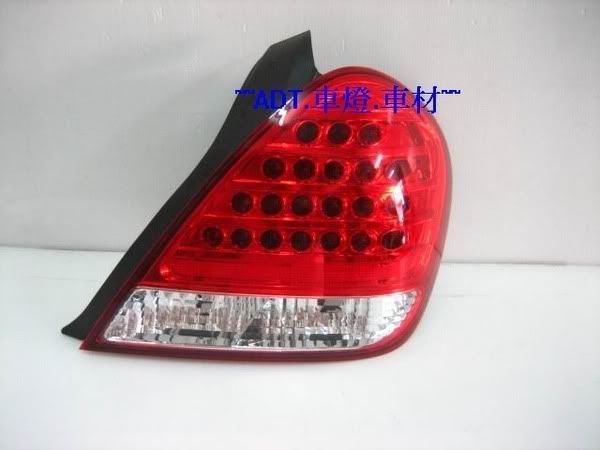


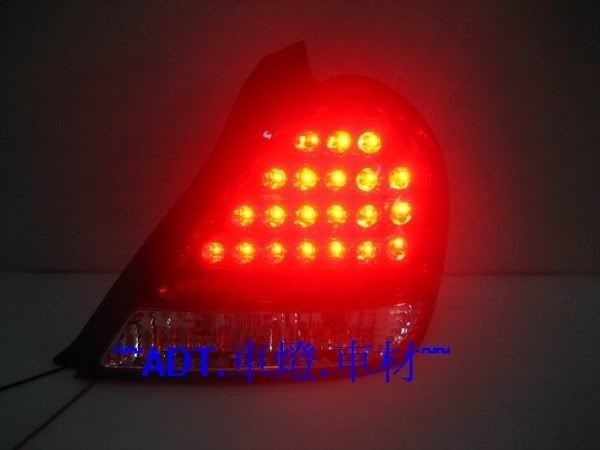
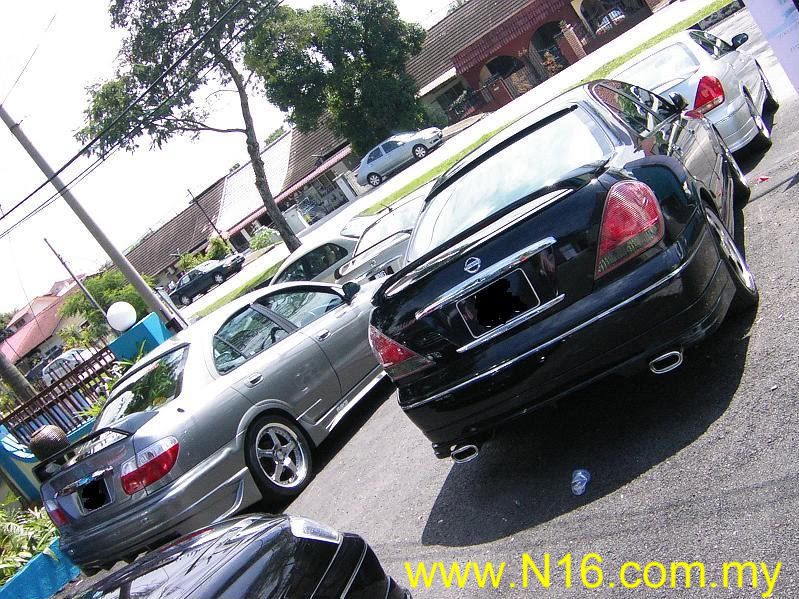
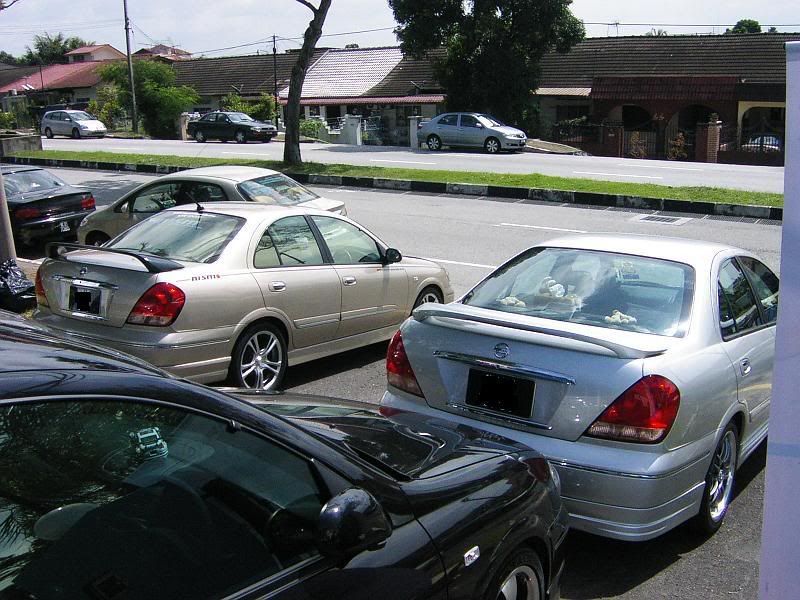


 . If you play gran turismo 4, you can see something like this also if you rev it to the max albeit slower needle jumping in the sentra.

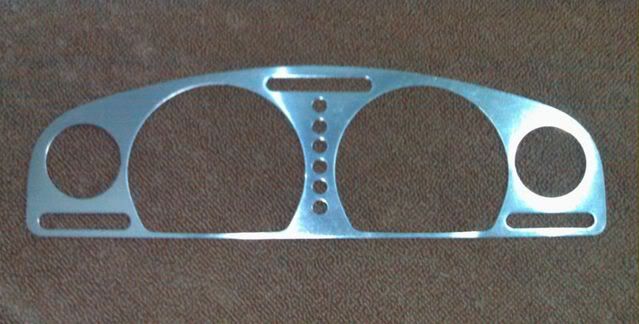


 This one's condition is not as good as the previous one I found, but this one at least still have the dual airbags intact... Overall, it ain't too bad, and the halfcut seller told me that the exhaust manifold is not OEM, it's been changed to a high performance one (not sure how true this is)... I put a deposit for this halfcut liao... Now I need to get my mech friend to go check it out on Monday or Tuesday...






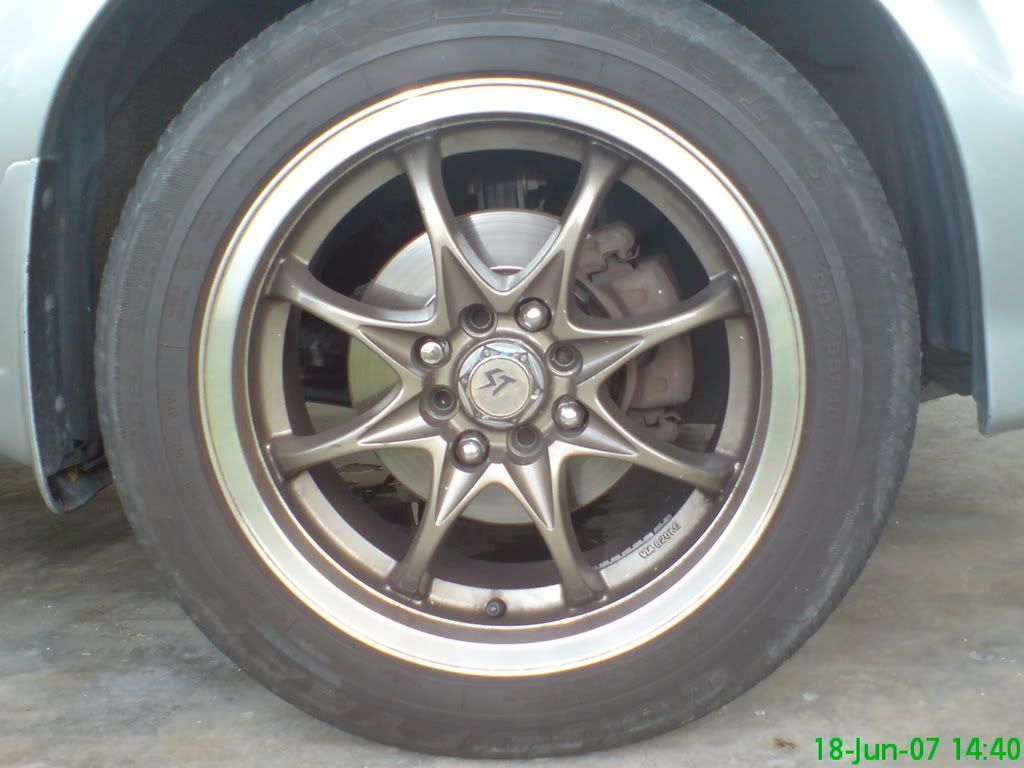





 That's huge for a compact class car... A buddy of mine told me, this is normal for performance cars... All performance cars have big turn radius...
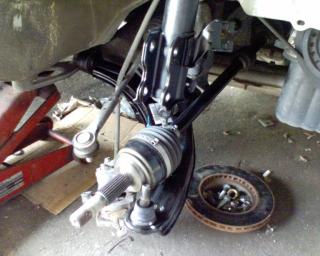
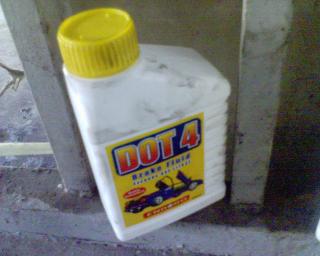


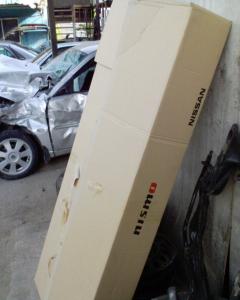

 , leave it as it is. It will latch closed and won't open even if you go over speed bumps and can be opened with the remote or under seat lever, so I will just let this be. Hopefully it will be a deterrent to future tries.








 0.1860sec
 0.16
0.16
 6 queries
 GZIP Disabled