QUOTE(Schumacher @ Sep 27 2025, 10:51 AM)
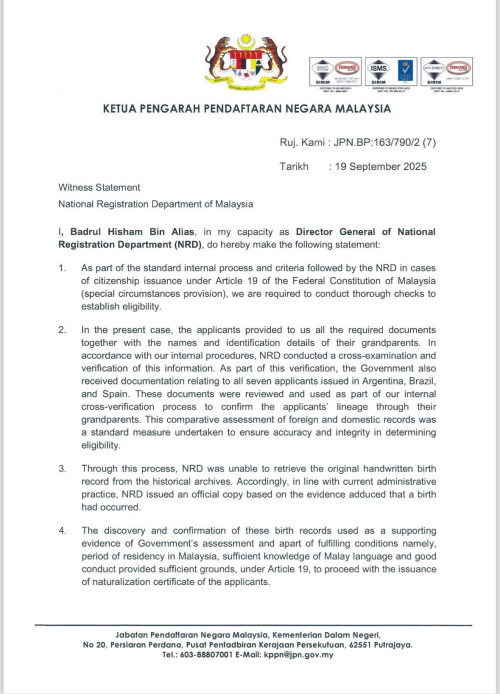
You should read up not me. Even if they submitted wrongly under naturalization or ancestry based eligibility as long as they hold a Malaysian IC and have no dual nationality it is illegal for FIFA to continue the ban after an appeal.
No need to read up, just ask AI
FIFA’s rules on the eligibility of naturalized players are governed mainly by Articles 5–8 of the FIFA Statutes and Regulations Governing the Application of the Statutes. The key points are:
________________________________________
1️⃣ Basic Principle – Nationality Requirement
• A player must hold the nationality of the country they wish to represent.
• Having a passport is not automatically enough — the nationality must be recognized under the country’s laws.
________________________________________
2️⃣ Connection Requirement for Naturalized Players
If a player acquires a new nationality (naturalization) and has no family ties to the country (no parent or grandparent born there), they must meet additional residency requirements:
• Five years’ continuous residence in the country after turning 18.
This is the core FIFA rule for naturalized players (Article 7).
________________________________________
3️⃣ Family Ties Exception
If a player’s biological parent or grandparent was born in the country, or if the player themselves was born there, they can represent the country without the 5-year residency requirement (Articles 5–6).
________________________________________
4️⃣ Change of Association
If a player already played for another national team, switching to a new one is only allowed if:
• They had the nationality of the new country at the time of their first appearance for the old country; and
• They meet FIFA’s criteria on caps and age (the 2020 amendments allow one-time switches under specific conditions, e.g., if they played in ≤3 competitive matches before turning 21).
________________________________________
5️⃣ Residency Must Be Continuous
Breaks in residence (e.g., leaving the country for long periods) can reset the 5-year clock unless justified (like playing abroad while under contract to a club in the country).
________________________________________
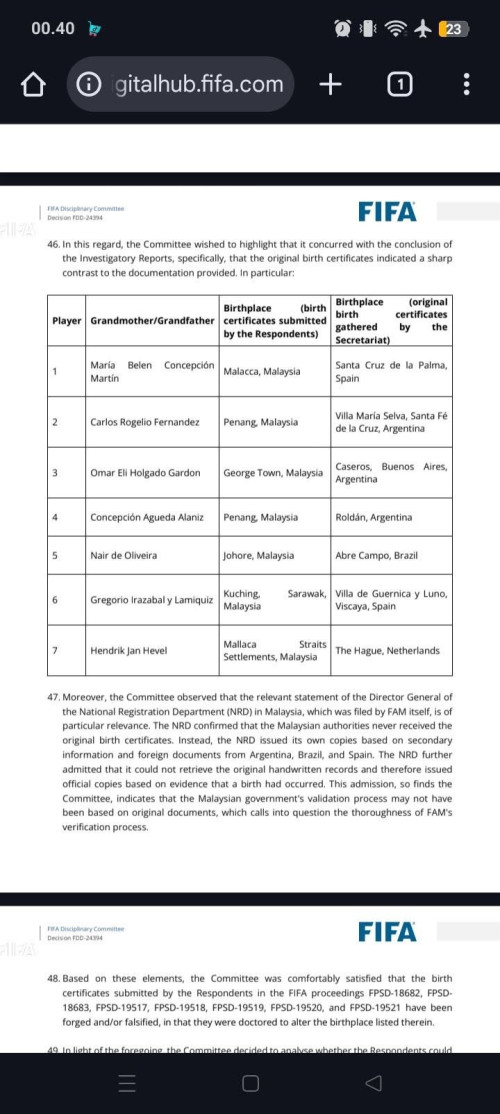
6️⃣ Documentation
The national association must provide FIFA with:
• Proof of nationality,
• Proof of continuous residence (if needed),
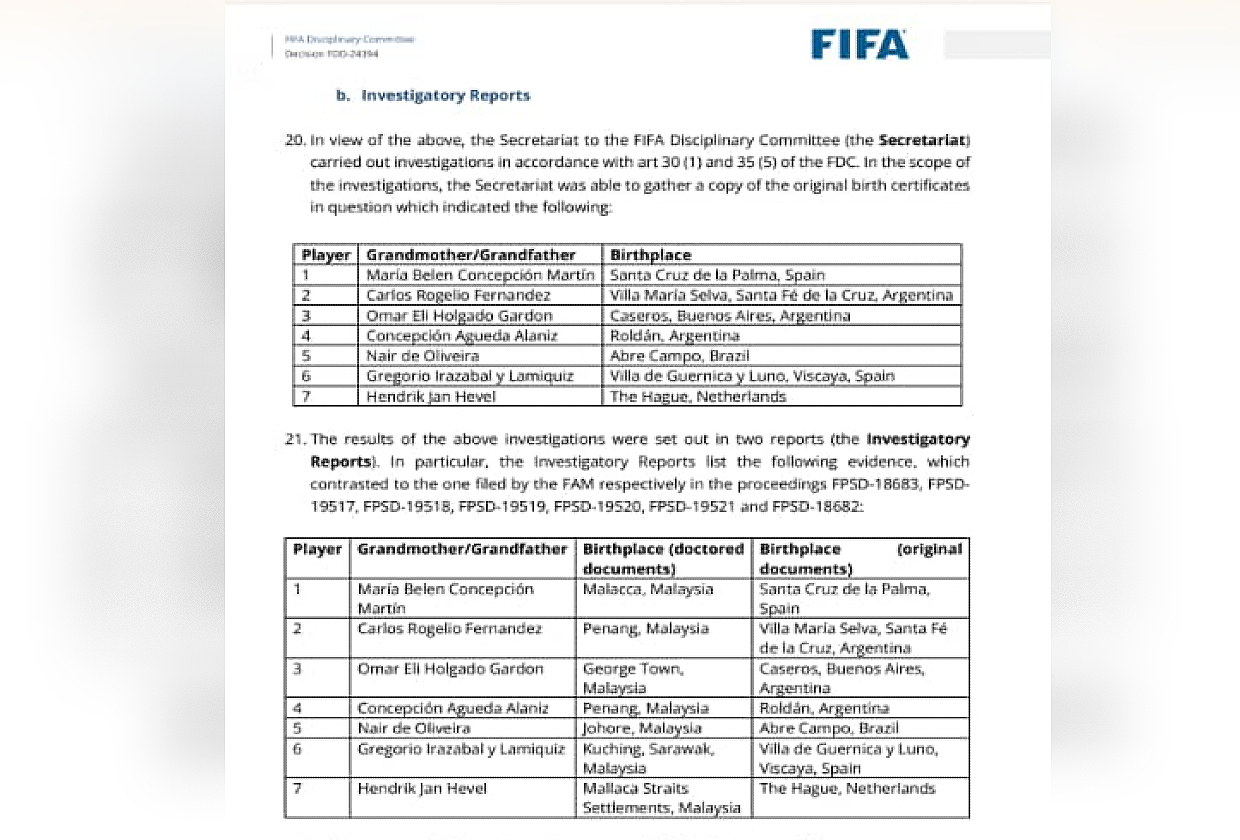
• Birth certificates of parents/grandparents (if using family ties).
FIFA verifies eligibility before the player can appear in an official match.
________________________________________
In short:
A naturalized player with no family connection to a country must live there for five straight years after turning 18 to represent its national team. If they have a parent or grandparent from there, the 5-year rule doesn’t apply. 

 Sep 26 2025, 11:08 PM, updated 10m ago


 Quote
Quote





























































































 0.0910sec
 1.51
1.51
 6 queries
 GZIP Disabled