

 Apr 14 2014, 02:04 PM, updated 9y ago


Version 5 is reaching its end, so I will just open this temporary Version 6 to discuss about raw and selvedge denims in Lowyat Forum.
If any of you guys want to be the TS, please inform me and I will make way. No feelings will be hurt.

Version 5 top 10 contributors:
» Click to show Spoiler - click again to hide... «
chazychaz 279
g3n0c|d3 115
dlaz 105
shiningace 92
Stinky Fart 81
junky_man 79
jhchong 75
apsidewatch 71
XzuLLX 69
skeleton202 69
Link to previous thread, V5:
https://forum.lowyat.net/topic/2413776
From V5 OP:
General info on Selvedge Denims
» Click to show Spoiler - click again to hide... «
QUOTE(Grimm @ Feb 27 2011, 01:32 PM)
What is Selvedge (Salvage) denim?
Selvedge denim is a particular type of denim which is produced on vintage shuttle looms which boasts a firm natural edge that does not unravel. The word "selvedge" comes from the phrase "self-edge", the natural edge of a roll of fabric. As applied to denim, it means that which is made on old-style shuttle looms (source: Wikipedia, http://en.wikipedia.org/wiki/Denim).
Shuttle looms are antique tools that were outdated by newer technologies in the 1950′s. Jeans today are mostly made on projectile looms which are more cost efficient for manufacturers. But during the mid to late 50's, as a response to increased demand for jeans in the west, American denim manufacturers replaced the old shuttle style looms with modern projectile looms. The new looms produced fabric faster and wider and were a more commercial approach to producing jeans in large quantities.
However, the trade-off was a lower quality and strength of material which was passed on to the end consumer, as well as a less personalized clothing item. As the major players like Levi’s and Lee upgraded their looms in the 1960's, these old-style looms eventually ended up in Japan, where the best selvedge denim is still made today.
For better clarification regarding the differences between the old school shuttle looms and the more commercial projectile looms,
The selvedge edge is usually stitched with colored thread: green, white, brown, yellow, and red (red is the most common). Fabric mills used these colors to differentiate between fabrics.

A silver threaded selvedge, probably from a pair of black Dior Homme 19cms

Beautiful teal and yellow threaded selvedge

Multi-colored selvedge

Red selvegde in Japanese 14oz Denim Uniqlo Selvedge Jeans.
This is the most common type of selvedge you will get to see nowadays. This also represents Levis' trademark selvedge jeans back in the days where the color of the thread (Levis used red) was closely associated with certain brands. The above colored selvedges are extremely rare and almost cannot be obtained in this part of the world.
Selvedge denim is one of the finest denims that can be used in jeans production today and the price indeed reflects that. The weaving process takes longer to complete but achieves a tightly woven, heavier weight fabric that is built to last. In fact, one of the ways to distinguish vintage jeans of the past is by looking for this trademark characteristic (source: http://www.popculturepost.com/2007/05/22/w...elvedge-denim/).
What is Raw denim?
Raw or Dry denim refers to denim which has not been washed after the dying process during production. The indigo which is dyed onto the jeans is presented in a virgin state, hence dry or raw. The process of wear and tear over time when denim is worn, such as stretching at the knee and upper thighs (whiskers), the frequent friction at the bottom of both the denim (near the ankles) due to walking, the creases behind the knees (honeycombs), and any other areas which receive the most stress such as a wallet in a very tight back pocket, will encourage the indigo to fade faster than other general areas of the jeans. This creates very personalized fades, depending on what you keep in your pockets, how you wear your jeans and the activities you do with your jeans on.
After about a year of wearing, without any washes, the first wash will produce something extremely personal to the user. The pair of raw denim, over the months and years of wear, has faded into something beautiful. Your pair of jeans has now become like a close friend. A second skin over your lower body.

My Imperial Dukes in a raw state (source: www.SelfEdge.com)

Dior Homme honeycombs

Heavy cell-phone fadings and some good whiskers (source: MyNudies.com)

The ultimate end look we all strive for.
Now lets have an insight on Japanese denim and why it is revered in the world of indigo.
The Japanese denim industry is revered the world over for its innovativeness and its capability to set trends in the denim industry.
It would be nice to have a look at some facts and figures relating to the Japanese Denim Industry.
Denim Exports : 2006 about 56 million sq mtrs.
2007(till march) about 15 million sq mtrs.
Jeans :80 million pairs (approx) produced in Japan p.a
:20 million pairs(approx) imported p.a
Export markets : China,Hongkong, US, Vietnam and Italy.
Main Denim producing areas in Japan : The Hiroshima perfecture, The Okayama perfecture and the Mihara Area.
DENIM MILLS
KAIHARA DENIM
Produces about 36 million sq mtrs of denim p.a
Exports about 60% of production.
Offer about 600-900 items to buyers every year
Investment since 1970 – about USD 500 million.
More than 300 looms at six mills.
Strengths : Superior cotton mix and unique Dyeing process.
Kaihara has no plans to go overseas for production as they are quite comfortable in Japan…This shows their belief in their own capability to be highly innovative
KURABO INDUSTRIES
Currently focusing very much on Stretch fibres and are looking at
advanced versions of stretch denim by using XLA stretch yarn,Xfit
lycra and T400. This is to take advantage of the Skinny Jeans
fashion that is currently still strong.
Developments 2006-08 : Emphasizing on the Ocean BLue colors under the Ultra Marine
Blue Brand name.
:’Wave’ – A line developed from a specially designed slub yarn .
:’Air Spinner’ – third line that features very soft denim.
NISSHINBO INDUSTRIES
Capacity : About 12 million sq mtrs p.a
Developments : As per the marketing manager of Nisshinbo – ‘Masanharu Tanaka’
the NEW TREND would be a return towards NATURAL LOOKS. This
would mean that innovative looks using Indigo and other yarn
dyeing material.
:Liquid Ammonia Treatment: Nisshinbo is also know for the
development of the liquid ammonia treatment of Denim Fabric. The
denim fabric is dipped in liquid ammonia (about -40 degrees C)
which enables it to regain its original shape , thus giving back
natural softness to the fibre. One of its five ammonia treatment
plant is used for treating Denims.
Other developments in the Japanese denim Industry :
The DUCK TEXTILE CO. has introduced a JERSEY DENIM - a denim made of knit fabric. This fabric looks like woven fabric but has the qualities of the knit fabric.
Another development doing the rounds in the Japanese Denim Industry is the effort to keep the core of the cotton yarn undyed .. Though this normally happens in the Rope Dyeing method, but the effort is to have much more undyed portion through HAND DYEING which will give very good after washing effects…
source: http://denimiscool.wordpress.com/category/japanese-denim/
More content coming up
-Known brands and what each is famous for [Tripleworks - http://blueowlworkshop.blogspot.com/search.../Triple%20Works]
-Lesser known brands.
-Washing discussion.
-Sizing discussion.
-Selected pictures to form our LYN member's fades and fit pics archive.
Denim Wall of Fades 2010 Contest, Jakarta, Indonesia - Click here for sexcitement

Selvedge denim is a particular type of denim which is produced on vintage shuttle looms which boasts a firm natural edge that does not unravel. The word "selvedge" comes from the phrase "self-edge", the natural edge of a roll of fabric. As applied to denim, it means that which is made on old-style shuttle looms (source: Wikipedia, http://en.wikipedia.org/wiki/Denim).
Shuttle looms are antique tools that were outdated by newer technologies in the 1950′s. Jeans today are mostly made on projectile looms which are more cost efficient for manufacturers. But during the mid to late 50's, as a response to increased demand for jeans in the west, American denim manufacturers replaced the old shuttle style looms with modern projectile looms. The new looms produced fabric faster and wider and were a more commercial approach to producing jeans in large quantities.
However, the trade-off was a lower quality and strength of material which was passed on to the end consumer, as well as a less personalized clothing item. As the major players like Levi’s and Lee upgraded their looms in the 1960's, these old-style looms eventually ended up in Japan, where the best selvedge denim is still made today.
For better clarification regarding the differences between the old school shuttle looms and the more commercial projectile looms,
» Click to show Spoiler - click again to hide... «
Denim purists value the shuttle looms for the higher quality that can be achieved. Basically, with a shuttle loom, the weaving process involves a cross-thread that goes back and forth as one continuous thread to create the fabric. This results in a finished edge that will not fray because the cross-threads, or weft, double back on themselves. A superior strength fabric is created.
This differs from projectile looms which use multiple threads, a new one for each crossing. This results in frayed edges and a denim of lower quality.
This differs from projectile looms which use multiple threads, a new one for each crossing. This results in frayed edges and a denim of lower quality.
The selvedge edge is usually stitched with colored thread: green, white, brown, yellow, and red (red is the most common). Fabric mills used these colors to differentiate between fabrics.
A silver threaded selvedge, probably from a pair of black Dior Homme 19cms

Beautiful teal and yellow threaded selvedge
Multi-colored selvedge
Red selvegde in Japanese 14oz Denim Uniqlo Selvedge Jeans.
This is the most common type of selvedge you will get to see nowadays. This also represents Levis' trademark selvedge jeans back in the days where the color of the thread (Levis used red) was closely associated with certain brands. The above colored selvedges are extremely rare and almost cannot be obtained in this part of the world.
Selvedge denim is one of the finest denims that can be used in jeans production today and the price indeed reflects that. The weaving process takes longer to complete but achieves a tightly woven, heavier weight fabric that is built to last. In fact, one of the ways to distinguish vintage jeans of the past is by looking for this trademark characteristic (source: http://www.popculturepost.com/2007/05/22/w...elvedge-denim/).
What is Raw denim?
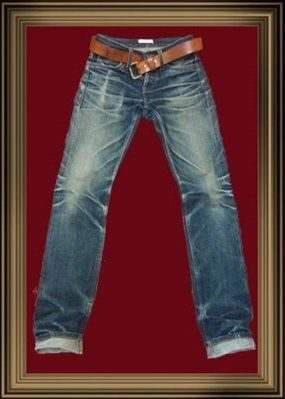
Raw or Dry denim refers to denim which has not been washed after the dying process during production. The indigo which is dyed onto the jeans is presented in a virgin state, hence dry or raw. The process of wear and tear over time when denim is worn, such as stretching at the knee and upper thighs (whiskers), the frequent friction at the bottom of both the denim (near the ankles) due to walking, the creases behind the knees (honeycombs), and any other areas which receive the most stress such as a wallet in a very tight back pocket, will encourage the indigo to fade faster than other general areas of the jeans. This creates very personalized fades, depending on what you keep in your pockets, how you wear your jeans and the activities you do with your jeans on.
After about a year of wearing, without any washes, the first wash will produce something extremely personal to the user. The pair of raw denim, over the months and years of wear, has faded into something beautiful. Your pair of jeans has now become like a close friend. A second skin over your lower body.
My Imperial Dukes in a raw state (source: www.SelfEdge.com)
Dior Homme honeycombs
Heavy cell-phone fadings and some good whiskers (source: MyNudies.com)
The ultimate end look we all strive for.
Now lets have an insight on Japanese denim and why it is revered in the world of indigo.
The Japanese denim industry is revered the world over for its innovativeness and its capability to set trends in the denim industry.
It would be nice to have a look at some facts and figures relating to the Japanese Denim Industry.
Denim Exports : 2006 about 56 million sq mtrs.
2007(till march) about 15 million sq mtrs.
Jeans :80 million pairs (approx) produced in Japan p.a
:20 million pairs(approx) imported p.a
Export markets : China,Hongkong, US, Vietnam and Italy.
Main Denim producing areas in Japan : The Hiroshima perfecture, The Okayama perfecture and the Mihara Area.
DENIM MILLS
KAIHARA DENIM
Produces about 36 million sq mtrs of denim p.a
Exports about 60% of production.
Offer about 600-900 items to buyers every year
Investment since 1970 – about USD 500 million.
More than 300 looms at six mills.
Strengths : Superior cotton mix and unique Dyeing process.
Kaihara has no plans to go overseas for production as they are quite comfortable in Japan…This shows their belief in their own capability to be highly innovative
KURABO INDUSTRIES
Currently focusing very much on Stretch fibres and are looking at
advanced versions of stretch denim by using XLA stretch yarn,Xfit
lycra and T400. This is to take advantage of the Skinny Jeans
fashion that is currently still strong.
Developments 2006-08 : Emphasizing on the Ocean BLue colors under the Ultra Marine
Blue Brand name.
:’Wave’ – A line developed from a specially designed slub yarn .
:’Air Spinner’ – third line that features very soft denim.
NISSHINBO INDUSTRIES
Capacity : About 12 million sq mtrs p.a
Developments : As per the marketing manager of Nisshinbo – ‘Masanharu Tanaka’
the NEW TREND would be a return towards NATURAL LOOKS. This
would mean that innovative looks using Indigo and other yarn
dyeing material.
:Liquid Ammonia Treatment: Nisshinbo is also know for the
development of the liquid ammonia treatment of Denim Fabric. The
denim fabric is dipped in liquid ammonia (about -40 degrees C)
which enables it to regain its original shape , thus giving back
natural softness to the fibre. One of its five ammonia treatment
plant is used for treating Denims.
Other developments in the Japanese denim Industry :
The DUCK TEXTILE CO. has introduced a JERSEY DENIM - a denim made of knit fabric. This fabric looks like woven fabric but has the qualities of the knit fabric.
Another development doing the rounds in the Japanese Denim Industry is the effort to keep the core of the cotton yarn undyed .. Though this normally happens in the Rope Dyeing method, but the effort is to have much more undyed portion through HAND DYEING which will give very good after washing effects…
source: http://denimiscool.wordpress.com/category/japanese-denim/
More content coming up
-Known brands and what each is famous for [Tripleworks - http://blueowlworkshop.blogspot.com/search.../Triple%20Works]
-Lesser known brands.
-Washing discussion.
-Sizing discussion.
-Selected pictures to form our LYN member's fades and fit pics archive.
Denim Wall of Fades 2010 Contest, Jakarta, Indonesia - Click here for sexcitement
General Info on Hemming and Alteration:
QUOTE
Info on local retailers (credits to Genocide):QUOTE
we have (that i know of):
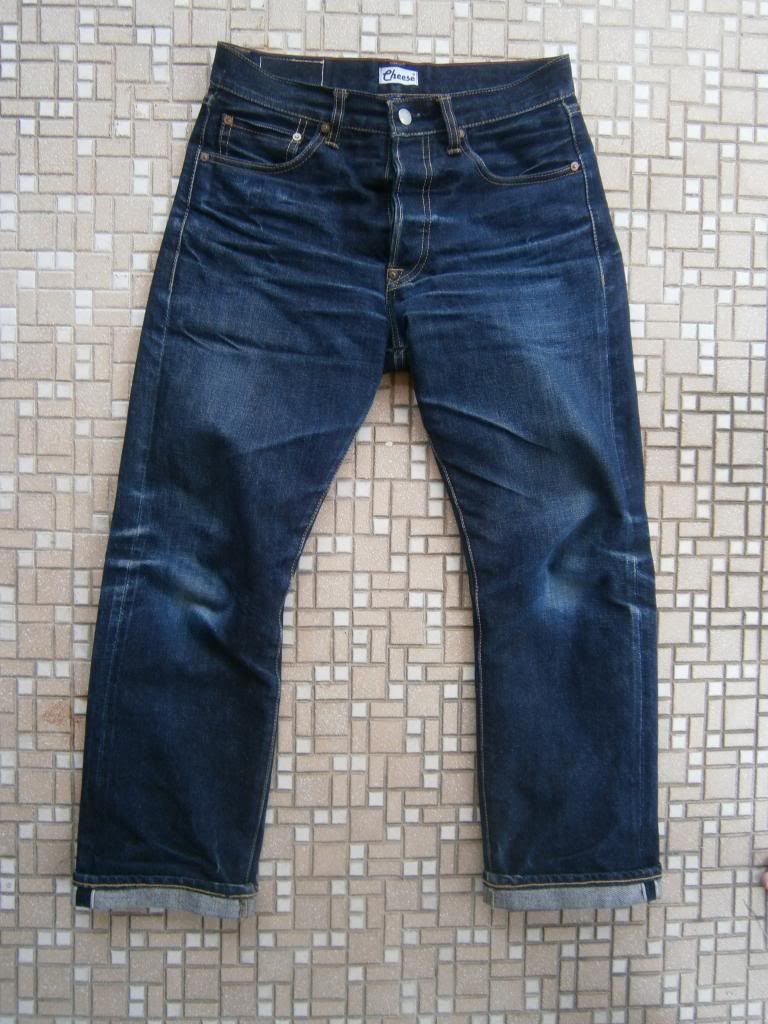
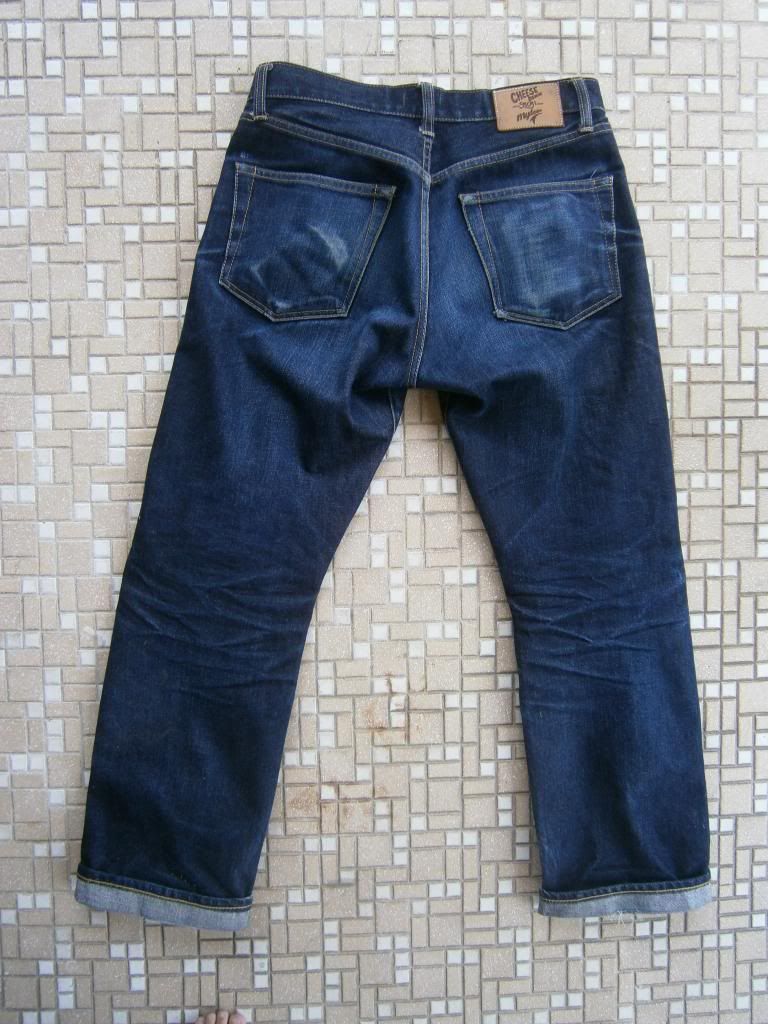
brand name: Cheese Denim
Main shop:The Yard (ss15, subang jaya)
Brand Name: Ceremony Fine Works
Main shop: the smokeshack (Wangsa Niaga)
Brand Name: Tarik Jeans
Update 25.11.2015
Raizo Store in Langkawi (google for full address)
Shops that selling premium denim:
Kronoz - Fahrenheit 88, KL
UGS - Lvl 3, Sg. Wang, KL
Zolo - Menara Campbell, KL
Nusantara Denim - ss15, Subang Jaya.
brand name: Cheese Denim
Main shop:The Yard (ss15, subang jaya)
Brand Name: Ceremony Fine Works
Main shop: the smokeshack (Wangsa Niaga)
Brand Name: Tarik Jeans
Update 25.11.2015
Raizo Store in Langkawi (google for full address)
Shops that selling premium denim:
Kronoz - Fahrenheit 88, KL
UGS - Lvl 3, Sg. Wang, KL
Zolo - Menara Campbell, KL
Nusantara Denim - ss15, Subang Jaya.
happy posting!
This post has been edited by junky_man: Nov 25 2015, 11:40 AM
 Quote
Quote










 how much was the passport cover?


 [/IMG]




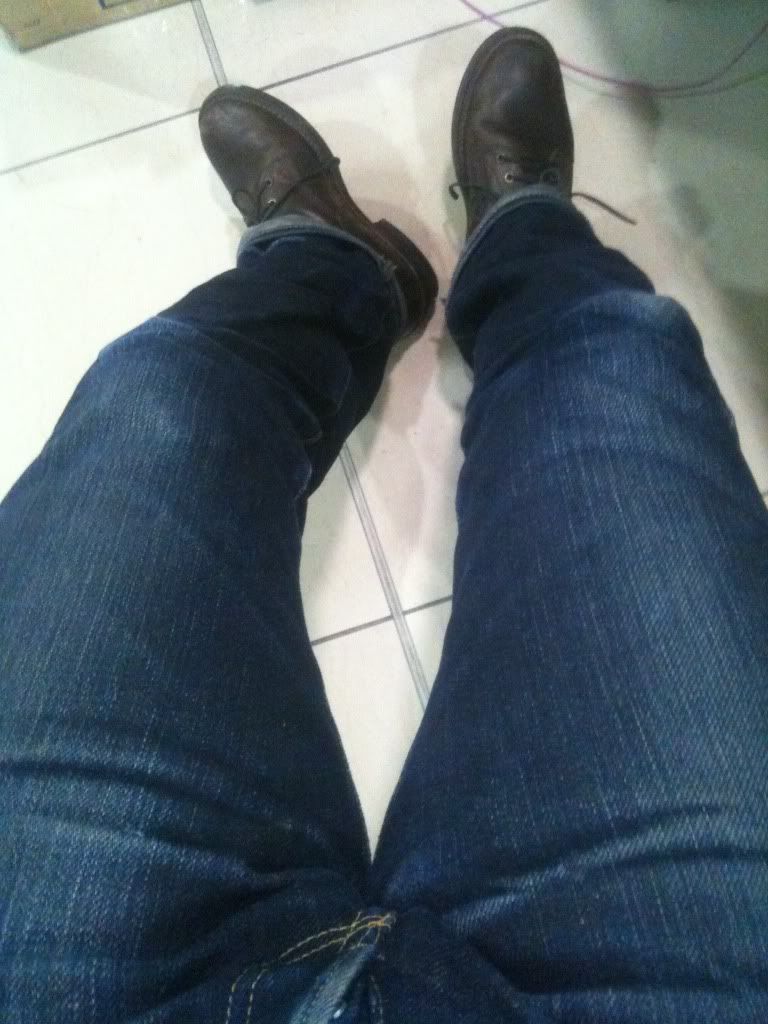


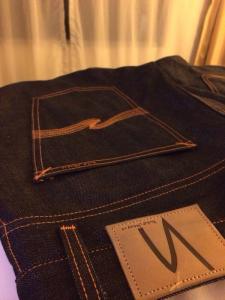


 fullcount






























 0.2882sec
 0.50
0.50
 6 queries
 GZIP Disabled