QUOTE(Mangrovejumper @ Apr 18 2008, 04:03 PM)
Good questions. I don't think it's the plastic. House spiders can lay eggs on artificial surface and it worked for them. The eggs are definitely fertilised. You personally observed it.
Sun light may play a factor, but what about humidity and temperature? Nest grooming/cleaning by the female may play a factor (removing dirt/fungus). Did the drinking water you spray get on the eggs? Perhaps the eggs needs some humidity but not too much.
I previously suggested breeding FS in the wild so that you can replicate the natural process. It's not too difficult, considering that you now know exactly how long it takes the batch of eggs to hatch.
You can find a standalone shrub or plant that is free of other FS (or you can clear one) and put a female that is ready to lay eggs there (you have the info of the gestation period too). Shouldn't be too hard to find a nice nest/make a nest for the female. They don't roam like males do which makes your job easier.
Once the eggs hatch, you can take some of the slings back into captivity if you want to try to rear them. If a few run away before you can capture them, it's okay. You don't need the whole batch. If you fail at least you can convince yourself that some of the slings could make it in the wild and you didn't lose the whole gene lineage.
The other thought that was previously presented is, if you want to test your breeding and rearing methods, you don't need good fighters. What you need are a lot of pre-adult females. Keep them until they moult and then they breed easily. After all you need to perfect your method before you try with Bighead-type gene lines.
It's a more complicated process than we first assumed, obviously.
The Malay blog is amat kelakar sekali. Tak reti nampak lelabah menjimak. Mesti rujuk blogger tu kepada klip video anda yang bergelar "Jack Kissing". Pasti dia dikagumi...sampai mulut pun ternganga.
Yeah. I was thinking about the house spiders too. But then I wondered... why does fighting spider does not adapt themselves to live among rocks and concrete or behind old planks/junk lying in peoples houses/garden like house spiders? I'm sure there are crevices in piled up bricks/junk or concrete slabs laying around in abandon sites. House spiders can be found in shurb leaves like the one we caught in seremban(surely they originate from there before human civilization). And yet they can breed in concrete/human junk area. Why does certain type of jumping spiders remain among leaves? Does leaves confer a kind of exudate that has antibacteria/antifungal action that may help hatchability of these spiders' eggs. Maybe house spider eggs are more resistant to bacteria/fungal infection without leaves hence their adaptability.
I doubt anything to do with humidity or temperature caused these 2 factors are fairly consistent in Malaysia, wheather in a room or under the shade. But still something to consider.
Problem is i don't have a nice garden. At this point, I still don't really know the exact incubation period. 3 times i had eggs in money plant keep in the container, and everytime the female ate the eggs. Too much disturbance i think. I am also wondering wheather the type of plant leaves can affect hatchability. Also i think if the eggs fail to hatch and grow stale, the female would eat them too.
yeah, getting it right is what I want to acheive now. At least i know some ways can't work now. Being able to adapt breeding in an artificial system is important for conveniece and efficiency of work. People are obviously detered from doing something if it is too complicated or take up too much time(eg to feed or harvest). But now, obviously, the first thing is to get it working.
Added on April 19, 2008, 4:17 amQUOTE(viper88 @ Apr 18 2008, 11:17 PM)
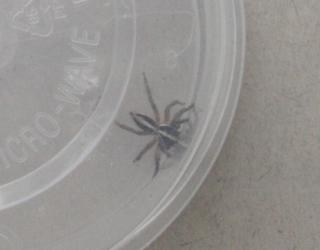
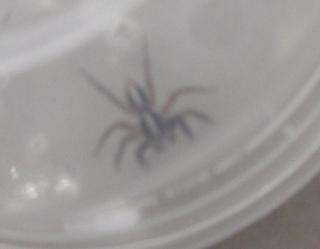
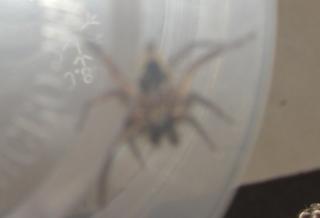
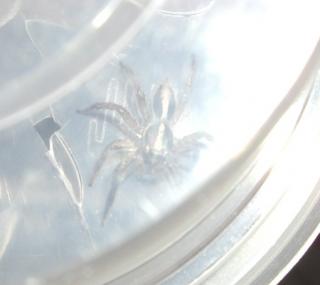
Now i know which spider u're refering to as Spider Bandar. Picture worth a thousand words. I have seen these spiders but never play with them. I always equate them to be a variant of the ones with similar pattern but with black stripes we often see in the house.
I also never think they can be 50 cents! This i must see with my own eyes to believe. Even my Bavia is just barely that size.
This post has been edited by mindstorm: Apr 19 2008, 04:22 AM 

 Apr 18 2008, 11:17 PM




 Cheers,
 Quote
Quote


 The newer Hi-tech youngster here dunno nuts about these FS craze or even seen the FS fight bfr
  Its weak opponent normally will injured quite badly/die in the fights.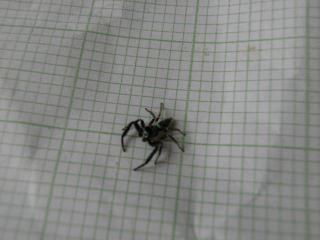


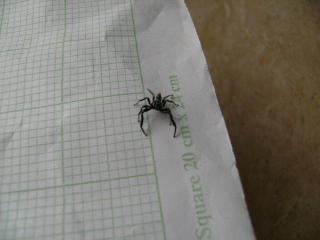


 )
)


 0.0372sec
 0.66
0.66
 6 queries
 GZIP Disabled