Whoa!
I've been gone for just 4 days, and suddenly so many posts! Awesome!
Hmm.... Let me tackle the oil palm question first.
Kg_Teratai:
Firstly, I can't view your photos from where I am at now. But once I do, I will be able to comment more about the photos.
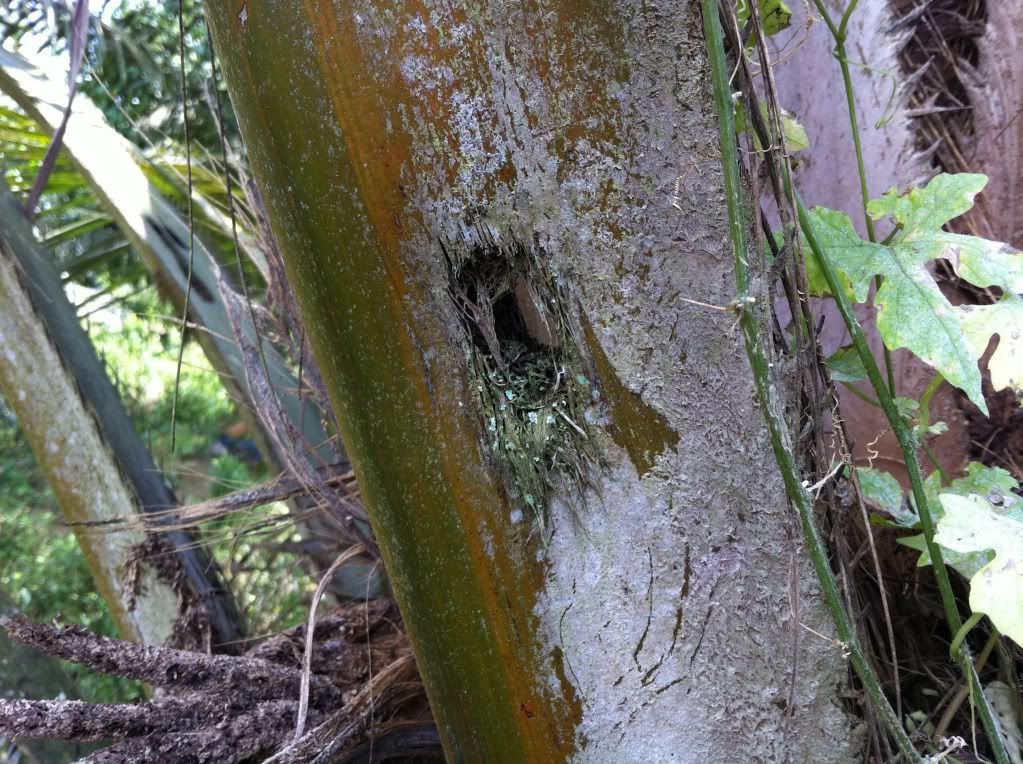
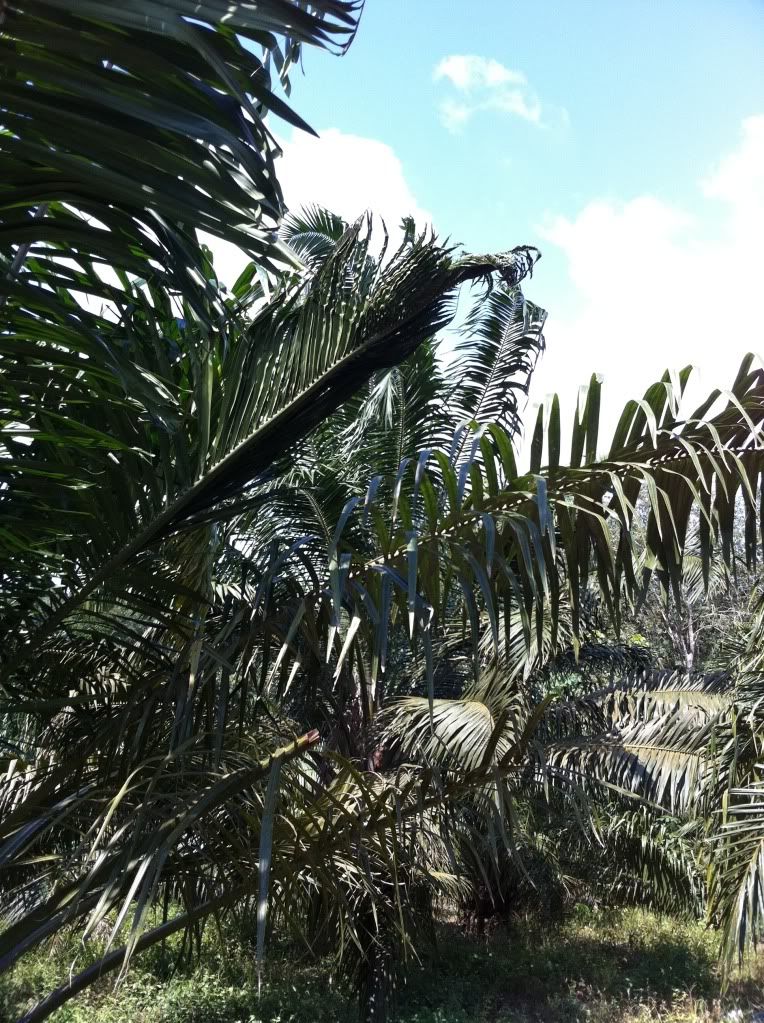
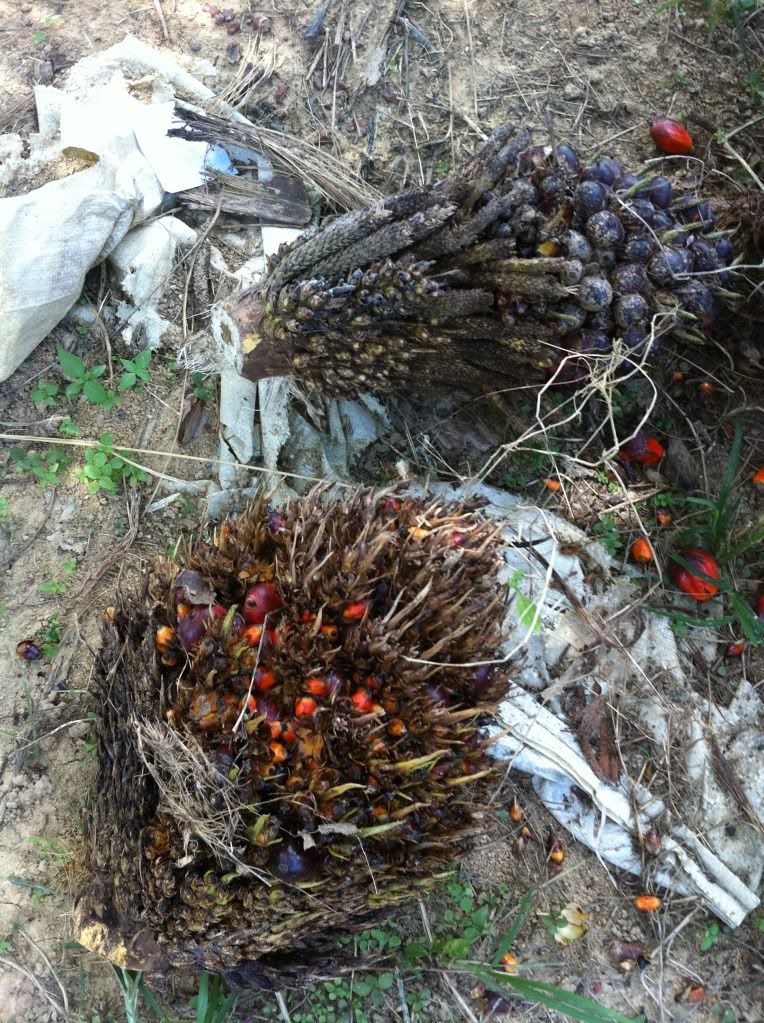
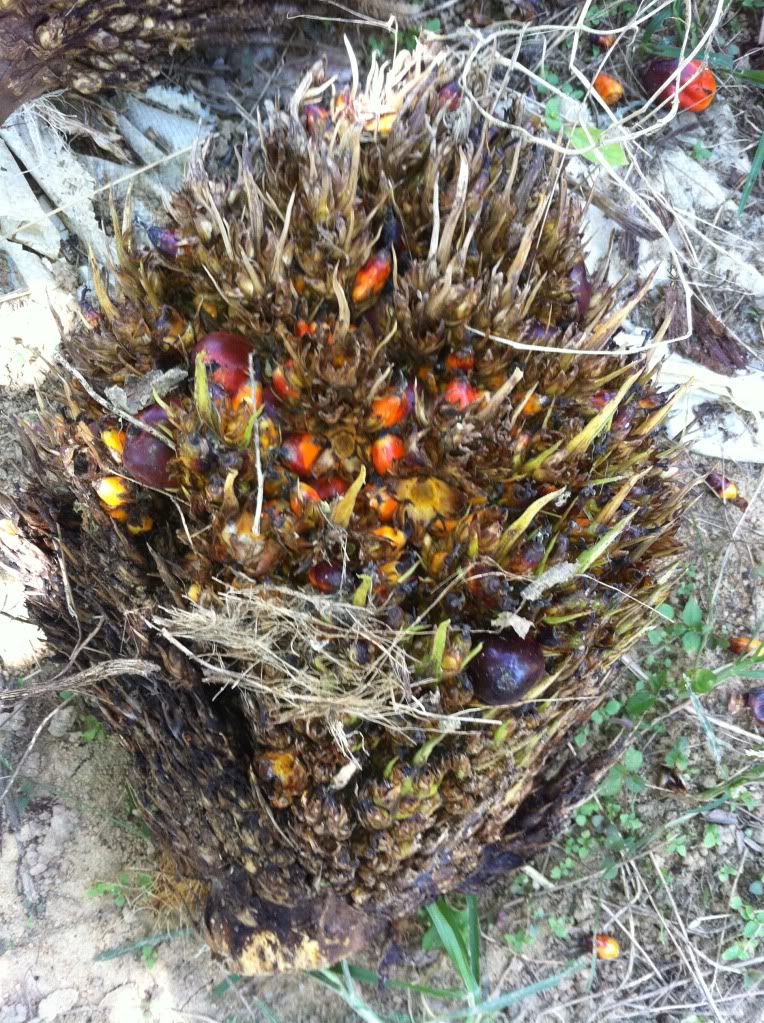
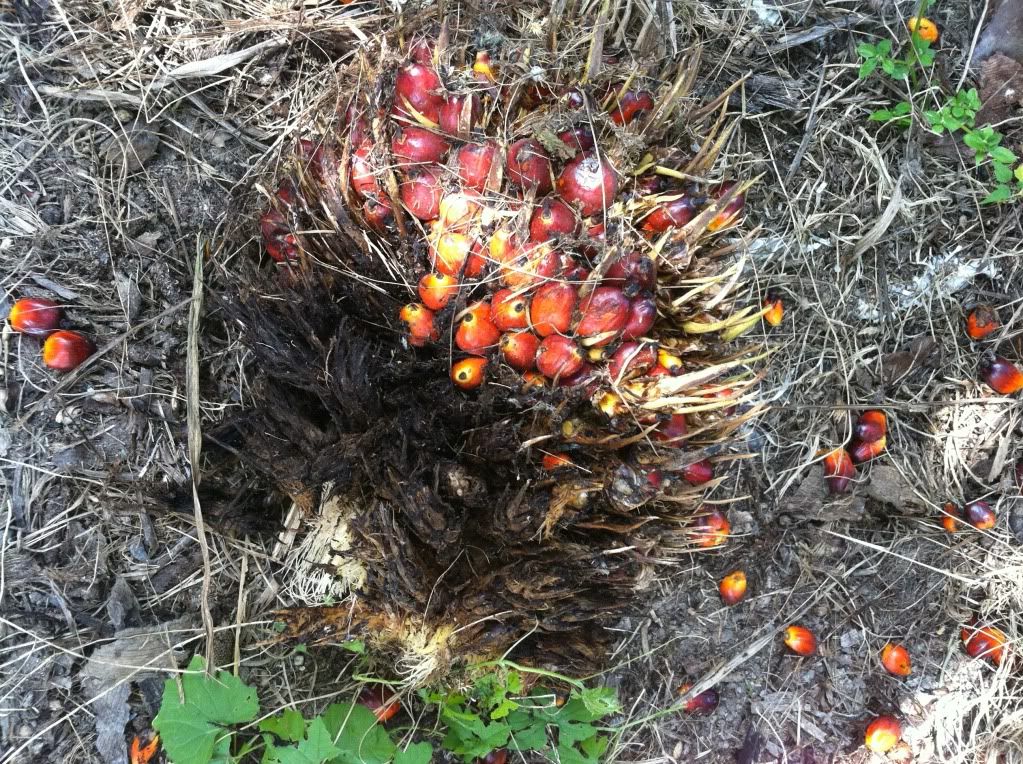
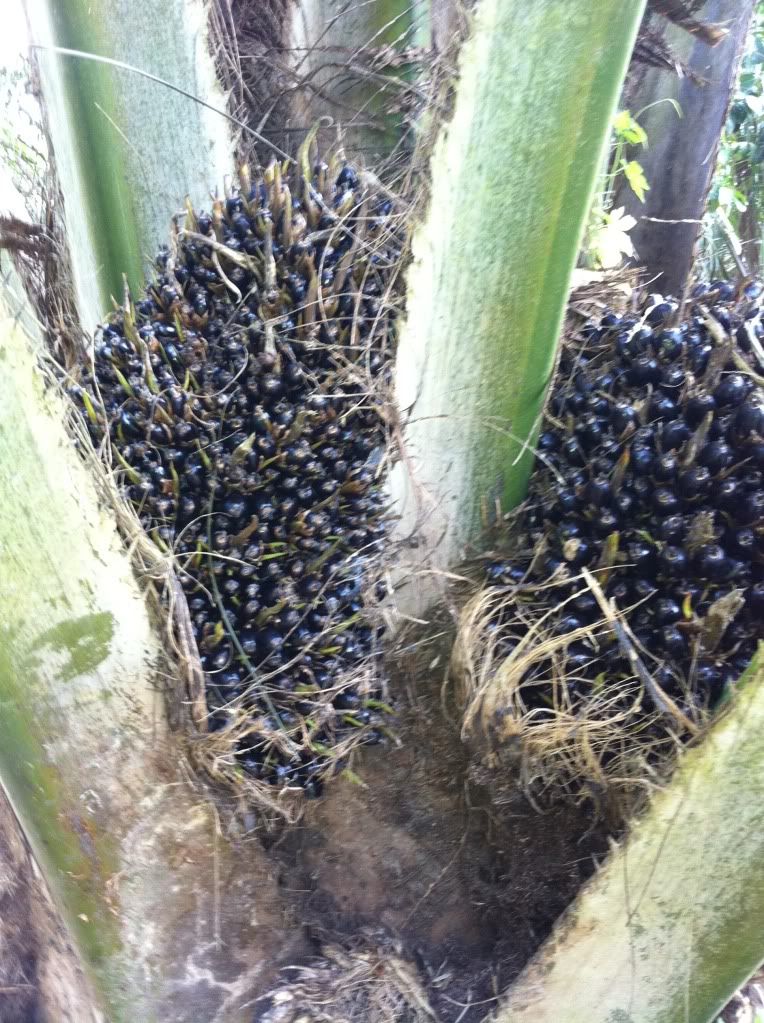
Just going by your statement about "pokok jantan", I believe you might be having some problem with the seedling supplier, unless I have misunderstood your definition of "pokok jantan". Correct me if I'm wrong, but are those trees only bearing male flowers and produce few or no mature fruited bunches? If this is the case, the supplier might be selling you open pollinated seeds. This is very bad, and I'll explain why.
Nearly all commercial oil palm varieties are hybrids. Overall, they are a cross between the Elaeis guineensis "Dura" type with huge bunches, very hard thick seeds, and low oil yields; and the Elaeis guineensis "Pisifera" type, which produces many abortive small bunches which have seeds without a hard shell, and very high oil yields.
The result of this hybridization is the "Tenera" aka DXP, which has medium to large bunches, a much thinner shell and higher oil yields compared to the Dura. I would say 99% of oil palm plantations plant this variety.
Now when the Tenera produces bunches in a plantation, it is the result of open-pollination amongst the Tenera palms. As the palms are hybrids, the resulting seedlings will not be "true-to-type", i.e. they will not be pure Tenera hybrids anymore. In such instances, you could expect about 25% of the seeds to produce "pokok jantan" aka Pisifera-palms, 25% to be Dura-palms, and 50% to be some messed-up version of the Tenera. 20 palms out of a 5 acres planting (assuming 54 stands per acre) is already 7.5%; I don't know if you had already taken out other similar palms before, but that is a very high figure. Ideally, if the materials had been obtained from a MPOB-certified and seed-producer sanctioned nursery or seedsmen, the figure should be ZERO. SIRIM's permission level for Dura-type palms is 1% MAX.
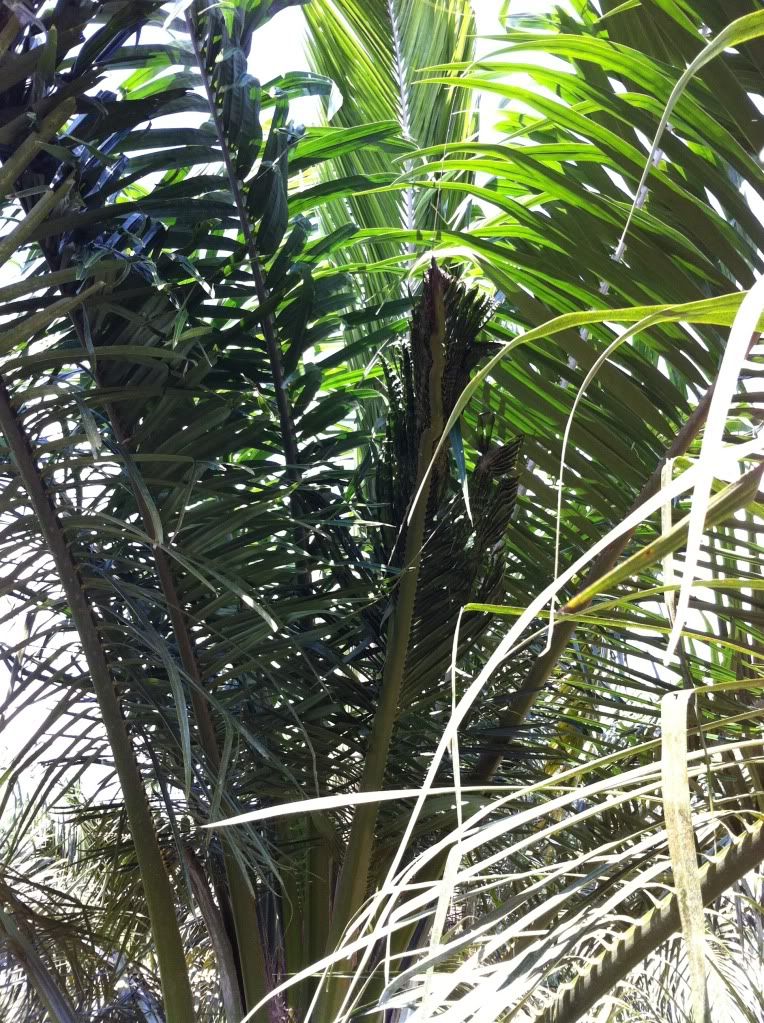
There is a caveat though: If your palms have severe pest infestation or disease eg. ganoderma, you could have palms that exhibit symptoms similar to "pokok jantan". I believe someone has just posted saying your palms have been attacked by rhinoceros beetles. And yes, they can be very damaging; sets cropping back to 1-2 years in many cases. Use cypermethrin and spear-drench the shoot if you can.
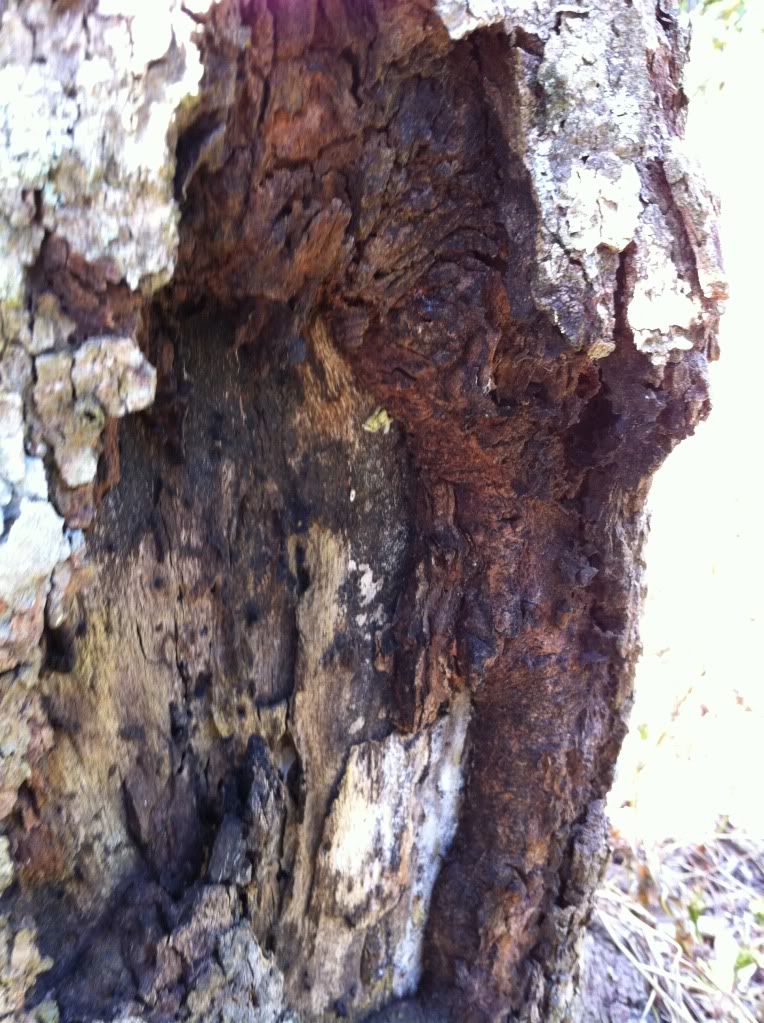
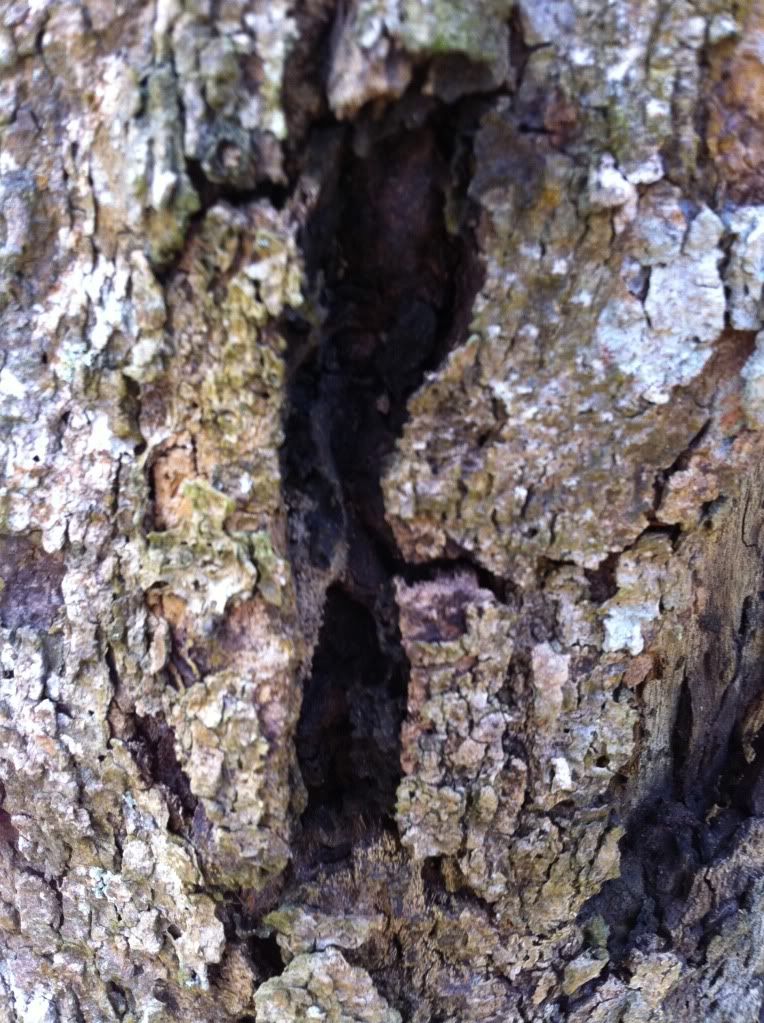
If it is ganoderma, can't help you much. If you intend to continue cultivating oil palm on the land, then cultural control would slow the spread. Dig out the palm with its root mass, chip the trunk and burn (if possible), and fill in new soil to the hole you've dug out. Be sure to get out as much of the root mass and bole as possible before you fill with new soil.
For seedling supply, just ask for the MPOB cert and licence from any nursery that sells oil palm seedlings. If they can produce them, you should be fine. Otherwise, the closest seed production unit is probably at Genting Plantations in Tangkak. You could also check with any MPOB office for such information. Or you could check this guy out:
http://www.palm-oil-seed-benih-sawit.com/index_melaka.htmI don't personally know the seller, so caveat emptor.
On yield, 3.1 tons per month for 5 acres for inland alluvials in Tangkak area is actually not terribly bad. Some proper weed management, timely fertilizer regimen, and proper water collection in the drains should help boost yields. I don't have the figures with me right now, but I also suspect that your area has some water stresses. Bear in mind that when the palm is stressed, especially due to water stresses (like drought, weed competition, disease inhibition etc.), yield will nose dive. And yes, the standard average yield for big plantations is just above 1 ton per acre per month. For smaller plantations, it is about 0.8 tons per acre per month. You are almost there, just put in some extra efforts, and you should have little trouble achieving that goal.
Added on January 9, 2012, 9:52 amMr Farmer:
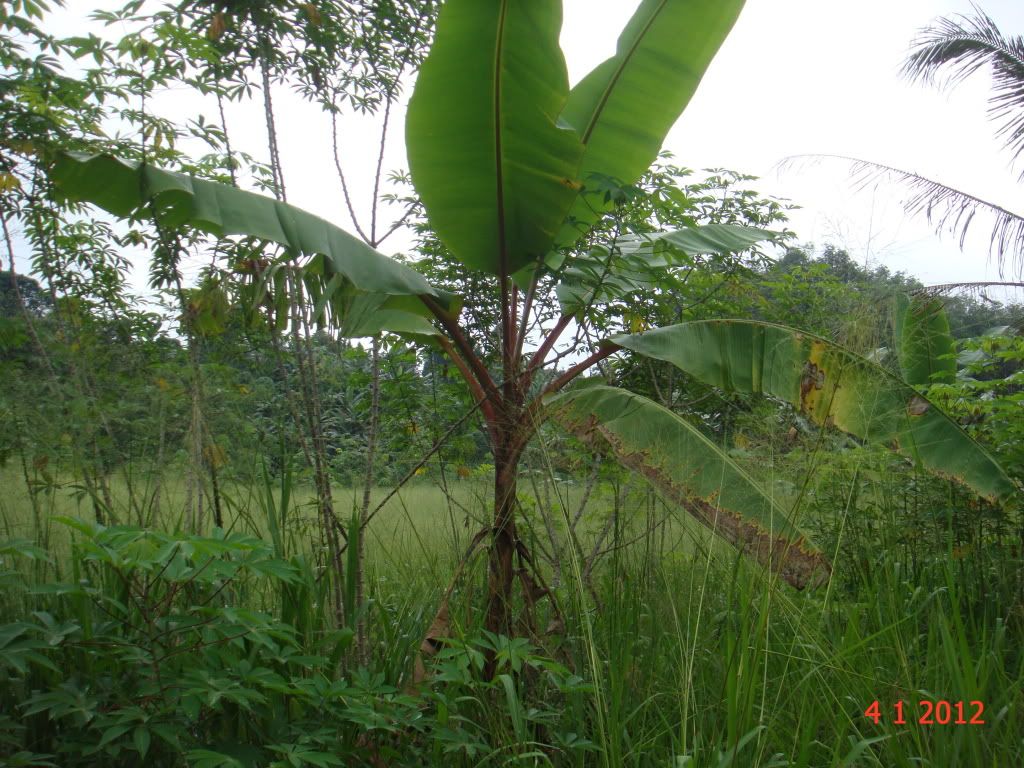
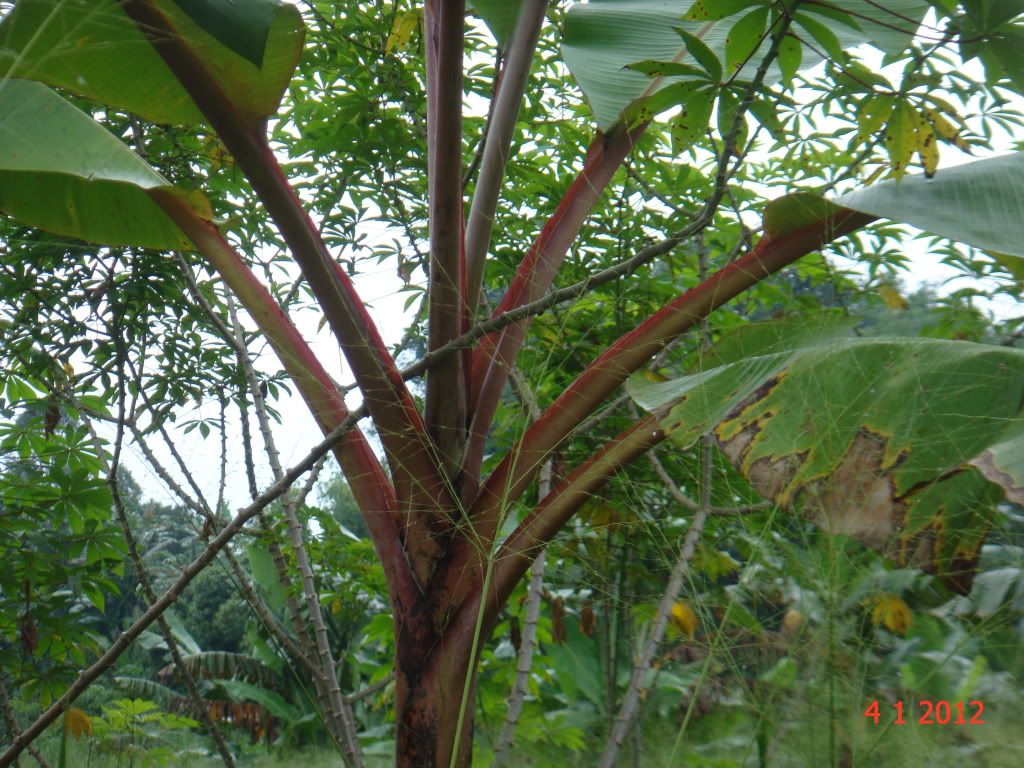
There are some ways to make "educated guesses" of banana varieties, but given that most edible varieties are closely related, it is almost always difficult to be absolutely certain.
The following documents should be of great help to anyone wanting to plant banana commercially. They cover a broad number of topics, from diseases and management, to variety, marketing etc.
http://agroforestry.net/tti/Musa-banana-plantain.pdfhttp://www.agroforestry.net/tti/Banana-plantain-overview.pdfAlthough quite a read, it is very informative.
Added on January 9, 2012, 10:47 amLoongloong3:
Firstly, allow me to commend you on your desire for entrepreneurship. Your action of sourcing for information is already the first step forward.
However, please pardon me if I start to be cutting or curt from this point onwards. Do not be disheartened with any of my comments, but instead look deeply into your intentions and goals before you determine if agriculture is the path for you.
Firstly, agriculture in any form requires a lot of dedication and hands-on management. Unlike other forms of investment like property rentals where the asset experiences less volatile fluctuations due to external dynamics, biological assets in agribusinesses are extremely sensitive to external dynamic such as weather, diseases, market supply and prices, consumer changes in taste, politics etc. A slight change in any one of these aspects could mean abundant wealth, or complete failure.
Both M_Century and Mr Farmer have highlighted very crucial points. Do take note. One simply CANNOT have a "tidak-apa" attitude in business if good returns are expected, especially in agriculture. If one cannot allocate sufficient time to manage a business, then better drop the idea completely, work a few more years to gain business experience, then only get involved. Even low-intensity investments/businesses like property rentals require some level of supervision and management if it were to succeed, what more agribusinesses which focuses on finicky biological assets.
I like to quote Jim Barrett, the owner of Chateau Montelena and winner of the 1976 Judgement of Paris wine competition (white wine), on his perspective about agriculture: "The vineyard's (farm's) best fertilizer is the owner's footsteps." If anyone would like to know more about the Judgement of Paris, please look up the movie Bottle Shock (although this is a dramaticization of the actual events).
Loongloong3, based on your last point, I can see you are not ready to take a position for the long haul. Agriculture is a business which requires heavy initial investments, and a long time frame for returns on investment. Successful farmers don't become rich overnight; they need to cultivate the land, plant the seedlings, and tend the plants for years. In many cases, nett profits only start coming in after the 10th year. If one seeks quick wins and fast money, forget about agriculture. Do real estate or investment banking instead. This is not being cynical, just real. You really need to evaluate the situation before going in, or there is a risk of getting burnt badly.
ps: This is not related to agriculture directly, but more to help people to think. If PJ properties/homes are too expensive for the average Malaysian to own/invest, what do you think they (or you) would do? No matter what, people still desire to own their home. And with the network of roads these days, places aren't far between anymore. I was in a similar situation as loongloong3 not too long ago. If I were to say I've managed to purchase a KL property at 10% below market price, and have made 30% within less than 1 year on capital, and averaged rental rates about 7% of the value of the property, what would the impression be? Do note, I'm serving the government so my pay isn't high at all. I don't get preferrential treatment either, if you know what I mean. I found that property after doing very detailed analysis and study of the KL housing markets and areas. I took time to study the population dynamics and demography, research the rental rates, check out the bank loans and offerings, and also the potential growth trends of the area in the next 5-10 years (my personal targets). I went through all those difficulties and ultimately, it is starting to pay off. I don't know if it will really yield what I'm targeting as my goal is only 5-10 years down the road, but so far so good.
Or what if I were to say I could get bungalows with land area of above 4,000 square feet and built-up of more than 2,500sqft for less than RM300,000 within 1 hour drive from KL, and then rent it out to the tourist crowd for an annual rental return of 10% on value? I have many associates who are doing this, and one group in particular has just bought their 10th house in the area. Their average monthly income is RM12,000 a month nett. And again, they do not receive any preferrential treatments. In fact, the leader of that group is (or was) a homemaker.
What I want to point out is, don't limit ourselves, but also don't over-extend. Just because Plan A doesn't work, don't think it's the end. Likewise, don't over-extend yourself if you know something isn't working, i.e. until Plan Z also kaput, still stubbornly pushing forward. Change, adapt, evolve, and grow. Look for things that others have not consider yet, and tap into those areas.
This post has been edited by Michael J.: Jan 9 2012, 11:45 AM 

 Jan 4 2012, 12:59 AM


 Quote
Quote






 0.0325sec
 0.59
0.59
 6 queries
 GZIP Disabled