Welcome Guest ( Log In | Register )

119 Pages « < 47 48 49 50 51 > » Bottom

Outline · [ Standard ] · Linear+

 Venturing into Agriculture & Aquaculture, Co-Ordination & Implementation is KEY

views
     
Kg Teratai
post Jan 6 2012, 03:02 PM

Getting Started
**
Junior Member
85 posts

Joined: Jan 2012
Hi loongloong3,

I am not certain about the yields of oil palm. However, the yields that I mention is for 1 month, not every yield. If I am not mistaken, it should be average or normal output is about 1 ton per acre per month. Therefore, I am working to get 5 tons per month for 5 acres oil palm. Any sif can comments in this?

Hi MrFarmer,

Thank you for the information. I am not sure what is use for weed control previously. I will record down and share with everyone if I get the product names. Hoprefully I can get the right production by this year.

Hi ParaOpticaL,

Thank you for the advises. You are right, detach myself and move to agri will be a big risk for me. There is no career opportunity in the place near my farm. My farm is not generate enough income to substain my living. Therefore, I am only able to do it in the part time matters. I am lucky is that my bro is still there and have some workers to do the ground work for my farm. However, he is also very tighted up with his business. Therefore, I will need to be there for those quality control of the worker's ground work. I am not impressed with the ground work quality so far.

Currently, I will also need to replant 20-30 palm oil trees to refill those Pokok Jantan and those dead oil palm trees. If MJ Joel can advise what type of tree should I look for and reliable nursery near Tangkak, Johor that I can get it.


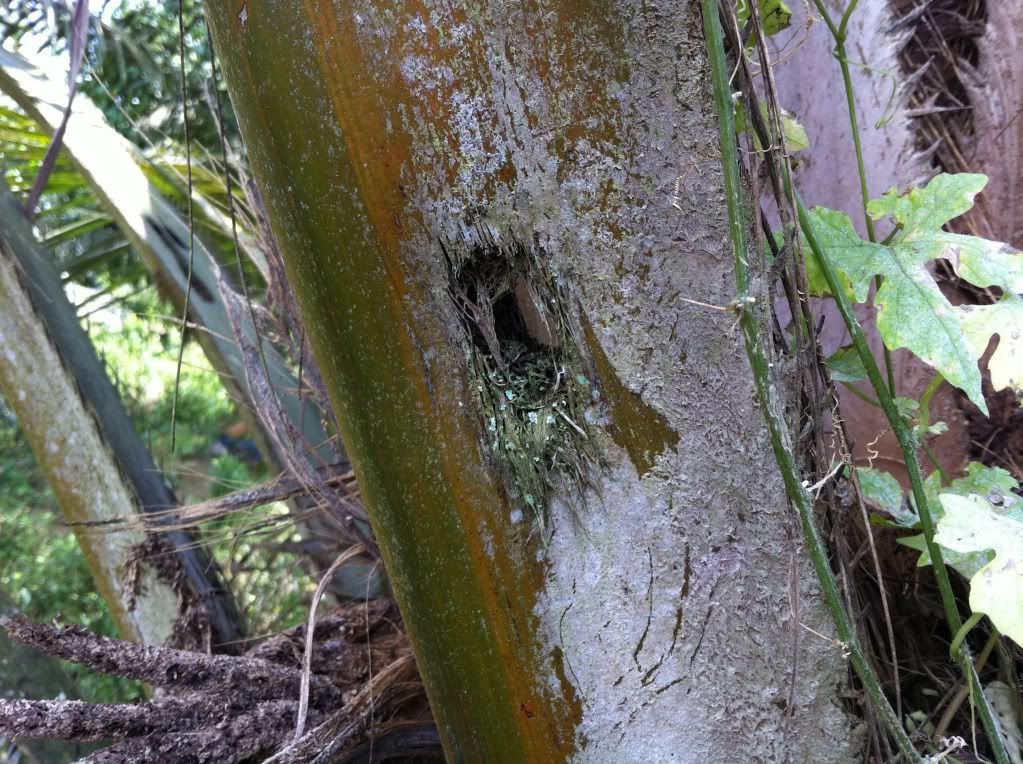
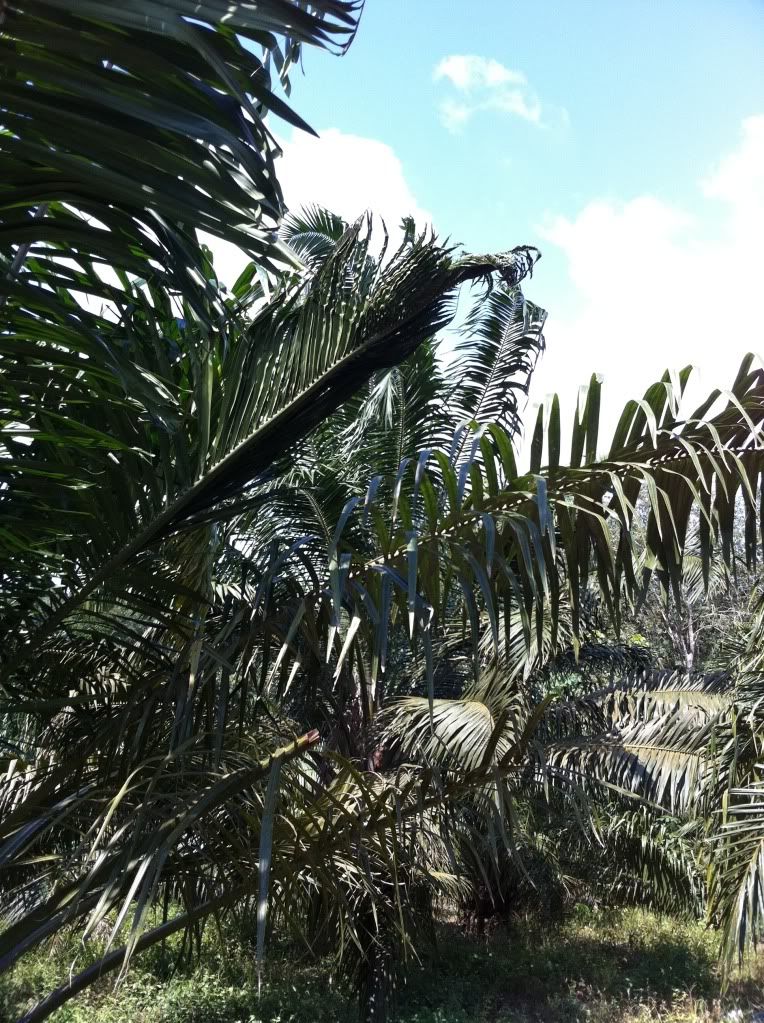
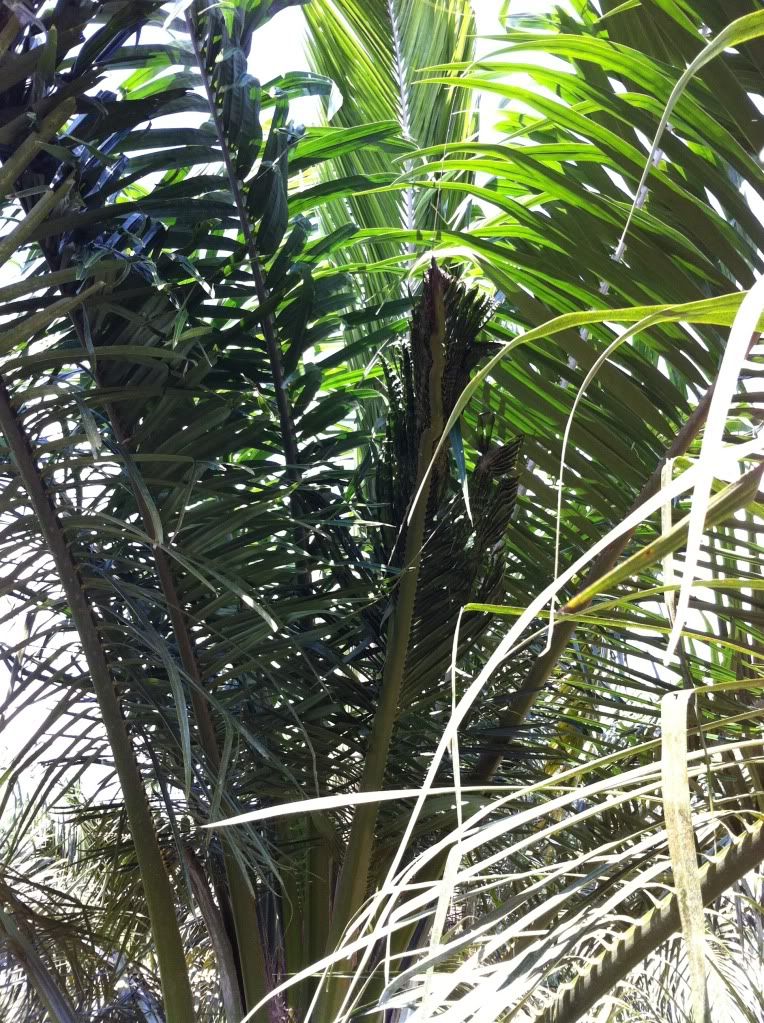
Here are some photos that I took last month
user posted image
I suspect mice did this.

user posted image
Not sure what happened. It look strange.

user posted image
Same tree.


domodo
post Jan 7 2012, 01:51 AM

Getting Started
**
Junior Member
54 posts

Joined: Jun 2011
looks fun.
MrFarmer
post Jan 8 2012, 06:59 PM

Casual
***
Junior Member
478 posts

Joined: Mar 2011
From: Sabah


Banana Trees
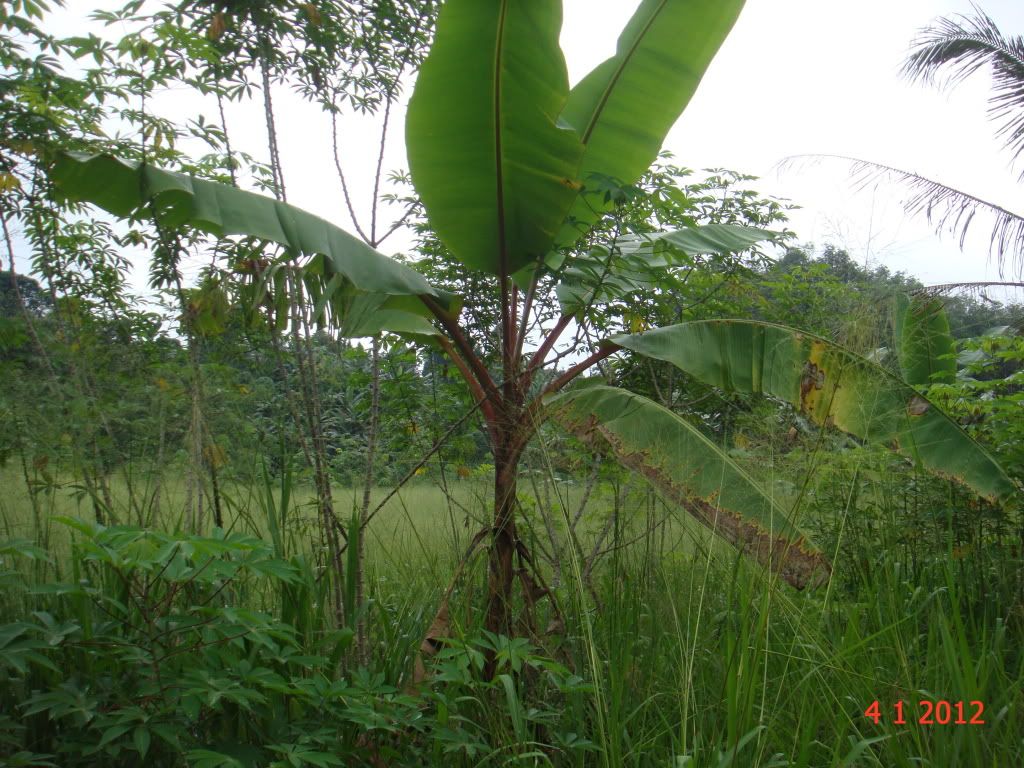
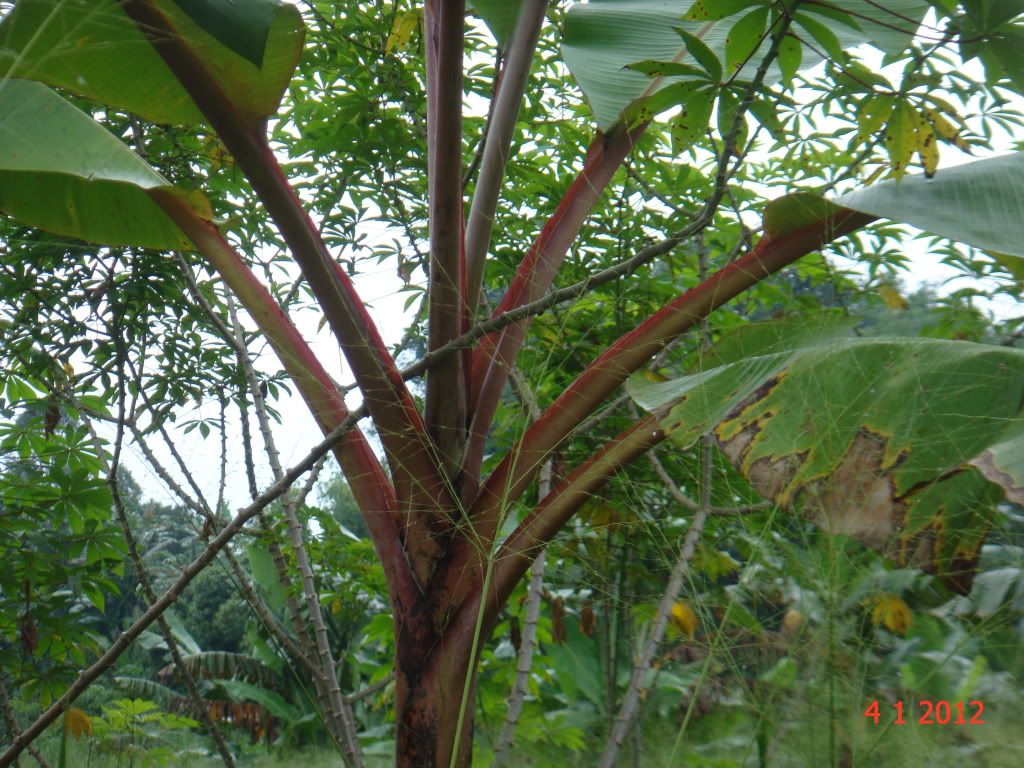
Anyone knows how to identify Banana Trees by looking at the tree (no fruits). Would like to learn how to identify trees like Berangan, Cavendish, Emas, Kerling, Tanduk, Rubus, susu and etc. Had been searching for a couple of months but could not locate any guide.

Was in a friend's farm, saw this Banana, with red stem.

user posted image
user posted image
6shots
post Jan 8 2012, 10:30 PM

Getting Started
**
Junior Member
202 posts

Joined: Sep 2006
for future reference
ikiey
post Jan 9 2012, 09:14 AM

New Member
*
Junior Member
48 posts

Joined: Jan 2011
From: Shah Alam, Selangor


» Click to show Spoiler - click again to hide... «


Bro, from ur pic, that is actually caused by 'Kumbang tanduk'... U know the black colour one? it will eat and make hole on ur tree branch.. N eventually it will cause the tree branch to collapse... There's a pesticide that u can use to avoid the problem..

On the 2nd n 3rd pic, if im not mistaken, that is the effect of when the tree is still young, it terkena the racun when u do ur spraying round...

This post has been edited by ikiey: Jan 9 2012, 09:51 AM
Michael J.
post Jan 9 2012, 09:39 AM

On my way
****
Senior Member
596 posts

Joined: Jan 2006


Whoa!

I've been gone for just 4 days, and suddenly so many posts! Awesome!

Hmm.... Let me tackle the oil palm question first.

Kg_Teratai:

Firstly, I can't view your photos from where I am at now. But once I do, I will be able to comment more about the photos.

Just going by your statement about "pokok jantan", I believe you might be having some problem with the seedling supplier, unless I have misunderstood your definition of "pokok jantan". Correct me if I'm wrong, but are those trees only bearing male flowers and produce few or no mature fruited bunches? If this is the case, the supplier might be selling you open pollinated seeds. This is very bad, and I'll explain why.

Nearly all commercial oil palm varieties are hybrids. Overall, they are a cross between the Elaeis guineensis "Dura" type with huge bunches, very hard thick seeds, and low oil yields; and the Elaeis guineensis "Pisifera" type, which produces many abortive small bunches which have seeds without a hard shell, and very high oil yields.

The result of this hybridization is the "Tenera" aka DXP, which has medium to large bunches, a much thinner shell and higher oil yields compared to the Dura. I would say 99% of oil palm plantations plant this variety.

Now when the Tenera produces bunches in a plantation, it is the result of open-pollination amongst the Tenera palms. As the palms are hybrids, the resulting seedlings will not be "true-to-type", i.e. they will not be pure Tenera hybrids anymore. In such instances, you could expect about 25% of the seeds to produce "pokok jantan" aka Pisifera-palms, 25% to be Dura-palms, and 50% to be some messed-up version of the Tenera. 20 palms out of a 5 acres planting (assuming 54 stands per acre) is already 7.5%; I don't know if you had already taken out other similar palms before, but that is a very high figure. Ideally, if the materials had been obtained from a MPOB-certified and seed-producer sanctioned nursery or seedsmen, the figure should be ZERO. SIRIM's permission level for Dura-type palms is 1% MAX.

There is a caveat though: If your palms have severe pest infestation or disease eg. ganoderma, you could have palms that exhibit symptoms similar to "pokok jantan". I believe someone has just posted saying your palms have been attacked by rhinoceros beetles. And yes, they can be very damaging; sets cropping back to 1-2 years in many cases. Use cypermethrin and spear-drench the shoot if you can.

If it is ganoderma, can't help you much. If you intend to continue cultivating oil palm on the land, then cultural control would slow the spread. Dig out the palm with its root mass, chip the trunk and burn (if possible), and fill in new soil to the hole you've dug out. Be sure to get out as much of the root mass and bole as possible before you fill with new soil.

For seedling supply, just ask for the MPOB cert and licence from any nursery that sells oil palm seedlings. If they can produce them, you should be fine. Otherwise, the closest seed production unit is probably at Genting Plantations in Tangkak. You could also check with any MPOB office for such information. Or you could check this guy out: http://www.palm-oil-seed-benih-sawit.com/index_melaka.htm

I don't personally know the seller, so caveat emptor.


On yield, 3.1 tons per month for 5 acres for inland alluvials in Tangkak area is actually not terribly bad. Some proper weed management, timely fertilizer regimen, and proper water collection in the drains should help boost yields. I don't have the figures with me right now, but I also suspect that your area has some water stresses. Bear in mind that when the palm is stressed, especially due to water stresses (like drought, weed competition, disease inhibition etc.), yield will nose dive. And yes, the standard average yield for big plantations is just above 1 ton per acre per month. For smaller plantations, it is about 0.8 tons per acre per month. You are almost there, just put in some extra efforts, and you should have little trouble achieving that goal.


Added on January 9, 2012, 9:52 amMr Farmer:

There are some ways to make "educated guesses" of banana varieties, but given that most edible varieties are closely related, it is almost always difficult to be absolutely certain.

The following documents should be of great help to anyone wanting to plant banana commercially. They cover a broad number of topics, from diseases and management, to variety, marketing etc.
http://agroforestry.net/tti/Musa-banana-plantain.pdf
http://www.agroforestry.net/tti/Banana-plantain-overview.pdf

Although quite a read, it is very informative.


Added on January 9, 2012, 10:47 amLoongloong3:

Firstly, allow me to commend you on your desire for entrepreneurship. Your action of sourcing for information is already the first step forward.

However, please pardon me if I start to be cutting or curt from this point onwards. Do not be disheartened with any of my comments, but instead look deeply into your intentions and goals before you determine if agriculture is the path for you.

Firstly, agriculture in any form requires a lot of dedication and hands-on management. Unlike other forms of investment like property rentals where the asset experiences less volatile fluctuations due to external dynamics, biological assets in agribusinesses are extremely sensitive to external dynamic such as weather, diseases, market supply and prices, consumer changes in taste, politics etc. A slight change in any one of these aspects could mean abundant wealth, or complete failure.

Both M_Century and Mr Farmer have highlighted very crucial points. Do take note. One simply CANNOT have a "tidak-apa" attitude in business if good returns are expected, especially in agriculture. If one cannot allocate sufficient time to manage a business, then better drop the idea completely, work a few more years to gain business experience, then only get involved. Even low-intensity investments/businesses like property rentals require some level of supervision and management if it were to succeed, what more agribusinesses which focuses on finicky biological assets.

I like to quote Jim Barrett, the owner of Chateau Montelena and winner of the 1976 Judgement of Paris wine competition (white wine), on his perspective about agriculture: "The vineyard's (farm's) best fertilizer is the owner's footsteps." If anyone would like to know more about the Judgement of Paris, please look up the movie Bottle Shock (although this is a dramaticization of the actual events).

Loongloong3, based on your last point, I can see you are not ready to take a position for the long haul. Agriculture is a business which requires heavy initial investments, and a long time frame for returns on investment. Successful farmers don't become rich overnight; they need to cultivate the land, plant the seedlings, and tend the plants for years. In many cases, nett profits only start coming in after the 10th year. If one seeks quick wins and fast money, forget about agriculture. Do real estate or investment banking instead. This is not being cynical, just real. You really need to evaluate the situation before going in, or there is a risk of getting burnt badly.

ps: This is not related to agriculture directly, but more to help people to think. If PJ properties/homes are too expensive for the average Malaysian to own/invest, what do you think they (or you) would do? No matter what, people still desire to own their home. And with the network of roads these days, places aren't far between anymore. I was in a similar situation as loongloong3 not too long ago. If I were to say I've managed to purchase a KL property at 10% below market price, and have made 30% within less than 1 year on capital, and averaged rental rates about 7% of the value of the property, what would the impression be? Do note, I'm serving the government so my pay isn't high at all. I don't get preferrential treatment either, if you know what I mean. I found that property after doing very detailed analysis and study of the KL housing markets and areas. I took time to study the population dynamics and demography, research the rental rates, check out the bank loans and offerings, and also the potential growth trends of the area in the next 5-10 years (my personal targets). I went through all those difficulties and ultimately, it is starting to pay off. I don't know if it will really yield what I'm targeting as my goal is only 5-10 years down the road, but so far so good.

Or what if I were to say I could get bungalows with land area of above 4,000 square feet and built-up of more than 2,500sqft for less than RM300,000 within 1 hour drive from KL, and then rent it out to the tourist crowd for an annual rental return of 10% on value? I have many associates who are doing this, and one group in particular has just bought their 10th house in the area. Their average monthly income is RM12,000 a month nett. And again, they do not receive any preferrential treatments. In fact, the leader of that group is (or was) a homemaker.

What I want to point out is, don't limit ourselves, but also don't over-extend. Just because Plan A doesn't work, don't think it's the end. Likewise, don't over-extend yourself if you know something isn't working, i.e. until Plan Z also kaput, still stubbornly pushing forward. Change, adapt, evolve, and grow. Look for things that others have not consider yet, and tap into those areas.

This post has been edited by Michael J.: Jan 9 2012, 11:45 AM

Kg Teratai
post Jan 9 2012, 04:46 PM

Getting Started
**
Junior Member
85 posts

Joined: Jan 2012
QUOTE(ikiey @ Jan 9 2012, 09:14 AM)
» Click to show Spoiler - click again to hide... «


Bro, from ur pic, that is actually caused by 'Kumbang tanduk'... U know the black colour one? it will eat and make hole on ur tree branch.. N eventually it will cause the tree branch to collapse... There's a pesticide that u can use to avoid the problem..

On the 2nd n 3rd pic, if im not mistaken, that is the effect of when the tree is still young, it terkena the racun when u do ur spraying round...
*
Hi Ikiey,

Thank you for the information.

For the Rhinocaros Beetles or Kumbang Tanduk, how exactly we can confirmed it is the exactly the cause?

Those trees are already 6-7 years old. Is it still considered a young tree?


QUOTE(Michael J. @ Jan 9 2012, 09:39 AM)
Whoa!

I've been gone for just 4 days, and suddenly so many posts! Awesome!

Hmm.... Let me tackle the oil palm question first.

Kg_Teratai:

Firstly, I can't view your photos from where I am at now. But once I do, I will be able to comment more about the photos.

Just going by your statement about "pokok jantan", I believe you might be having some problem with the seedling supplier, unless I have misunderstood your definition of "pokok jantan". Correct me if I'm wrong, but are those trees only bearing male flowers and produce few or no mature fruited bunches? If this is the case, the supplier might be selling you open pollinated seeds. This is very bad, and I'll explain why.

Nearly all commercial oil palm varieties are hybrids. Overall, they are a cross between the Elaeis guineensis "Dura" type with huge bunches, very hard thick seeds, and low oil yields; and the Elaeis guineensis "Pisifera" type, which produces many abortive small bunches which have seeds without a hard shell, and very high oil yields.

The result of this hybridization is the "Tenera" aka DXP, which has medium to large bunches, a much thinner shell and higher oil yields compared to the Dura. I would say 99% of oil palm plantations plant this variety.

Now when the Tenera produces bunches in a plantation, it is the result of open-pollination amongst the Tenera palms. As the palms are hybrids, the resulting seedlings will not be "true-to-type", i.e. they will not be pure Tenera hybrids anymore. In such instances, you could expect about 25% of the seeds to produce "pokok jantan" aka Pisifera-palms, 25% to be Dura-palms, and 50% to be some messed-up version of the Tenera. 20 palms out of a 5 acres planting (assuming 54 stands per acre) is already 7.5%; I don't know if you had already taken out other similar palms before, but that is a very high figure. Ideally, if the materials had been obtained from a MPOB-certified and seed-producer sanctioned nursery or seedsmen, the figure should be ZERO. SIRIM's permission level for Dura-type palms is 1% MAX.

There is a caveat though: If your palms have severe pest infestation or disease eg. ganoderma, you could have palms that exhibit symptoms similar to "pokok jantan". I believe someone has just posted saying your palms have been attacked by rhinoceros beetles. And yes, they can be very damaging; sets cropping back to 1-2 years in many cases. Use cypermethrin and spear-drench the shoot if you can.

If it is ganoderma, can't help you much. If you intend to continue cultivating oil palm on the land, then cultural control would slow the spread. Dig out the palm with its root mass, chip the trunk and burn (if possible), and fill in new soil to the hole you've dug out. Be sure to get out as much of the root mass and bole as possible before you fill with new soil.

For seedling supply, just ask for the MPOB cert and licence from any nursery that sells oil palm seedlings. If they can produce them, you should be fine. Otherwise, the closest seed production unit is probably at Genting Plantations in Tangkak. You could also check with any MPOB office for such information. Or you could check this guy out: http://www.palm-oil-seed-benih-sawit.com/index_melaka.htm

I don't personally know the seller, so caveat emptor.
On yield, 3.1 tons per month for 5 acres for inland alluvials in Tangkak area is actually not terribly bad. Some proper weed management, timely fertilizer regimen, and proper water collection in the drains should help boost yields. I don't have the figures with me right now, but I also suspect that your area has some water stresses. Bear in mind that when the palm is stressed, especially due to water stresses (like drought, weed competition, disease inhibition etc.), yield will nose dive. And yes, the standard average yield for big plantations is just above 1 ton per acre per month. For smaller plantations, it is about 0.8 tons per acre per month. You are almost there, just put in some extra efforts, and you should have little trouble achieving that goal.
*
Hi MJ Joel,

Wow.. This is a lot of information I need to pick up. Thank you also for the word of encouragement.

Pokok Jantan is those tree do not produce brunches at all. I want to replant all these trees. Those trees have been observed for one year that do not produce brunches. Last weekend I try to burn few trees, however, these trees are 7 years old. I will need to burn it 4-5 times to make it become ashes and replant it. May I know is there any better way to do this? I am thinking to hired machinery to dig up the whole tree and then replant it. However, hiring the machinery will cost higher.

I believe my bro was cheated by the seedling supplier. Those seeds and plants were not selected properly when it was planted in my farm. I will show you those brunches photos regard this.

The seeding supplier information you shared is very useful. Thank you again.

Regard the rhinoceros beetles, how can we confirmed it is the cause? “Spear-drench the shoot if you can.” Does it mean I need to spear the whole tree? I found a lot of trees have the similar symptoms.

As for the tree that show funny symptoms on the leaf. I really hope it is not ganoderma.

The yields on 7 Jan is 0.8 ton, the next one will be on 20th Jan and hopefully it will yield better. I will share once I have the reading.

Again, I have few question regard the weed control, Fertilizer regimen and water collection. I am welcome all the sifu here to share the opinion and

Weed Control,
I am thinking to use the machinery to cut down those weeds. The reason I considered about this is long term cost effective and better to the soils. What is your opinion? Others are welcome to share your opinion?

Fertilizer regimen,
1. I hear the older said, the fertilizer will need to apply quarterly. How can I know what kind of fertilizer is needed for my oil palm tree? What should I apply quarterly?
2. How can I analysis the soil to know what are the elements (N, P, K) that short in soil? Any DIY way? I believe after analysis the soil, we can optimize the fertilizer application.

Water collection,
My land is considered a flat land combined a little slide of hill. There is no river pass by the land. Those oil palm trees are planted into a 3 fleet wide holes. This formed the water collection. Over the years the holes have been swallowed. I will like to know how to determine the tree are water stressed. I am also looking for the way to improve the water collection.

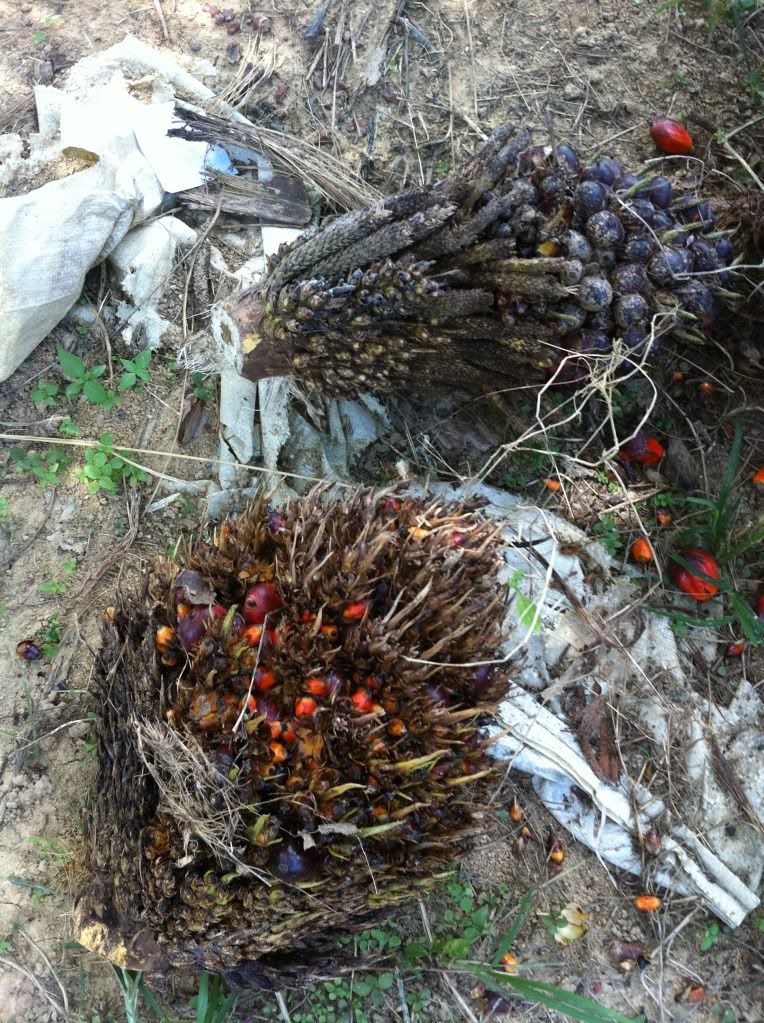
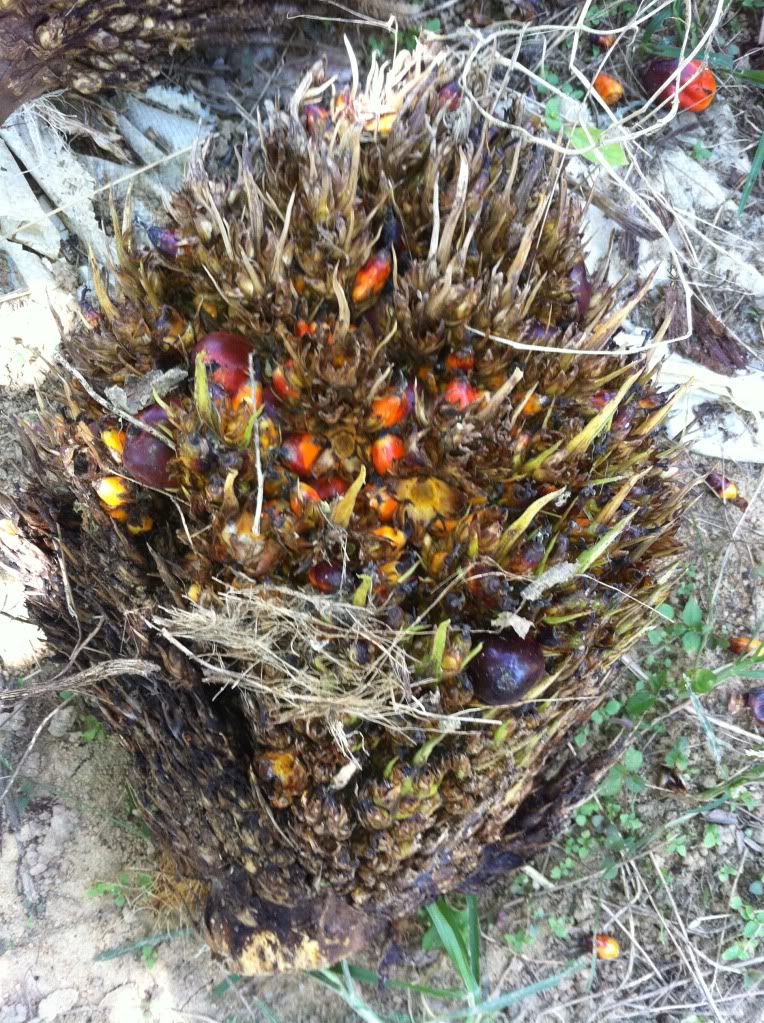
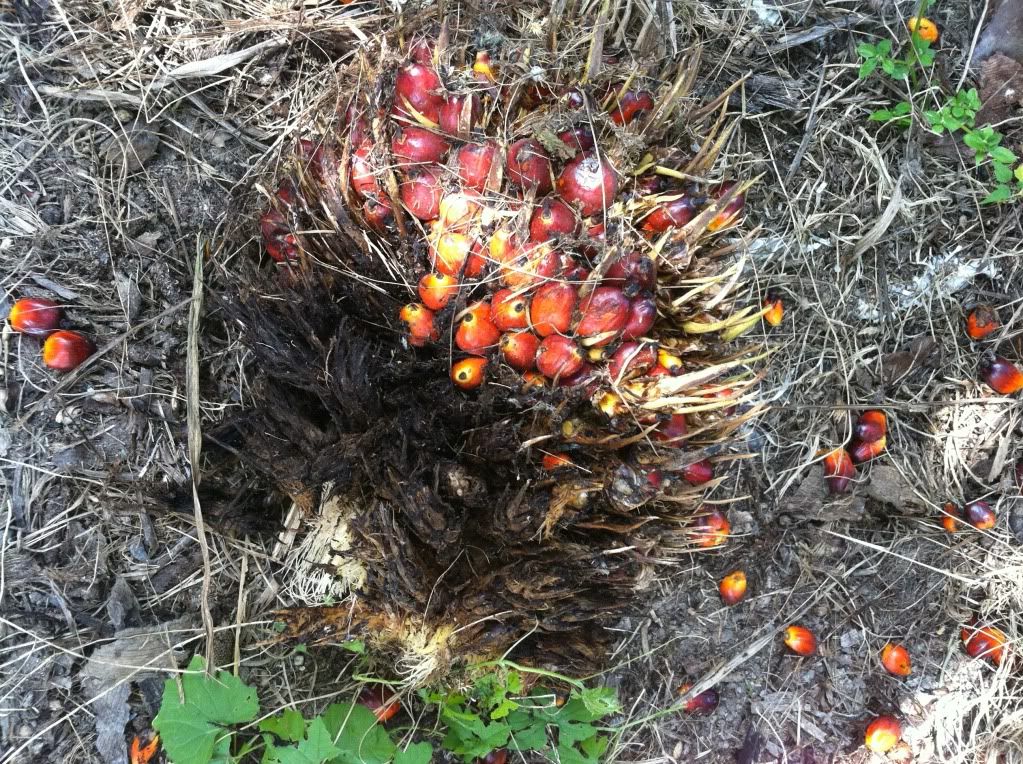
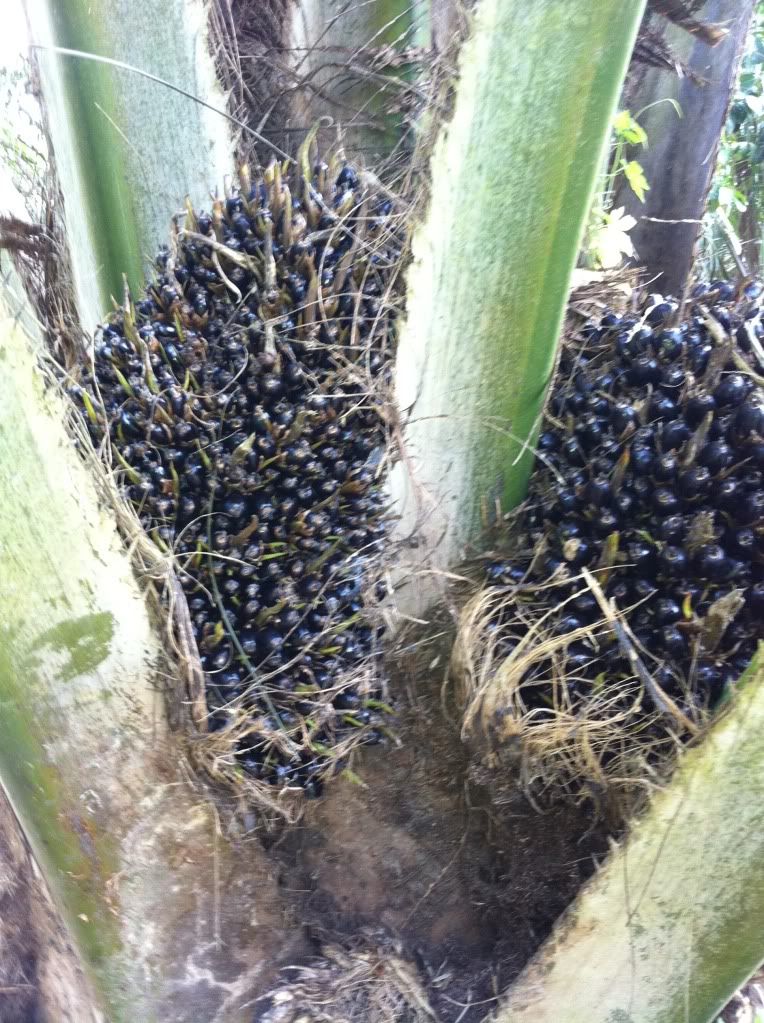
Here are some brunches photo that I taken on 7th Jan.

user posted image

user posted image

user posted image

user posted image


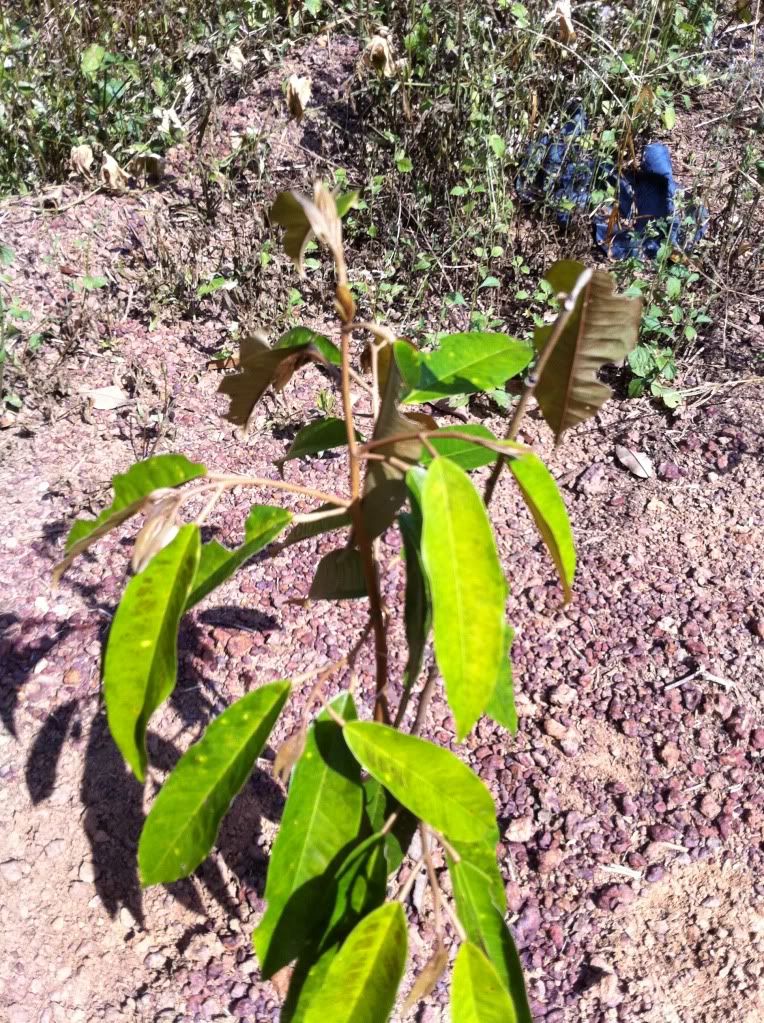
Added on January 9, 2012, 5:06 pmNow, this is from my fruit farm.

user posted image
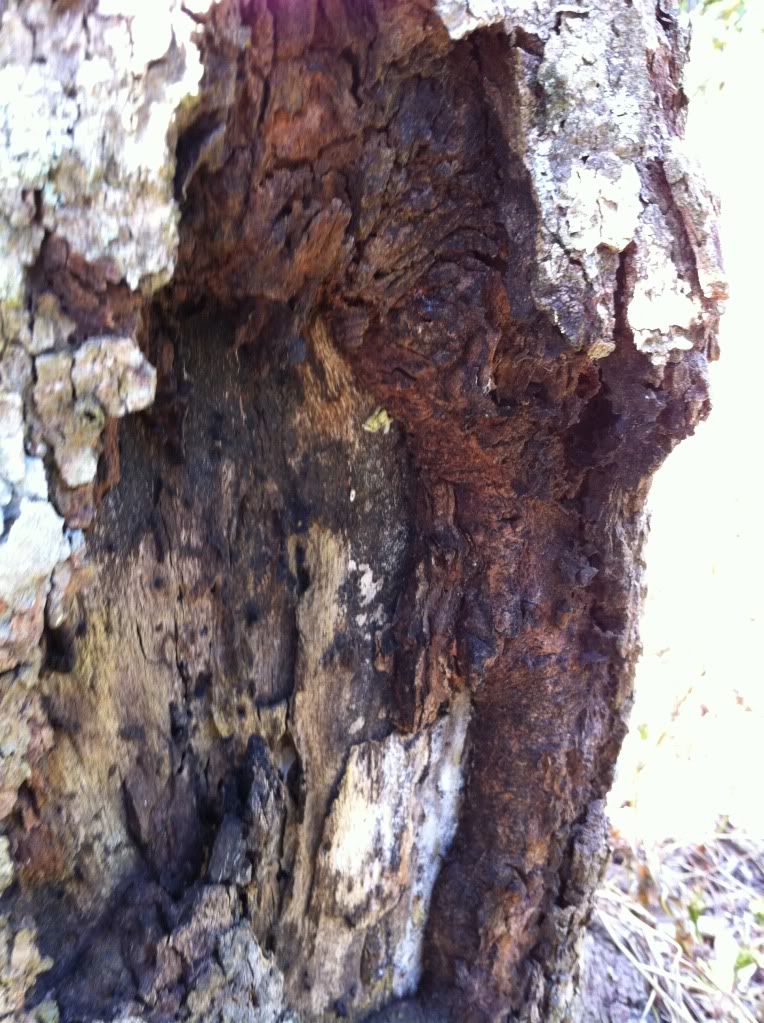
Musang Kia in the making.

user posted image
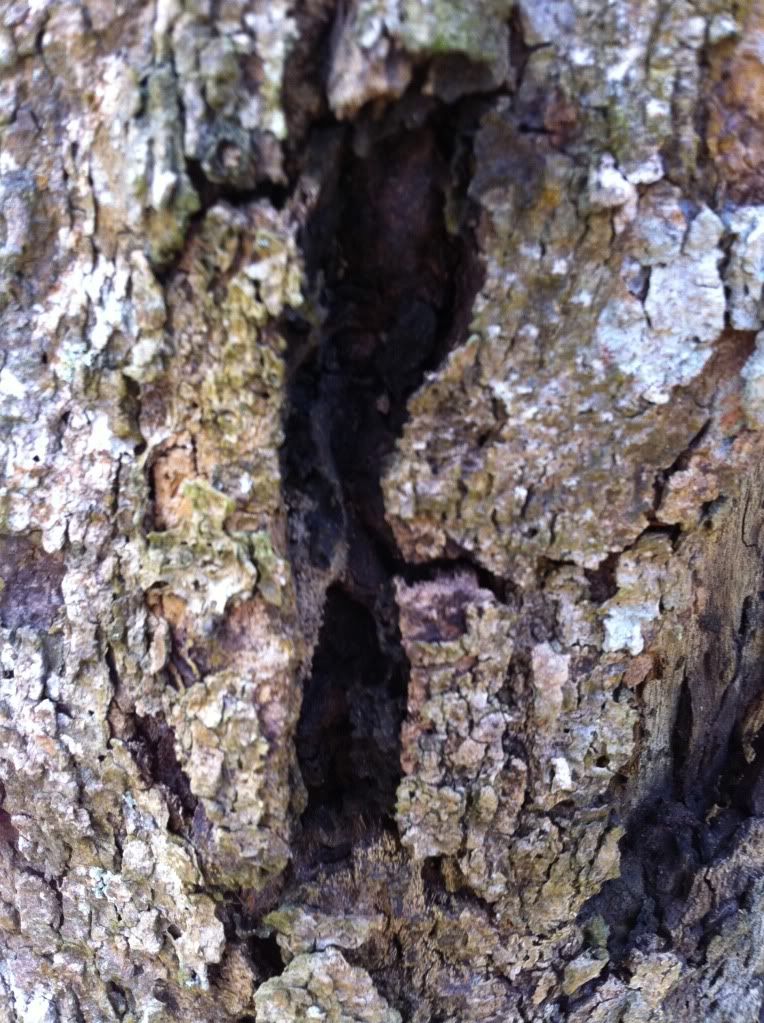
Infection, May I know any cure for this?

user posted image
Another Photo to show the infection.

user posted image
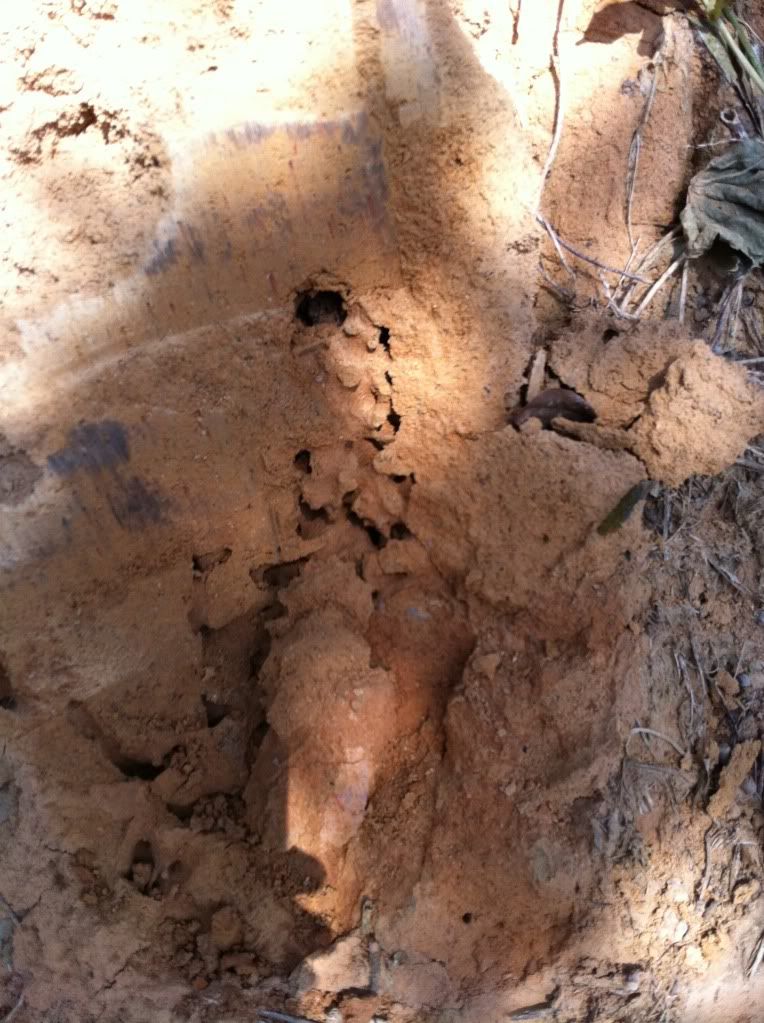
Termites... How to make them runaway from my farm?

This post has been edited by Kg Teratai: Jan 9 2012, 05:06 PM
Michael J.
post Jan 9 2012, 05:27 PM

On my way
****
Senior Member
596 posts

Joined: Jan 2006


Kg_Teratai:

I will get back to you once I'm able to view the photos.

Hmmm... Have you considered asking MPOB officers to advice on management procedures? Otherwise, you could get some booklets on plantation management from them too. If you enjoy reading, I would suggest you look up for books on oil palm plantation management, especially those authored by Hartley, Corley, Tinker, and Piguot.

As for your other questions, I will answer them later in the evening. Have another appointment to attend now.
MrFarmer
post Jan 9 2012, 07:34 PM

Casual
***
Junior Member
478 posts

Joined: Mar 2011
From: Sabah


QUOTE(Michael J. @ Jan 9 2012, 09:39 AM)
Mr Farmer:

There are some ways to make "educated guesses" of banana varieties, but given that most edible varieties are closely related, it is almost always difficult to be absolutely certain.

The following documents should be of great help to anyone wanting to plant banana commercially. They cover a broad number of topics, from diseases and management, to variety, marketing etc.
http://agroforestry.net/tti/Musa-banana-plantain.pdf
http://www.agroforestry.net/tti/Banana-plantain-overview.pdf

Although quite a read, it is very informative.
Thanks Michael, you are right, quite a long read. Downloaded and saved up. Shall keep me busy during my holidays. Yes, going home for CNY holidays in a week's time!

Happy Chinese New Year. May this year bring us abundance health and wealth.

ikiey
post Jan 9 2012, 08:07 PM

New Member
*
Junior Member
48 posts

Joined: Jan 2011
From: Shah Alam, Selangor


QUOTE(Kg Teratai @ Jan 9 2012, 04:46 PM)
Hi Ikiey,

Thank you for the information.

For the Rhinocaros Beetles or Kumbang Tanduk, how exactly we can confirmed it is the exactly the cause?

Those trees are already 6-7 years old. Is it still considered a young tree?
Hi MJ Joel,

Wow.. This is a lot of information I need to pick up. Thank you also for the word of encouragement.

» Click to show Spoiler - click again to hide... «


Actually bro, because last time some of the trees at my dad's kebun also got those holes, n then my father instruct his worker to put this one chemical there, n the week after that, can see the 'kumbang tanduk' died and kering already at the tree... (we go to the farm once a week, cuz we staying in shah alam, the farm in langkap, perak

N about that twisting leaves, that one also some of the trees at our farm have that symptom also... But ours is still young, around 2 years old only, n i think was really caused by the spraying round earlier...

This post has been edited by ikiey: Jan 9 2012, 08:08 PM
Michael J.
post Jan 9 2012, 09:22 PM

On my way
****
Senior Member
596 posts

Joined: Jan 2006


Kg_Teratai:

Ok, let's go one by one. In your first picture of post 961, the hole in the frond bract is made by rhinoceros beetles. The adults normally bore holes into the heart of the palm, close to the crown. Usually the rhino beetle's damage on palms are not too serious, but the wound does allow other more terrible pests and diseases to come in to kill the palm. You need to buy cypermethrin, mix according to the instructions, and spray the "spear" of the palms, i.e. the frond that looks like a "tanduk" in the center of the palm, till the whole thing is drenched. This will kill some of the adults, and deter others from coming back in. However, this only lasts for maybe 2 months at most, so you would likely need to do this again when you notice any further damage. As long as the new fronds that come out don't have holes, you know you are doing ok.

The next two pictures in post 961 show frond damage. There are two possibilities: (i) Mechanical damage due to beetle attack (ii) Nutrition-linked diseases due to deficiency in boron.

Although both are show similar symptoms, I would say the former is the case, i.e. beetle damage. Reason being the subsequent young fronds are not showing disease symptoms. This disease, is colloquially called "crinkled-leaf", and is particularly found in planting of inland alluvials.

But that doesn't mean your palms are not suffering from boron deficiency. If you look carefully, you would notice light-white colored stripes along the leaves mid-rib. This is another symptom of boron deficiency, called "white-stripe". One could avert this by applying 1kg of borate per palm per year, divided into 4 applications every 3 months (i.e. 250g each round). Spread the borate evenly about 30cm away from the trunk base, all around. Take care not to clump the borate in lumps or heaps.

However, given that Tangkak area is largely inland alluvials, I suspect there could be some levels of chlorine deficiency also. You might like to introduce a little salt to the palms, either using normal rock salt (NaCl), or magnesium salt (MgCl). The former is very cheap to get, while the latter kills two birds with one stone: It also provides magnesium to the palms, aside from chlorine.

Aside from that, I'm wondering how often do you do fertiliser applications? The palms look very yellow, and stunted for 6-7 year old palms. They are what, 4 feet tall? Unless you got youself some dumpy materials, that is not normal. Most oil palm planting materials in Malaysia grow by 30-40cm a year, so for 6-7 year old palms, you should be seeing something closer to 5 feet (trunk base to crown).

Now going on to post 967. Holy cow! The first picture with the bunch having those long-tassle stuff is a hermaphrodite bunch, i.e. it produces male and female flowers on the same bunch. This is very abnormal. If it is one or two bunches, it could be due to stresses like drought, or lack of nutrients etc.; but if you have whole crop full of these things, then you've got some serious problems with the planting materials.

As for the poor fruit set on the other bunches, some of which are abortive or rotting, it is actually two possible things: (i) Poor fruit set due to poor pollination (ii) Insufficient nutrients. My first impression is that you've got a case of insufficient pollination. Reason being that the bunches have too many abortive sockets, but enough formed fruits to rule out the seriousness of other issues. Tell me, do you heavily spray insecticides? Is your field surrounded by older, mature palms? If insecticides are being heavily applied, then it is likely this is killing the pollinating weevils, the wee-little bugs that help make sure pollen is transfered to the female flowers so that fruit set takes place. Secondly, your palms may be putting out insufficient male flowers, and if your field is not surrounded by other older, mature palms, there could be not enough pollen to go around. Do take note that although more female flowers are desired, male flowers are equally needed. Ideally, the ratio should 1 male flower to every 10 female flowers.

I would also like to note that your palms have very acute frond angles. This is not desired, actually, as it hinders the expansion and growth of the bunches, resulting in wedge-shaped bunches with less fruits and lower weights. May not be a problem if pollen supply is sufficient.

As for your other trees, I can't comment too much. The durians seem to having canker, i.e. bark rot. No real cure for this, as far as I know. The young plant has been attacked by a leaf eating insect, most likely from the grasshopper family. Can't tell without looking closer at the bite marks, but the feeding pattern suggest it could be yellow-thigh grasshopper. They are big fellas, yellowish in color, with reddish wings when in flight. If not too big a population, just use a net to catch them. Otherwise, malathion or cypermethrin will also do the trick.

I can't see the termite picture, not sure why. There are a few species, but they usually can be killed and further prevented by using Rogor or Rigour. Just follow the directions on the label. But be careful, as it is also a neurotoxin to humans.
TSParaOpticaL
post Jan 9 2012, 09:32 PM

Planter - Durian, Jackfruit, Papaya
*******
Senior Member
2,348 posts

Joined: Dec 2004
From: Ch3r@s


Bro it's great to see you back in action. wondered where you went these few days...haha

What did i tell you guys about the Resident Oil Palm Expert...lolx biggrin.gif

» Click to show Spoiler - click again to hide... «

Michael J.
post Jan 9 2012, 09:37 PM

On my way
****
Senior Member
596 posts

Joined: Jan 2006


QUOTE(MrFarmer @ Jan 2 2012, 06:52 PM)
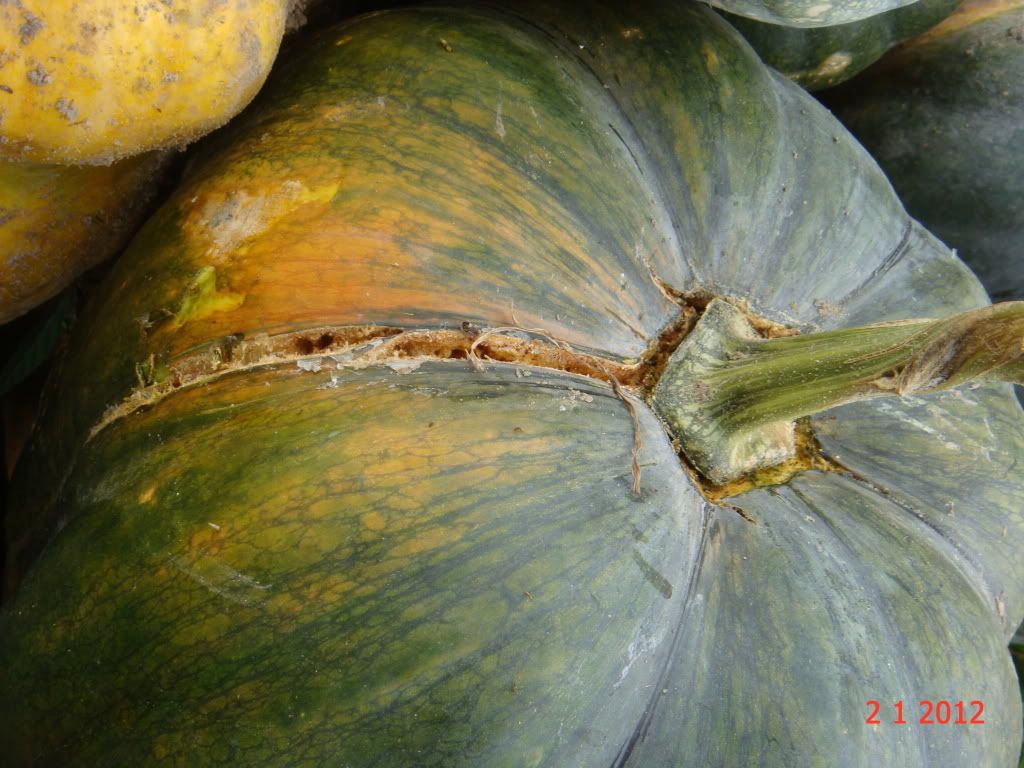
What's wrong with my pumpkin? Too much water?
user posted image
This fruit weights 13kg.

Update on pumpkins.
1) Planting on raised bed is definitely (Irrigated on & off, on dry days) better than flat ground / slope (rain fed).
Fruits sizes 6 to 13.5 kg Vs 0.8 to 5 kg.

Personally, I prefer fruit size of 5 ~ 8 kg as I think it's more marketable. Also it spread out the risk.
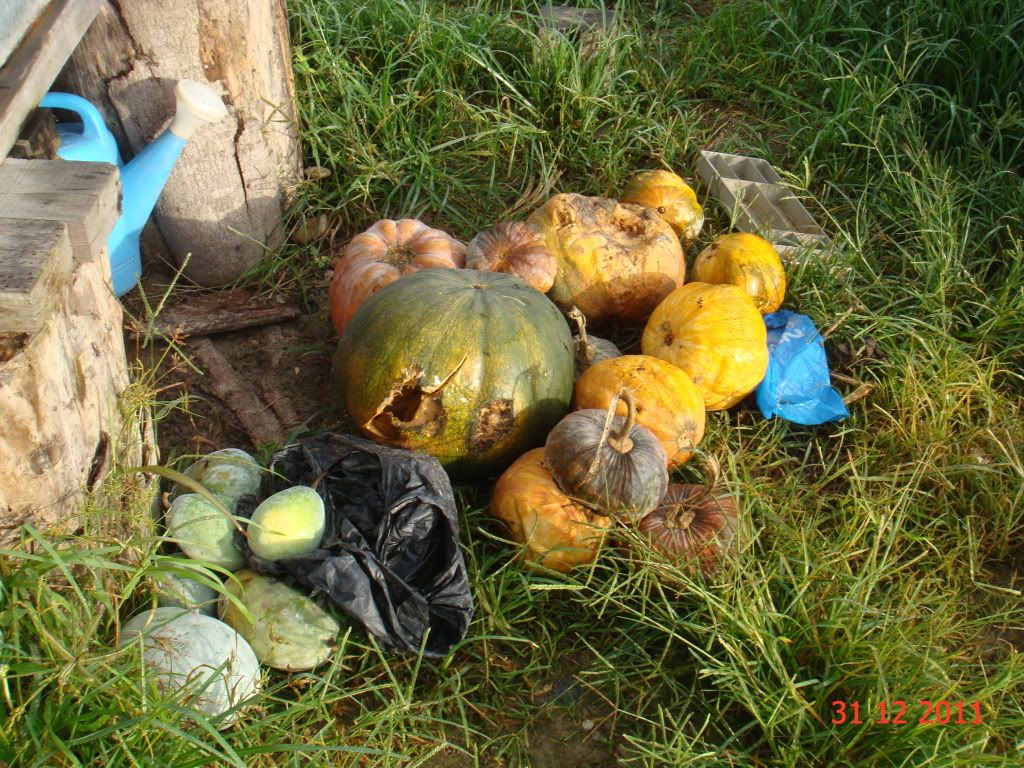
Our bad fruits
user posted image
*
Yup, too much drastic changes in weather, i.e. long drought then suddenly rainy season, or vice versa.

Some of your fruits got eaten by shrews lei. But nonetheless, nice yield!!


Added on January 9, 2012, 9:39 pmPara:

Haaa... Was involved with company strategy planning. And then had to design the whole BioEconomy projects and new EPPs frameworks. Might be adding a couple new NKEAs. So basically, my whole of December was taken up doing these things lor. Following week start PEMANDU lab de.

This post has been edited by Michael J.: Jan 9 2012, 09:39 PM
M_century
post Jan 10 2012, 02:19 AM

Getting Started
**
Junior Member
114 posts

Joined: Dec 2011
Just 4 days, and there's already so much update.

The land clearing work will start after CNY holidays.

I'll post photo when the construction starts after clearing works.

MrFarmer, you are more than welcome to visit my farm, and also all the bros here are all welcome. Good to do sharing of knowledge and experience so everyone can improve. So far I only have the theories.
Kg Teratai
post Jan 10 2012, 03:58 PM

Getting Started
**
Junior Member
85 posts

Joined: Jan 2012
QUOTE(ParaOpticaL @ Jan 9 2012, 09:32 PM)
Bro it's great to see you back in action. wondered where you went these few days...haha

What did i tell you guys about the Resident Oil Palm Expert...lolx biggrin.gif

» Click to show Spoiler - click again to hide... «

*
Yes. He has provided a lot of information, which I can use to tackle the issues in my farm. How is your durian planting? good progress?


Added on January 10, 2012, 4:36 pm
QUOTE(ikiey @ Jan 9 2012, 08:07 PM)


Actually bro, because last time some of the trees at my dad's kebun also got those holes, n then my father instruct his worker to put this one chemical there, n the week after that, can see the 'kumbang tanduk' died and kering already at the tree... (we go to the farm once a week, cuz we staying in shah alam, the farm in langkap, perak

N about that twisting leaves, that one also some of the trees at our farm have that symptom also... But ours is still young, around 2 years old only, n i think was really caused by the spraying round earlier...
*
Hi Ikiey

I am sure I will need to have cypermethrin to kill those rhinoceros beetles.

Hi MJ Joel,

I will check if the "crinkled-leaf" show the light-white colored stripes. I will update this during Chinese New Year. If it is confirmed deficiency of boron, I will add this to my fertilizer application plan.

You will be more stunt if I have the photo before the weed control was put in last year Nov. I will call it jungle. Most of the trees are 6-7 feet, I have some are 4 feet tall. Talking about this, I believe I need to perform a count on number of tree. I also don’t have the statistic for fertilizer application. I will share my future fertilizer application plan, if it is useful; I believe others can use the plan accordingly. Of course rock salt (NaCl), or magnesium salt (MgCl) will be in my plan.

I will revisit the hermaphrodite bunch issue again. I am not sure how serious it is now. I will update after 4th Feb.

I believe my farm has never applied insecticides since the oil palm trees are planted. 2 sides of the farm are mature oil palm trees. The other 2 sides are rubber trees and fruit trees. You have a very shape eye; I also feel that my palms have very acute frond angles.

MJ, I have few questions I will like to clarify with you. Then it can be put into my action plan.

1. If I apply cypermethrin to all trees, will it affect the pollinating weevils?
2. How can I improve the pollination?
3. Is it ok to replant young trees to existing 7 years old trees? Others mention that those young tree will not really yields. What is your opinion?


Action plan for oil palm farm.

1. Check the tree if it is suffered from boron deficiency – during Chinese New Year.
2. Apply cypermethrin to settle the rhinoceros beetles - After Chinese New Year.
3. Fertilizer application - I will update the plan later on.

Action plan for durian farm.
1. Cover young durian trees with rubber bag, make a hole on top to allow the tree to grow. – during CNY.
2. Rogor or Rigour for termites – after CNY.
3. weed control
4. Fertilizer application (old trees and young trees) – no ideas yet.

» Click to show Spoiler - click again to hide... «
Michael J.
post Jan 10 2012, 08:02 PM

On my way
****
Senior Member
596 posts

Joined: Jan 2006


Kg_teratai:

To answer your questions-
1. Yes, it does affect them. But if the population is strong enough, you shouldn't face too much trouble. Given your situation, I would rather suggest you do specific spraying for palms instead of broadcast spraying. Do a census, and then proceed with spraying. It is more effective, and cost saving.

2. To improve pollination, there isn't an easy solution other than importing in more weevils from other mature estates. Now that you've mentioned about the surrounding plantings, I can say that the poor fruit set is largely due to insufficient pollen. Your palms are relatively young, so female bunches would tend to be higher. But without sufficient male flowers, there simply won't be enough to go around. You might need to "buy" male flowers from mature plantations, or collect them if you know the owners well enough. Look for freshly opened ones, collect them in a large clean fertilizer bag, and whack the pollen off. Then fill the pollen into a puffer bottle, and gently puff all around your blooming female flowers. This is time consuming, and might be costly, but if you want bigger bunches and better income, have to do this lor. Normally, the palms would stablelize once reaching 10 years old.

Alternatively, you could severely prune every 11th palm in a planting row. This stress will cause the palms to produce mostly male flowers the next year. This is cheaper, but it will cost you nearly all the bunches that palm could produce in the next year. This would work out to be about 30 palms for your 6 acres, or about 6 tons of crop. That's like RM3,300 ringgit? But if this could improve your yield of the remaining palms by just 20%, you'd be seeing a jump from 18kg bunches to 22kg bunches, or RM11,000++ in extra revenue.

3. In the company I worked for, we do supply planting (i.e. replacement of dead palms) up until the original stands are 10 years old. You have to bear in mind, if taken care well, the palms will yield for at least another 12 years or more. If you don't plant, you get nothing; if you plant, at least you can earn something, and make back the cost of supply planting in addition to profits. Just make sure the young palms get additional fertilizer compared to the older stands, and it should be fine. ps: Our cost analysis indicated that if we supply-planted up to age 10, we can still maximise our profits. The scenario might be a little different for various places, but generally should be applicable.
MrFarmer
post Jan 11 2012, 07:15 PM

Casual
***
Junior Member
478 posts

Joined: Mar 2011
From: Sabah


QUOTE(Michael J. @ Jan 9 2012, 09:37 PM)
Yup, too much drastic changes in weather, i.e. long drought then suddenly rainy season, or vice versa.

Some of your fruits got eaten by shrews lei. But nonetheless, nice yield!!

Thanks Michael.
All along I though it was rodent. Did a Wikipedia on shrew, and they are not rodent. More linked to mole. Anyway those areas that have heavy weeds have this problem. We are clearing off the weeds just as it starts to flower. Harvest fruits as soon as it's mature enough and not wait for it to be fully ripe on field. Hope to reduce this "lost".
This batch is the highest yield to date. It's the batch we we tried on the raised bed. It's about a quarter of an acre, divided into 2 beds. We managed about 1.4 tons. Am waiting for a few more fruits, then shall organize replanting. Am also testing on "ridge" and "hills". Would also like to try Labu Putih (winter melon/gourd) on a fence/ raise structure, but am worry about the secondary roots not able to get nutrient from the soil.


Added on January 11, 2012, 7:23 pm
QUOTE(M_century @ Jan 10 2012, 02:19 AM)
Just 4 days, and there's already so much update.

The land clearing work will start after CNY holidays.

I'll post photo when the construction starts after clearing works.

MrFarmer, you are more than welcome to visit my farm, and also all the bros here are all welcome. Good to do sharing of knowledge and experience so everyone can improve. So far I only have the theories.
*
Oh yes, we can go for tea close to CNY. I do have just a little experience in land clearing. Say, maybe I' try to get others to meet up, Yam Cha and talk Agri.

Para? Michael? got free time? My treat.
Anyone interested?

This post has been edited by MrFarmer: Jan 11 2012, 07:23 PM
TSParaOpticaL
post Jan 11 2012, 10:23 PM

Planter - Durian, Jackfruit, Papaya
*******
Senior Member
2,348 posts

Joined: Dec 2004
From: Ch3r@s


well CNY should be ok.

where would we be meeting ?


QUOTE(MrFarmer @ Jan 11 2012, 07:15 PM)


Added on January 11, 2012, 7:23 pm
Oh yes, we can go for tea close to CNY. I do have just a little experience in land clearing. Say, maybe I' try to get others to meet up, Yam Cha and talk Agri.

Para? Michael? got free time? My treat.
Anyone interested?
*
Michael J.
post Jan 12 2012, 08:21 AM

On my way
****
Senior Member
596 posts

Joined: Jan 2006


QUOTE(MrFarmer @ Jan 11 2012, 07:15 PM)
Thanks Michael.
All along I though it was rodent. Did a Wikipedia on shrew, and they are not rodent. More linked to mole. Anyway those areas that have heavy weeds have this problem. We are clearing off the weeds just as it starts to flower. Harvest fruits as soon as it's mature enough and not wait for it to be fully ripe on field. Hope to reduce this "lost".
This batch is the highest yield to date. It's the batch we we tried on the raised bed. It's about a quarter of an acre, divided into 2 beds. We managed about 1.4 tons. Am waiting for a few more fruits, then shall organize replanting. Am also testing on "ridge" and "hills". Would also like to try Labu Putih (winter melon/gourd) on a fence/ raise structure, but am worry about the secondary roots not able to get nutrient from the soil.


Added on January 11, 2012, 7:23 pm
Oh yes, we can go for tea close to CNY. I do have just a little experience in land clearing. Say, maybe I' try to get others to meet up, Yam Cha and talk Agri.

Para? Michael? got free time? My treat.
Anyone interested?
*
Mr Farmer:

If you are concerned, then just try one row first. Growing on fence or trellis works if you don't have watering problems, but if you are face with water issues, then just let it creep.

Yam cha during CNY week is a no-go for me, I'm afraid. Unless you guys would happen to be in Penang or Wesley area lar.
Kg Teratai
post Jan 12 2012, 04:15 PM

Getting Started
**
Junior Member
85 posts

Joined: Jan 2012
» Click to show Spoiler - click again to hide... «


Hi MJ Joel,

How can I address you more properly? I am not sure if I address you properly. My apology if I call you the wrong name.

It is regard to the Pokok Jantan that I mention in my previous post. Those trees are only produce male flowers and never produce bunch before. It should have enough male flowers for pollination. There are about 20 of them, it is still there. I have only burned down 4 of them. I will examine the trees again. I will try to use the puffer bottle way for those 4 feet trees. Let the worker to be busy. I believe it will be better to import more weevils in the long run. This will happen after I selectively apply the cypermethrin.

Regard the prune 11st tree, how to prune the 11st tree? Is it prune all the leaf?

My oil palm farm is only up to 5 acres and suppose have about 200-250 trees. As it has been abandoned for quite sometimes previously, there are trees died and those pokok jantan. I assumed I only have about 220 trees there. Now I definitely will replant new trees.

Here are my updated plan.

Action plan for oil palm farm.

1. Check the tree if it is suffered from boron deficiency – during Chinese New Year.
2. Apply cypermethrin to settle the rhinoceros beetles - After Chinese New Year.
3. Fertilizer application per tree- Zeolite = 4kg. 2 week later, TE = 100g and Borex = 100g.
4. Pollination matters – puffer bottle way first. Weevils later.

Action plan for durian farm.
1. Cover young durian trees with rubber bag, make a hole on top to allow the tree to grow. – during CNY.
2. Rogor or Rigour for termites – after CNY.
3. weed control
4. Fertilizer application (old trees and young trees) – no ideas yet.

QUOTE
Oh yes, we can go for tea close to CNY. I do have just a little experience in land clearing. Say, maybe I' try to get others to meet up, Yam Cha and talk Agri.
I would like to join the yam cha session if it is at KL area.


119 Pages « < 47 48 49 50 51 > » Top
 

Change to:
| Lo-Fi Version
0.0364sec    0.54    6 queries    GZIP Disabled
Time is now: 20th December 2025 - 09:09 AM