

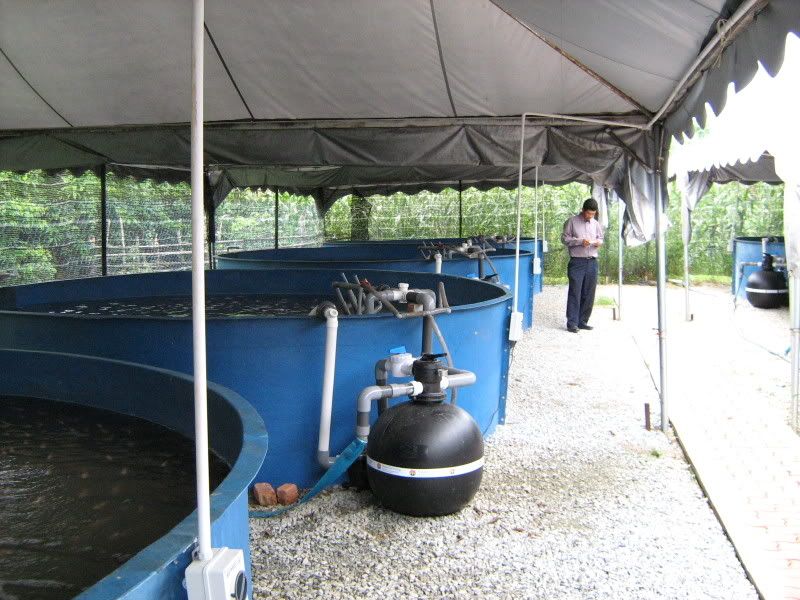
Tanks arrangement I
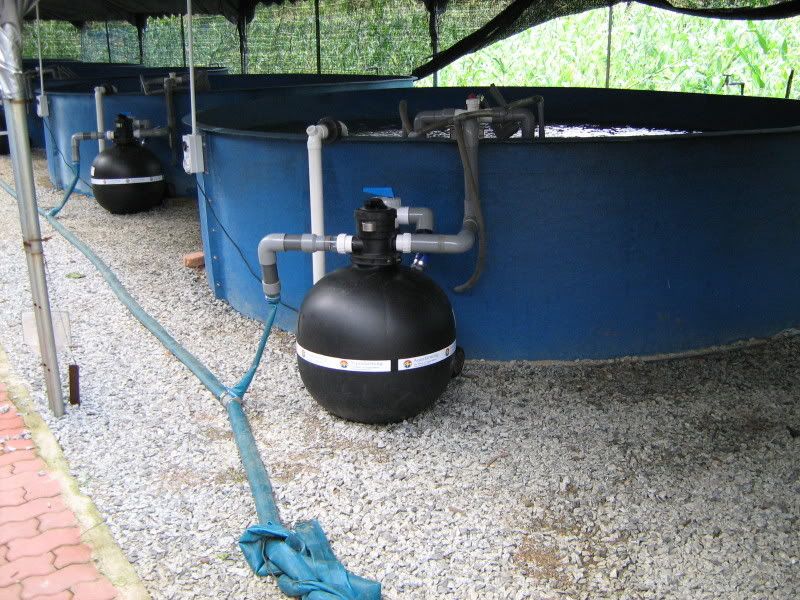
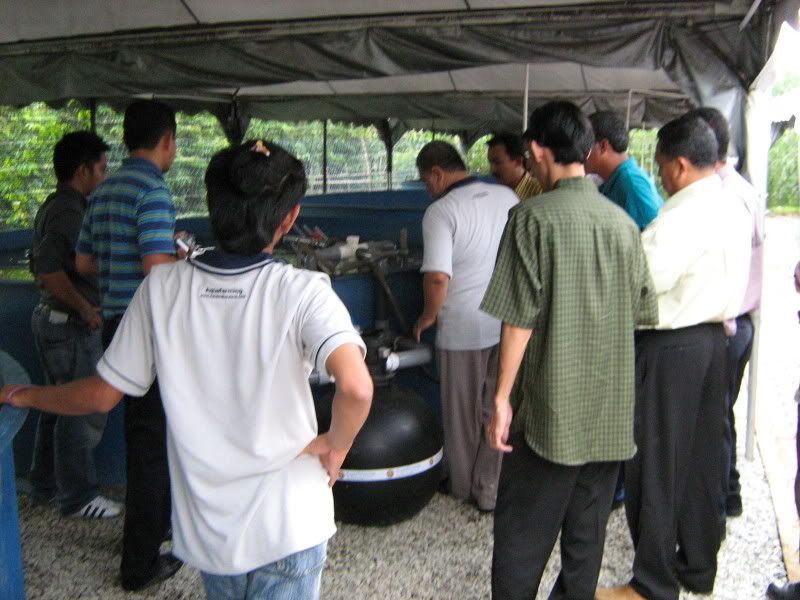
Explanation of Usage I
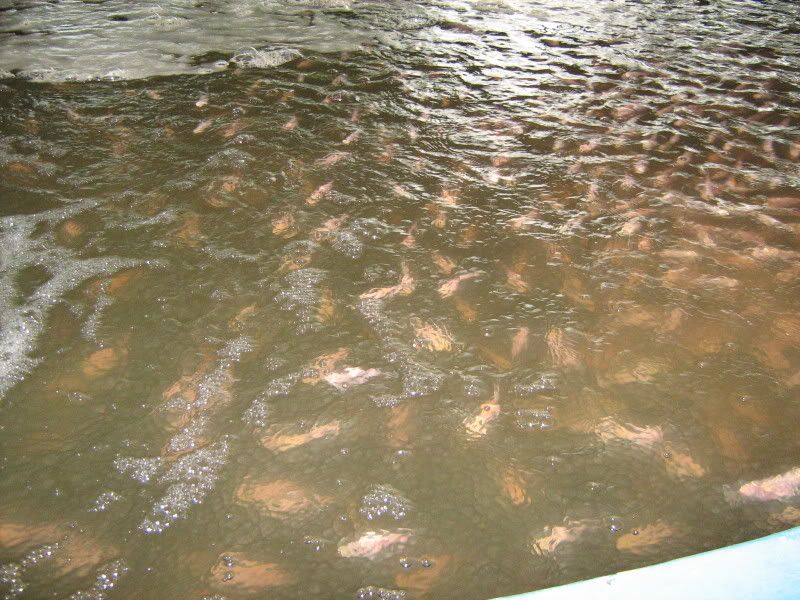
10,000 red tilapias
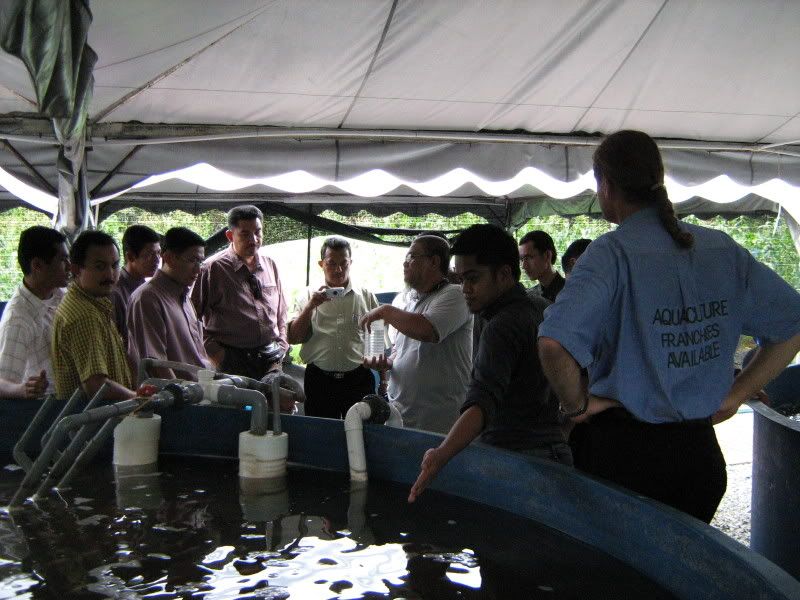
Explanation of Usage II
What's Inside
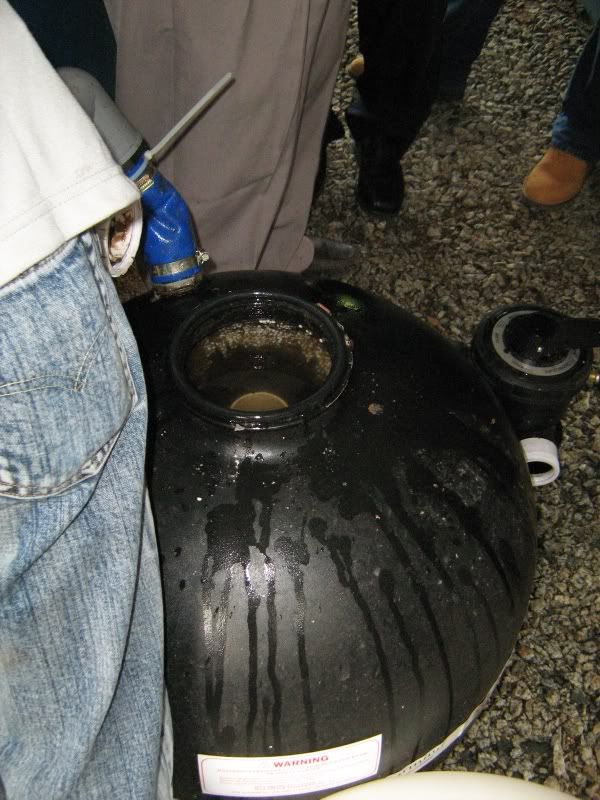
Tanks arrangement II
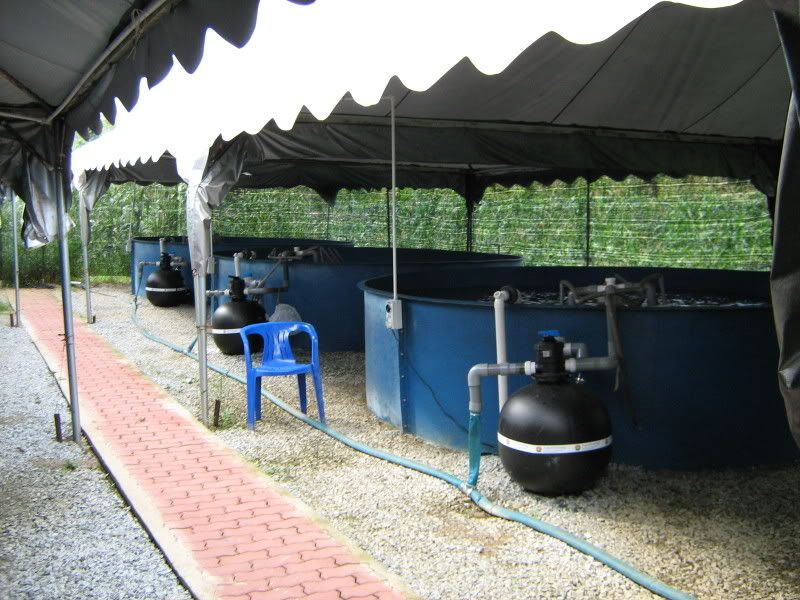
Tanks arrangement III
This post has been edited by ParaOpticaL: May 3 2007, 12:13 PM
Venturing into Agriculture & Aquaculture, Co-Ordination & Implementation is KEY
|
|
 May 3 2007, 08:54 AM May 3 2007, 08:54 AM
|
 
Senior Member
2,348 posts Joined: Dec 2004 From: Ch3r@s   
|
Just gotten back from Terengganu for training.
Tanks arrangement I Explanation of Usage I 10,000 red tilapias Explanation of Usage II What's Inside Tanks arrangement II Tanks arrangement III This post has been edited by ParaOpticaL: May 3 2007, 12:13 PM |
|
|
|
|
|
May 12 2007, 11:55 AM
|

Senior Member
4,743 posts Joined: Jan 2003 From: u noe EARTH ? wher all human being is there 
|
wrong thread...sorry
This post has been edited by milky: May 12 2007, 11:56 AM |
|
|
May 12 2007, 11:57 AM
|
|
Senior Member
2,348 posts Joined: Dec 2004 From: Ch3r@s
|
Here is one of the opportunities.
This Kuruma Prawn is a gift in the Japanese Market. It fetches around Aus $ 70 - Aus $ 120. ---------------------------------------------------- http://www2.dpi.qld.gov.au/fishweb/2695.html Kuruma prawns Penaeus japonicus Officers of the Bribie Island Aquaculture Research Centre, revised by Ross Lobegeiger, Bribie Island Aquaculture Research Centre, DPI&F. The kuruma prawn, Penaeus japonicus is a subtropical prawn native to the Indo-West Pacific and extending to the Red Sea and Africa. The northern coast of Queensland represented the southern limit of its distribution until the discovery of a small population near Mackay. The culture of the kuruma prawn in Australia has developed in response to lucrative Japanese markets. The majority of prawns are flown live to Japan. Culture environment Kuruma prawns are commonly found in the sandy bottom of the open ocean at depths of 10 - 40 metres. They are nocturnal animals burrowing in sand by day and feeding and spawning by night. Maximum growth rates are achieved in 25-35 parts per thousand (ppt) salinity. Kuruma prawns do not tolerate low salinity and a sudden drop will result in mortality. Temperatures for optimum production range between 25oC and 30oC and feeding will stop at 15oC. These temperature requirements limit production to one crop during the summer months in areas south of Mackay. Excessively high water temperatures also affect production and cause problems when harvesting. The kuruma prawn does not culture well in tropical areas. Kuruma prawns are grown in purpose built earthen ponds adjacent to good supplies of seawater. Ponds are approximately 0.8 to 1.5 hectares in size and are 1.5 to 2.0 metres deep. Ponds should have gently sloping bottoms that allow complete drainage and dry out of the pond floor. Steep pond sides (1:2 slope) will prevent benthic algal growth and minimise wading bird predation. Pond walls tend to be lined to prevent excessive soil particles eroding and settling on pond bottoms. Kuruma prawns also require that the pond floor be covered with 10-15 cm of sand to allow for their natural burrowing habit. Breeding and post larvae production Prawn larvae are produced in hatcheries from pond-reared spawners or broodstock collected from wild populations. The majority of these spawners are gonadally mature and when transferred to the hatchery will spawn in response to environmental manipulation or eyestalk ablation. Kuruma females will produce up to 0.8 million eggs per 100 gram of body weight. The eggs are hatched and then pass through a number of larval stages until the post larval (PL) stage is reached. The PLs are normally sold to the growout farms for stocking ponds when they are 15 days old (PL 15). Due to the majority of farms producing their crops over the summer period the greatest demand for PLs occurs from August to November. Growout Between harvests the pond bottoms are dried and waste and sediments from the previous crops are removed from the centre of the ponds. The sand bottom is renovated and dried and some extra sand may be added. Prior to filling the ponds are limed. The ponds are filled through screened inlets and left for 7-10 days before stocking. Kuruma PLs are generally stocked at 30 PLs per square metre with a range of 25 to 60 per m2. Organic fertilisers are used to maintain healthy algal blooms. These blooms are essential to achieving good survival and fast growth rates. Careful feeding is necessary to achieve viable production. The prawns are fed two to three times at night and feeding trays are used to more accurately monitor feed rates. The major component of kuruma artificial feed is an expensive mix of high protein fish and squid meal. The prawn diet is presented in a pellet form that is water stable and of a size suitable for the particular growth stage. Food conversion ratio (FCR) for kuruma prawns is usually around 2.5 kg of feed to produce 1 kg of prawn (FCR 2.5:1). Good water quality conditions are essential to maximise survival and growth rates. High aeration is vital to keep the sandy bottom well oxygenated and suitable for burrowing. Dissolved oxygen (DO) levels must be maintained at greater than 4 parts per million (4 ppm). Both paddle wheel and propeller aspirators are used. Ammonia levels of 0.2 milligrams per litre will affect growth and are lethal at 1.5 mg per litre. Avoiding overstocking and excessive feeding can control ammonia levels. Kuruma prawns appear to tolerate a range of turbidity levels. As a stable water regime is vital, measurement of all water parameters should occur regularly. Within 6 months the prawns reach marketable size and with good survival (greater than 80%) production of 3 to 4 tonnes per hectare can be achieved. Harvesting Harvesting normally starts in March - April and continues through to July - August. The crop is normally partially harvested by using traps or wing nets set at night when the prawns are active. The traps are baited and the larger prawns are trapped inside while the smaller prawns escape. The wing nets channel the swimming prawns into a tunnel and then into a box net. The prawns are slowly cooled in two stages down to 12oC to 14oC before packing. The graded prawns are then packed in cool, moist wood shavings or sawdust in 1 kg packs. These packs are then placed in insulated boxes, which maintain the 12oC to 14oC range, and flown to Japan. Survival rates of 95% can be achieved using this technique. |
|
|
May 15 2007, 02:06 PM
|

Senior Member
3,590 posts Joined: Apr 2006 From: nowhere
|
Here is how you grow a mushroom.
Basically it involved: - prepare growing medium, a jelly-like nutrient for mushroom. - prepare mushroom parts, basically you can buy fresh mushroom from hypermarket. - getting a pure mushroom mycelium, aka mushroom cells, you dont want any other things mixed inside. - create mushroom spawn using the pure mycelium, thats basically is to create more mycelium with your available stock. - plant your mycelium and wait it grow into a mushroom! - prepare tempura flour and vegetable oil for frying. - fry your mushroom - eat your mushroom - and hopefully you dont get sick  Added on May 17, 2007, 8:53 amNow, according to the notes, I made the growing medium using the recipe provided: boiled potato water + glucose + agar-agar(jelly), and let them coat inside a glass, refer the notes above for how to sterilize the glass + medium, and then I extracted some clean oyster mushroom tissue, it must be absolutely clean so the following steps must be taken: - find a room with still air and minimal dust, I choose bath room, spray the room with water and hopefully get the dust particles in air will go away with water. - and i need a clean surface, i used a piece of window glass, slightly heat it on top of the stove to kill all bacteria on it. - all equipments: a nail sissors, a clip(the one they used to clean bird nest) are all sterilized by stove as well, not a single spore or bacteria are allowed or you will skrew the whole thing. - okay, prepare the mushroom, tear it and use the sissor to cut a piece of the middle part of mushroom tissue, and place it on top of the prepared growing medium in glass. - immediately cover the top of glass with aluminium foil, then use a lighter to burn the side of the cover for precaution. - then place the glasses with mushroom tissue in a dark cool place and wait. I prepared 4 glasses at my first try, something are happening there anyhow this is what i got. - glass 1 filled with cotton-like white tiny fibre, i think they are pure oyster mushroom mycelium(success) - glass 2 filled with cotton-like white fibre too, but less then glass 1, I think this means this breed is not as vigorous as glass 1. - glass 3 filled with cotton-like white fibre BUT some green stuff are occuring too, i guess this means it is containminated, it can be thrown away now, anyhow i am keeping it for fun. - glass 4 is containminated with brownish stuff. Thats a 50% containmination rate, perhaps that means bathroom is not clean enough to do experiment like this. I will be start to breed the mushroom spawn(using rice) soon, spawn can then be used to plant into sawdust and then fruit mushroom. Need to start sterilize the stuff soon. Will take some snapshot if possible. Cheers. QnA welcomed. Read notes first before asking your lecturer  This post has been edited by rexis: May 17 2007, 08:53 AM |
|
|
May 21 2007, 07:56 AM
|
|
Senior Member
2,348 posts Joined: Dec 2004 From: Ch3r@s
|
thank you for your time to give us this recipe...hehe
------------------------------ Agro sector a goldmine worth RM6b, says PM from NST KUALA BERANG: High-impact projects in agriculture can generate about RM6.3 billion in revenue for the country by 2010, according to government estimates. "Agriculture is business. High-impact projects in this sector will not only provide jobs and create new sources of wealth for the people but also revenue for the country," Prime Minister Datuk Seri Abdullah Ahmad Badawi said yesterday. He said the government had identified 61 areas covering 36,905 hectares where 39 high-impact projects in the agriculture sector could be created by 2010. "These projects will benefit more than 22,000 participants, including graduates, fishermen and the hardcore poor," he said after visiting the country's largest aquaculture project at Sungai Como in Tasik Kenyir. The project covers 2,800ha and 240 participants, who will manage 6,000 fish cages. The government has allocated RM50 million for its development. Project participants only have to worry about raising the fish, mainly red tilapia, while marketing has been assigned to a private firm. This arrangement will ensure the long-term viability of the project. Abdullah said the commercial production of high-value freshwater fish in the Sungai Como project would provide sustainable income for the participants. The involvement of a range of people, especially graduates who were serious about agriculture, could spearhead the transformation of the sector, particularly in the fisheries sub-sector, he said. He said graduates could help prove sceptics wrong, especially those in the rural areas. "The agriculture sector is a goldmine for those willing to follow good agricultural practice. Graduates could also play an important role by taking the lead in agro-based industries. "We are also hoping that the private sector will exploit the potential in aquaculture." For Terengganu, he said, the launching of the high-impact project at Sungai Como notched another success for the Barisan Nasional government in its efforts to create wealth for the people, especially fishermen. Abdullah singled out fishermen as the target group as they were often associated with poverty. "By participating in aquaculture, they will be able to earn a steady income all year round." Earlier, at the launch of the Aquaculture Industrial Zone at Sekolah Kebangsaan Tapah, Abdullah urged the private sector to promote agricultural exports. The government has targeted the production of 662,000 tonnes of marine fish, freshwater fish and seaweed by 2010. Currently, the output was only 250,000 tonnes. Abdullah said he also wanted to see small-scale farmers progress from production to marketing and to diversify into other agricultural sub-sectors. "Their success will open the eyes of the people who will see the wealth of opportunities in this sector." Abdullah also directed federal government agencies and the Johor government to ensure only genuine flood victims receive assistance. "There are those who are opportunistic and pretend to be victims of the flood. They (agencies) must be careful to ensure only the genuine victims receive assistance. "What is more important is that those who have been identified must be given the assistance immediately. Don't wait," he said. The prime minister was responding to a question on the grouses by some flood victims who complained that financial assistance was slow and hampered by bureaucratic red tape. Some of them had claimed that some agencies had requested that victims surrender their water and electricity bills to prove that they were actually flood victims. Abdullah said the quantum of financial aid to the victims was approved by the state government with co-operation from federal agencies. |
|
|
May 21 2007, 07:59 AM
|
|
Senior Member
2,348 posts Joined: Dec 2004 From: Ch3r@s
|
A TV Programme for Agri + Aqua Entrepreneur
---------------------------------------------- Planting the seeds for agriculture from NST KUALA LUMPUR: Catch the debut of Seeds, a hip programme on agriculture for youth and budding entrepreneurs, over ntv7 on Sunday. The 30-minute programme at 5pm takes a fresh look at the sector, highlighting the upbeat side of the industry and showcasing how lucrative it can be. The 13 episodes are being brought to viewers by CIMB Group with co-sponsorship by Sime Darby Bhd. CIMB Group chief executive officer Datuk Nazir Razak said Seeds was expected to inspire youths to participate actively in agri-businesses. "We want to create awareness of the potential of agriculture as an industry as well as develop a positive image of the sector," he said at the launch of the programme here yesterday. Through Seeds, budding agropreneurs can get tips on various aspects of agricultural-based business, including research and development, innovation, branding, marketing, human capital and even funding. The programme will also feature the success stories of agropreneurs including customers of CIMB Bank and Commerce-Ventures, the venture capital arm of CIMB Group. Sime Darby chief executive officer Datuk Ahmad Zubir Murshid said not much had been said about the industry so far. "In Europe, farmers are rich but here people think that farmers are poor. We need to encourage more people to be interested in agriculture," he said. The show was conceptualised, designed and produced by AcaraKita Sdn Bhd, a communications company. Its communications director Siti Hajjar Abd Kader said many young businessmen had made millions in agriculture over the years. "Seeds will take viewers to these success stories, giving them the opportunity to see how it was done. One can even pick up tips from them," she said. The programme will be hosted by Nazrudin Rahman, more popularly known as Naz, of ntv7's Breakfast Show. "Even the Prime Minister Datuk Seri Abdullah Ahmad Badawi, who is featured in episode one of Seeds, is very excited about the show. We had the opportunity to see how our leader, who is passionate about agriculture, tends to his secret fruit garden," Siti Hajjar said. "The show will also feature guest hosts including Malaysia's number one singer, Datuk Siti Nurhaliza Taruddin, Celena Khor of 3R, Juliana Ibrahim and Lydia Ibtisan of Puteri Impian." This post has been edited by ParaOpticaL: May 25 2007, 12:37 PM |
|
|
|
|
|
May 25 2007, 12:38 PM
|
|
Senior Member
2,348 posts Joined: Dec 2004 From: Ch3r@s
|
2007/05/21
Reaping a bounty from red tilapia http://www.nst.com.my/Current_News/NST/Mon...1080639/Article TASIK KENYIR: Four months ago, Mohd Izuddin Mohd Rozali left his computer networking business for a new challenge. And now, the 26-year-old may have found his niche. Izuddin manages an aquaculture project at Sungai Como. It yielded its first harvest of red tilapia on Saturday. Nearly a tonne of tilapia, weighing between 500 and 750g each, were fished from their holding pens and sold at the price of RM5 per kilogramme. The fish were for markets in Kuala Lumpur and Johor, for processing into fillet. "This is only the beginning. I am now managing 200 fish cages, but by the end of this year, the number will be increased to 1,000 cages. There will be more work and I will face a bigger challenge. "And, I am happy that leaving what was a comfortable job is paying off. The income is good." His degree and skills from his old job, however, have made managing the project easier. The project has also proven that the Aquaculture Industry Zone, covering 2,800ha at Sungai Como, could not have been better situated. The clean water has enabled Izuddin to raise premium quality fish. The success of the project has attracted attention from the private sector and importers. State Fisheries Department director Munir Mohd Nawi praised Izuddin's commitment and said unemployed graduates should emulate it. "We have a big area for this industry. Even participants - 11 groups, each comprising 10 members - in the aquaculture programme for the hardcore poor are doing good business. "Their programme started much earlier and they are now selling about one tonne of red tilapia a month to buyers in the local market." He said the department was in the process of obtaining accreditation under the Aquaculture Certification Scheme, which recognises good aquaculture practices. "This is important as the recognition will enable breeders to export the red tilapia to Europe. The certification will allow buyers to identify fish coming from a premium source. "Malaysia cannot compete based on quantity, but we have the edge if we go for quality." |
|
|
May 25 2007, 03:11 PM
|
|
Senior Member
3,590 posts Joined: Apr 2006 From: nowhere
|
It is especially inspiring whenever I read about any IT guy venturing into this field, or any other field. One really should not limit themselves by a piece a paper.
Some said with a higher education cert will open up more opportunities to us, but I think this piece of paper just limiting one self. Thats what decide someone to be an accountant or analyst, that is a limitation. In the end, even if you hate accounting or programming so much, you have to bear with it. Open up yourself for greater opportunities. --------- Dont have any direction? Want to know what you will become after 5 or even 10 years? There is a fast way to get some idea about it. Just look at your boss, or any of your senior colleagues, and ask yourself, do you really want to be like them? Find an inspiration, and follow their path. At least you know what you want and what you need to do. |
|
|
May 25 2007, 07:35 PM
|
|
Senior Member
2,348 posts Joined: Dec 2004 From: Ch3r@s
|
QUOTE(rexis @ May 25 2007, 03:11 PM) It is especially inspiring whenever I read about any IT guy venturing into this field, or any other field. One really should not limit themselves by a piece a paper. hey brother... i am an Accounting guy turning to Aquaculture...Some said with a higher education cert will open up more opportunities to us, but I think this piece of paper just limiting one self. Thats what decide someone to be an accountant or analyst, that is a limitation. In the end, even if you hate accounting or programming so much, you have to bear with it. Open up yourself for greater opportunities. --------- Dont have any direction? Want to know what you will become after 5 or even 10 years? There is a fast way to get some idea about it. Just look at your boss, or any of your senior colleagues, and ask yourself, do you really want to be like them? Find an inspiration, and follow their path. At least you know what you want and what you need to do.  so i think both fields also are very big opportunities. 5 yrs down the road i plan to make at least RM 1,000,000.00 which i sincerely think its achievable. |
|
|
May 29 2007, 09:12 AM
|
|
Senior Member
2,348 posts Joined: Dec 2004 From: Ch3r@s
|
Medicinal herbs in your garden By : Nisha Sabanayagam 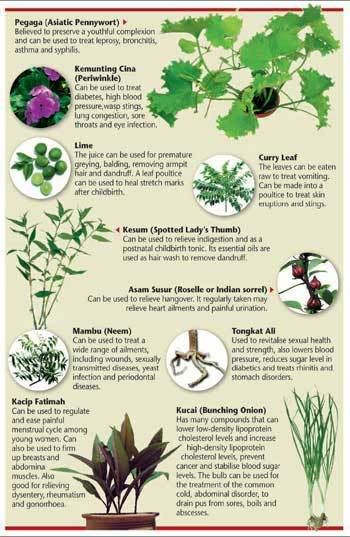 KUALA LUMPUR: The next time you accidentally step on a weed in your garden, take a closer look. It might be one of those commonly overlooked wild plants that have medicinal properties. A good example is the bayam duri (spiny amaranth), a noxious weed that is found in just about any Malaysian garden. This coarse plant, with its sharp spines, can be used to treat internal bleeding, diarrhoea, excessive menstruation and snake bite. The bayam duri and many other Malaysian garden weeds, which can be used to treat conditions ranging from the common cold to sexually transmitted diseases, are featured in the Healing Herbs of Malaysia. This coffee table book, published by Felda, catalogues the healing properties of a hundred common plants, including many fruits and flowering species found in the country. Examples include the mild limau purut (kaffir lime), which can prevent premature greying, the common pegaga (asiatic pennywort) which helps to preserve a youthful complexion and the innocuous asam gelugur (garcinia) which may assist in weigh loss. Author Dr Wan Hassan Wan Enbong lamented the fact that only 50 local plant species were being used in the country's herbal industry and even fewer were being scientifically evaluated for their medicinal properties. This is a real waste because Malaysia has over 2,000 native species that have been reported to have herbal or medicinal properties, said Wan Hassan, a specialist in tropical agriculture, food science and technology, nutrition and animal husbandry. "There is big money in the herbal business but there is also a lack of awareness," he added. Wan Hassan said the herbal medicine business was worth about RM5 billion a year in Malaysia and was growing at a rate of 15 per cent per year. "Ironically, 90 per cent of the raw materials for the industry are being imported," said Wan Hassan. Even herbs that have been commercialised, said Wan Hassan, were not being exploited efficiently. For example, he added, kacip fatimah and tongkat ali could be used to treat a variety of ailments but they have mostly been promoted as sex-enhancing herbs. For example, he said, he used to suffer from chronic rhinitis and always had a handkerchief to his nose. "But after I took tongkat ali, my ailment improved within a month," he said. He said part of the reason the book was published was to create interest among students and scientists to study local herbs because the industry was virtually untapped. "It could bring so much riches to the country if properly cultivated," he said. It took Wan Hassan and his photographer partner Mus-taffa Mahmood about 11 months to complete the book. He said the idea for the book was mooted by Felda. "The text is simple and interesting. I tried to think of everything in layman's terms," he added. Mustaffa's photography work has adorned, in full or part, more than 30 coffee table books of various titles. The book is available through mail order at RM290 per copy. Enquiries may be directed to Wan Hassan at 012-3769020. |
|
|
May 29 2007, 01:41 PM
|
|
Senior Member
3,590 posts Joined: Apr 2006 From: nowhere
|
Malaysia is a tropical country, a lot of unique flora and fauna can be found here, and a significant number of them has medical use. If this can be done properly, herbs can become malaysia 2nd oil palm.
There is a saying that a weed is a plant that its use has yet to be discovered. But saying is saying, doing is another thing, we need the proper department to do scientific research on this, prove the usage properly, not just some user testimonia. That is the important step to put us on a bigger screen. And so we require: - research - which one is useful, or what recipe can be made into drink - production method - how to farm them commercially - processing method - ways to preserve its properties - marketing - steps to create the demand QUOTE(ParaOpticaL @ May 25 2007, 07:35 PM) hey brother... i am an Accounting guy turning to Aquaculture... so i think both fields also are very big opportunities. 5 yrs down the road i plan to make at least RM 1,000,000.00 which i sincerely think its achievable.  Thats the way I would want to go. Thats the way I would want to go.And nothing could stop you to earn more after you earn your first fish million. And hope you can write this down big enough for you to see it once everyday, and read it out loud every morning. This post has been edited by rexis: May 29 2007, 02:00 PM |
|
|
May 29 2007, 11:11 PM
|

Junior Member
21 posts Joined: May 2007
|
Newbie - to Lowyat as well as to Aquaculture.
Have always been wanting to find out more about Aquaculture, and thought this thread was the best thus far. Have been looking at MalaysiaLand for some time already, STAC as well. In fact, today (29th May) Star Paper, someone wanted to sell his aquaculture business in Semenyih. Check biz for sale. I'm interested in the next meeting/get together. Always believe people with same ideas should rub shoulders together. Let me know. cheers. |
|
|
May 30 2007, 11:35 AM
|

Senior Member
541 posts Joined: Sep 2004
|
QUOTE(cplng @ May 29 2007, 11:11 PM) Newbie - to Lowyat as well as to Aquaculture. Hi,Have always been wanting to find out more about Aquaculture, and thought this thread was the best thus far. Have been looking at MalaysiaLand for some time already, STAC as well. In fact, today (29th May) Star Paper, someone wanted to sell his aquaculture business in Semenyih. Check biz for sale. I'm interested in the next meeting/get together. Always believe people with same ideas should rub shoulders together. Let me know. cheers. Not sure about the semenyih one but my friend (someone dealing with antibiotics for fishes and prawns) told me that have to becareful when buying ponds for prawn farming. Some areas are infected with disease. |
|
|
|
|
|
May 30 2007, 01:02 PM
|
|
Senior Member
2,348 posts Joined: Dec 2004 From: Ch3r@s
|
QUOTE(cplng @ May 29 2007, 11:11 PM) Newbie - to Lowyat as well as to Aquaculture. hi cplng,Have always been wanting to find out more about Aquaculture, and thought this thread was the best thus far. Have been looking at MalaysiaLand for some time already, STAC as well. In fact, today (29th May) Star Paper, someone wanted to sell his aquaculture business in Semenyih. Check biz for sale. I'm interested in the next meeting/get together. Always believe people with same ideas should rub shoulders together. Let me know. cheers. thank you and hope you enjoyed the thread thus far. about the biz for sale i have been there. am not sure about his REAL intention to sell the ponds. but his ponds are BEHIND Nirvana Memorial Park selling around RM 120k+ if not mistaken. QUOTE(cktwai @ May 30 2007, 11:35 AM) Hi, very true. if you suspect someone selling very cheap and way below market must be careful.Not sure about the semenyih one but my friend (someone dealing with antibiotics for fishes and prawns) told me that have to becareful when buying ponds for prawn farming. Some areas are infected with disease. if really buy also dont worry. just drain all the water and let it under the sun and kill the bacteria and disinfect it then should be ok. -------------------------- i am putting my 1st batch of fishes in tentatively on the 11th June 2007 |
|
|
May 30 2007, 04:43 PM
|
|
Senior Member
3,590 posts Joined: Apr 2006 From: nowhere
|
QUOTE(ParaOpticaL @ May 30 2007, 01:02 PM) about the biz for sale i have been there. am not sure about his REAL intention to sell the ponds. but his ponds are BEHIND Nirvana Memorial Park Not only applicable to pond, but to land or any property as well. Who knows the cheap land you bought actually was a JE pig burial ground...selling around RM 120k+ if not mistaken. very true. if you suspect someone selling very cheap and way below market must be careful. if really buy also dont worry. just drain all the water and let it under the sun and kill the bacteria and disinfect it then should be ok. -------------------------- i am putting my 1st batch of fishes in tentatively on the 11th June 2007 If bought a non suitable pond(or land) for your prawns also nevermind, just find another suitable product, talapia? Or even use it to plant lotus(lotus has market). Remember, be flexible a bit. First batch of what fish? You finally decided to breed sook hock? |
|
|
May 31 2007, 09:19 AM
|

Junior Member
311 posts Joined: Mar 2007
|
wow sock hock is a big market man. send up to genting gotong jaya. very good market over there.
|
|
|
May 31 2007, 09:35 AM
|

Junior Member
105 posts Joined: Jul 2005
|
QUOTE(AsiaPartTime @ May 31 2007, 09:19 AM) wow sock hock is a big market man. send up to genting gotong jaya. very good market over there. hi guys.great action paraoptical.. u really make it real.  |
|
|
May 31 2007, 02:53 PM
|
|
Senior Member
2,348 posts Joined: Dec 2004 From: Ch3r@s
|
QUOTE(rexis @ May 30 2007, 04:43 PM) Not only applicable to pond, but to land or any property as well. Who knows the cheap land you bought actually was a JE pig burial ground... yes your thinking is very true. we as human must be flexible in our ventures no matter what.If bought a non suitable pond(or land) for your prawns also nevermind, just find another suitable product, talapia? Or even use it to plant lotus(lotus has market). Remember, be flexible a bit. First batch of what fish? You finally decided to breed sook hock? i have 6 tanks but i start with 4 tanks 1st. a) Soon Hock b) Patin c) Baung d) Tilapia QUOTE(AsiaPartTime @ May 31 2007, 09:19 AM) wow sock hock is a big market man. send up to genting gotong jaya. very good market over there. wah...Genting GohTong Jaya big market ar ? hmm i must try to market there.  hehe thanks QUOTE(naim_mahmood @ May 31 2007, 09:35 AM) hi guys. thank you. hope it will work out. great action paraoptical.. u really make it real. |
|
|
Jun 13 2007, 08:53 AM
|
|
Senior Member
3,590 posts Joined: Apr 2006 From: nowhere
|
Jatropha: The Biodiesel Tree Rush
Most of you must have heard about Malaysia's plan to add 5% palm oil into diesel to cut down fossil fuel, doesn't matter whats the intension is(environment or profit), this has no doubt created a whirlpool of biofuel rush in Malaysia. And then the plans to make palm oil biodiesel and export them to Europe, however this has been set back by several factor: - palm oil price sky rocketed from RM1600 to RM2500 per MT, making it meaningless to make a biodiesel that is so much more expensive then regular diesel - Europian countries starting to boycott palm oil, they think that we kill off orang hutan, rain forest and unlocking carbon deposite of peat lands(means air pollution and global warming), so palm oil is not green at all. So, until not so long ago, the agriworld magazine has posted a few articles about this plant, Jatropha. I believe that there are a few other source that was talking about this wonderful miracle biodiesel tree. This has catch attension on the agricultural community. Everybody will be interested to grab a piece from this biofuel pie, people are interested to know or even starting to plant Jatropha at their farm. Indian has done so much promotion about this plant, that they will use its oil producing seed to replace part of their fossil fuel demand and protect the environment. Jatropha profile: - It is a drought resistance tree that can trive on almost any kind of soil, including rocky soil. The plant can widthstand up to 3 years of drought by shreding all its leaves. - Jatropha seeds has oil content of 35%-50% which can be used to produce Jatropha oil, but due to that the oil is poisonious and non eatable, it is very suitable in making biodiesel, and no moral issue about food or fuel matter. - Jatropha can be productive for up to 50 years. - Jatropha can improve the soil quality by covering the barren land with fallen leaves and therefore create a layer of compost. Jatropha advantages as promoted: - Since it grows anywhere, it required little care, you can plant them on desert and some years later turning the place into a secondary forest + oil production. - It is said that it can produce up to 1800 liters of oil per ha per year. - It can improve soil condition, therefore suitable to plant on lands that unsuitable to other crops, like acidic soil, prevent corrosion, and all those environmental improvement benefits. You can get more information over the internet, but such a benefitial plant, which almost perfect as a primary oil crop, will certainly welcomed by those so called "environmental concerned" european countries. But some people are not getting the point here, by rushing into planting the plant, like there were some small scale plantation already planting Jatropha in Malaysia without even understand the plant properly, will only result in failure and end up with tons of useless seeds. There are a few key factors that whoever want to plant this as a primary oil crop must know: - India is the one who considering this plant, because india has a lot of dry land that do not receive rainfall and their people not even have enough water to drink, therefore drought resistance properties will be really useful to them. But Malaysia has plenty of rain, we have better option. - It was intented to plant on poor soil condition, if you have a land in Malaysia here and decided to plant Jatropha, you might as well plant oil palm because our lands are more fertile, and produce at least 5 times more oil. - Whats the point of environment protection if you still clearing forest to plant Jatropha? The european people wont like it either. - WE DO NOT HAVE A MARKET FOR JATROPHA SEED/OIL. At the moment the main market for jatropha seeds is not for oil, but sell as planting material at a very high price. - We do not have any factories that produce jatropha oil. - In reality at India, Jatropha production never exceed 400 liters of oil per ha, this is close to soya bean, which is very disappointing, therefore the Jatropha profit return is more like made up figure. - it is very hard to harvest the Jatropha fruit and very hard to extract the oil from the seeds, you also need to take the seeds out of the fruit as well, very labour intensive work. - even though jatropha can survive on very harsh condition, proper irrigation and fertilizer still require to get a meaningful yield. - Jatropha is not properly understood yet, it is relatively new crop. Jatropha is suitable if - it is planted as marginal plant, like by the roadside, surrounding your farm, and and you can produce the oil for your own/local use, whats the point spending more fuel to transport the fuel to far far away? - you have a very large piece of barren land with infertile soil that unsuitable for any crops. - plant one or two in your garden for decoration Hopefully you learned something here Reference: Journey to forever mail group This post has been edited by rexis: Jun 27 2007, 03:54 PM |
|
|
Jun 26 2007, 07:07 PM
|
|
Senior Member
2,348 posts Joined: Dec 2004 From: Ch3r@s
|
wow this is the 'new' Jatropha Biofuel...
thanks for the invaluable info. |
| Change to: |  0.0257sec 0.0257sec
 0.54 0.54
 6 queries 6 queries
 GZIP Disabled GZIP Disabled
Time is now: 21st December 2025 - 07:29 PM |
 Quote
Quote