Welcome Guest ( Log In | Register )

Outline · [ Standard ] · Linear+

 Venturing into Agriculture & Aquaculture, Co-Ordination & Implementation is KEY

views
     
Michael J.
post Mar 17 2013, 11:37 PM

On my way
****
Senior Member
596 posts

Joined: Jan 2006


Going on about the Clarias catfish aquaculture...

I did a bit of research on supply-demand, and I'm quite surprised by the absolute demand for the fish, and the low supply occuring.

Just a few examples of the kind of demand I've found:
> 1 wholesaler in KL is looking for a supplier that is able to produce 2mt of catfish a day; price offered is RM3/kg. Date of tender is 8 March 2013.

> 1 wholesaler in Sungai Buloh, looking for supplier of catfish, 50kg/day or 300kg a week. Offer price is RM3/kg, size requirement is ~200g per fish. Date of tender is 21 Feb 2013. Guy cites that he himself is a catfish producer, but is unable to fulfill the overwhelming demand.

And these are just a few to name. There are many more wholesalers looking for this fish.

But the main issue, I've found, is that those who culture the catfish using pellets are complaining that costs are too high to support the tender prices of RM3/kg. Those that have been successful in cost control seem to be using animal proteins such as chicken guts, fish heads etc. as feed. However, consumers are complaining that such fish have high fat content, and don't taste as good.

There's also this group that's producing "organic" catfish. How it figures as "organic" is beyond me, but they are able to market the fish wholesale at about RM5/kg, while retail prices are around RM7/kg.

A general cost breakdown of a "hobby" catfish aquaculture set:
> N150 polytank x 3 (i.e. 200 gallon x 3)= RM615
> Water treatment chemicals = RM30
> Fish feed = RM50 a barrel
> Fish fry = RM0.15 x 2000 = RM300
> Net = RM10
> PVC Pipes = RM 1 x 20m = RM20
> Aquarium pump = RM27
> Utility supply = RM60 (for 3 months)
TOTAL COSTS: RM1,112

Assuming 10% death rate of stocked fish, and 6 fish to a kilo, the setup above gives 1,800 fish or 300kg total weight in 3 months @ RM3/kg. This equates to RM900. Less fixed costs of RM400 (for fries, feed, and utility supply), the nett returns is RM500 every cycle.

Now a N150 tank has an area of about 2.2 square meters, so 3 tanks will take up about 7 square meters (roughly 24 square feet). So an average sized backyard of about 300 square feet would hold about 12 sets (36 tanks). If assuming one does all sets in 3-month cycles, that's on average RM6,000 nett a cycle, or about RM2,000 a month. Not too bad for 300 square feet.

And in terms of production, 12 sets will produce about 3.6mt a cycle (1.2mt/month, or 300kg/week, or about 50kg/day). Not a figure which could become a hard-sell, especially if you find wholesalers like I've noted above. Of if you aren't too fussy about selling it yourself, you could market it to groups of vendors at wetmarkets. Might get better prices too.

This post has been edited by Michael J.: Mar 17 2013, 11:39 PM
M_century
post Mar 18 2013, 12:38 AM

Getting Started
**
Junior Member
114 posts

Joined: Dec 2011
QUOTE(Michael J. @ Mar 17 2013, 11:37 PM)
Going on about the Clarias catfish aquaculture...

I did a bit of research on supply-demand, and I'm quite surprised by the absolute demand for the fish, and the low supply occuring.

Just a few examples of the kind of demand I've found:
> 1 wholesaler in KL is looking for a supplier that is able to produce 2mt of catfish a day; price offered is RM3/kg. Date of tender is 8 March 2013.

> 1 wholesaler in Sungai Buloh, looking for supplier of catfish, 50kg/day or 300kg a week. Offer price is RM3/kg, size requirement is ~200g per fish. Date of tender is 21 Feb 2013. Guy cites that he himself is a catfish producer, but is unable to fulfill the overwhelming demand.

And these are just a few to name. There are many more wholesalers looking for this fish.

But the main issue, I've found, is that those who culture the catfish using pellets are complaining that costs are too high to support the tender prices of RM3/kg. Those that have been successful in cost control seem to be using animal proteins such as chicken guts, fish heads etc. as feed. However, consumers are complaining that such fish have high fat content, and don't taste as good.

There's also this group that's producing "organic" catfish. How it figures as "organic" is beyond me, but they are able to market the fish wholesale at about RM5/kg, while retail prices are around RM7/kg.

A general cost breakdown of a "hobby" catfish aquaculture set:
> N150 polytank x 3 (i.e. 200 gallon x 3)= RM615
> Water treatment chemicals = RM30
> Fish feed = RM50 a barrel
> Fish fry = RM0.15 x 2000 = RM300
> Net = RM10
> PVC Pipes = RM 1 x 20m = RM20
> Aquarium pump = RM27
> Utility supply = RM60 (for 3 months)
TOTAL COSTS: RM1,112


Assuming 10% death rate of stocked fish, and 6 fish to a kilo, the setup above gives 1,800 fish or 300kg total weight in 3 months @ RM3/kg. This equates to RM900. Less fixed costs of RM400 (for fries, feed, and utility supply), the nett returns is RM500 every cycle.

Now a N150 tank has an area of about 2.2 square meters, so 3 tanks will take up about 7 square meters (roughly 24 square feet). So an average sized backyard of about 300 square feet would hold about 12 sets (36 tanks). If assuming one does all sets in 3-month cycles, that's on average RM6,000 nett a cycle, or about RM2,000 a month. Not too bad for 300 square feet.

And in terms of production, 12 sets will produce about 3.6mt a cycle (1.2mt/month, or 300kg/week, or about 50kg/day). Not a figure which could become a hard-sell, especially if you find wholesalers like I've noted above. Of if you aren't too fussy about selling it yourself, you could market it to groups of vendors at wetmarkets. Might get better prices too.
*
I'm not an actual Clarias catfish aquaculturist. From my observance and my clients feedback...

RM3/kg is consider low. Last heard 2 weeks ago, one middleman of mine offering RM3.60/kg for abt 4-6 fish per kg size. He take in any amount you have to offer atm. Another, volume not that huge, but demand is about 400kg/month offering at RM4/kg

If you use pelleted feed for the fish, you confirm to lose money 100% sure. Per bag of pellet feed cost abt RM50. If you aim to produce 1 kg of fish, assuming Feed Conversion Rate of 2.0, you will need 2 kg of feed to produce 1 kg of fish. Assuming 1kg pellet feed cost RM2.50/kg, so 2kg=RM5.00. Feed alone will cost RM5!
Let say excellent FCR of 1.5, your feed cost alone will still at RM2.50x1.5= RM3.75!
The ex-farm price of the fish itself that made cause pelleted feed not feasible.

So 1kg let say about 5 fish, that means fry alone will cost you RM0.15x5=RM0.60. The fry can get RM0.07-RM0.10 if you look around.

Fry cost + Pellet feed(FCR 1.5) = RM4.35 > sales of RM3.60

One I know that succeed uses high quality pelleted feed at fry level to boost fish health. Then uses all sorts of junks they cn find to adult.
poks
post Mar 18 2013, 07:56 AM

--[2013 : Going Farming]--
******
Senior Member
1,567 posts

Joined: Nov 2005
From: Ppg, Sbh.


QUOTE(Michael J. @ Mar 15 2013, 02:09 AM)

As for Cavendish, yea, lots of process required to market the fella. This variety rarely ever does turn yellow on its own, unless almost rotten. It also doesn't ripe evenly, even after exposure to farnesene or carbide. You will need a cold room to achieve even ripening. But export market is very good. In Australia, they sell for about AUD$3.50 a kg off-peak (roughly RM13.00 here).

*
Thanks for the info.
Will do an experiment on my next batch of cavendish. thumbup.gif
Michael J.
post Mar 18 2013, 09:39 AM

On my way
****
Senior Member
596 posts

Joined: Jan 2006


M_Century:

Yes, you are right. RM3/kg is indeed very low. RM4/kg is very good!

As I understand it, that's exactly how a lot of clarias producers do it. They grow the young fish using high grade feed up to a certain age, and then switch to using chicken intestines, fish gut and head, or trash fish. Then to improve the taste and quality of the final crop, they put them into cement tanks to detox a few days.

Yes, catfish fry can get at RM0.07-RM0.10 a piece, or even cheaper too. The higher price was based on RM0.10 a piece, plus transportation costs which averaged out to RM0.05 a piece. If more had been bought, the transport cost would of course adjust downwards as well. Even if self collect also need to calculate the fuel cost ma... haa.....

But that aside, based on your client feedback, what's the general concensus about clarias farming? Margins still not as good as tilapia farming? This is assuming those that use other methods than pellet feeds.

poks:
Great. Below is a write-up by DOA Sarawak on production and ripening of Cavendish bananas.

http://www.doa.sarawak.gov.my/modules/web/...rint.php?id=507

You will need to get ethylene, which is available in liquid form. As for determining ripeness standard, there is a chart at the bottom of the page to assist you in this.


poks
post Mar 18 2013, 01:13 PM

--[2013 : Going Farming]--
******
Senior Member
1,567 posts

Joined: Nov 2005
From: Ppg, Sbh.


Thanks for the info again..
but mine does not look like that.
max fruit bunch is about 4 to 5 bunches.
i believe Mr Farmer's fruit will also be the same.
most probably lack of care..

anyway, thanks again..

MrFarmer
post Mar 18 2013, 07:20 PM

Casual
***
Junior Member
478 posts

Joined: Mar 2011
From: Sabah


QUOTE(poks @ Mar 18 2013, 01:13 PM)
Thanks for the info again..
but mine does not look like that.
max fruit bunch is about 4 to 5 bunches.
i believe Mr Farmer's fruit will also be the same.
most probably lack of care..

anyway, thanks again..
*
We usually 'limit' the numbers of hands per bunch from 6 to 8 hands. I find this producing better harvest in my farm. For the Cavendish the top ranges from about 15 onwards bananas.

Am not sure if I'm getting it wrong, but the last hands should have more than 5 bananas.
Michael J.
post Mar 18 2013, 11:57 PM

On my way
****
Senior Member
596 posts

Joined: Jan 2006


poks:

Don't worry, not all banana planting materials are the same. It really depends on the mother tree from which the clones were selected. The most important thing is the quality and weight of the final product.

The "dwarf" Cavendish I used to handle could produce up to 12 bunches on a single stalk, but in practice, like Mr Farmer noted, it is best to maintain about half this number only. For one, the lower combs produce very few fingers which are invariably small and "low grade" by market standards; secondly, most Malaysians prefer medium sized sweet bananas like Berangan, or mildly sourish ones like Rastali. In other words, there's not much of a market for off-grade Cavendish locally except in areas populated with Western expatriates.


Now there is a need to clarify something about the Cavendish banana. There are actually many forms of the Cavendish, with two being particularly important in Malaysia. The one depicted at the DOA website is the Williams strain. It grows to about 6.5 feet tall, and bears a very heavy crop (i.e. the 12 combs mentioned earlier). The other strain is known as the Grand Nain. This is a monster of a plant, reaching about 8 feet tall. It produces less combs per stalk, but each finger is far bigger and larger than the Williams.

In the past, the Montel used to be quite popular here. But you rarely see it planted these days. Still, people associate the Montel with any Cavendish banana produced nowadays.

Recently, there has also been a sharp importation of Cavendish strains from overseas, notably from China and Vietnam. There are also those that have been genetically improved, such as the Novaria. The most recent strain, the Valery, is a very disease tolerant Cavendish.

In this attachement, you can see the Williams and the Novaria Cavendish, aside from other banan cultivars:

http://www.unitedplantations.com/Products/...gress161008.pdf


arnage
post Mar 20 2013, 05:43 PM

New Member
*
Junior Member
6 posts

Joined: Oct 2008


QUOTE(M_century @ Mar 18 2013, 12:38 AM)
I'm not an actual Clarias catfish aquaculturist. From my observance and my clients feedback...

RM3/kg is consider low. Last heard 2 weeks ago, one middleman of mine offering RM3.60/kg for abt 4-6 fish per kg size. He take in any amount you have to offer atm. Another, volume not that huge, but demand is about 400kg/month offering at RM4/kg

If you use pelleted feed for the fish, you confirm to lose money 100% sure. Per bag of pellet feed cost abt RM50. If you aim to produce 1 kg of fish, assuming Feed Conversion Rate of 2.0, you will need 2 kg of feed to produce 1 kg of fish. Assuming 1kg pellet feed cost RM2.50/kg, so 2kg=RM5.00. Feed alone will cost RM5!
Let say excellent FCR of 1.5, your feed cost alone will still at RM2.50x1.5= RM3.75!
The ex-farm price of the fish itself that made cause pelleted feed not feasible.

So 1kg let say about 5 fish, that means fry alone will cost you RM0.15x5=RM0.60. The fry can get RM0.07-RM0.10 if you look around.

Fry cost + Pellet feed(FCR 1.5) = RM4.35 > sales of RM3.60

One I know that succeed uses high quality pelleted feed at fry level to boost fish health. Then uses all sorts of junks they cn find to adult.
*
hi everyone..i'm kinda new to this thread, it's my first post here anyway..hehe..but i've read every knowledge here from the very beginning, and my interest are towards chilli fertigation & fish farming, particularly using RAS technique smile.gif

well straight to the point then. From what bro M_century quoted regarding pellet feed for fish, have anyone here heard of the 'production of cost-effective fish diet using chicken intestine meal'? perhaps sifu Michael J can shed some light on this, as this is a product formulation by the guys over at DOF.

The interesting thing is that they quoted the cost to formulate the feed is around rm1.33/kg, with achieved FCR of 1.1
MrFarmer
post Mar 20 2013, 07:50 PM

Casual
***
Junior Member
478 posts

Joined: Mar 2011
From: Sabah


QUOTE(Michael J. @ Mar 18 2013, 11:57 PM)
poks:

Don't worry, not all banana planting materials are the same. It really depends on the mother tree from which the clones were selected. The most important thing is the quality and weight of the final product.

The "dwarf" Cavendish I used to handle could produce up to 12 bunches on a single stalk, but in practice, like Mr Farmer noted, it is best to maintain about half this number only. For one, the lower combs produce very few fingers which are invariably small and "low grade" by market standards; secondly, most Malaysians prefer medium sized sweet bananas like Berangan, or mildly sourish ones like Rastali. In other words, there's not much of a market for off-grade Cavendish locally except in areas populated with Western expatriates.
Now there is a need to clarify something about the Cavendish banana. There are actually many forms of the Cavendish, with two being particularly important in Malaysia. The one depicted at the DOA website is the Williams strain. It grows to about 6.5 feet tall, and bears a very heavy crop (i.e. the 12 combs mentioned earlier). The other strain is known as the Grand Nain. This is a monster of a plant, reaching about 8 feet tall. It produces less combs per stalk, but each finger is far bigger and larger than the Williams.

In the past, the Montel used to be quite popular here. But you rarely see it planted these days. Still, people associate the Montel with any Cavendish banana produced nowadays.

Recently, there has also been a sharp importation of Cavendish strains from overseas, notably from China and Vietnam. There are also those that have been genetically improved, such as the Novaria. The most recent strain, the Valery, is a very disease tolerant Cavendish.

In this attachement, you can see the Williams and the Novaria Cavendish, aside from other banan cultivars:

http://www.unitedplantations.com/Products/...gress161008.pdf
*
Wow, the coconuts & banana looks good. Something to look forward when I expand brows.gif

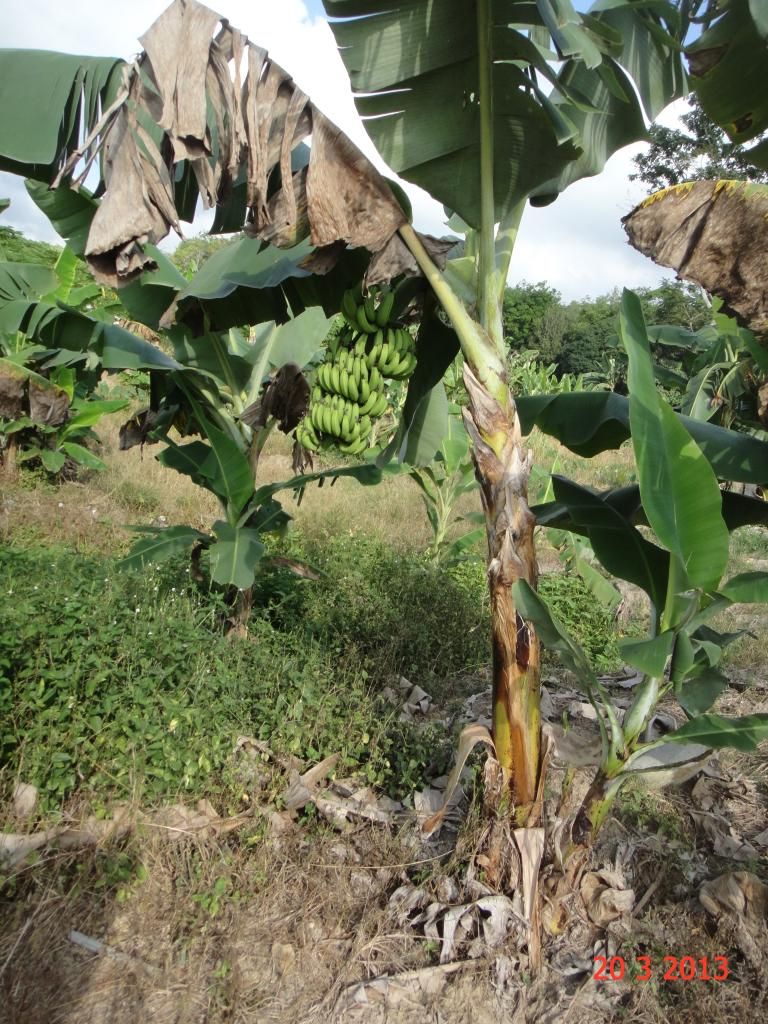
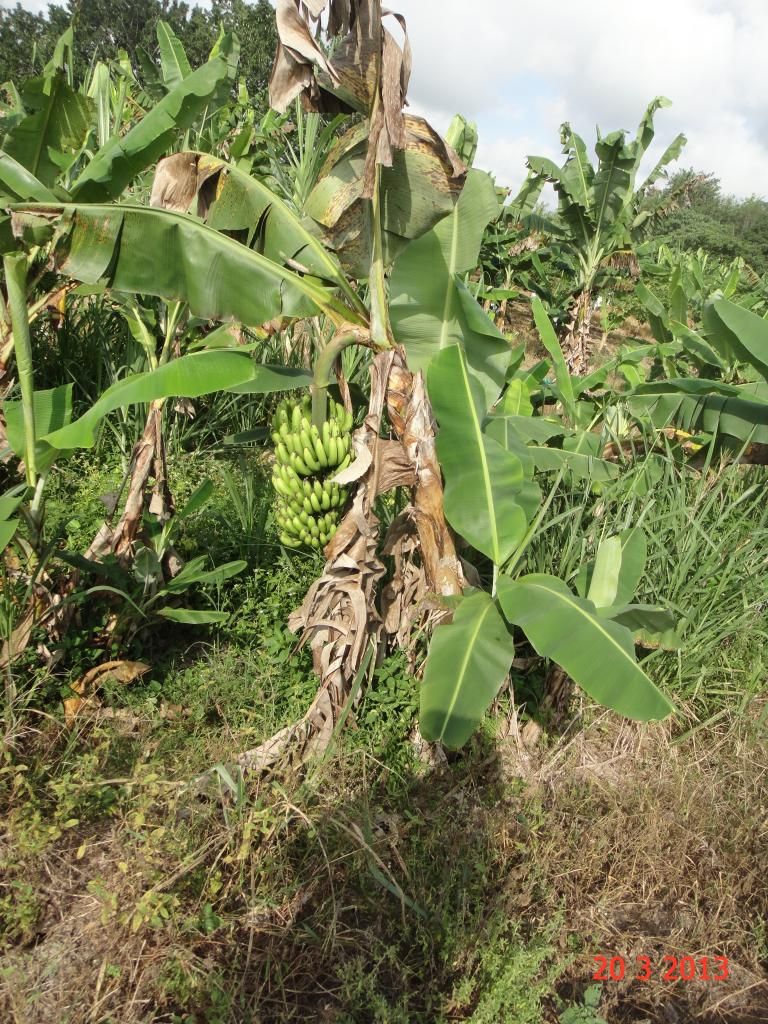
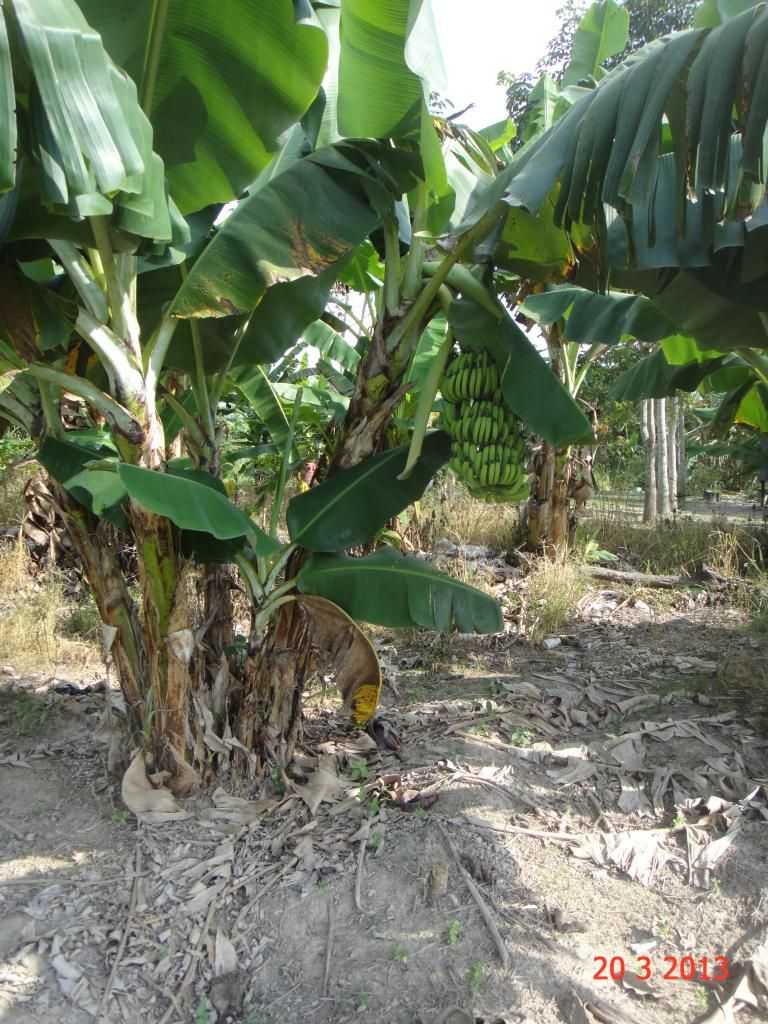
Some of our Cavendish.
user posted image

user posted image

user posted image
TSParaOpticaL
post Mar 20 2013, 10:24 PM

Planter - Durian, Jackfruit, Papaya
*******
Senior Member
2,348 posts

Joined: Dec 2004
From: Ch3r@s


Hi fellow agri & aqua culturist...

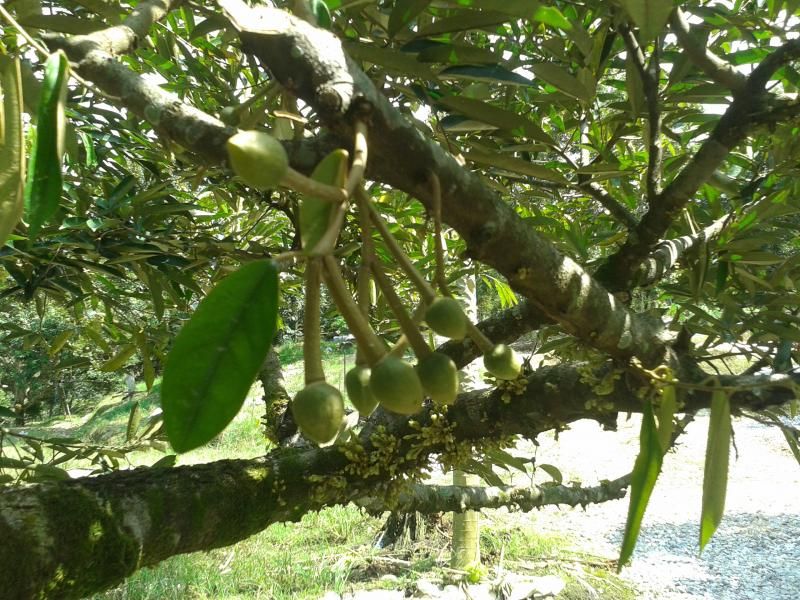
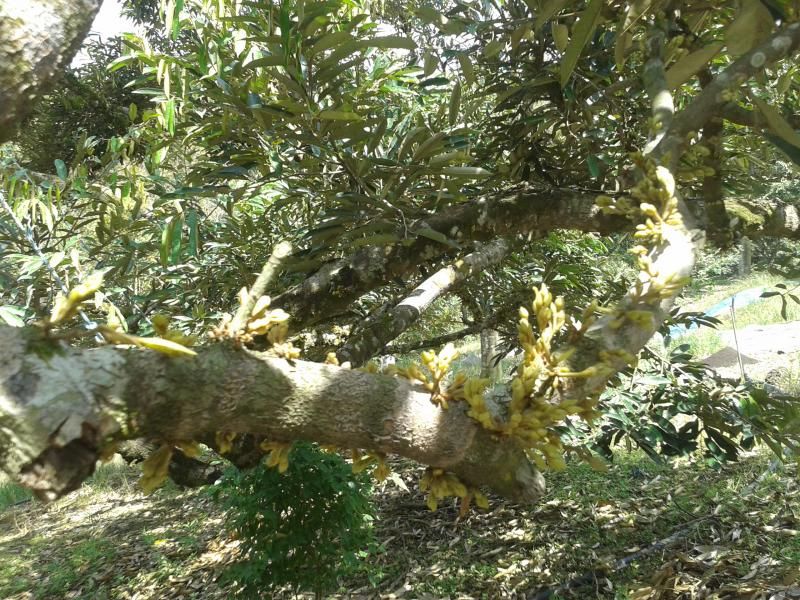
Reporting here from Raub about the durian farmers where they are getting RM 24.00/kg for Musang King and D24 at RM 9.00/kg


The pictures below can show those old farmers that it is possible to have 3-4 different stages of flowering within a tree.


user posted image


user posted image

Michael J.
post Mar 21 2013, 08:43 AM

On my way
****
Senior Member
596 posts

Joined: Jan 2006


MrFarmer:

Your crop looks great! You might like to prop them up though... Just in case.

arnage:

Yes, it is a common practice in keli farming. But as I've mentioned earlier, it produces fish that are high in fatty tissue, and low firmness in flesh. The fish do grow very fast, but quality-wise.....

It is just the same with other farmed animals. Compare free-range chickens with those battery-farmed broilers. Battery-farmed chooks fed exclusively on processed corn/soy bean meal, even when not cooped up in tiny cages, produce soft "lembik" meat which lack mouth-feel when eaten, taste bland, is high in fatty tissue, and is extremely cheap (RM7/kg here in Sarawak). Whereas free-ranged chooks, or at least those allowed to feed on "normal" food chickens eat (i.e. wild food/semi processed, not synthesized), have firm meat, real "chicken" taste, lower fat content but richer coloration, and is pretty expensive (RM15/kg lowest price seen).

But I am not demonizing producers who use chicken guts, fish guts etc., as long as they are ethical about it. People still got to eat, and with prices of everything going up, cheap proteins are a necessity. But I will boycott those who use dead diseased animals as feed for their catfish. This is very disgusting and a real health hazard, and if we are really what we eat, then imagine what "bangkai" is going into our system if this is really happening. (Roadkill different story; the animals were healthy, just unfortunate to cross the road at the wrong time).


By the by, RM1.33/kg is still considered expensive. A similar FCR can be achieved by using trash fish, which sells for RM30-RM50/barrel of around 50kg, without the issue of producing fatty fish. Problem is hard to get trash fish unless you get to the ports early, or know the fishermen.

This post has been edited by Michael J.: Mar 21 2013, 08:48 AM
poks
post Mar 24 2013, 11:53 PM

--[2013 : Going Farming]--
******
Senior Member
1,567 posts

Joined: Nov 2005
From: Ppg, Sbh.


Again, thank you Michael.
i've been reading and found out that you can actually use apple as ripening agent.
will do experiment next as that is the only option atm.

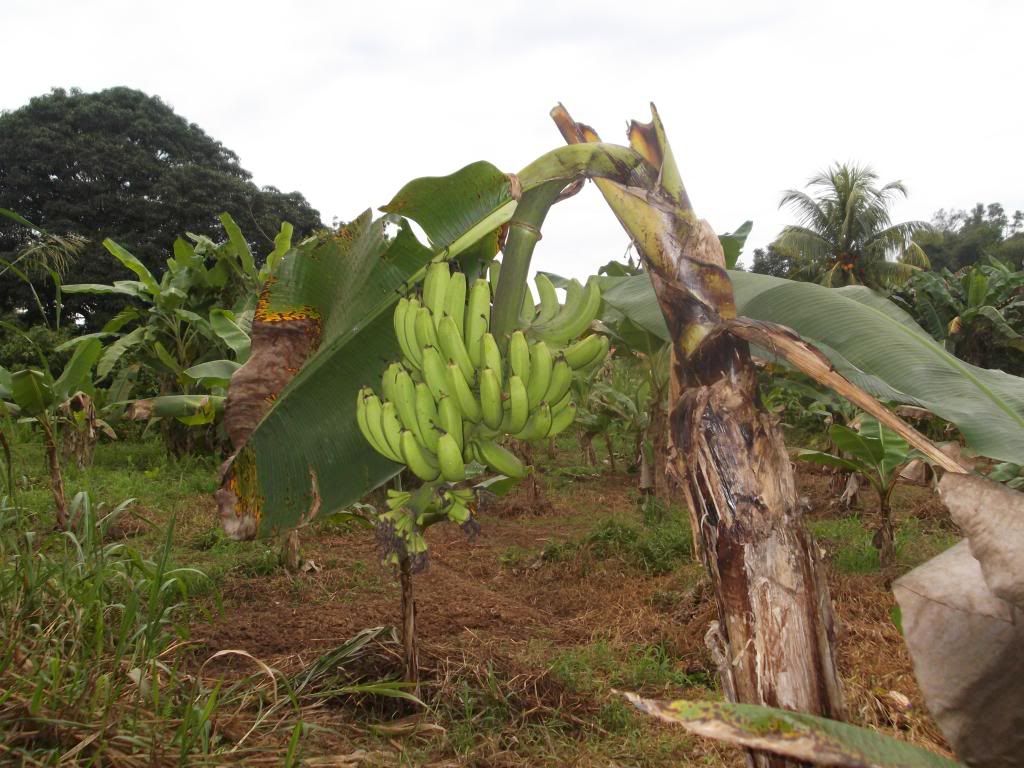
btw, this is one of the Cavendish i manage to save after 2 years holiday.
not as good as mr Farmer's.
» Click to show Spoiler - click again to hide... «
poks
post Mar 25 2013, 12:32 AM

--[2013 : Going Farming]--
******
Senior Member
1,567 posts

Joined: Nov 2005
From: Ppg, Sbh.


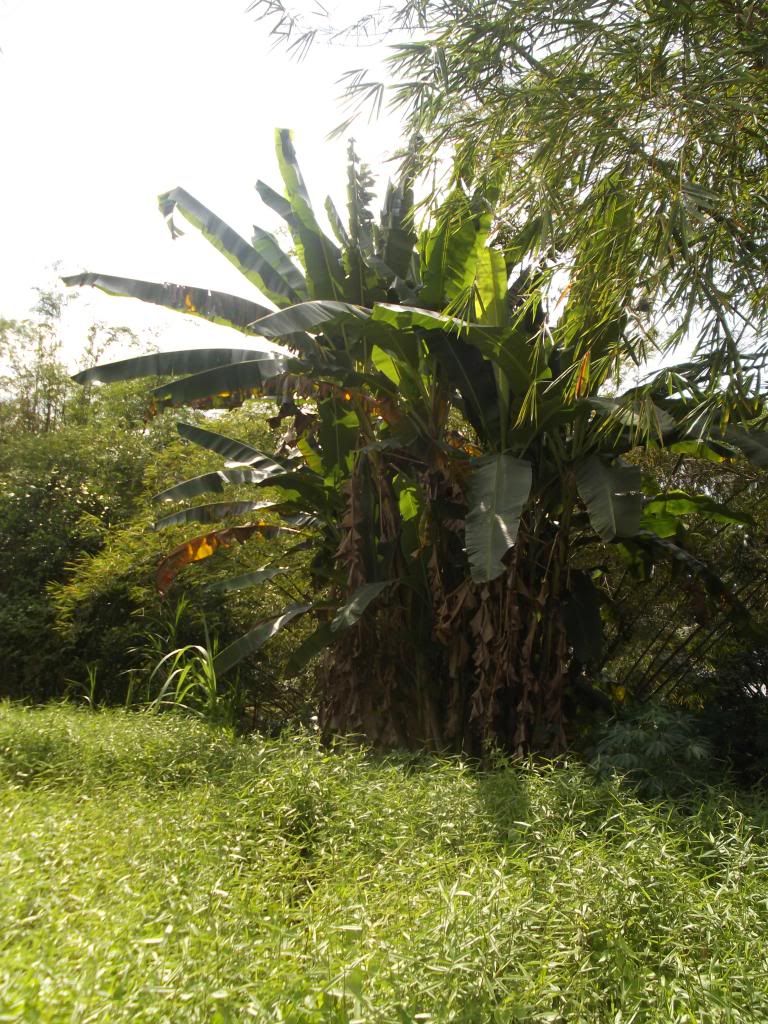
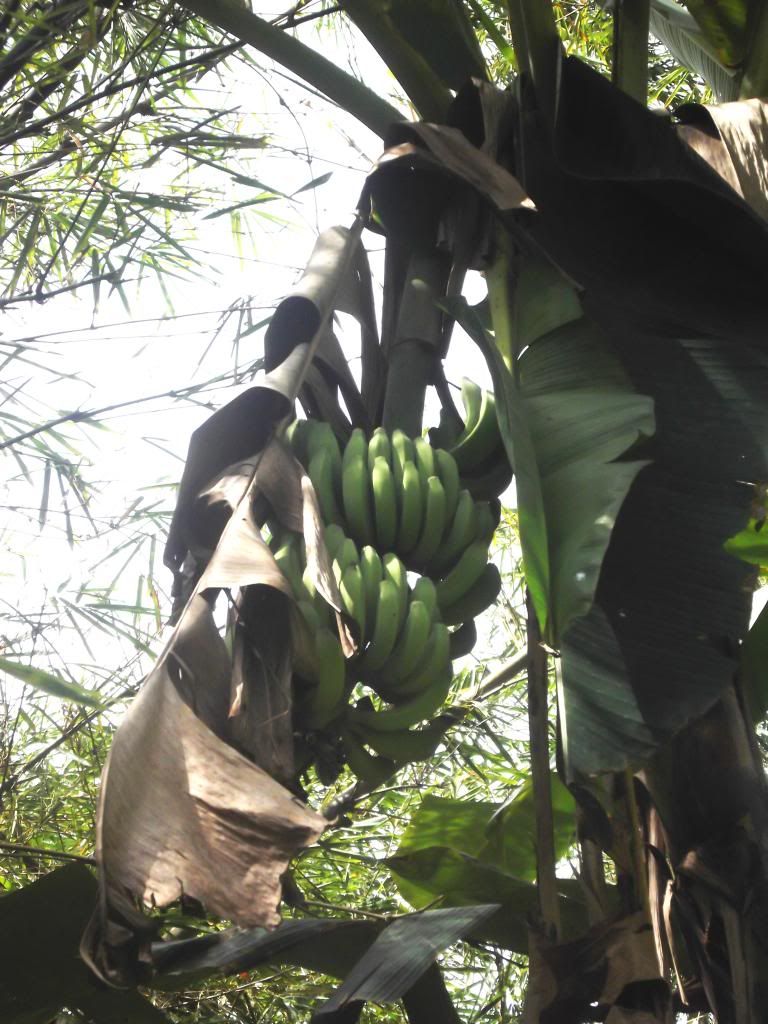
btw, i appreciate it if anyone can identify this banana.
i was debating with my mom on ripening agent for cavendish when she mentioned bout this banana.
i went to the place and took some suckers for transplanting in my farm.
it is way taller than 'pisang rebus' but the fruit arrangement is as of cavendish's.
anyway, it's the tallest banana i've ever saw. my mom said, on a very good tree there are a lot of fruit bunches and the fruit is bigger than the cavendish.
she called 'pisang berangan' and it's that tall. for sure it's at least 12 feet or more high.

hope someone can give some idea to this poor farmer

» Click to show Spoiler - click again to hide... «
ah_suknat
post Mar 27 2013, 10:52 AM

whoooooooooooooop
*******
Senior Member
5,170 posts

Joined: Jul 2006
From: /k//k/, /k/undasang


I want to ask what is the best bank to apply loan for my duck farm?
I already have enough money to run my venture from my investors, but I need to build my track record as being a good borrower so I cant borrow huge amount of loan for rapid expansion.

some of the financial institution that I can think of are
1) Agrobank funds for food (3F) - low interest at 3.75%, no guarantor needed for under RM20k loan, but need collateral, need guarantor for above RM20k loan.

2), TEKUN - low interest rate at 4% and some charges I dont really understand, no guarantor, no collateral needed but can only loan RM10k for first timer, 2nd loan RM30k max, 3rd loan RM50k max.

3), SME bank - not yet research

4) MARA - not yet research

5), any other suggestion??
evilbaby
post Mar 28 2013, 05:53 PM

New Member
*
Junior Member
48 posts

Joined: Oct 2007


ParaOpticaL : am new here for marble goby as my dad plans to venture as a side business. mind giving some readouts on this fish? thanks
MrFarmer
post Mar 28 2013, 08:06 PM

Casual
***
Junior Member
478 posts

Joined: Mar 2011
From: Sabah


QUOTE(poks @ Mar 25 2013, 12:32 AM)
btw, i appreciate it if anyone can identify this banana.
i was debating with my mom on ripening agent for cavendish when she mentioned bout this banana.
i went to the place and took some suckers for transplanting in my farm.
it is way taller than 'pisang rebus' but the fruit arrangement is as of cavendish's.
anyway, it's the tallest banana i've ever saw. my mom said, on a very good tree there are a lot of fruit bunches and the fruit is bigger than the cavendish.
she called 'pisang berangan' and it's that tall. for sure it's at least 12 feet or more high.

hope someone can give some idea to this poor farmer

» Click to show Spoiler - click again to hide... «
Hmmh looks very tall, more than 12 ft? I don't have any banana that is that tall except for the pisang rebus / goreng ( it's called Pisang Saba), As for my Berangan, my trunk has wider diameter. The fruits could be Berangan? Raja? Cavendish? not sure.
MrFarmer
post Mar 28 2013, 09:15 PM

Casual
***
Junior Member
478 posts

Joined: Mar 2011
From: Sabah


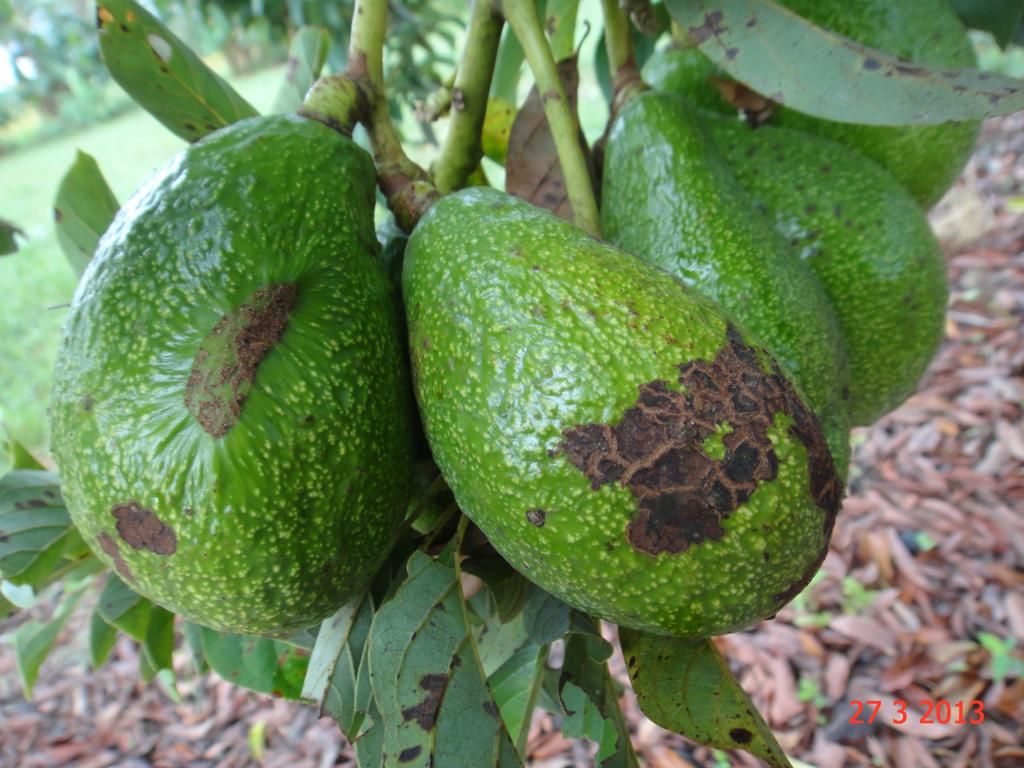
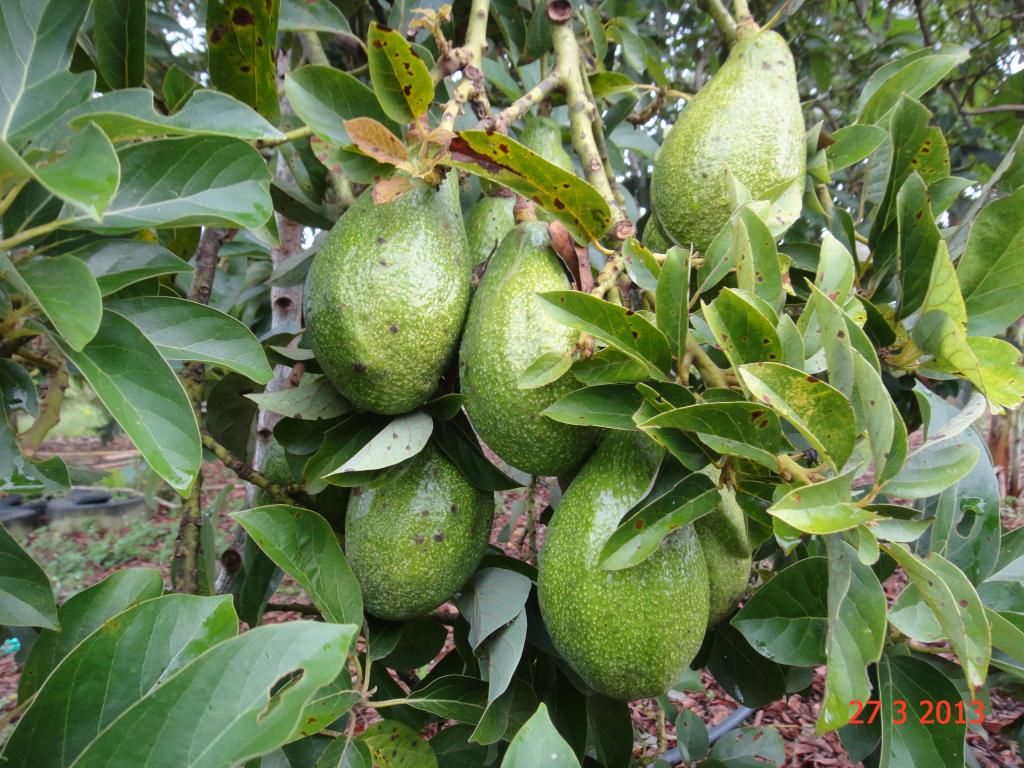
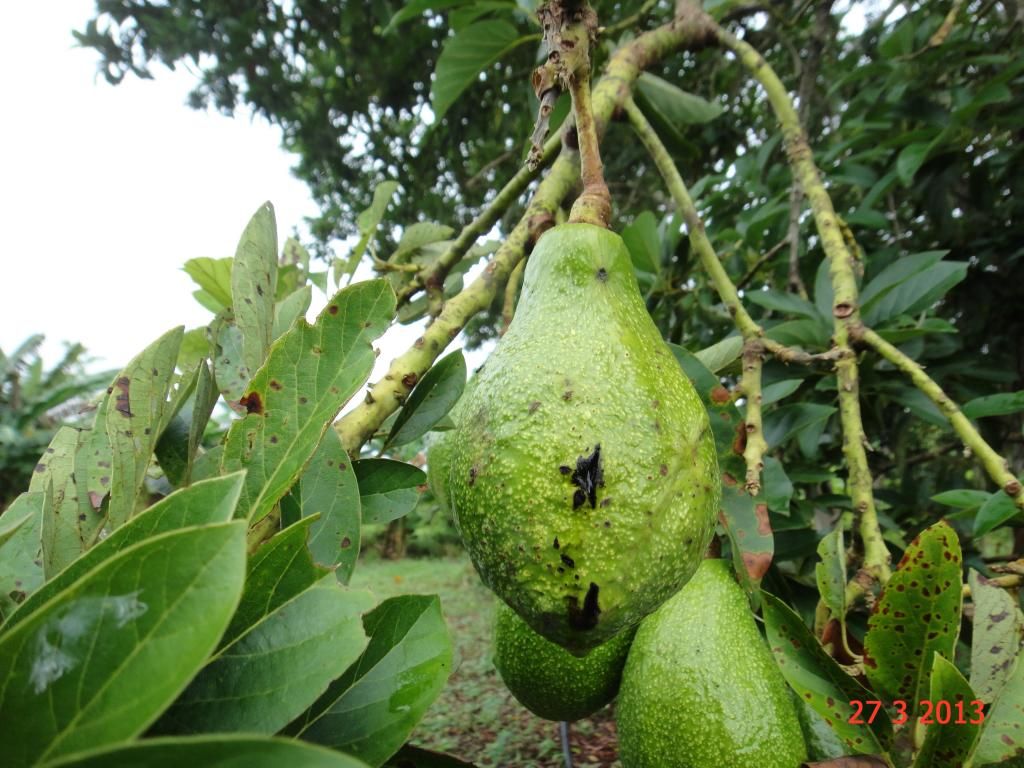
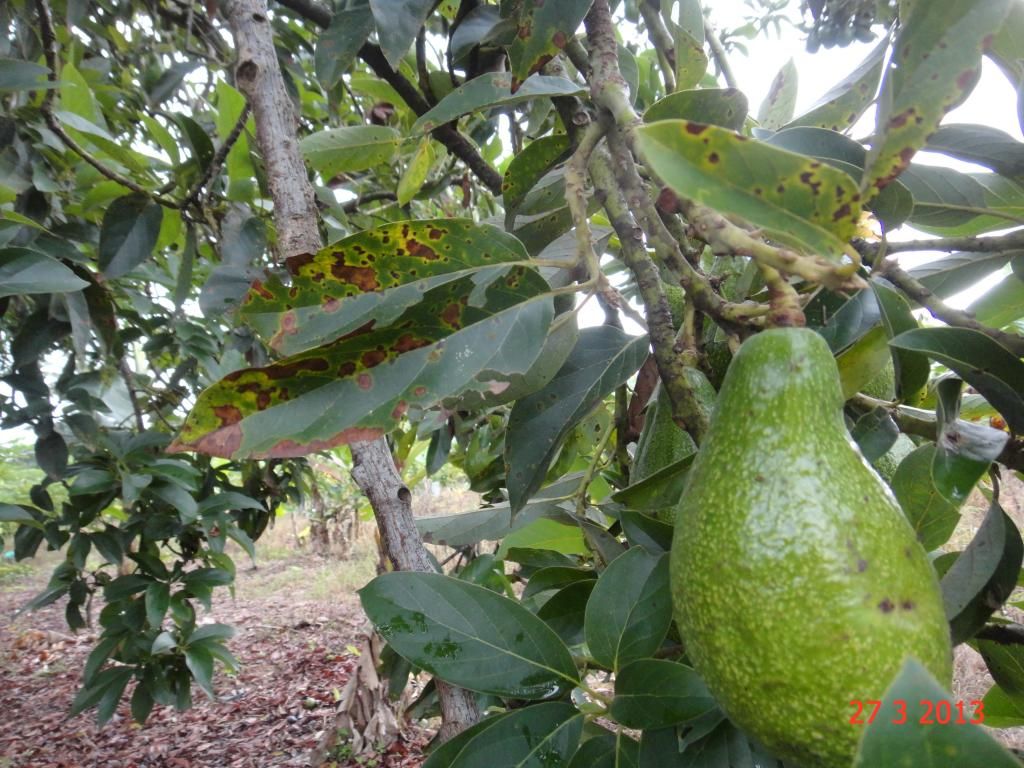
Having problems with Avocado.

user posted image

user posted image

user posted image

user posted image

Michael J.
post Mar 29 2013, 08:51 AM

On my way
****
Senior Member
596 posts

Joined: Jan 2006


A very good Good Friday to all.

poks:

Definitely not Berangan. Berangan has a rounded point. This one has squared points. It could be Pisang Nangka, a cooking variety. For this, it should have a more tapered point, which I can't really see that clearly. The other possibility is Pisang Ambon/Embun, also known as the Gros Michel. It is now very rare due to susceptibility to diseases, and does taste somewhat like the Berangan. Incidentally, Gros Michel can grow much taller than 12 feet.

This may interest some to know: One of the most popular variety of Gros Michel actually originated from Malaysia. This was the primary eating variety around the world, till Panama Disease wiped out large-scale planting in the early 20th century. The modern Cavendish varieties were then used to replace the Gros Michel.

If indeed this is a Gros Michel, then you are one lucky fella, poks. A lot of people are looking for this banana variety:

http://dokmaidogma.wordpress.com/2012/03/15/grandpas-banana/

As for ripening of bananas, ripe red apples produce farnescene. The concentration, however, varies greatly. When apples used to be allowed to ripen on the tree (to at least 75% ripeness), they were quite effective in ripening bananas. But nowadays most apples are forced-ripened while still hard and green. My friend did an experiment as part of her food science project, and tried ripening green Cavendish bananas placed into sealed plastic bags using ripe red apples. The banana took nearly 2 weeks to turn yellow.

ah_suknat:

Have you tried the Microfinancing packages? There are quite a few banks that provide this. BSN is one of them, along with SME Bank, Bank Rakyat, and if not mistaken, Bank Islam. Their maximum loan is for RM50,000 though. For BSN, try asking also about their TemaNiaga package. You may or may not need collateral depending on how you present your business loan (tips: depending on the mood of the bank officer, you could get away by presenting it as a food production enterprise, eg. duck egg production or salted egg production, with the agriculture component as a supportive role).

Mr Farmer:

Aside from anthracnose leaf blight, your avacado looks mostly ok. Maybe a few fruit fly stings here and there. That scaly brown patch is caused by the fungal infection, leading to what is called a "Hard Black Spot" (yea, cheesy name). Has your area been having high humidity? The ones with the hard scales are those that managed to recover from the infection; but that doesn't make them any easier to market. Consumers typically prefer clean skins.

You could try opening up the canopy a little more, allow better air-flow; alternatively, you could use a preventive fungicide like Benomyl or Mancozeb.

I would choose canopy forming first; you can talk to Para about this, as he does it for his durian trees.

This post has been edited by Michael J.: Mar 29 2013, 09:13 AM
poks
post Mar 29 2013, 06:59 PM

--[2013 : Going Farming]--
******
Senior Member
1,567 posts

Joined: Nov 2005
From: Ppg, Sbh.


QUOTE(Michael J. @ Mar 29 2013, 08:51 AM)
A very good Good Friday to all.

poks:

This may interest some to know: One of the most popular variety of Gros Michel actually originated from Malaysia. This was the primary eating variety around the world, till Panama Disease wiped out large-scale planting in the early 20th century. The modern Cavendish varieties were then used to replace the Gros Michel.

If indeed this is a Gros Michel, then you are one lucky fella, poks. A lot of people are looking for this banana variety:
*
i've been reading a lot about this banana.. hopefully it is gros michel.
From what others said, the banana fruit sure match of those gros michel but i have not seen one.
tommorow i'll be going to hunt another place where they said such banana exist (just beside my kampung) and hopefully will find a better brunch.

btw, any other method to ripen cavendish naturally/for small scale production? tq
MrFarmer
post Mar 29 2013, 08:11 PM

Casual
***
Junior Member
478 posts

Joined: Mar 2011
From: Sabah


QUOTE(Michael J. @ Mar 29 2013, 08:51 AM)
A very good Good Friday to all.


Mr Farmer:

Aside from anthracnose leaf blight, your avacado looks mostly ok. Maybe a few fruit fly stings here and there. That scaly brown patch is caused by the fungal infection, leading to what is called a "Hard Black Spot" (yea, cheesy name). Has your area been having high humidity? The ones with the hard scales are those that managed to recover from the infection; but that doesn't make them any easier to market. Consumers typically prefer clean skins.

You could try opening up the canopy a little more, allow better air-flow; alternatively, you could use a preventive fungicide like Benomyl or Mancozeb.

I would choose canopy forming first; you can talk to Para about this, as he does it for his durian trees.
*
Thanks Michael.

Had been scratching my head on how to do a spray on such a tall tree, easily 30 ~ 40 feet. Am thinking of getting a knack pack high pressure sprayer or a knack pack blower...wondering if it can reach such height.


119 Pages « < 75 76 77 78 > » Top
 

Change to:
| Lo-Fi Version
0.0262sec    0.88    6 queries    GZIP Disabled
Time is now: 21st December 2025 - 10:49 AM