A very good Good Friday to all.
poks:
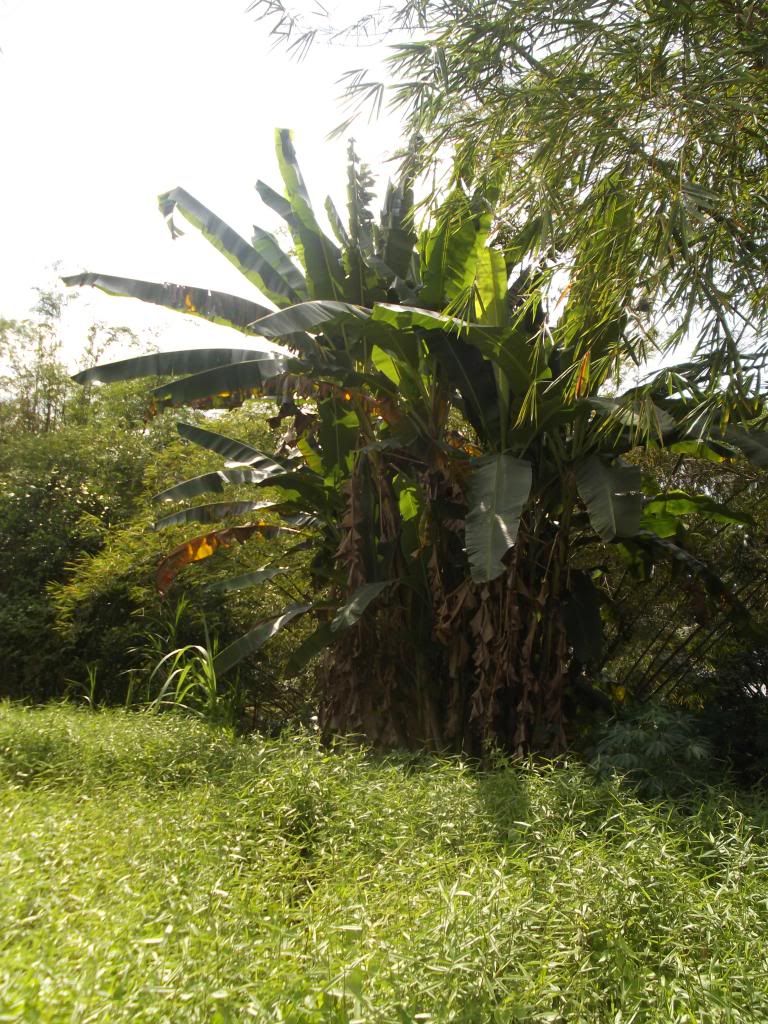
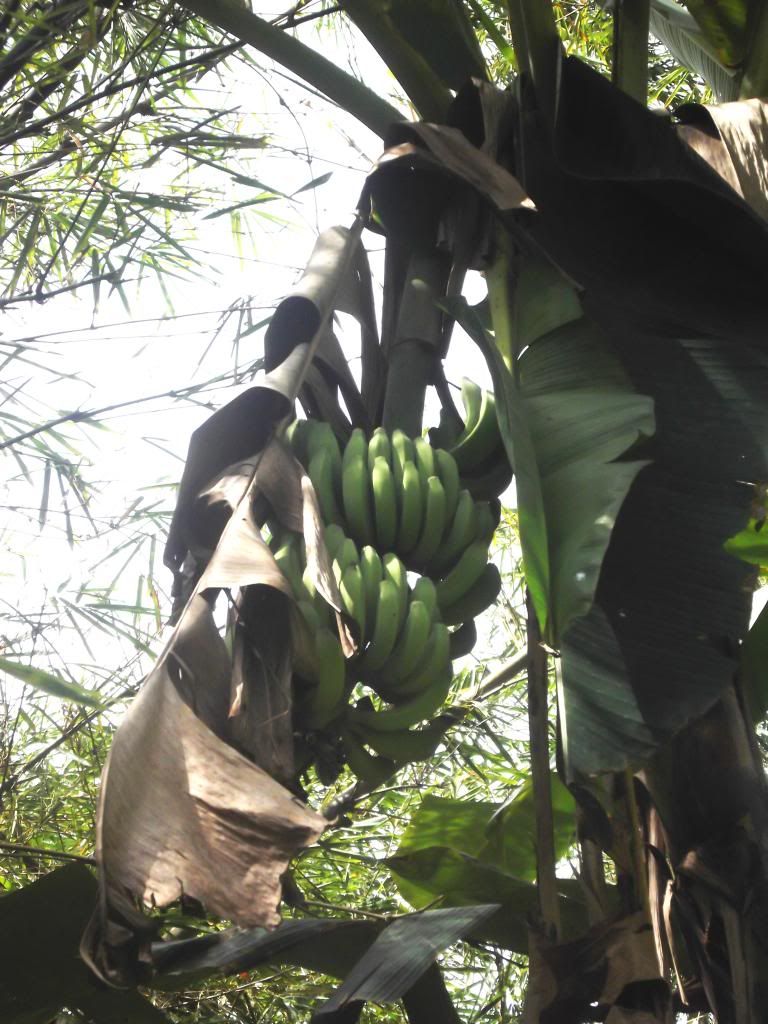
Definitely not Berangan. Berangan has a rounded point. This one has squared points. It could be Pisang Nangka, a cooking variety. For this, it should have a more tapered point, which I can't really see that clearly. The other possibility is Pisang Ambon/Embun, also known as the Gros Michel. It is now very rare due to susceptibility to diseases, and does taste somewhat like the Berangan. Incidentally, Gros Michel can grow much taller than 12 feet.
This may interest some to know: One of the most popular variety of Gros Michel actually originated from Malaysia. This was the primary eating variety around the world, till Panama Disease wiped out large-scale planting in the early 20th century. The modern Cavendish varieties were then used to replace the Gros Michel.
If indeed this is a Gros Michel, then you are one lucky fella, poks. A lot of people are looking for this banana variety:
http://dokmaidogma.wordpress.com/2012/03/15/grandpas-banana/As for ripening of bananas, ripe red apples produce farnescene. The concentration, however, varies greatly. When apples used to be allowed to ripen on the tree (to at least 75% ripeness), they were quite effective in ripening bananas. But nowadays most apples are forced-ripened while still hard and green. My friend did an experiment as part of her food science project, and tried ripening green Cavendish bananas placed into sealed plastic bags using ripe red apples. The banana took nearly 2 weeks to turn yellow.
ah_suknat:
Have you tried the Microfinancing packages? There are quite a few banks that provide this. BSN is one of them, along with SME Bank, Bank Rakyat, and if not mistaken, Bank Islam. Their maximum loan is for RM50,000 though. For BSN, try asking also about their TemaNiaga package. You may or may not need collateral depending on how you present your business loan (tips: depending on the mood of the bank officer, you could get away by presenting it as a food production enterprise, eg. duck egg production or salted egg production, with the agriculture component as a supportive role).
Mr Farmer:
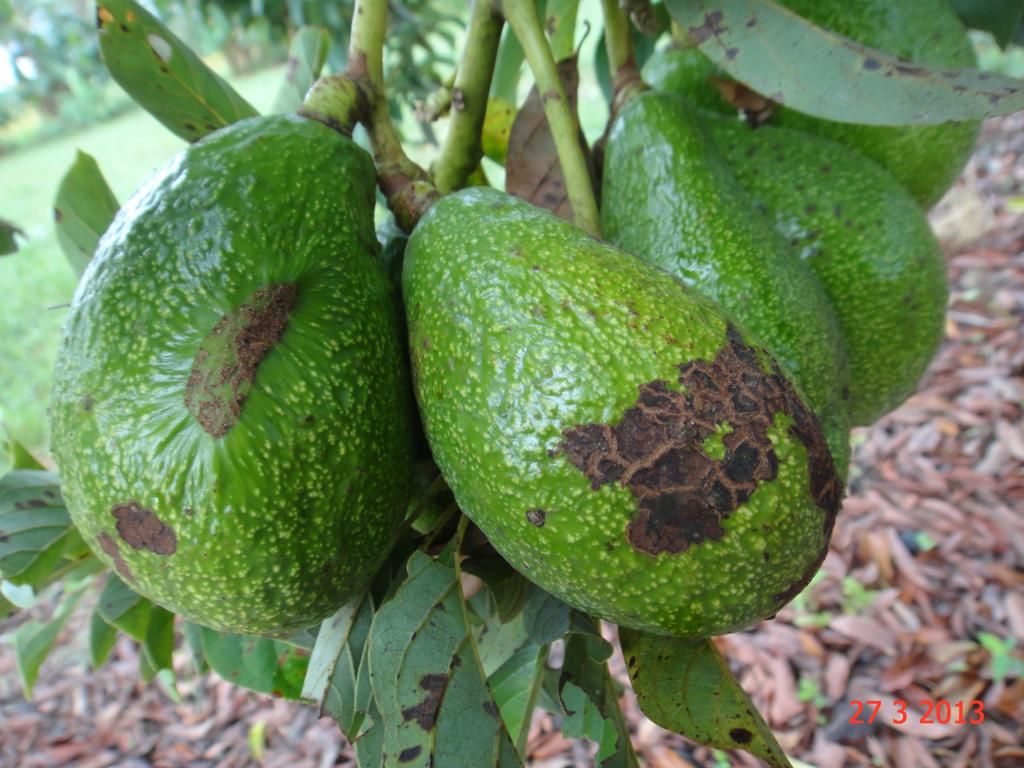
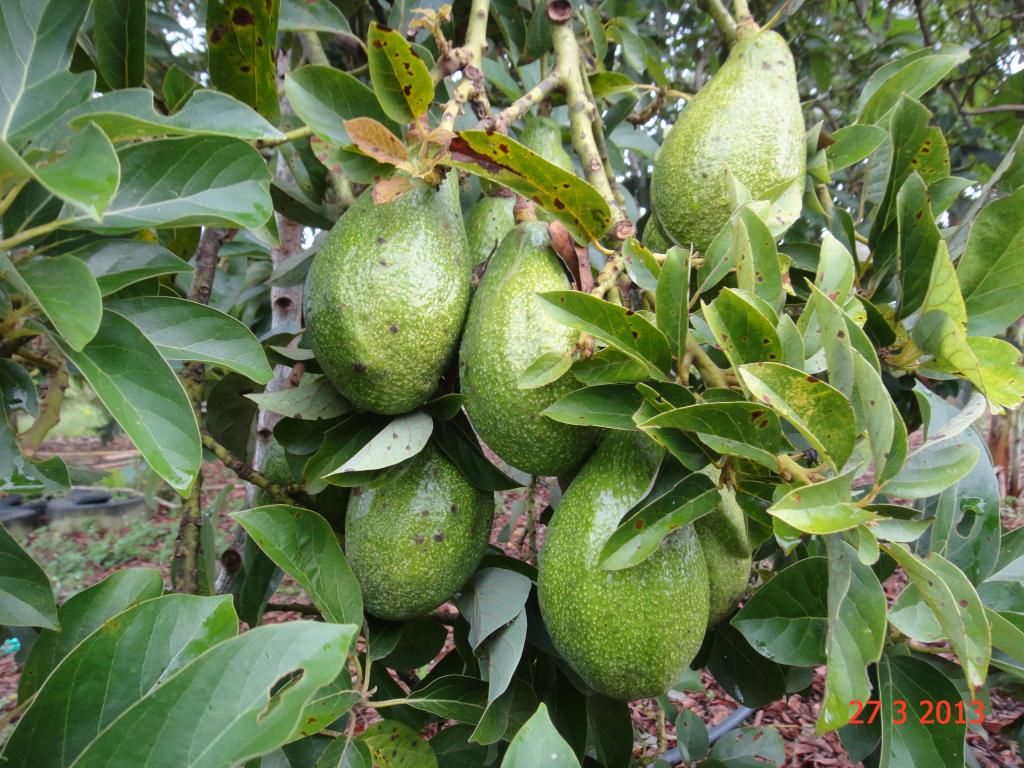
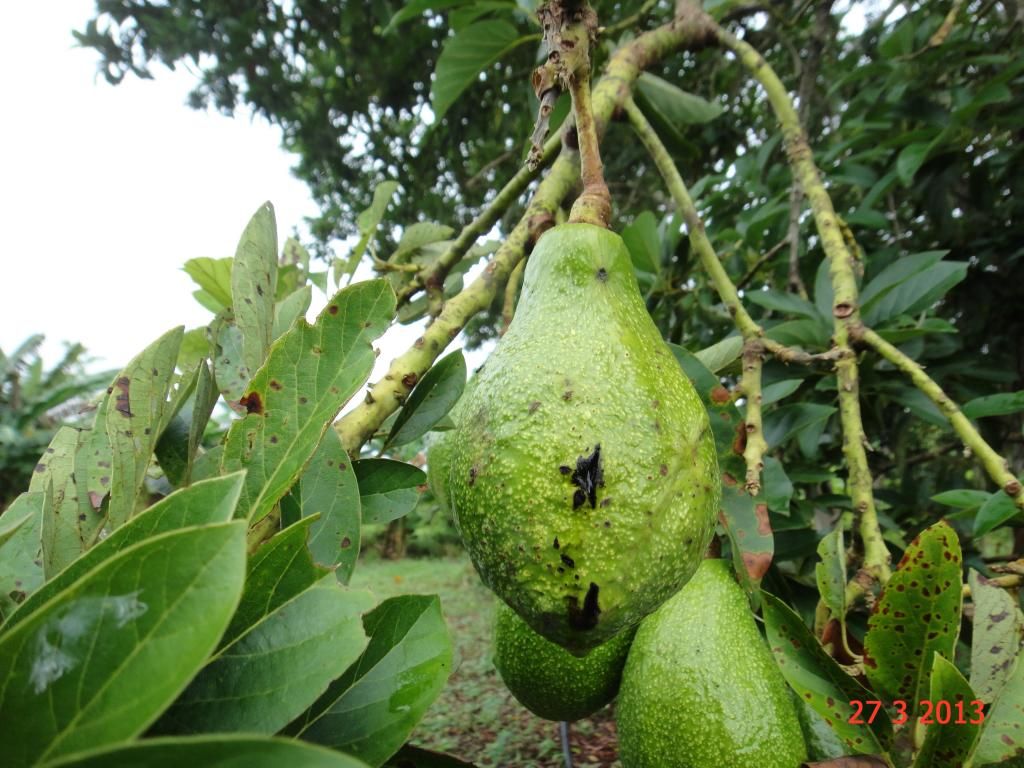
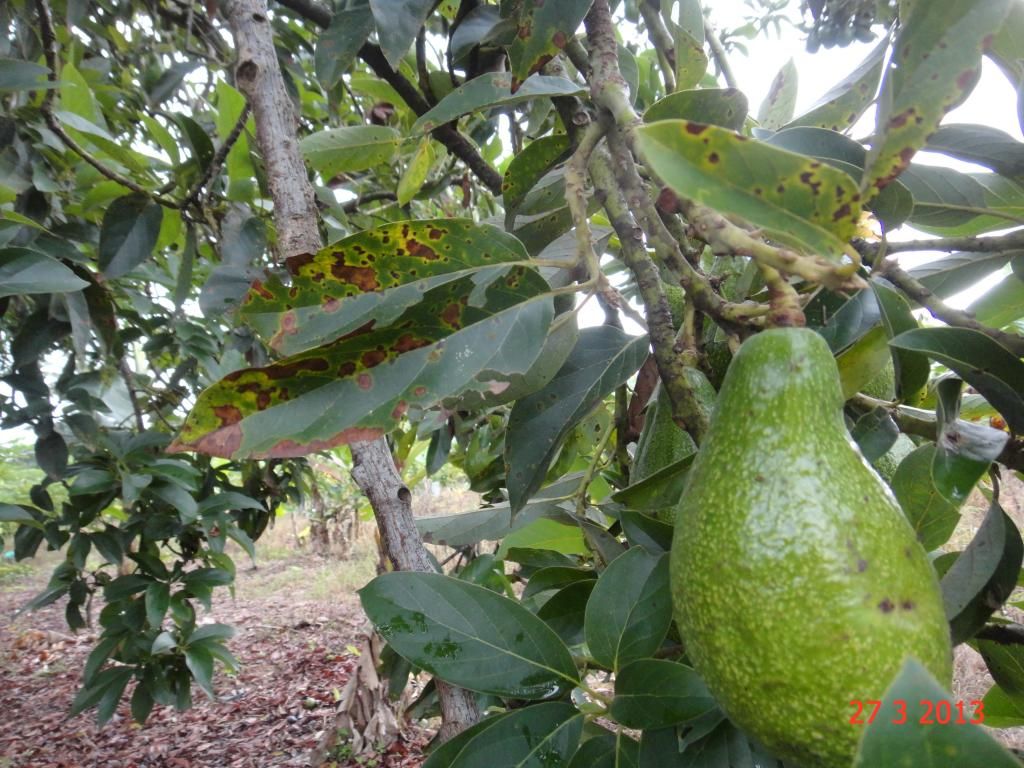
Aside from anthracnose leaf blight, your avacado looks mostly ok. Maybe a few fruit fly stings here and there. That scaly brown patch is caused by the fungal infection, leading to what is called a "Hard Black Spot" (yea, cheesy name). Has your area been having high humidity? The ones with the hard scales are those that managed to recover from the infection; but that doesn't make them any easier to market. Consumers typically prefer clean skins.
You could try opening up the canopy a little more, allow better air-flow; alternatively, you could use a preventive fungicide like Benomyl or Mancozeb.
I would choose canopy forming first; you can talk to Para about this, as he does it for his durian trees.
This post has been edited by Michael J.: Mar 29 2013, 09:13 AM 

 Mar 27 2013, 10:52 AM


 Quote
Quote




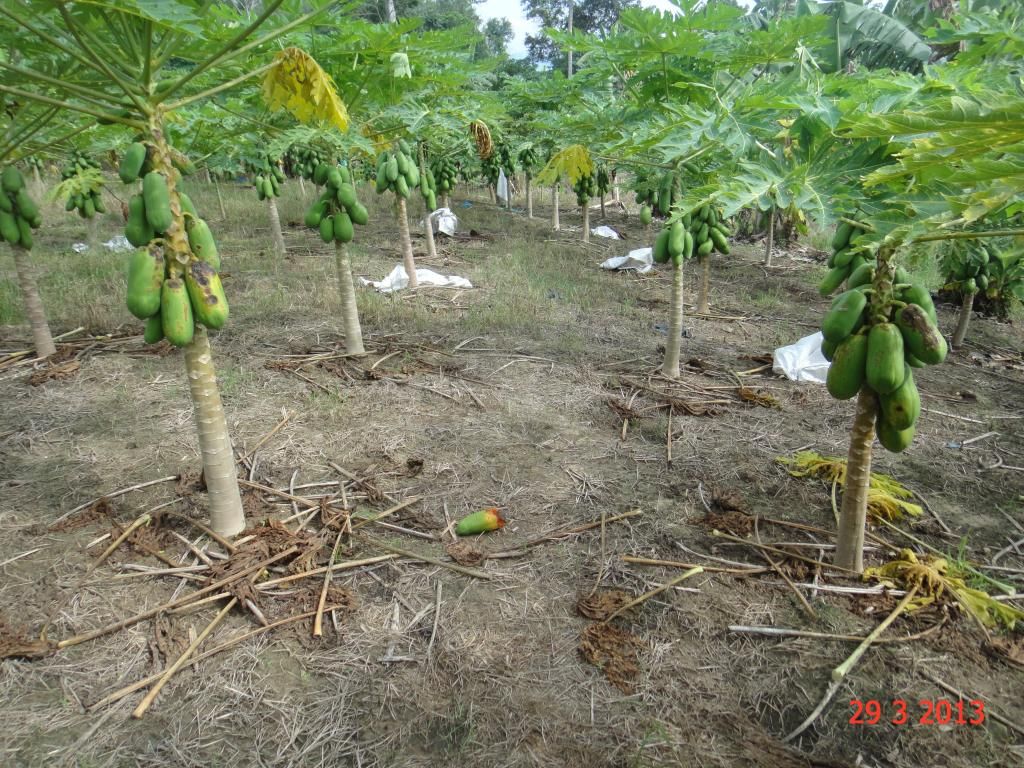
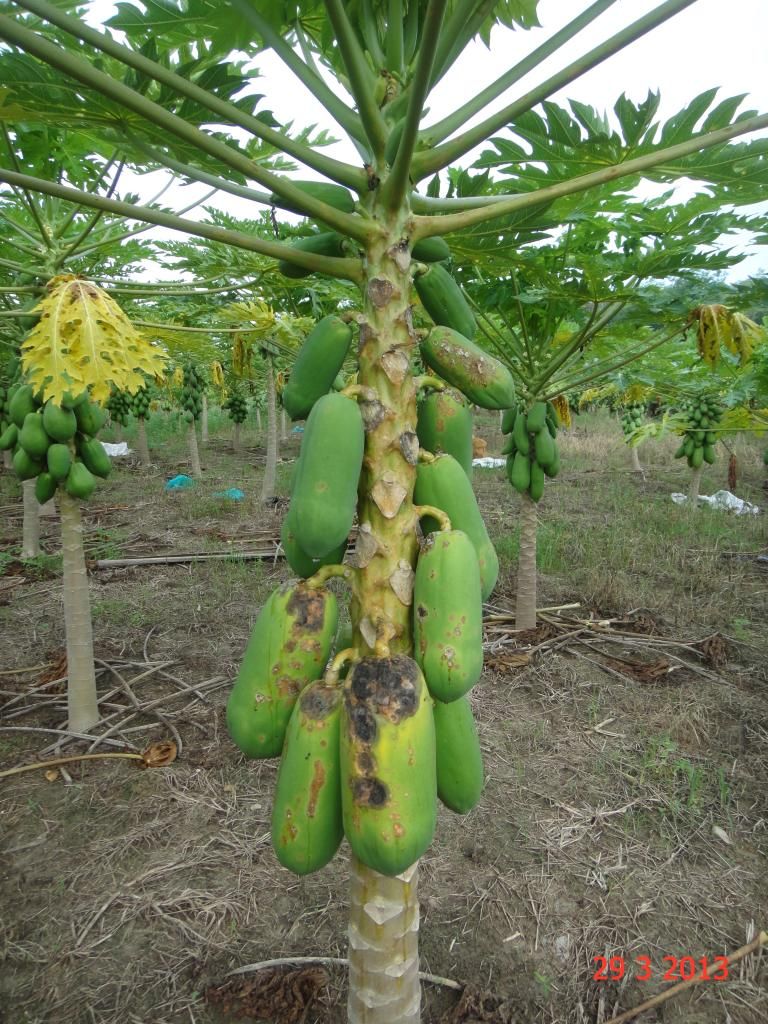
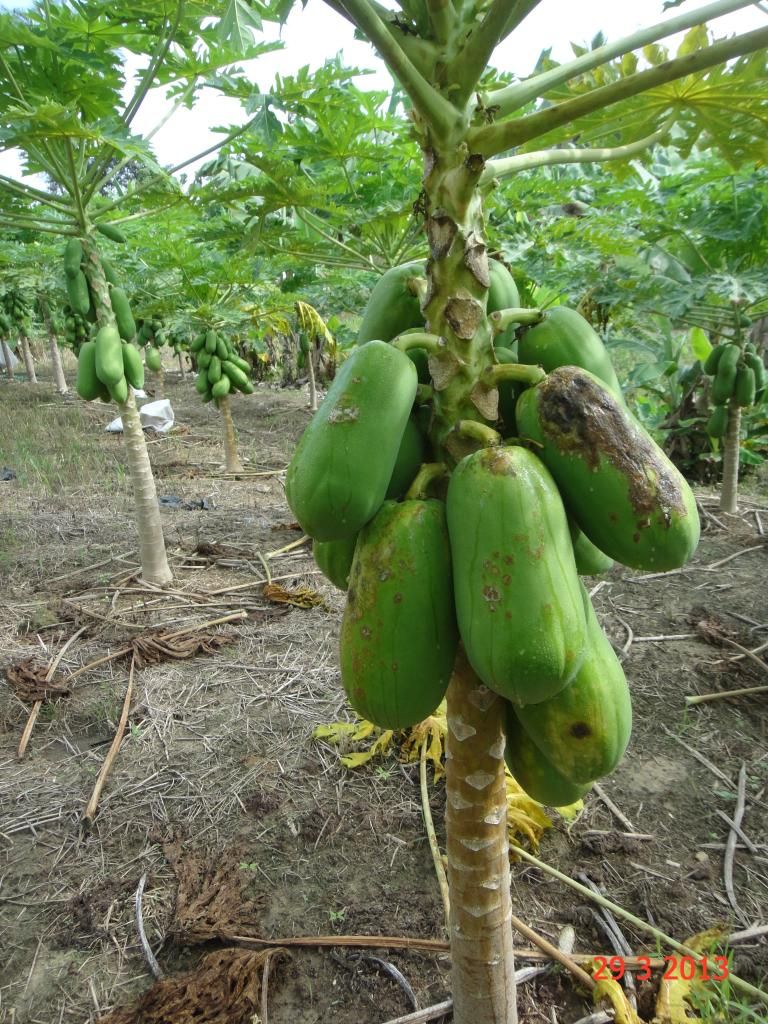
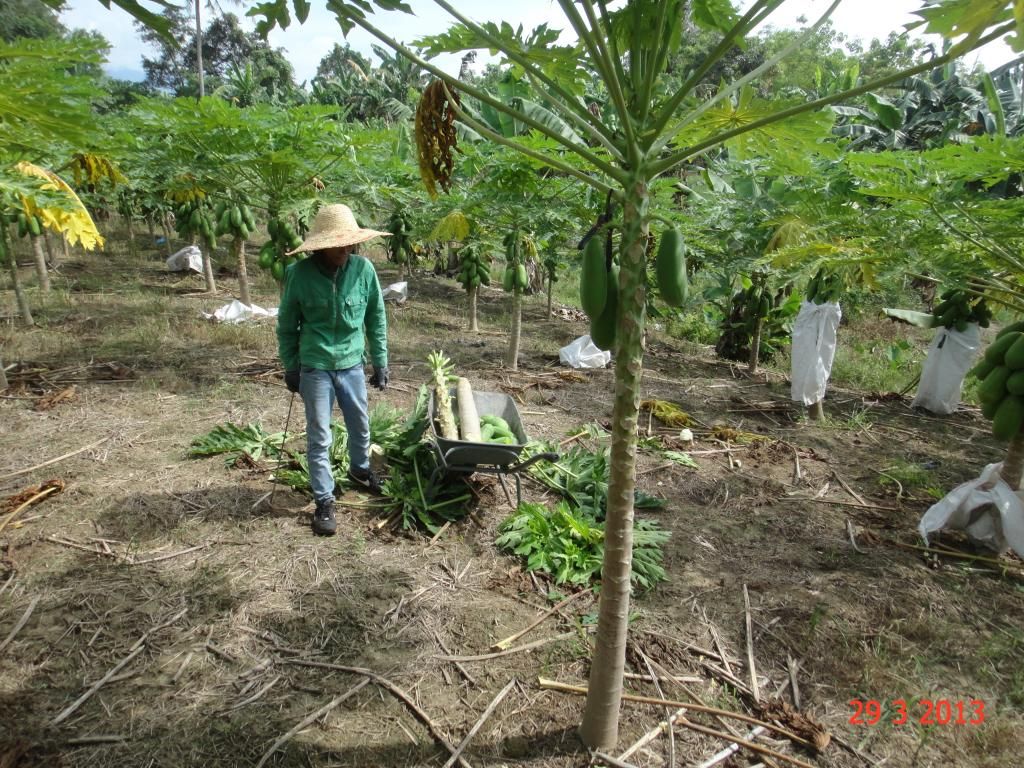


 Yes, my initial thoughts was just to cull the affected fruits, but after looking at the speed of spreading and it's even on the trunk, the panic alarm rang. Hence made the drastic decision.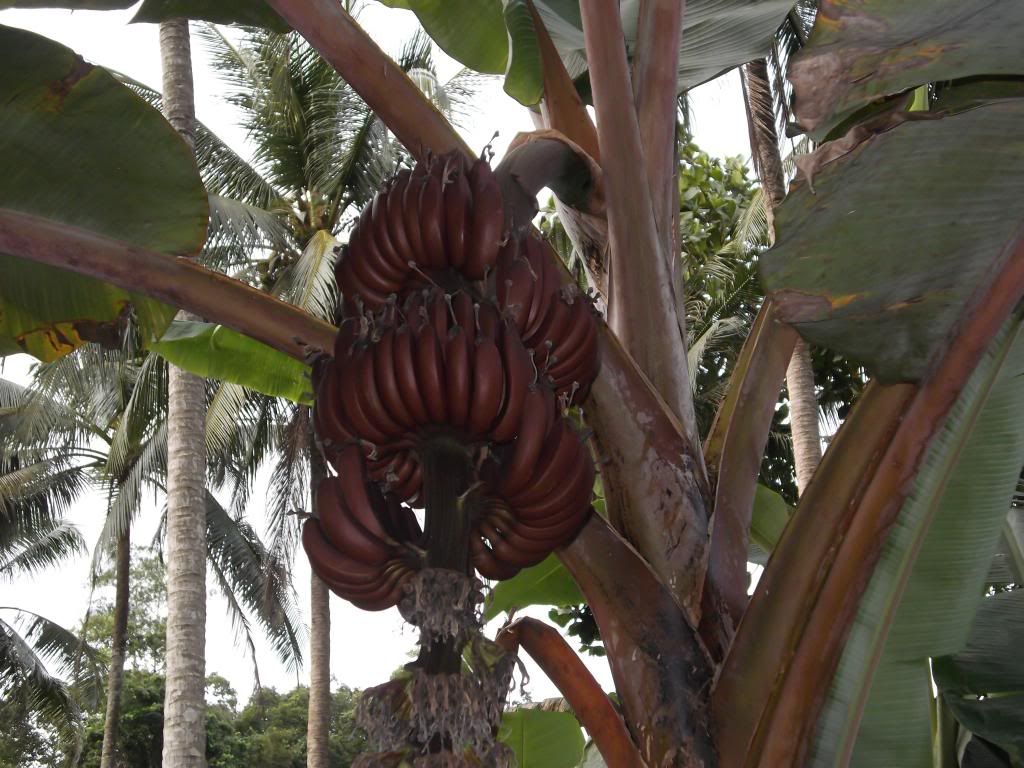


 0.0276sec
 0.74
0.74
 6 queries
 GZIP Disabled