QUOTE(Drian @ Oct 4 2023, 09:43 AM)
When you put returns like that it will be compared with other investment class. eg:- 5.5% epf , 3% FD, 6% ASNB but you cannot really compare them that way,
If you put 47k in FD, 3% for 5 years you get 47k + (3%^5*47k).
The 47K that you put in
is unchanged after 5 yearsIf you put in 47K in Solar and you claim 20% return.
By right at the end of 5 years you get 47K +(20%^5*47k) but you don't get it.
You can't sell the solar panels and your solar panels
are not worth 47k anymore. . That is asset depreciation.
So technically, if you include asset depreciation. The first 5-6 years is 0% and then only after that is 20%.
You don't understand that you cannot get back the capital that you put in.
two ways to look at it.
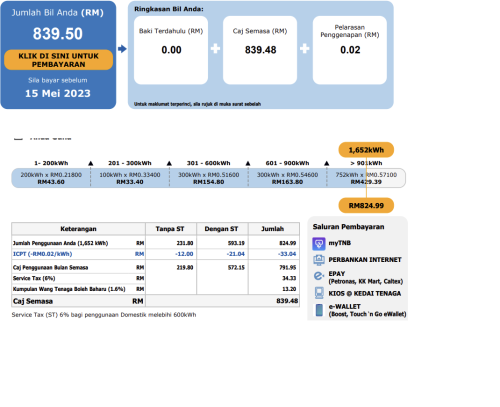
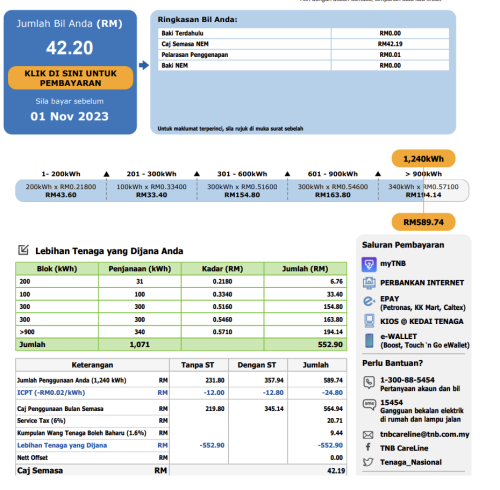
if u keep the money in epf, u still need to pay tnb bill right? say u withdraw money every month to pay 800 to TNB, how much of this 47k will be left after 4 years, or how many years the 47k totally depleted by using it to pay tnb bill?
if u use the 47k to install solar pv, say 800 tnb bill saving per month, what u can do is to invest the 800 into something that can give u 5.5% return, i dont think thats difficult to find such investment (say just buy maybank shares lah that give annual dividend 6 to 7%), in 4 years, u will get about 44k in investment, in 8 years, your investment value will be about 97k, while if the money still in epf, that 47k will increase to about 73k in 8 years, the gap will grow larger and larger
This post has been edited by yeapsc73: Oct 4 2023, 12:38 PM 

 Oct 4 2023, 11:21 AM


 Quote
Quote







 0.0206sec
 0.40
0.40
 6 queries
 GZIP Disabled