Prese lah. US$60+m for each LMS batch 1 is nothing compared to harga batch 2. Must take into account exchange rate & inflasi. Best of all get invisible ship, even better than stealth. Malaysia boleh.
Joined: Jun 2007
From: 3°50'**.**"N - 103°16'**.**"E
QUOTE(alexz23 @ Oct 14 2022, 08:43 AM)
Why ATR was choosen?
What we know that TUDM specifically stated the speed that they wanted in the tender documents, that speed cannot be attained by the ATR-72. That speed requirement is something the CN-235 cannot achieve also. We also know that one of the interested contenders actually changed their initial proposal of using the ATR-72, to another faster aircraft due to the requirements listed out in the MPA Tender.
So - TUDM wanted an aircraft faster than the CN-235. TUDM ideally wanted a jet platform, but its budget does not stretch to a jet aircraft. - Many contenders wanted to use ATR-72, due to its size, price, and available support in our region. But ATR-72 operational speed is just comparable to the CN-235, and not what TUDM wanted as written in the tender documents. - Some contenders upon learning of the speed requirement, even changed their initial offer of ATR-72 to another faster aircraft. - In the end MENHAN announced that the winner is the ATR-72 - The ATR-72 MPA will perform missions with the same capability of the CN-235 MSA (similar speed, similar range), but with added cost and complexity of having to fly and maintain 2 totally different aircraft and mission systems.
The reason? Pick from below
- cronyism - corruption - kickbacks - add your own
nice try trying to riling it up! they are the cheapest among the contenders in the race nuff said.
It can be used from land (32km) or sea (32km) or air (50km) e.g. from UAVs/UCAVs or USVs.
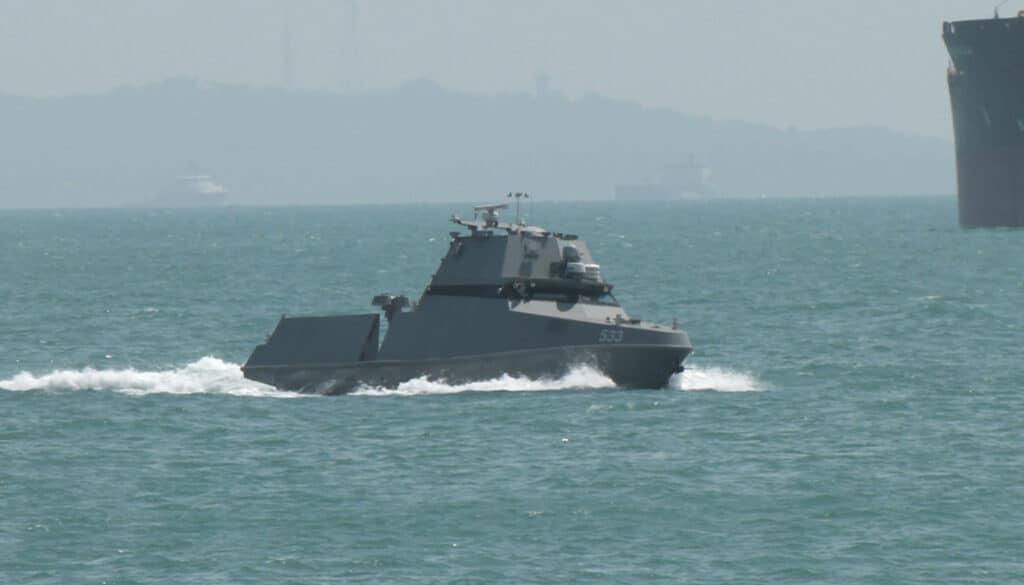
E.g. of USV i.e. Singapore's navy 17m stealth USV:
Spike can be regarded as one of the most successful multipurpose anti-tank/anti-bunker/anti-personnel missile ever and in used by countries such as India, Germany, Poland, UK, etc.
Spike missiles are manufactured by Israel's Rafael and Singapore' Smart Systems Pte Ltd (joint venture between Israel's Rafael and Singapore Technologies)
In 2012, Smart was spotted selling Spike at a defence fair:
Ukraine has just bought another 2900 Matador "atgm" missiles in addition to an earlier batch of 5900 missiles. The Singaporean-German-Israeli shoulder fired missile is doing very well.
Ukraine has just bought another 2900 Matador "atgm" missiles in addition to an earlier batch of 5900 missiles. The Singaporean-German-Israeli shoulder fired missile is doing very well.
Except for the simple fact it can't detect submarine at all.
Sure you could integrated the ASW suite in it, but get ready to pay an arm & a leg to do so. Even then we would be the only one using it which mean we can't take advantage of other military experience, integration, training and so on.
Meanwhile Leonardo has a finished off the shelf products in the form of MPA,ASW helo, ASW suite for MALE off the shelf with preexisting users.
Not to mention Italy is the 3rd wheel in the franco- German duopolies of the EU decision making process. A block which had considerable political,economical, military power, one we have a trade surplus with and one whose relationship is really important to us.
Except for the facts the parts needed for the final assembly in Singapore comes by air & sea that can be blockages by the enemy.
Off course assembling missiles is the least of SG worries if the air & sea is blockage since SG energy & foods also comes from the sea.
This is a given. Most weapons and many commercial goods have parts originating from other parts of the world.
It may not be a case that they are assembling the missiles; likely producing some parts e.g. munition warhead for which they have an established competence or rocket motor as in the case of Blue Spear. There is also bound to be some form of tech sharing. This is an arrangement that started in the late 1990s.
Easier said than done to initiate a blockade from air and sea as not many countries have the resources and endurance to do so esp. for a key global commercial node.
This post has been edited by Mai189: Oct 16 2022, 11:20 PM
Except for the simple fact it can't detect submarine at all.
Sure you could integrated the ASW suite in it, but get ready to pay an arm & a leg to do so. Even then we would be the only one using it which mean we can't take advantage of other military experience, integration, training and so on.
Meanwhile Leonardo has a finished off the shelf products in the form of MPA,ASW helo, ASW suite for MALE off the shelf with preexisting users.
Not to mention Italy is the 3rd wheel in the franco- German duopolies of the EU decision making process. A block which had considerable political,economical, military power, one we have a trade surplus with and one whose relationship is really important to us.
Does anyone know the effectiveness of using MPAs to detect submarines in the South China Sea?
I ask because the art of submarine detection via such means is no easy task as the propagation of underwater sound is affected by many variables esp. in shallow waters occupied by thousands of ships (being a major sea lane for commerce). It may be easier to just eyeball a submarine in some instances than try to determine one using sonar bouys etc.
I am not sure about MAD and its utility in this region too.
Except for the simple fact it can't detect submarine at all.
Sure you could integrated the ASW suite in it, but get ready to pay an arm & a leg to do so. Even then we would be the only one using it which mean we can't take advantage of other military experience, integration, training and so on.
Meanwhile Leonardo has a finished off the shelf products in the form of MPA,ASW helo, ASW suite for MALE off the shelf with preexisting users.
Not to mention Italy is the 3rd wheel in the franco- German duopolies of the EU decision making process. A block which had considerable political,economical, military power, one we have a trade surplus with and one whose relationship is really important to us.
We would be the only one using it?
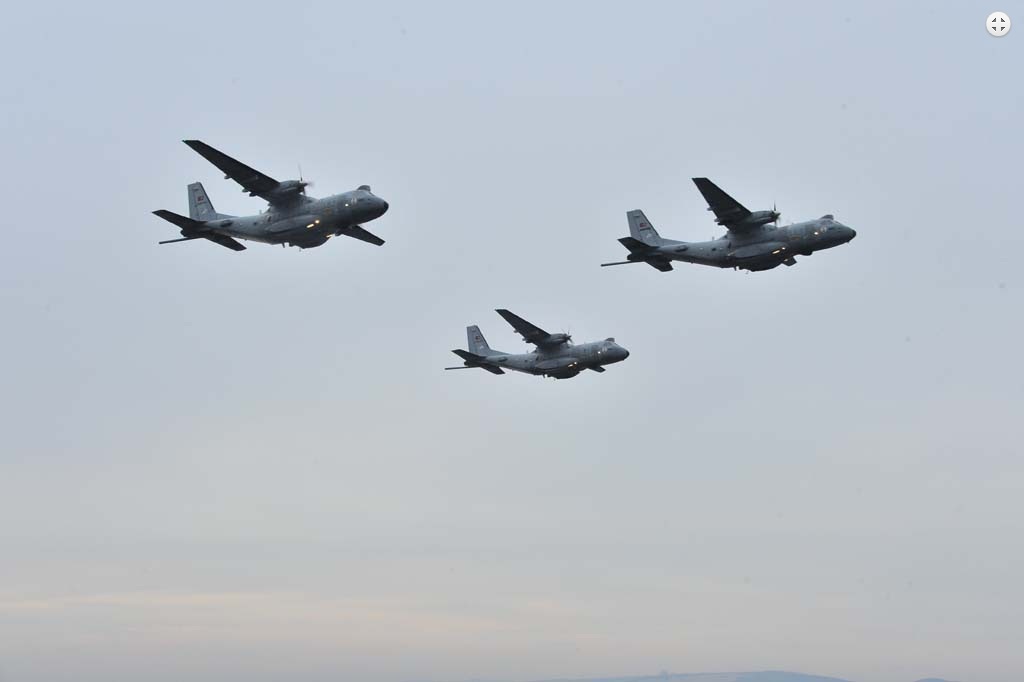
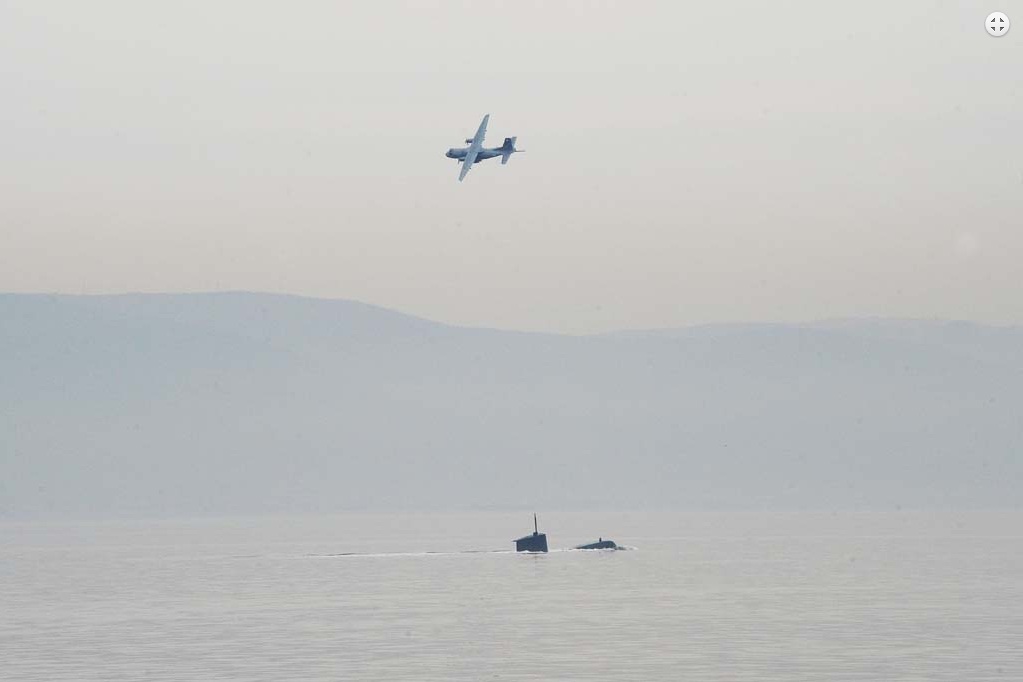
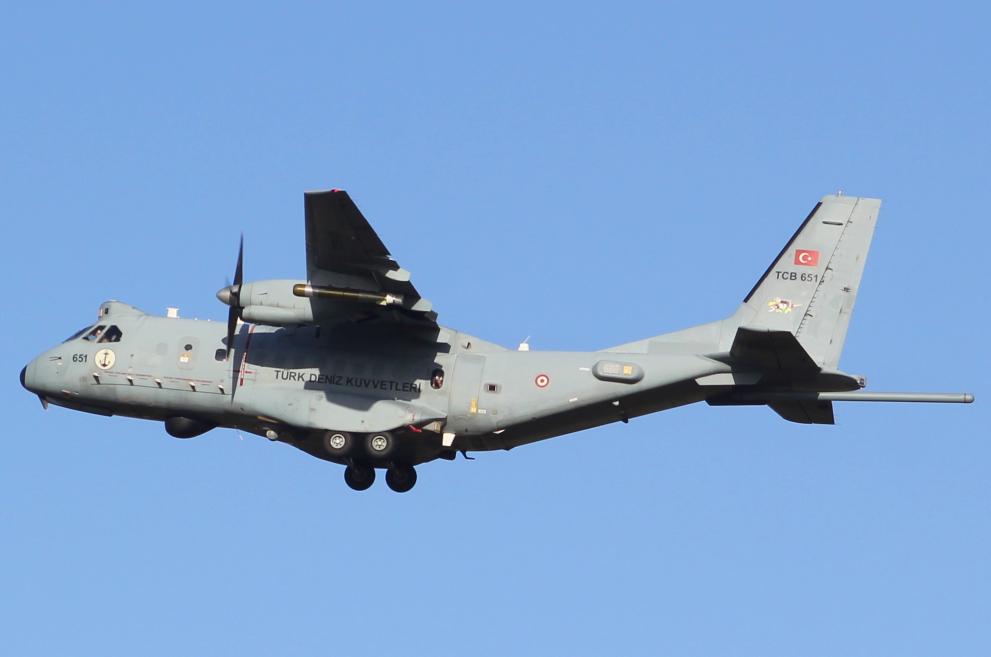
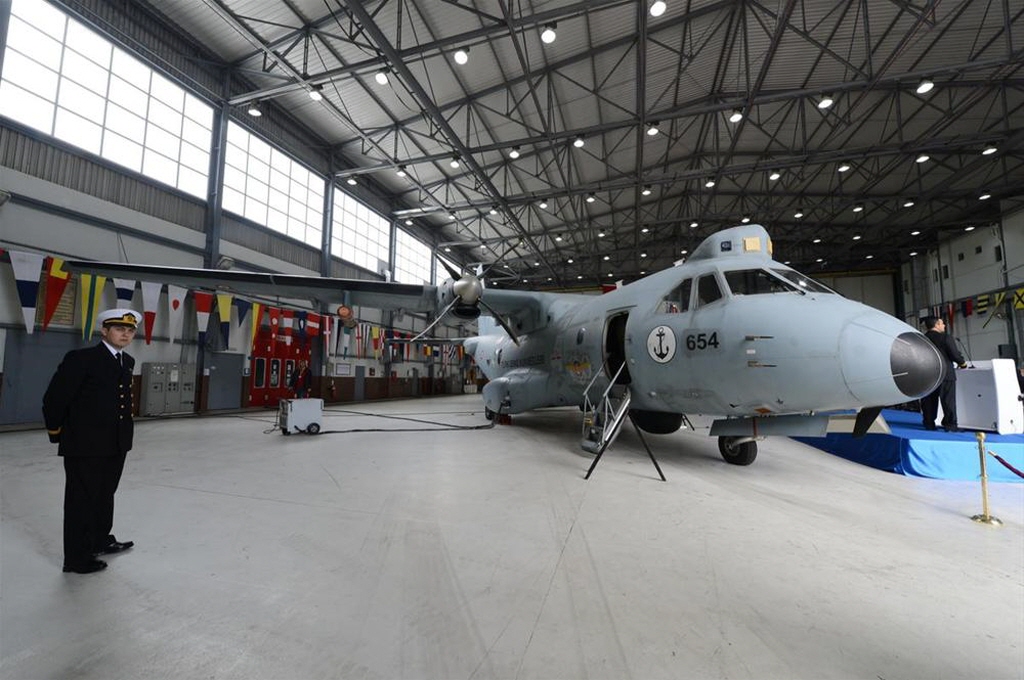
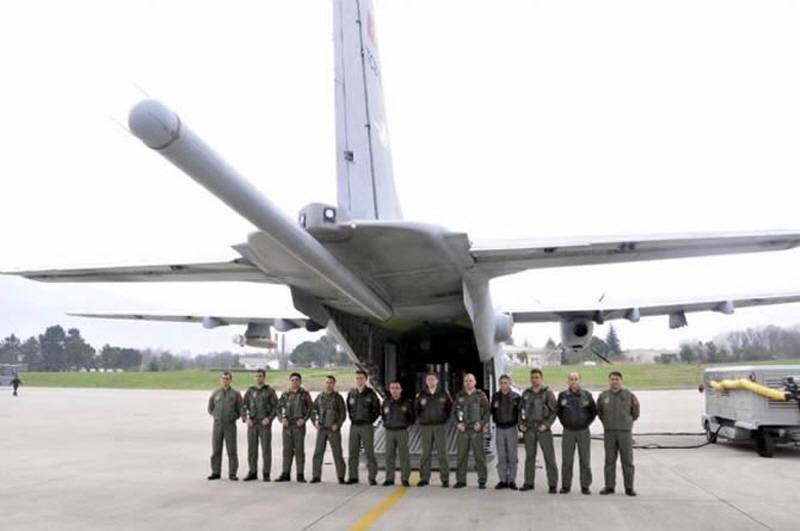
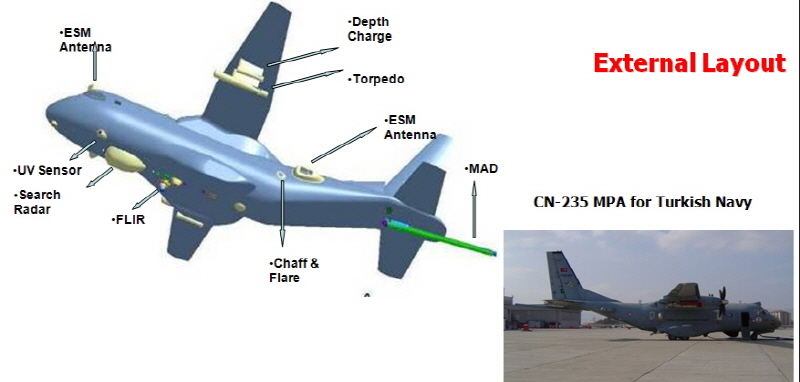
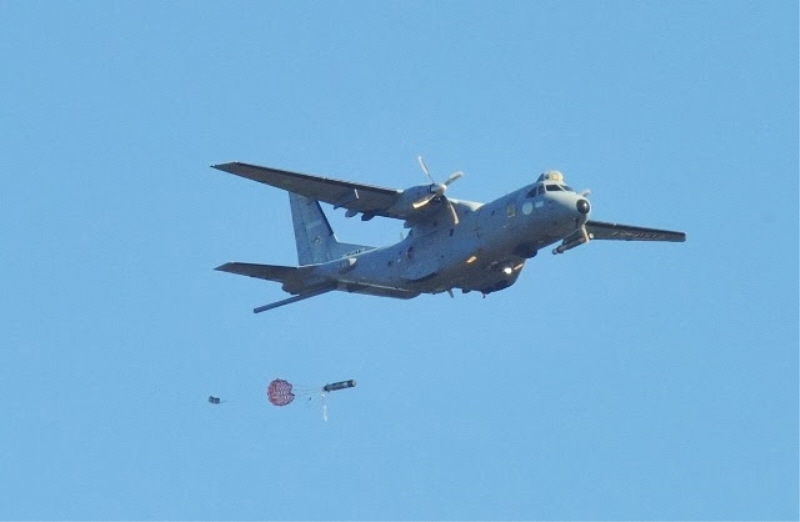
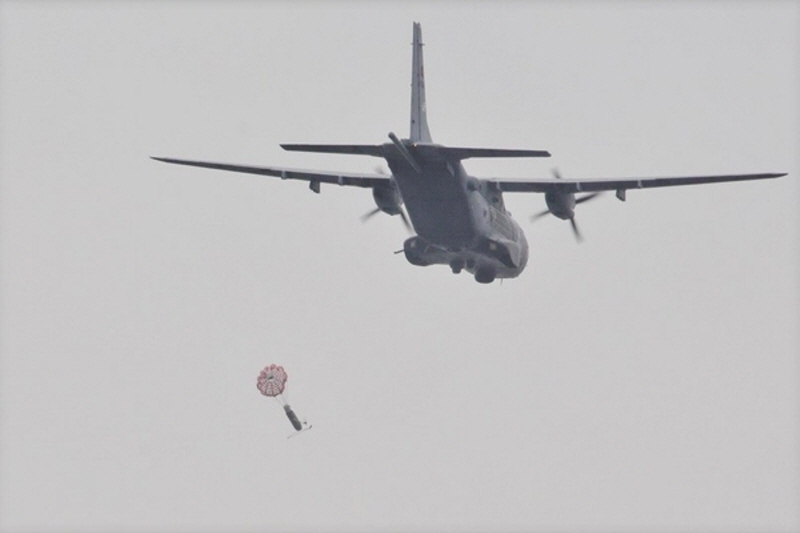
Turkish navy beg to differ. They have six CN-235 ASW version operational for nearly 15 years now. They also operate in shallow littorals, with heavy shipping traffic and many islands. It has a full French THALES system centered around the TACTICOS mission system, same as RMAF B200T.
This is a given. Most weapons and many commercial goods have parts originating from other parts of the world.
It may not be a case that they are assembling the missiles; likely producing some parts e.g. munition warhead for which they have an established competence or rocket motor as in the case of Blue Spear. There is also bound to be some form of tech sharing. This is an arrangement that started in the late 1990s.
Easier said than done to initiate a blockade from air and sea as not many countries have the resources and endurance to do so esp. for a key global commercial node.
Personally the decision to local assembly is more towards industrial, technological & employments rather than due to national security reasons like ability to produce ammunition during a conflict.
In an event of a conflict, we just like during WW2 don't even have much abilities to even feed our population
Turkish navy beg to differ. They have six CN-235 ASW version operational for nearly 15 years now. They also operate in shallow littorals, with heavy shipping traffic and many islands. It has a full French THALES system centered around the TACTICOS mission system, same as RMAF B200T.
And yet they still go out there and bought the ATR72 anyway.
The reason they went for ATR-72
their whole ASW system is based around THALES AMASCOS-300 system. Both for CN-235 and ATR-72. All the components are from 2004/2005 era of hardwares. Even for the ATR-72, 95% of the same system from CN-235 is fitted to the ATR-72.
Why? Because they have bought all the ASW equipment at once in the mid-2000s. They moved to ATR-72 because the ATR-72 is a bit bigger for all the hardwares.
If we want to buy ASW hardwares now, there are more lighter systems that functions the same and can be replaced without hassle.
One example
The MAD system used is the CAE AN/ASQ-508(V). The MAD sensor only weighs around 50kg. CAE has developed a replacement of the AN/ASQ-508(V) called MAD-XR. MAD-XR has the same performance as AN/ASQ-508(V), but weighs less than 2kg.
Sonobuoys sizes has reduced considerably. No need to cut holes in the fuselage for sonobuoy launchers. Just have sonobuoy pods hung from weapon pylons.
As for pylons, ATR-72 only have 2, on the fuselage.
CN-235 possible max 8 pylons, 4 on wing, 4 on stub wings on side sponsons
.
This is the stub wings on actual aircraft. Also see the engine is equipped with IR exhaust suppressor, a piece of equipment that is not available for ATR-72. IR exhaust suppressor is used to reduce the possibility of the engine being hit by heat-seeking missiles.
Thank you for the sharing up there on MAD and sonar bouys. I am still not so convinced on its viability in South China Sea as things like salinity and the presence of scores of hulls of other ships in a small area may impact the utility of these devices
Ill read up more on it when I have the time.
Sorry if I am a trifle angsty lately guys. My apologies. Going for a lil ops and not too fond of it.


 Oct 14 2022, 11:49 AM




 Quote
Quote




 Thailands Spike missiles are built in Singapore.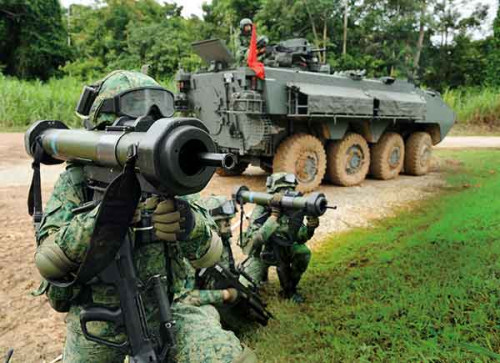




 0.0366sec
 0.24
0.24
 6 queries
 GZIP Disabled