Welcome Guest ( Log In | Register )

119 Pages « < 67 68 69 70 71 > » Bottom

Outline · [ Standard ] · Linear+

 Venturing into Agriculture & Aquaculture, Co-Ordination & Implementation is KEY

views
     
MrFarmer
post Aug 27 2012, 07:21 PM

Casual
***
Junior Member
478 posts

Joined: Mar 2011
From: Sabah


QUOTE(Binyamin @ Aug 27 2012, 06:25 PM)
Hi guys I am interested to do hydroponic farming on a a commercial scale. Meanwhile I have started a little drip system at my home.

Why is it that hydroponic in Malaysia is not popular, even on this forum not many are talking about it.

The other thing is once I produce the fruit or vege how do I go about marketing it? Thanks all!
*
Hi Binyamin,
I guess hydroponic is not commercially feasible yet (here), but I guess some day it shall be. Malaysia still has lots of land for agriculture. Had did some reading on hydroponic, but am not ready for it yet as I'm also new in planting. Am learning the traditional way first, planting in soil and finding it very challenging.

Market Farm produce is just like any other marketing. Only that most are perishable / semi-perishable (do your initial study well). Your logistic has to be right. Firstly identify your market. Distribution, wholesale, retail. Also you need to look at the volume that you are producing or targeting. Initially you'll need to do lots of running around, just like any other products. Persistence shall make the day.


Added on August 27, 2012, 7:40 pm
QUOTE(ah_suknat @ Aug 27 2012, 06:52 PM)
thanks for the replies. I bought the ducklings at rm2.5 from jabatan vetenari, they are low on stocks so only manage to get 100, I bought the 300 from private at rm4 each, you think the price reasonable?

Aas food cost is the main cost, what is the best way to feed them with the lowest cost possible? without compromising their egg laying performance? Do you think left over food I get from schools and restaurant is ok for them?

are you experience with large scale duck farming? what is the best shelter layout design to build? with the land that I draw, what would you advice on the layout of the farm?

thanks again smile.gif
*
Hi ah_suknat,
Say, you in Sabah?
Did some study on duck rearing but did not venture into it as
1) Very heavy eater
2) Limited market (meat)
3) My Land not suitable (water)
Spoke with a couple of people who had done / doing duck (meat), Keningau area. All of them says that the ducks has huge appetite. Manage the food and you should make it feasible. Those that had stopped also say that the feed is too high.

I guess duck eat many things, but feeding them left over, you need to process it. Also you do not have much control (on the left over). Oils, Bones etc.

If you are in Peninsular, you can see a lots of large scale duck farm on the KL-Ipoh Old road, near Kampar, Gopeng on those ex-mining pools.

I spoke with my son, culinary arts students, he say cake / pastry house uses lots of duck eggs. You may also consider Century egg? (the black 1). Do make sure the source of water, you mentioned river, you'll need to make sure it ever dries up. Quality of the water?


This post has been edited by MrFarmer: Aug 27 2012, 07:40 PM
Michael J.
post Aug 28 2012, 11:19 AM

On my way
****
Senior Member
596 posts

Joined: Jan 2006


Wow.... Sudden spike in activity.

As always, my computer system here seems to recognize Photobucket and Flickr as a security threat, so I can't view any pictures loaded up on those kind of picture viewers.

Anyway, onto the questions:

Binyamin:

Hydroponics used to be quite popular during the 1990s. But to produce cost effective hydroponic crops requires huge scales, and the huge scale of producing hydroponic crops costs too much.

To put into perspective:
1 acre of hydroponic system with PU sheds and systems will be in the range of about RM1 million easily. This does not include the cost of the land itself, or the overheads, which would increase the total initial capital outlay to RM1.5 million easily.

For conventional farming on 1 acre of land, the normal capital outlay is about RM150,000 or less, including the acquisition of land. Here I'm assuming heavy agri machines are rented, not owned.

The amount of crop produced in a 1 acre hydroponics facility is roughly 4 times the yield of conventional farming. So if 1 acre can produce about 30,000kg of crop per year using conventional method, hydroponics would give 120,000kg.

Now let's calculate the revenues.

If 1kg of crop averages about RM5 per kg, conventional farming would yield RM150,000 a year. After amortization of land costs, the farmer could see a nett profit of around RM30,000- RM50,000. With hydroponics, the revenue would be about RM600,000; net revenue would be in the range of RM130,000 or so.

Although hydroponics is 4.33 times greater than conventional farming, the initial capital outlay is 10 times as much. Keep in mind that in any business, be it farming or food peddling, there is a minimal scale of sale needed to break even, so with costlier equipment, higher efficiency is required to offset its cost.

Aside from this, do bear in mind the vicious cycle of agriculture output. To put it simply, more does not necessarily mean better. Producing 4.33 times the yield of conventional farming would look good on paper, but would it cause an oversupply in the marketplace, and hence a price crash? I remember that at one point, Cameron Highland farmers literally dumped tons of cabbages on the doorsteps of their local DOA after influx of foreign cabbages led to prices plummeting from RM2.00 per kg to RM0.40 per kg within a month.

Farming is not just about biology. It is also about marketing and economics. In other words, it's a multidisciplinary subject, which is often not emphasized.

You can market through FAMA, but I don't like them very much. In my opinion, they haven't been doing a good job. You can get a wholesaler to buy up your crop, especially if you have large scale. But honestly, you'd get more value for your produce if you sold them yourself.

ah_suknat:

RM2.50 per duckling is very cheap; RM4 is the standard resale price.

You can use feeding troughs, but you will need to find a suitable one. Rain gutters are a good choice. As for feed, free range them. Ducks are natural foragers, and they will eat what they need. Think of them as the goats of the poultry world.

A less desirable, but economically sound way is to use bulkers in their feed. This include things like coconut crumbs, ground up vegetable refuse, self caught small fish, ground up fish guts/bones/skins/scales etc. Be sure to fine grind them though. Just make sure that if you do this, the food is free from bacteria (like salmonella) since you're targeting eggs. Don't want contaminants from the feces infecting the eggs. You can add other nutrients separately using vitamins.

Just for information sake, it takes about 2.4kg of feed to get 1kg of duck eggs (roughly 14 eggs) IF you're having Khaki Campbells or Indian Runner ducks, and you free range them. Other duck breeds would take up around 4.5kg of feed to produce the same. For Khaki Campbells that are battery farmed (confined), they will consume a lot more food to produce 1kg eggs, about 3.1kg of feed in fact.

I don't support factory farming, I'm afraid. So no, I do not associate myself with battery farms for poultry or livestock.

This post has been edited by Michael J.: Aug 28 2012, 11:33 AM
ah_suknat
post Aug 28 2012, 02:27 PM

whoooooooooooooop
*******
Senior Member
5,170 posts

Joined: Jul 2006
From: /k//k/, /k/undasang


QUOTE(MrFarmer @ Aug 27 2012, 11:21 AM)
Hi ah_suknat,
Say, you in Sabah?
Did some study on duck rearing but did not venture into it as
1) Very heavy eater
2) Limited market (meat)
3) My Land not suitable (water)
Spoke with a couple of people who had done / doing duck (meat), Keningau area. All of them says that the ducks has huge appetite. Manage the food and you should make it feasible. Those that had stopped also say that the feed is too high.

I guess duck eat many things, but feeding them left over, you need to process it. Also you do not have much control (on the left over). Oils, Bones etc.

If you are in Peninsular, you can see a lots of large scale duck farm on the KL-Ipoh Old road, near Kampar, Gopeng on those ex-mining pools.

I spoke with my son, culinary arts students, he say cake / pastry house uses lots of duck eggs. You may also consider Century egg? (the black 1). Do make sure the source of water, you mentioned river, you'll need to make sure it ever dries up. Quality of the water?
*
Hi Mrfarmer,
Yes I am in Sabah, the farm is in Ranau to be exact.
1) yeah true they are big eater, head ache! that why I am trying to find ways in reducing the cost of feed.
2)I do not plan to sell it for the meat, but more for the eggs. I read an article said 90% of poultry industry actualy do not major in producing broiler, but major in eggs producing and only sell the meat as by product.
3) I thought water is a big plus for duck rearing? since ducks LOVE water.

that what I am trying to target as well, I will try to speak with hotels and bakeries to supply them fresh ducks eggs. but cost by cost, is it more profitable then selling salted egg & century egg? those have higher margin but the low demand off set it. I wonder where I can sell salted eggs and century eggs other than super markets.

its not really river per se, more like water ways supplied for the paddy field near by. water quality is ok, gets slight muddy during heavy rain, main concern is the water might gets poisoned during paddy season, so plain to have a seperate pipe to link the clean water source to the ponds.


Added on August 28, 2012, 2:42 pm
QUOTE(Michael J. @ Aug 28 2012, 03:19 AM)
ah_suknat:

RM2.50 per duckling is very cheap; RM4 is the standard resale price.

You can use feeding troughs, but you will need to find a suitable one. Rain gutters are a good choice. As for feed, free range them. Ducks are natural foragers, and they will eat what they need. Think of them as the goats of the poultry world.

A less desirable, but economically sound way is to use bulkers in their feed. This include things like coconut crumbs, ground up vegetable refuse, self caught small fish, ground up fish guts/bones/skins/scales etc. Be sure to fine grind them though. Just make sure that if you do this, the food is free from bacteria (like salmonella) since you're targeting eggs. Don't want contaminants from the feces infecting the eggs. You can add other nutrients separately using vitamins.

Just for information sake, it takes about 2.4kg of feed to get 1kg of duck eggs (roughly 14 eggs) IF you're having Khaki Campbells or Indian Runner ducks, and you free range them. Other duck breeds would take up around 4.5kg of feed to produce the same. For Khaki Campbells that are battery farmed (confined), they will consume a lot more food to produce 1kg eggs, about 3.1kg of feed in fact.

I don't support factory farming, I'm afraid. So no, I do not associate myself with battery farms for poultry or livestock.
*
Hi, Michael J,
suddenly I have a thought on rearing catfish as their source of protein and calcium, but cost to cost, which is more profitable? reducing food cost by rearing cat fish to feed the ducks, or rearing cat fish to sell for money? my mom told me the market prce for cat fish is RM7 per kg. the plus side in rearing catfish is they grow up fast ( 3 month?) and rather cheap to buy the bibit, plus I dont have to worry about their food as they can get it from duck manure.(if I build pen on top of the ponds), the down side is they will hide in the mud and hard to catch sad.gif . if I were to sell it, is it easier to sell compare to tilapia? I sledom go to the wet market but I dont even remember the last time I ate a catfish sweat.gif

If my mom eventually manage to get left over food from schools and restaurants, are they safe to consume for the ducks later? what do I need to take into consideration?
1) how to make sure the left over food are free from backeria? should I mixed anti biotic with it?
2) if they eat porks, will it make the duck eggs not halal?

is it good to feed them powdered bones for their source of calcium?(gonna get them from KFC left over tongue.gif )
you also mentioned duckweed and watermillfoils, how do I grow them? do they just grow itself? are they fesible in large scale?

I can see that you are very good at pofitability calculation and project feasibility for an agriculture project, may I ask you what are main concern I need to know in starting a duck eggs production in terms of costing, how much money do I need and where does the money goes? assuming I start from sratch.

If my ultimate goal is to rear up to 10k ducks, which is better? buy the ducklings or hatch them myself? I do not plan to sell ducklings.

if I cant source the ducklings locally, is it possible to have ducklings SHIP all the way from peninsular to Sabah?

what is meant by intensive, non intensive?

thank you very much!

This post has been edited by ah_suknat: Aug 28 2012, 11:46 PM
Binyamin
post Aug 28 2012, 04:54 PM

Casual
***
Junior Member
375 posts

Joined: Jul 2012
From: Malaysia


Thanks for your answer, it is very detailed with everything I want answered. biggrin.gif Wow I didn't know hydroponic need that large amount of capital! I suppose it will be cheaper if you build the system yourself out of things like PVC pipes than to import a whole set for 1 million per acre rclxub.gif . If I am going to produce crops I would need to know at what point of my production level will it effect market price and by how much. I suppose it is hard to ascertain the answer. Or is it?

QUOTE(Michael J. @ Aug 28 2012, 11:19 AM)

Binyamin:

Hydroponics used to be quite popular during the 1990s. But to produce cost effective hydroponic crops requires huge scales, and the huge scale of producing hydroponic crops costs too much.

To put into perspective:
1 acre of hydroponic system with PU sheds and systems will be in the range of about RM1 million easily. This does not include the cost of the land itself, or the overheads, which would increase the total initial capital outlay to RM1.5 million easily.

For conventional farming on 1 acre of land, the normal capital outlay is about RM150,000 or less, including the acquisition of land. Here I'm assuming heavy agri machines are rented, not owned.

The amount of crop produced in a 1 acre hydroponics facility is roughly 4 times the yield of conventional farming. So if 1 acre can produce about 30,000kg of crop per year using conventional method, hydroponics would give 120,000kg.

Now let's calculate the revenues.

If 1kg of crop averages about RM5 per kg, conventional farming would yield RM150,000 a year. After amortization of land costs, the farmer could see a nett profit of around RM30,000- RM50,000. With hydroponics, the revenue would be about RM600,000; net revenue would be in the range of RM130,000 or so.

Although hydroponics is 4.33 times greater than conventional farming, the initial capital outlay is 10 times as much. Keep in mind that in any business, be it farming or food peddling, there is a minimal scale of sale needed to break even, so with costlier equipment, higher efficiency is required to offset its cost.

Aside from this, do bear in mind the vicious cycle of agriculture output. To put it simply, more does not necessarily mean better. Producing 4.33 times the yield of conventional farming would look good on paper, but would it cause an oversupply in the marketplace, and hence a price crash? I remember that at one point, Cameron Highland farmers literally dumped tons of cabbages on the doorsteps of their local DOA after influx of foreign cabbages led to prices plummeting from RM2.00 per kg to RM0.40 per kg within a month.

Farming is not just about biology. It is also about marketing and economics. In other words, it's a multidisciplinary subject, which is often not emphasized.

You can market through FAMA, but I don't like them very much. In my opinion, they haven't been doing a good job. You can get a wholesaler to buy up your crop, especially if you have large scale. But honestly, you'd get more value for your produce if you sold them yourself.


*
MrFarmer
post Aug 28 2012, 07:09 PM

Casual
***
Junior Member
478 posts

Joined: Mar 2011
From: Sabah


Check these out.
user posted image

user posted image
ah_suknat
post Aug 29 2012, 11:09 AM

whoooooooooooooop
*******
Senior Member
5,170 posts

Joined: Jul 2006
From: /k//k/, /k/undasang


http://www.kickstarter.com/projects/176372...-the-dream-farm

how I wish I can do this here,,,,is there any medium like this here in Malaysia that I can try to collect funds...?
merce
post Aug 29 2012, 05:34 PM

Casual
***
Junior Member
474 posts

Joined: Nov 2007


hi fellas,

i'm doing some studies about fish farming at the moment, Tilapia farming to be exact.

a friend of mine is interested actually, and though i dont really share his enthusiastic, i do believe he has overlook certain aspect of risk when it comes to starting new business.

anyhow, the 1st time that came to my mind was diseases;

1) what sort of diseases are there when it comes to Tilapia farming, and how do we identify/prevent them.

2) what is the occurring rate of these diseases, and the cause?

hopefully this could help him.

if u happened to be in KL, and enjoy coffee and discussion in the afternoon, let me know. =)

MrFarmer
post Aug 29 2012, 06:46 PM

Casual
***
Junior Member
478 posts

Joined: Mar 2011
From: Sabah


QUOTE(ah_suknat @ Aug 29 2012, 11:09 AM)
http://www.kickstarter.com/projects/176372...-the-dream-farm

how I wish I can do this here,,,,is there any medium like this here in Malaysia that I can try to collect funds...?
*
I guess it's difficult as too many red tapes here in Malaysia. ah_suknat, when I started on planting 2 years ago, I have this idea of putting up my trees for adoption. Where a donor, supporter, financer pledge / donate to support a tree, and we up date them on the progress. But my idea were shot down many times. Was thinking if this works, then all the people in the world can help green the earth, by keeping our land green.
ah_suknat
post Aug 29 2012, 07:01 PM

whoooooooooooooop
*******
Senior Member
5,170 posts

Joined: Jul 2006
From: /k//k/, /k/undasang


QUOTE(MrFarmer @ Aug 29 2012, 10:46 AM)
I guess it's difficult as too many red tapes here in Malaysia. ah_suknat, when I started on planting 2 years ago, I have this idea of putting up my trees for adoption. Where a donor, supporter, financer pledge / donate to support a tree, and we up date them on the progress. But my idea were shot down many times. Was thinking if this works, then all the people in the world can help green the earth, by keeping our land green.
*
hey! thats adoption is actually a good idea!

I have been thinking If I were to ask for fund in the kick start program, what should I offer the investors, now that perhaps an adoption for a duck is probably a good one!
Michael J.
post Aug 30 2012, 10:27 AM

On my way
****
Senior Member
596 posts

Joined: Jan 2006


ak_suknat & binyamin:

I'm gonna have to get back to both of you much later. Am rushing on the whole Bioeconomy thing the government wants to unleash end of the year.


ah_suknat
post Aug 30 2012, 10:43 AM

whoooooooooooooop
*******
Senior Member
5,170 posts

Joined: Jul 2006
From: /k//k/, /k/undasang


QUOTE(Michael J. @ Aug 30 2012, 02:27 AM)
ak_suknat & binyamin:

I'm gonna have to get back to both of you much later. Am rushing on the whole Bioeconomy thing the government wants to unleash end of the year.
*
sure, take your time, thanks for letting us know smile.gif
keep us update with the government project
MrFarmer
post Aug 31 2012, 08:44 PM

Casual
***
Junior Member
478 posts

Joined: Mar 2011
From: Sabah


QUOTE(ah_suknat @ Aug 28 2012, 02:27 PM)

1) how to make sure the left over food are free from backeria? should I mixed anti biotic with it?

If my ultimate goal is to rear up to 10k ducks, which is better? buy the ducklings or hatch them myself? I do not plan to sell ducklings.

if I cant source the ducklings locally, is it possible to have ducklings SHIP all the way from peninsular to Sabah?

what is meant by intensive, non intensive?

thank you very much!
*
You can boil the left over to high temperature to kill the bacteria. They do this for the pig feed. Higher tech shall be pressure cooker.

There is 2 big chicken farm near my area. They still buy the chicks rather than hatching themselves.

Bringing animals from peninsular legally, needs to go thru' Veterinarian Department and need to go thru' quarantine. Same for plants.
MrFarmer
post Sep 14 2012, 09:41 PM

Casual
***
Junior Member
478 posts

Joined: Mar 2011
From: Sabah


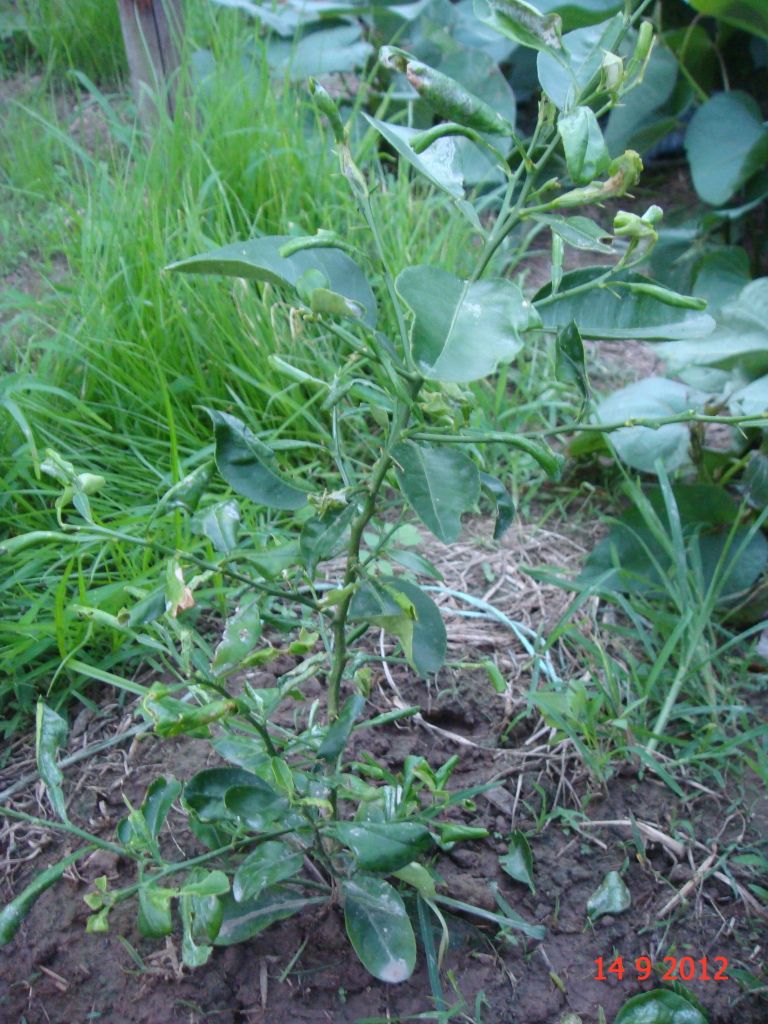
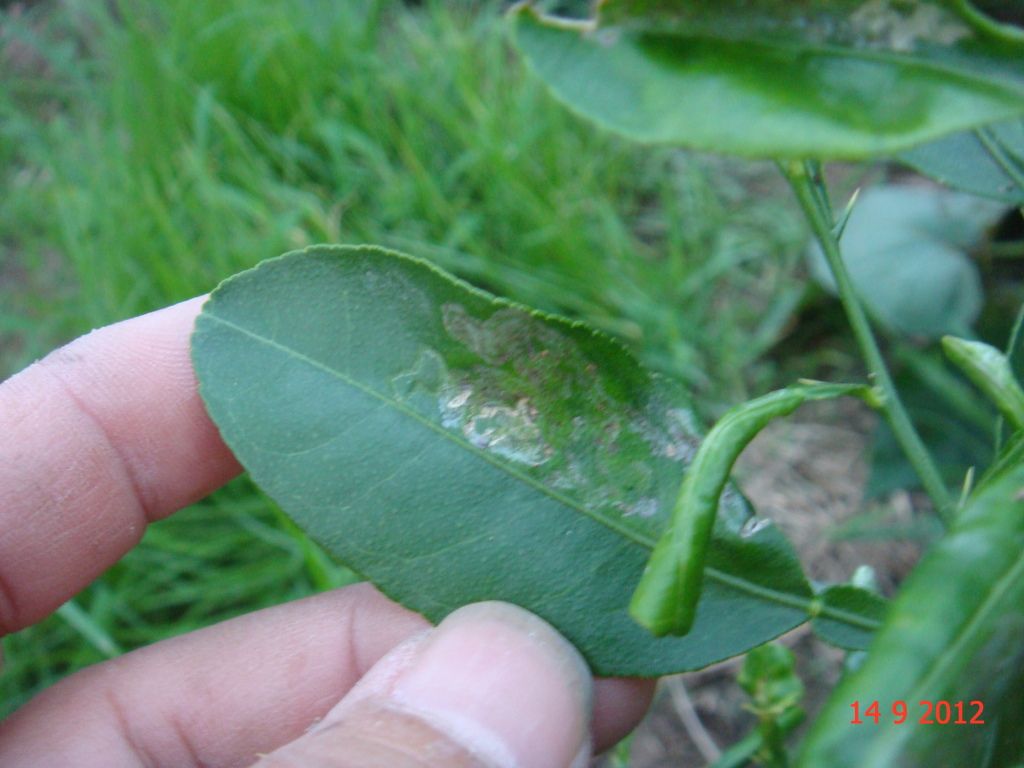
What's wrong with my Lime trees? Have 3 of these and all have this problem.

user posted image
user posted image


Added on September 16, 2012, 9:21 pm
QUOTE(MrFarmer @ Sep 14 2012, 09:41 PM)
What's wrong with my Lime trees? Have 3 of these and all have this problem.

Citrus Leaf Miner and or Red Mites?
Now looking for ways to treat it.

This post has been edited by MrFarmer: Sep 16 2012, 09:21 PM
hitsugaya2010
post Sep 16 2012, 10:10 PM

Enthusiast
*****
Senior Member
946 posts

Joined: May 2010
Hi guys..

Anyone knows where to get cheap bamboo? I am in Negeri Sembilan. So far the cheapest i can get is 1 ringgit per feet.. which is also quite costly cause i have to purchase alot for organizing a camp.. would appreciate for any guidance.. =)
summerav4
post Sep 19 2012, 12:42 PM

New Member
*
Junior Member
15 posts

Joined: May 2012
Halo ppl, im searching for composting earthworms and black soldier flies larvae. Please pm me if u have any. Thanks!
Kg Teratai
post Sep 26 2012, 11:22 AM

Getting Started
**
Junior Member
85 posts

Joined: Jan 2012
Hallo,

Been busy last few weeks. only manage to visit the farm on Malaysia Day. There will be another minor durian session in my kampong on Oct.

I need to check with sifu here what is the solution for these problem.

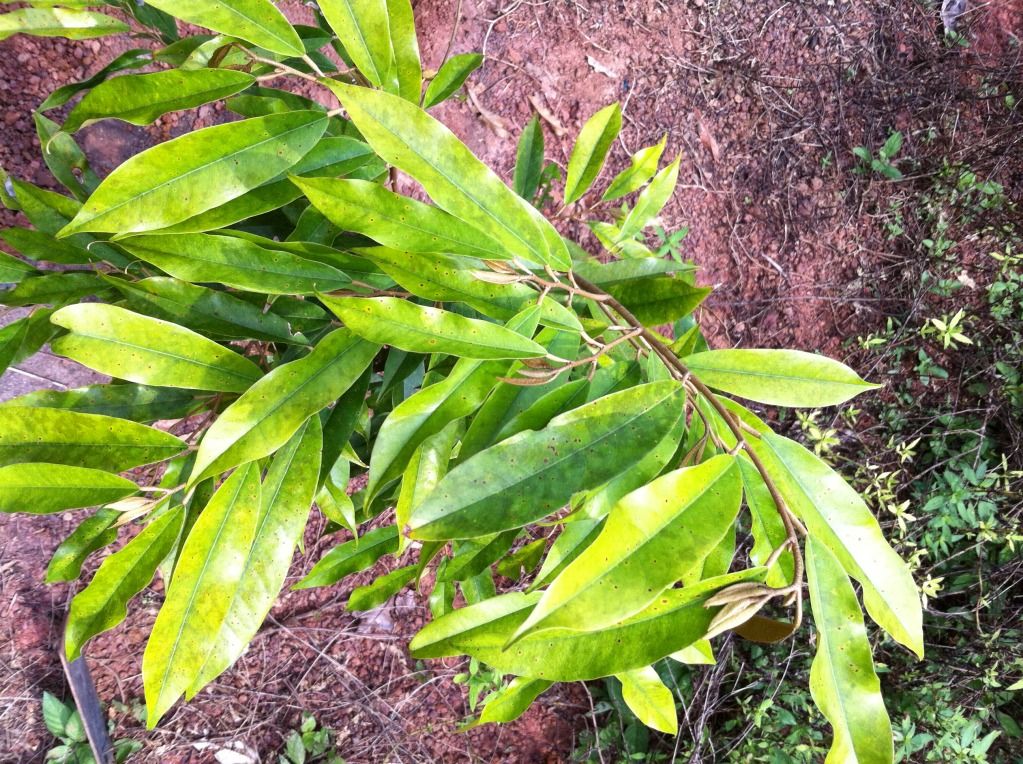
user posted image
This tree looks like it is lack of nutrients, however, I already put the fertilizer 1 month ago. What can it be the issue that the leaf look yellowish and small?


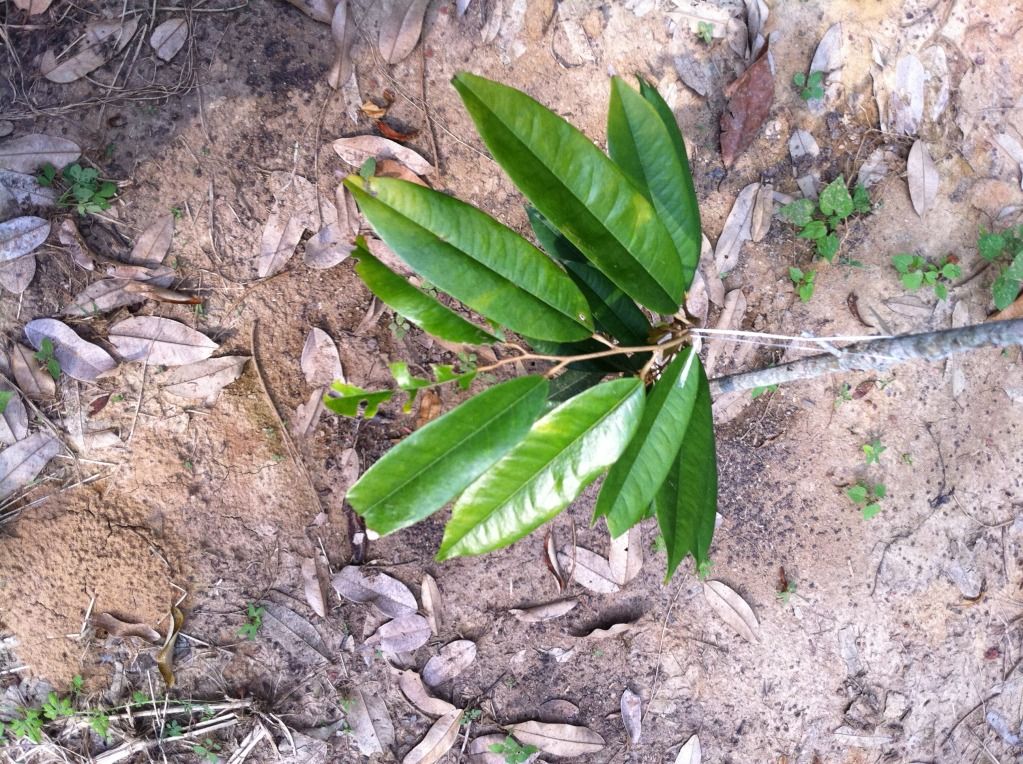
user posted image
attacked by cracker? recently just apply racun, lets see how is the progress.


user posted image
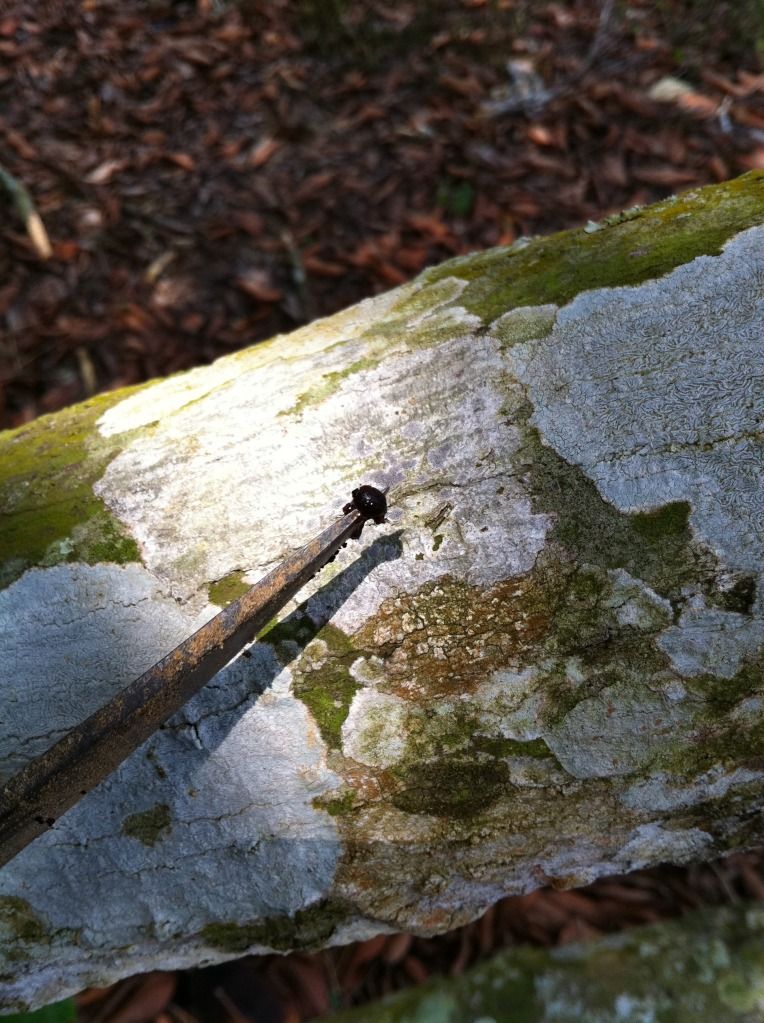
this buggies have attack a lot of my cempedak tree. Some of it already dig very deep into the tree. What is solution for it?
Michael J.
post Sep 26 2012, 03:11 PM

On my way
****
Senior Member
596 posts

Joined: Jan 2006


Hi guys, so sorry for the long absence. Still in the midst of final leg for bioeconomy Malaysia.

But just to quickly answer some of the questions posted:

binyamin:

It may be hard, but it is necessary. You can estimate your yield, the functional word here being "estimate". Take for example a 200 square meter hydroponics unit planting pumpkin. You can easily fit in about 640 plants in there. Knowing this, you can now determine what variety of pumpkin to plant (eg. cooking, or sweet etc.). Assume you plant the sweet variety, each plant can bear on average 5 pumpkins weighing 3.75kg. This would give you about 12,075kg of crop. With each season lasting about 4 months, you should be able to have 2.5 - 3 cycles in a year. This would give you in total 36,225kg of crop a year.

So you know what is your production capacity. What you need now is to make sure your crop does not come into harvest at the same time as most other producers (which will force prices down due to high supply). The benefit of a hydroponics unit is that you can easily manipulate your sowing and harvesting schedules, as long as you are well informed. For such information, you can check with FAMA or your local DOA. They should have some data.

Also, if you noticed, you can also manipulate what variety and crop you want to plant, based on the pricing trends. This does take a little extra work on your part, and some statistics background with good knowledge of using Excel spreadsheets, but it would help in the long run when planning.

Ah_suknat:

Nestle once had a Kickstart program in Malaysia, called Nescafe Kickstart. But it was more for publicity rather than a real "social funding" thing like Kickstarter.

However, for agriculture, there are other ways of getting about it. You can approach FAMA for some entrepreneurship support, or DOA, or LKIM (for aquaculture). They may not give money per se, but they could offer other things, like farming cages (for fish), subsidized/free seedlings, materials etc.

Mr Farmer:

Really sorry man, I can't view any pictures over here. I will need to get back to you later. Maybe by the end of the week.

merce:

There are many diseases in fish culture, especially high density cultures in earthen ponds. But the number one killer disease in tilapia has to be vibrio infection. This is a bacteria that infests the gut of the fish, causes malnutrition and starvation, and can spread to humans. It lead to massive fish kills. One of the many strains of vibrio causes the disease known to humans as cholera.

Aside from that, ich or white spot, fish tuberculosis, rots, and possibly nematodes infection.

But as a qualifier, I should add that the tolerance of fish towards disease pressure is dependent on how the farm is managed, and what strain of fish is kept. Good tilapia strains with strong genetics would be able to tolerate diseases much better than highly inbred lines. They may not be cheaper though, and consumers can't make out the differences.


Added on September 26, 2012, 3:13 pmOn the Bioeconomy for Malaysia, I can't reveal much at this point. All I can say is that the plan is to launch it at the upcoming BioMalaysia event in November, and that leading projects are going to be very interesting for those with spare land to grow fruit trees.

This post has been edited by Michael J.: Sep 26 2012, 03:13 PM
MrFarmer
post Sep 26 2012, 06:31 PM

Casual
***
Junior Member
478 posts

Joined: Mar 2011
From: Sabah


QUOTE(Michael J. @ Sep 26 2012, 03:11 PM)


On the Bioeconomy for Malaysia, I can't reveal much at this point. All I can say is that the plan is to launch it at the upcoming BioMalaysia event in November, and that leading projects are going to be very interesting for those with spare land to grow fruit trees.
*
Hey, me am looking into fruit trees too, Avocado and Jackfruit. Started to research on Sour sop as well. Am testing out tea from Sour sop leaves.
Michael J.
post Sep 27 2012, 08:46 AM

On my way
****
Senior Member
596 posts

Joined: Jan 2006


Mr Farmer:

Haaa.... ok, maybe I should qualify that statement by saying the project involves only one kind of fruit tree, meant for the nutraceuticals/functional foods market. A clue: it is an under-rated native tree in Malaysia.
TSParaOpticaL
post Oct 4 2012, 08:12 PM

Planter - Durian, Jackfruit, Papaya
*******
Senior Member
2,348 posts

Joined: Dec 2004
From: Ch3r@s


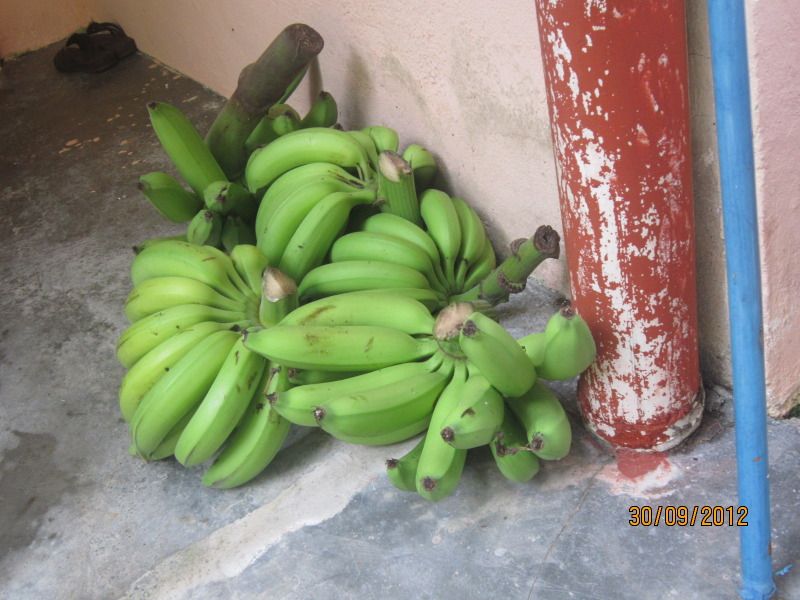
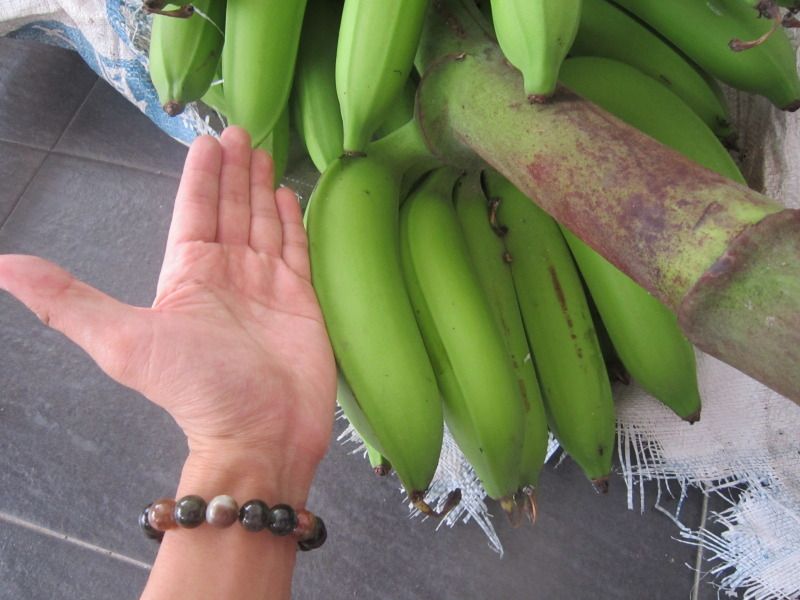
Would like to take this opportunity to thank bro Michael J. & My sifu from Raub who taught me so much and my 1st banana harvest this month

the 1st whole bunched weighed in at 18kgs

user posted image

user posted image

user posted image

119 Pages « < 67 68 69 70 71 > » Top
 

Change to:
| Lo-Fi Version
0.0235sec    0.51    6 queries    GZIP Disabled
Time is now: 18th December 2025 - 01:32 PM