Welcome Guest ( Log In | Register )

119 Pages « < 66 67 68 69 70 > » Bottom

Outline · [ Standard ] · Linear+

 Venturing into Agriculture & Aquaculture, Co-Ordination & Implementation is KEY

views
     
MrFarmer
post Aug 20 2012, 04:24 PM

Casual
***
Junior Member
478 posts

Joined: Mar 2011
From: Sabah


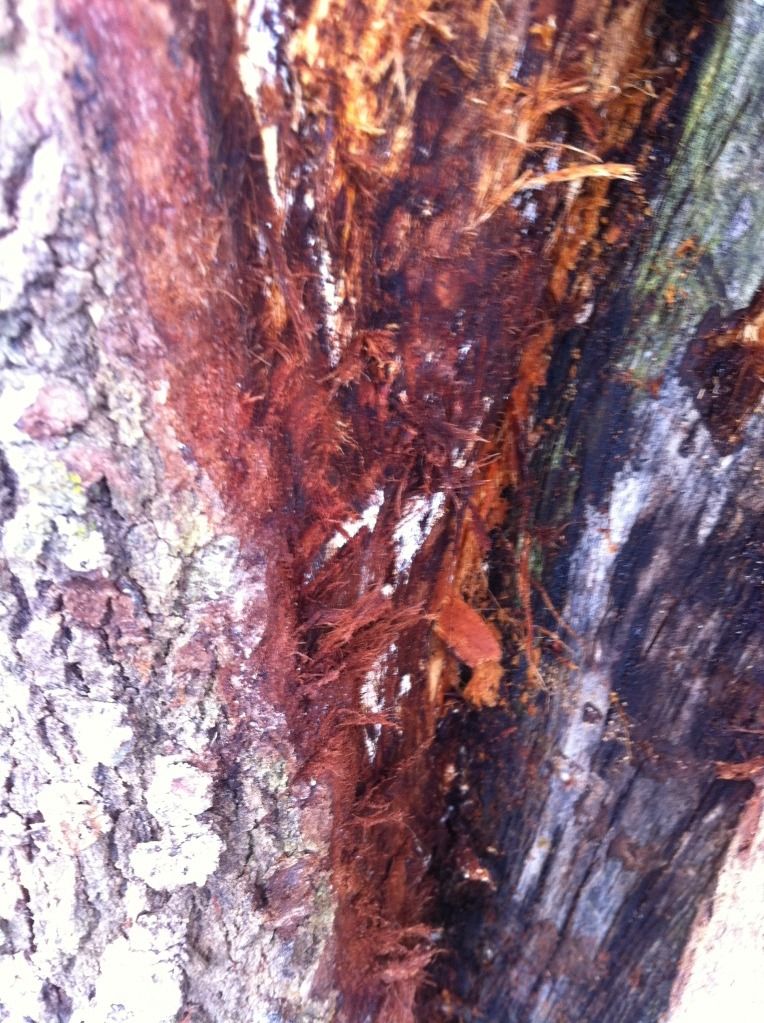
Gaharu, Agarwood, Eaglewood.
Was doing some search on Gaharu and came across this

Cost & Benefits Analysis of Aquilara Species on Plantation for Agarwood Production in Malaysia

Am feeling that Malaysia lags very far behind in this filed, compare to our neighbors. Also read up on the Gaharu thread on LY, not active. It was started back in Oct 2007. Hope that they are Millionaires by now.

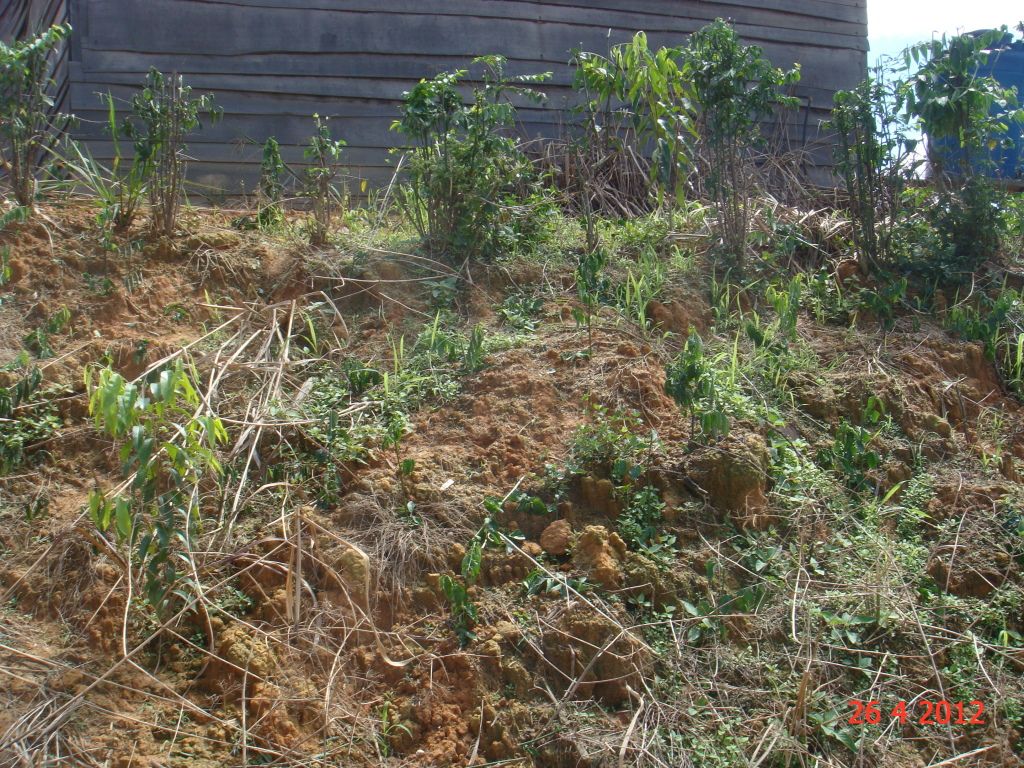
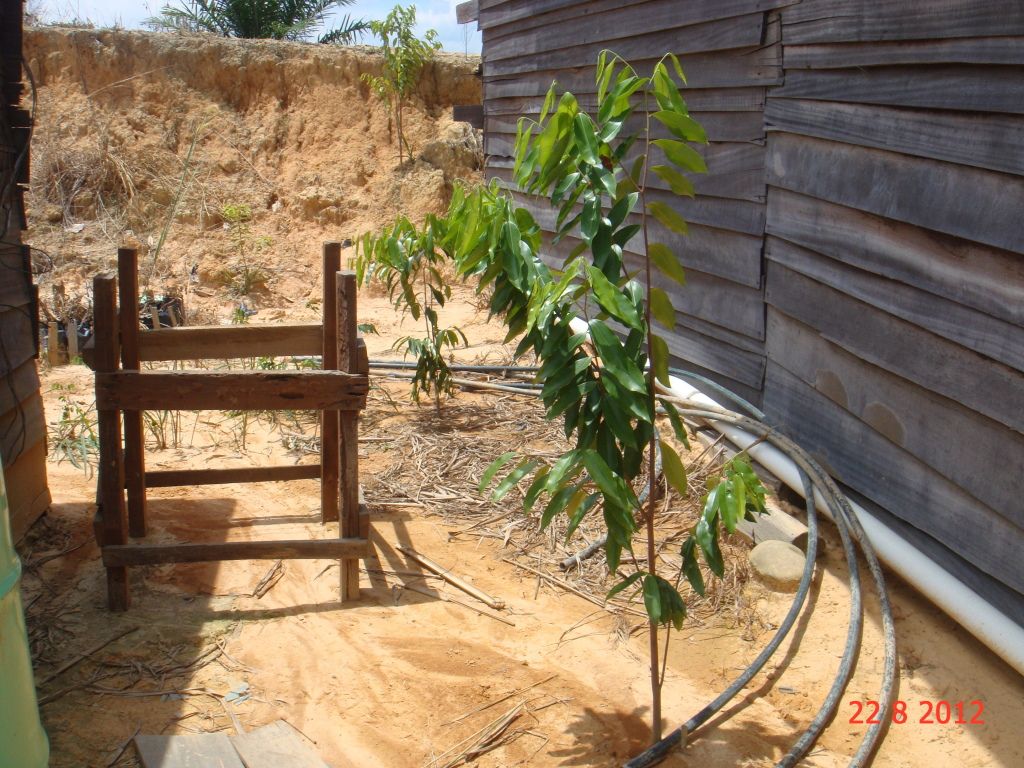
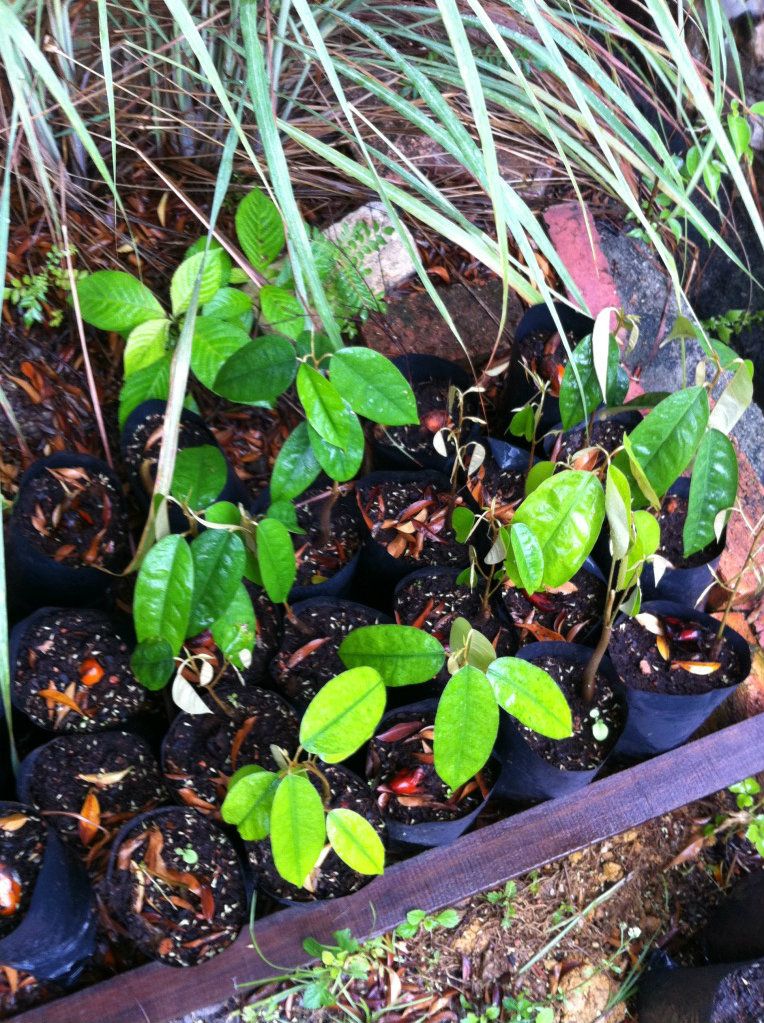
Planted some Agarwood on the slope.

user posted image


Attached File(s)
Attached File  GaharuCostAna.pdf ( 185.67k ) Number of downloads: 19
insearching
post Aug 20 2012, 09:11 PM

New Member
*
Junior Member
39 posts

Joined: Dec 2011


QUOTE(MrFarmer @ Aug 17 2012, 12:39 AM)
Oh Yes, of course there is. You may want to try opium  biggrin.gif
*
opium? it is legal?

smile.gif


Added on August 20, 2012, 9:13 pm
QUOTE(optimus_shine @ Aug 17 2012, 02:46 AM)
lol!

try saffron, its the most expensive herbs in the world! tongue.gif
*
is Malaysia's weather and climate suitable to plant saffron?

smile.gif

This post has been edited by insearching: Aug 20 2012, 09:15 PM
TSParaOpticaL
post Aug 22 2012, 07:51 AM

Planter - Durian, Jackfruit, Papaya
*******
Senior Member
2,348 posts

Joined: Dec 2004
From: Ch3r@s


Hi folks,

To Those who are planting Jatropha might want to read this article :-

http://www.npr.org/blogs/thesalt/2012/08/2...e-crashing-down
Michael J.
post Aug 22 2012, 09:17 AM

On my way
****
Senior Member
596 posts

Joined: Jan 2006


As far as I know, most growers of gaharu/agarwood/aquilaria/eaglewood had mixed success. Some had moderate success, while many others have failed. The scientist from FRIM who pioneered its mass propagation himself had indicated doubt of its long term success. He has since left FRIM for greener pastures.

The problem is not so much with growing the aquilaria tree itself, or mass production of the plant. It has to do with the fungus used to inoculate the tree for the production of the gaharu, and the technology involved with getting the gaharu flowing. It is unreliable.

Let me list out some of the hurdles for successful gaharu production:

(i) Species and clonal variety of aquilaria tree. This is very important, as gaharu production depends heavily on the inoculated fungus infecting the tree and causing a response. In other words, you want clonal varieties that have proven record of successful infection AND production of the gaharu. So far, the success of this has been very low, even within FRIM. The best results I've seen is with an on-going project at UNIMAS, and even then, they have yet to release anything just yet. According to the scientist, it will take another 5 years or more before something concrete can be developed.

(ii) Inoculation technique. There as many techniques out there as there are species of aquilaria, and probably more. In other words, no one way has proven to have any greater success over the other. In fact, most techniques give very low results, about 7%-10% of inoculated trees forming the gaharu resin which is prized.

(iii) Quality and quantity. This is a standard problem in any industry and sector, more so in biology-based systems like farms and plantations. You just never know how much product you can expect, or what grade it will be. Of course, it would be convenient to brush this aspect aside by saying all agriculture ventures are likewise risky; however, with other agriculture ventures, you can actually see the production taking place (eg. how many eggs a day produced by poultry, how many oil palm fruit bunches on the palm, etc.). With gaharu production, you will never know until you've chopped down the tree and exposed the heartwood. If the said infection had failed, and the gaharu resin had not formed, then you've just killed a tree for no apparent reason. Not to mention the amount of time and resources wasted to grow it to harvesting stage.

I don't feel the need to list out too much, as I believe the gist of the matter has been adequately covered. Now, it is very important to be able to separate truth from myth, so please, do in depth research (from primary sources) on the subject matter beforehand. If the statement that "everything has a pricetag" holds true, then it would be prudent for anyone to first understand how that "pricetag" first came into being.


yifie_911
post Aug 22 2012, 09:49 PM

New Member
*
Junior Member
36 posts

Joined: Dec 2011


Hi, newbie here...May I know where got vermiculture farm? It is better for the farm is located around N9...
Thank You
MrFarmer
post Aug 22 2012, 10:01 PM

Casual
***
Junior Member
478 posts

Joined: Mar 2011
From: Sabah


QUOTE(Michael J. @ Aug 22 2012, 09:17 AM)
As far as I know, most growers of gaharu/agarwood/aquilaria/eaglewood had mixed success. Some had moderate success, while many others have failed. The scientist from FRIM who pioneered its mass propagation himself had indicated doubt of its long term success. He has since left FRIM for greener pastures.

The problem is not so much with growing the aquilaria tree itself, or mass production of the plant. It has to do with the fungus used to inoculate the tree for the production of the gaharu, and the technology involved with getting the gaharu flowing. It is unreliable.

Let me list out some of the hurdles for successful gaharu production:

(i)  Species and clonal variety of aquilaria tree. This is very important, as gaharu production depends heavily on the inoculated fungus infecting the tree and causing a response. In other words, you want clonal varieties that have proven record of successful infection AND production of the gaharu. So far, the success of this has been very low, even within FRIM. The best results I've seen is with an on-going project at UNIMAS, and even then, they have yet to release anything just yet. According to the scientist, it will take another 5 years or more before something concrete can be developed.

(ii) Inoculation technique. There as many techniques out there as there are species of aquilaria, and probably more. In other words, no one way has proven to have any greater success over the other. In fact, most techniques give very low results, about 7%-10% of inoculated trees forming the gaharu resin which is prized.

(iii) Quality and quantity. This is a standard problem in any industry and sector, more so in biology-based systems like farms and plantations. You just never know how much product you can expect, or what grade it will be. Of course, it would be convenient to brush this aspect aside by saying all agriculture ventures are likewise risky; however, with other agriculture ventures, you can actually see the production taking place (eg. how many eggs a day produced by poultry, how many oil palm fruit bunches on the palm, etc.). With gaharu production, you will never know until you've chopped down the tree and exposed the heartwood. If the said infection had failed, and the gaharu resin had not formed, then you've just killed a tree for no apparent reason. Not to mention the amount of time and resources wasted to grow it to harvesting stage.

I don't feel the need to list out too much, as I believe the gist of the matter has been adequately covered. Now, it is very important to be able to separate truth from myth, so please, do in depth research (from primary sources) on the subject matter beforehand. If the statement that "everything has a pricetag" holds true, then it would be prudent for anyone to first understand how that "pricetag" first came into being.
*
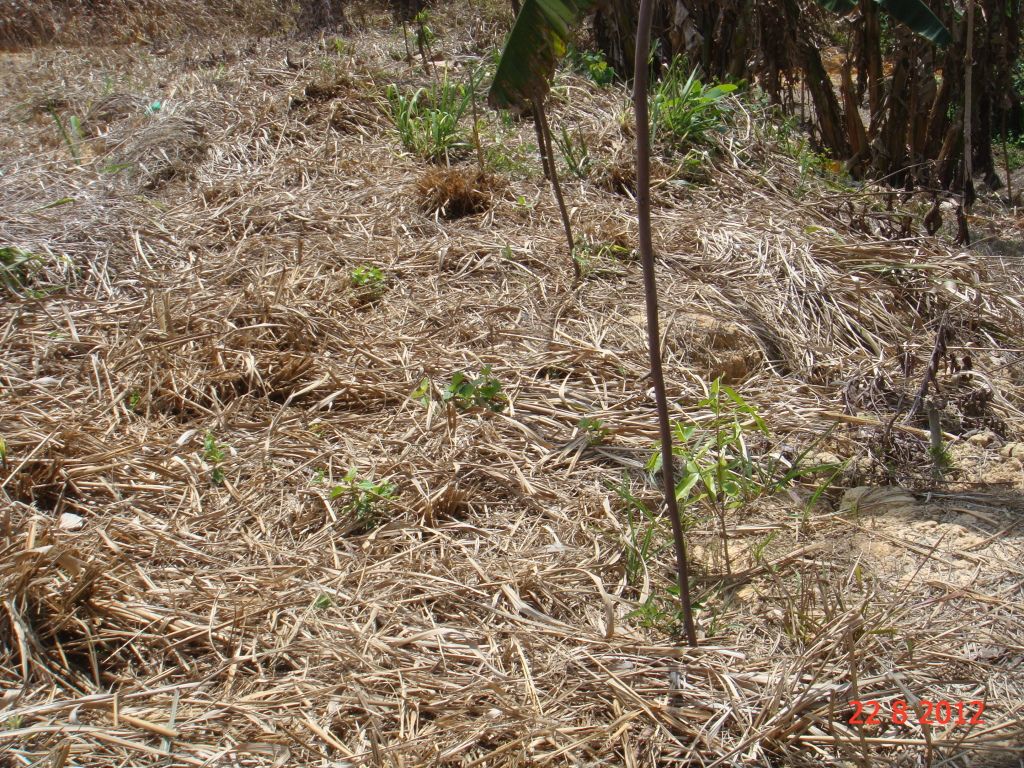
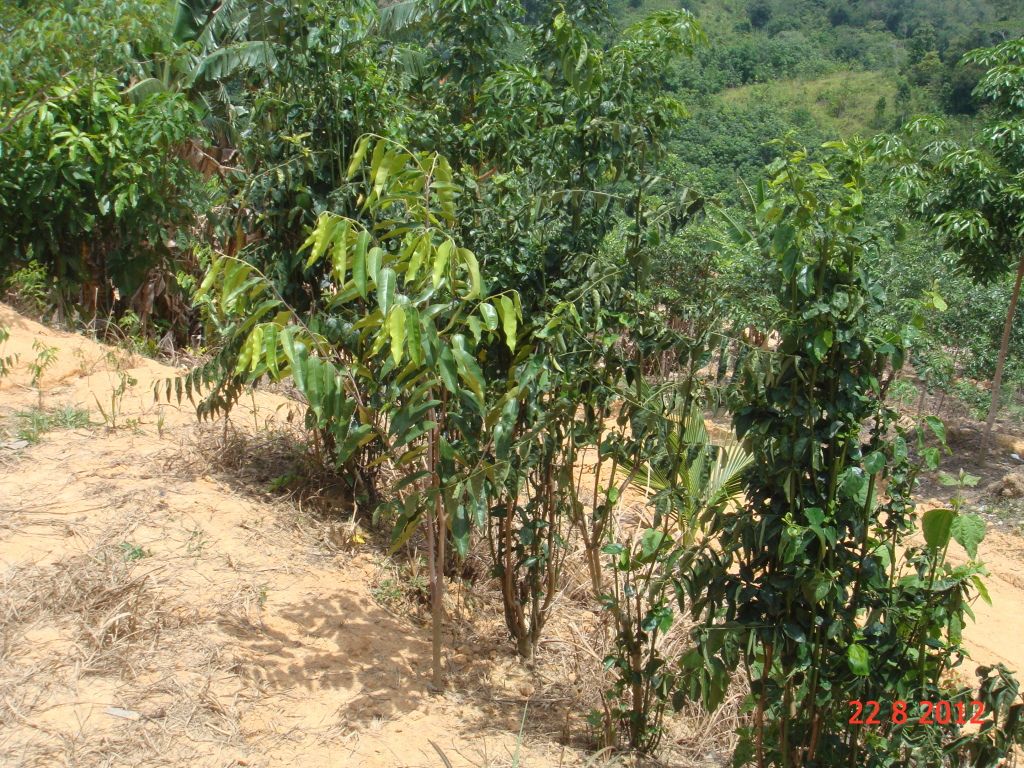
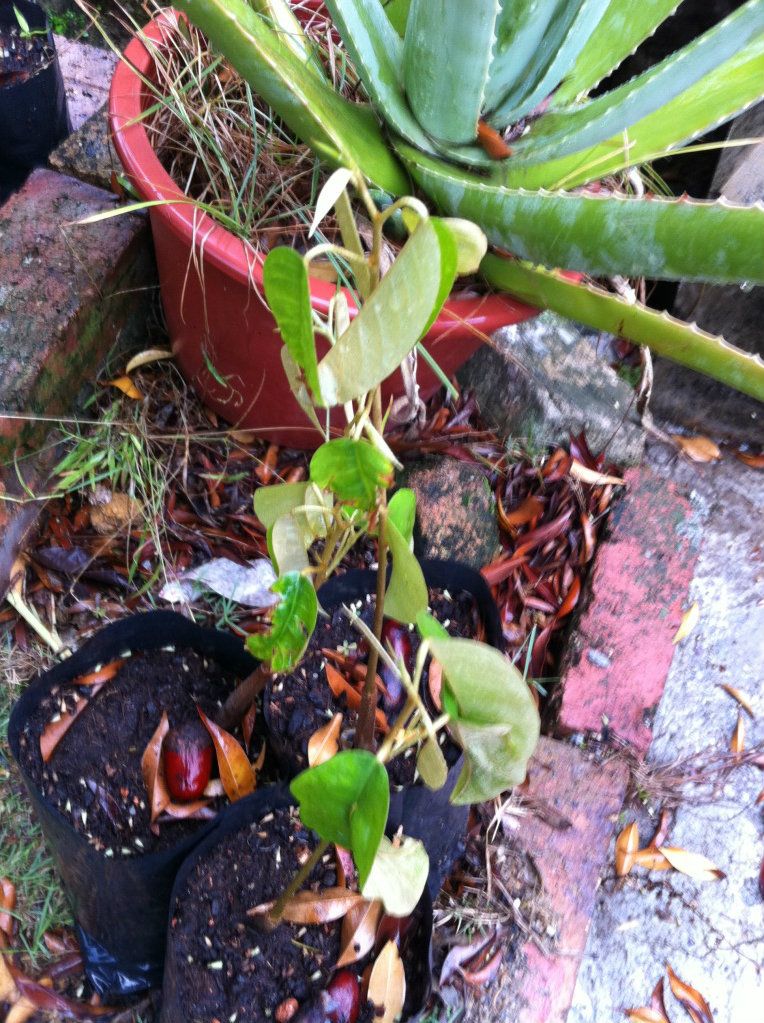
At this moment I can only say that it's a hardy plant and I don't see any trouble planting these. Planted some early this year (March, I think). Some are growing fast. Have rescued some from Herbicide injuries and some overgrown, fully covered with weeds. They are starting to grow now. These were gifts from a friend. Anyway, this is only a supplementary crop.

user posted image
user posted image
user posted image

Michael J.
post Aug 23 2012, 08:28 AM

On my way
****
Senior Member
596 posts

Joined: Jan 2006


yifie:

Vermiculture, like many other "hot" projects by MOA/DOA/MARDI have suffered a "natural" death. It would be quite difficult to find any vermiculturist nowadays; but the upside is if you do find one, he/she is most likely a very dedicated and/or established operator.

There used to be a successful vermiculturist in Kajang once a moon ago, but the last I heard was that he has closed his business recently. Can anyone verify this?

Mr Farmer:

Do keep observing and update us. Your observation would contribute significantly to this thread.

As I've said, there is no issue with growing the plant itself. It is the inoculation and production of the agarwood (which is the fungus-infected portion of the aquilaria) which is problematic.

Anyway, there's a new drive in agarwood production which does not require the planting of aquilaria, or developing inoculates anymore. The research is already at heading towards pre-commercialization stage, so it is only a matter of time before it becomes reality. Essentially, it involves totipotent plant cells, fungal antigen proteins, and a large bioreactor. According to the scientists who are involved with the project, that one bioreactor is equivalent to the production yield of 100,000 successfully inoculated aquilaria trees, at a fraction of space.
yifie_911
post Aug 23 2012, 03:09 PM

New Member
*
Junior Member
36 posts

Joined: Dec 2011


Thank You Michael J.

May I know what are the causes for the 'natural' death?
Michael J.
post Aug 23 2012, 04:09 PM

On my way
****
Senior Member
596 posts

Joined: Jan 2006


yifie:

Lack of follow-through.

There is no point creating a business/industry if the support mechanisms aren't there to ensure long term sustainability. If DOA/MOA/MARDI wants to DEVELOP a business/industry, they have to cover every damn aspect of that business/industry, and not just pockets of it.

Look at Malaysia's palm oil industry. They have responsible entities governing the entire value chain, from seed producers, to grower, to millers and refiners, and even exporters. In amongst this core value-chain, the periphery companies are inserted to support the entire industry, and the industry in turn ensures survival of the periphery entities (eg. agro-chemical industry, fertilizer & compost companies, precision agrinomics businesses etc.).

In the case of vermiculture, what DOA/MOA/MARDI did was create a buzz, tell participants they can do this-this-this with their end products, and then left them hanging to find their own way. I mean, come on, it is a budding business and they expect the pioneers to know what to do? Most of them know next to nuts about managing a business, or how to properly market a product. Fine, maybe 10% of them would find some way to survive, but it means a death rate of 90% of these agro-entrepreneurs.

This is the same thing with goat breeding, cow breeding, and those obscure freshwater fish and marine crab programs. And then there's the massive hydroponics and fertigation fiasco. Not to forget, the mushroom farming projects they initiated at so many places. How many of these programs actually succeeded? And amongst those success cases, how many of them actually received the needed help from DOA/MOA/MARDI?

The likelihood is that those who succeeded had resorted to finding their own way, either by engaging an external consultant, or working with someone having adequate success and experience.

So to put it simply, if it is a DOA/MOA/MARDI initiated project or program, there is a high likelihood of it suffering a similar progression. I'm not saying that every damn project is a total and utter failure, it's just that the odds are not in favor of success.


Added on August 23, 2012, 5:24 pm


It's really scary to read about the looming food crisis... I guess it is understandable why so many people are turning to crime and illegal activities. Obviously, that does not mean it is justified.

But seriously, the percentage of people not being able to afford food in developed countries is on the rise. Just taking the United States of America as example, about 18.2% people there are not able to afford the food they need. I'm not talking about hardcore poor here, although they certainly make up a significant portion of that figure; the figure includes families from middle-class, fixed-income groups.

To put this into perspective, 1 in 4 people in the US cannot afford the food they need. The food they need to survive does not include bread, cheeses, fresh fruits etc., but staples like grains/cereals, milk, vegetables, etc. And the No. 1 thing most from this group can't afford is: Meat.

Yes, meats like beef, mutton, fish, chicken, etc. They cannot afford it anymore.

Is this a good or bad thing? Bear in mind, this is only the US we're talking about here; we haven't even begun looking at the EU, or Latin America, or even Asia.

And the news just gets worse. 2 in every 100 Chinese citizen cannot find a job. This may not look bad, after all it's like only 2%. But bear in mind, China has a working-age population of nearly 660,000,000; so that works up to 26,000,000 people. That means 26 million people who are competiting with the rest of the world for jobs.

We all know that without a stable income source, it is quite difficult to gain ends meet. Which makes the food crisis problem all the more dangerous. Less food available equals to higher food costs, which could lead to many other undesirable effects within society.


Let us open up this thread for discussion. Does anyone have any genuine idea of how to mitigate this problem? No need to find a solution which works on a global/national scale; even a solution that would result in a reduced household food bill would have a tremendous impact on society.

My first suggestion(s):

i. Home growing - To educate people to grow their own food in their homes. And not just simple container growing for novelty sake. I do mean growing sufficient veg and animal proteins to offset about 10%-15% of the monthly family food bill at least.

ii. Community farm plots - Where a group of people pool their resources and time to tend a shared plot of land used to grow vegetables/fruits/animal protein for the group. All members will have to contribute their inputs, and not just monetary, but most crucially the time and labor needed. Community farm plots should ideally off-set about 20%-25% of the family food bill each month.

iii.

This post has been edited by Michael J.: Aug 23 2012, 05:29 PM
ah_suknat
post Aug 23 2012, 05:59 PM

whoooooooooooooop
*******
Senior Member
5,170 posts

Joined: Jul 2006
From: /k//k/, /k/undasang


hi guys, like optimus_shine

I am too interested in rearing ducks instead of other livestocks.

how good is ducks in the local market, can we sell ducks eggs like chicken eggs without need to salted it? do supermarkets buy duck eggs?

Can I sell the ducks after it reach its maximum age for egg producing? still good to old ducks?

how hard is it to breed own ducks using incubator?

is there enough support for duck rearing from the govenrment?

thanks
MrFarmer
post Aug 23 2012, 07:27 PM

Casual
***
Junior Member
478 posts

Joined: Mar 2011
From: Sabah


QUOTE(Michael J. @ Aug 23 2012, 08:28 AM)
Mr Farmer:

Do keep observing and update us. Your observation would contribute significantly to this thread.

As I've said, there is no issue with growing the plant itself. It is the inoculation and production of the agarwood (which is the fungus-infected portion of the aquilaria) which is problematic.

Anyway, there's a new drive in agarwood production which does not require the planting of aquilaria, or developing inoculates anymore. The research is already at heading towards pre-commercialization stage, so it is only a matter of time before it becomes reality. Essentially, it involves totipotent plant cells, fungal antigen proteins, and a large bioreactor. According to the scientists who are involved with the project, that one bioreactor is equivalent to the production yield of 100,000 successfully inoculated aquilaria trees, at a fraction of space.
*
Wow, synthetic resin? Let's hope there are still a market for natural resin, wood and roots. Also with natural resin, it may still develop on the 'artisan' aspect. Manage to contact a seed supplier in Thailand. Shall be collecting 1 kg of seeds during my break in Chiang Mai, early September.

Yes, shall keep you guys update on my progress from time to time.


Added on August 23, 2012, 7:37 pm
QUOTE(ah_suknat @ Aug 23 2012, 05:59 PM)
hi guys, like optimus_shine

I am too interested in rearing ducks instead of other livestocks.

how good is ducks in the local market, can we sell ducks eggs like chicken eggs without need to salted it? do supermarkets buy duck eggs?

Can I sell the ducks after it reach its maximum age for egg producing? still good to old ducks?

how hard is it to breed own ducks using incubator?

is there enough support for duck rearing from the govenrment?

thanks
*
HI ah_suknat,
Welcome.

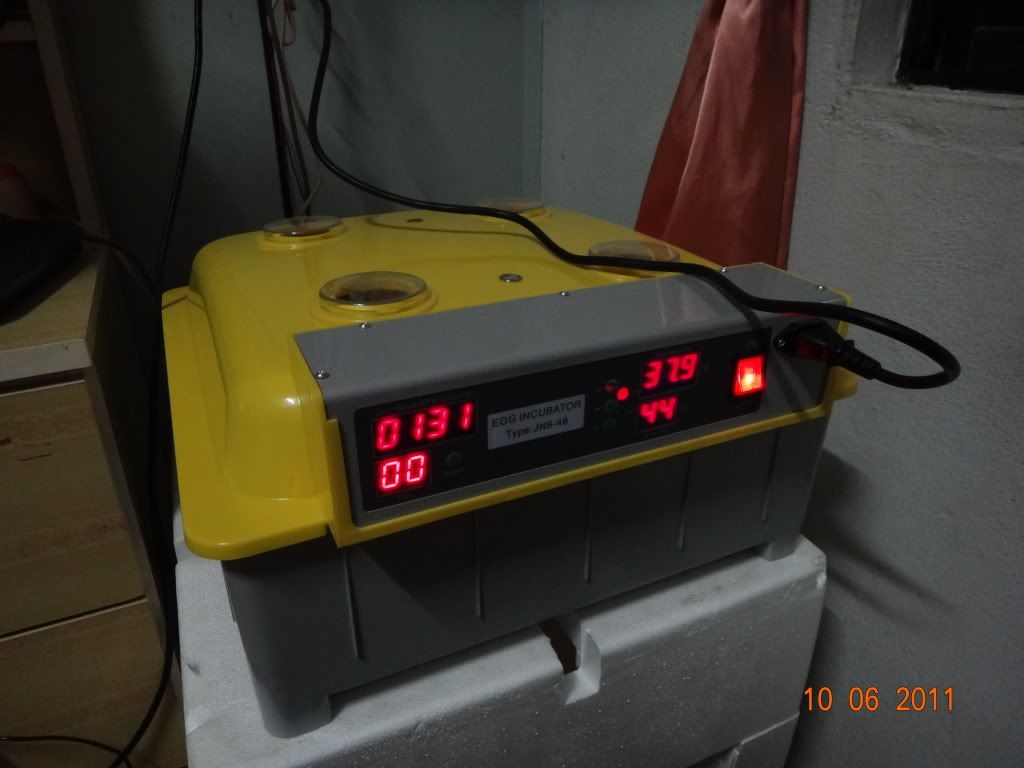
Incubator
Bought an incubator back in June 2011. Ran it twice, no success yet. 1st time, total failure. 2nd time managed to reach an almost hatching stage, where I can feel the unborn chick kicking, egg rocking. Unfortunately I had to be away for a while, left it under the care of a friend. Went I came back, I was told it didn't hatch. It was so disheartening and may me sad. Up to now, still have no find the courage to try again yet.

On the bright side, my chicken is doing it the natural way, and I don't get any blame or guilt for any failures. Of course, am always trying to improve the successful rate.

user posted image


This post has been edited by MrFarmer: Aug 23 2012, 07:37 PM
yifie_911
post Aug 24 2012, 12:09 AM

New Member
*
Junior Member
36 posts

Joined: Dec 2011


Can anyone share the vermiculture experiences, especially on castings harvesting and how many (ratio) soil should use in bin?

THANK YOU
Michael J.
post Aug 24 2012, 08:24 AM

On my way
****
Senior Member
596 posts

Joined: Jan 2006


Mr Farmer:

As with many other things, there will be those who'd prefer natural grown produce over industrial/factory mass produced stuff. Take vanilla essence for example. The real deal can cost up to 10 times the price of synthetics, and there are still lots of people and industry who prefer the real thing.

As for the incubator, that's one of the main problems. Once you start the process, you have to keep monitoring it or risk losing entire batches. For me, I prefer the use of broody bantams or silkies. I've hatched various species of birds with 100% hatch rates using this method, including guinea fowl, quail, ducks, other chicken breeds.


anakmalaysia
post Aug 25 2012, 12:10 PM

New Member
*
Newbie
1 posts

Joined: Aug 2012
QUOTE(ParaOpticaL @ Aug 19 2011, 09:10 AM)
Hi Bro,

Clinathanus = SABAH SNAKE GRASS, which had been superbly famous these few months because of it ingredient in healing some cancer.

Your friend is in luck as i have the plant but they are still young and not yet ready for leaf picking because one needs 300 pieces of leaf everyday to drink. Maybe in 1 month's time should be getting something

What is looking at ??

I will list other herbs that i have later when i get the list from my herb sifu.
As for your pictures will let know you when i get the feedback from my sifu biggrin.gif

ParaOptical biggrin.gif

PS : you got email Mr Farmer.
*
I just found a lot of information about sabah snake grass.

You can check at http://www.isabahsnakegrass.com/
Michael J.
post Aug 27 2012, 09:44 AM

On my way
****
Senior Member
596 posts

Joined: Jan 2006


QUOTE(ah_suknat @ Aug 23 2012, 05:59 PM)
hi guys, like optimus_shine

I am too interested in rearing ducks instead of other livestocks.

how good is ducks in the local market, can we sell ducks eggs like chicken eggs without need to salted it? do supermarkets buy duck eggs?

Can I sell the ducks after it reach its maximum age for egg producing? still good to old ducks?

how hard is it to breed own ducks using incubator?

is there enough support for duck rearing from the govenrment?

thanks
*
ah_suknat:

Sorry, I think some of us might have overlooked your posting.

(i) Duck is a niche market. Even Chinese who regularly consume ducks only select certain duck breeds and at certain seasons for use. Sabah and Sarawak's Foo Chow community are some of the biggest consumers of duck, likewise the Foo Chow communities in Sitiawan, Teluk Intan and elsewhere. Yes, you can sell duck eggs just like chicken eggs. But it is a specialist market, as not many people are familiar with duck eggs, and will be hessitant to use it in their daily consumption. Supermarkets do not normally sell duck eggs, but it could just be a case of no supply (bear in mind, supermarkets do require a certain secured quantity/supply, and a price that is commonly below standard wholesale prices).

(ii) Hatching ducks in an incubator is just as difficult as hatching chickens in an incubator. Of course, that's assuming you're doing this small scale (not more than 100 hatchlings each time). If you're going to go industrial scale, then you will need the right training and experience.

(iii) Yes, and no. Yes, the government is supportive of duck farming. There are many specialized incentives and tax breaks available, you just need to read it up from LHDN. And no, because the agencies and organizations (including banks like AgroBank) tasked to support such agri venture are too illetarate on the matter to provide the right kind of support. Eg, bank loans for agribusinesses. AgroBank's top management were recently changed because the bank failed to disburse the billions of ringgit worth of funds allocated by the government to support agribusinesses. The reason for the failure? Because AgroBank did not understand the business ideas of most applications, and they were also extremely hessitant to give loans to farmers (who they viewed as illeterate in managing a business).

This post has been edited by Michael J.: Aug 27 2012, 09:45 AM
ah_suknat
post Aug 27 2012, 12:41 PM

whoooooooooooooop
*******
Senior Member
5,170 posts

Joined: Jul 2006
From: /k//k/, /k/undasang


hi michael J and lowyat agri-entrepreneurs

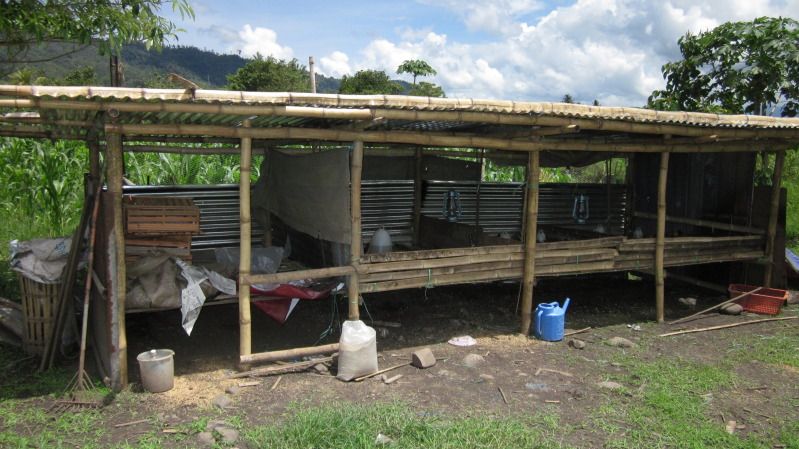
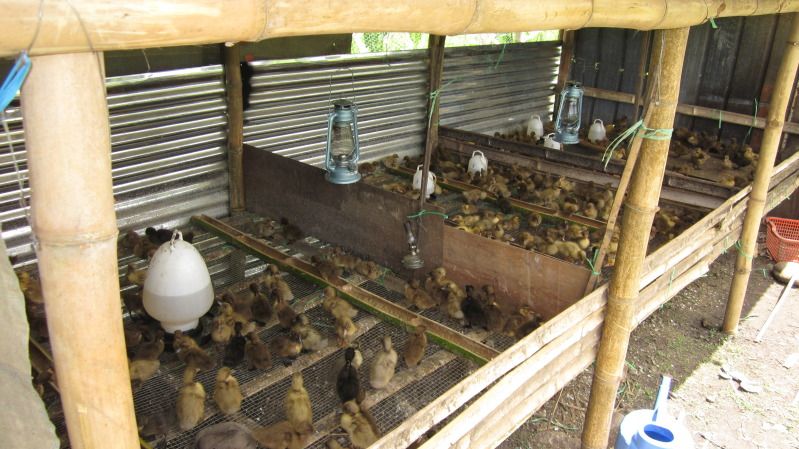
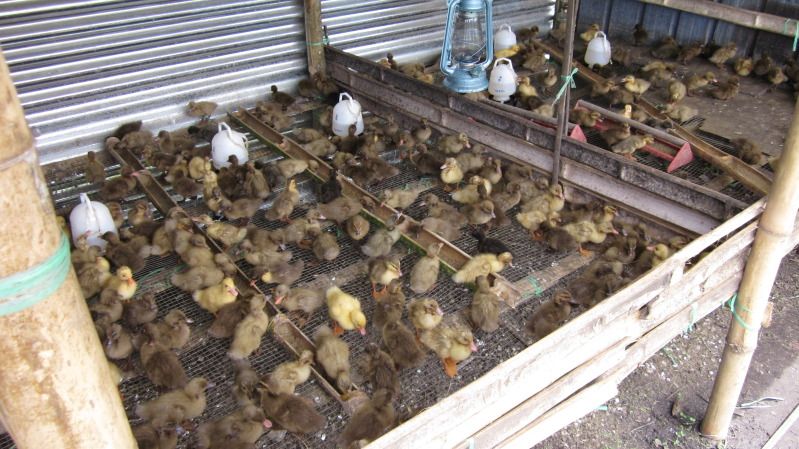
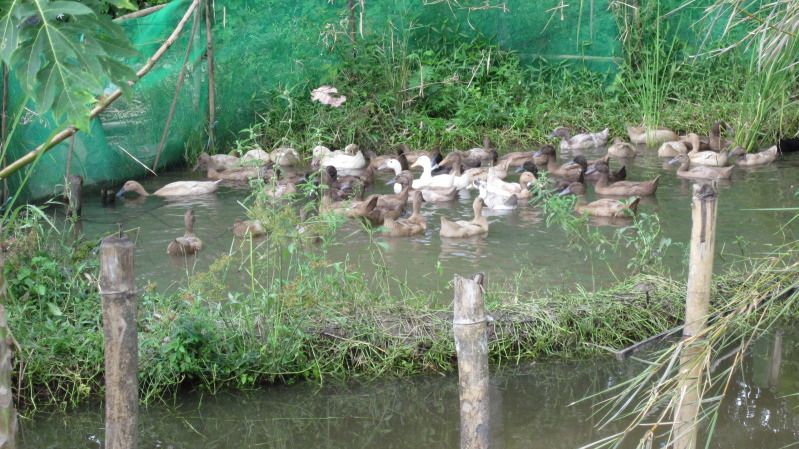
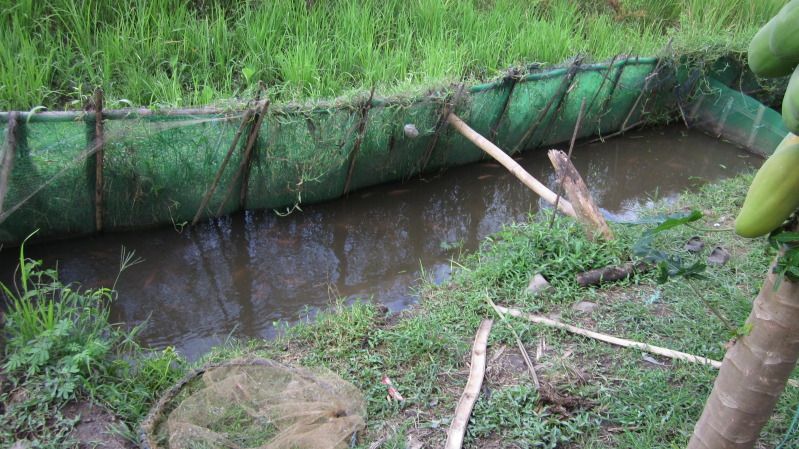
heres some pics I wanna share out in my mom's farm smile.gif

user posted image

user posted image

user posted image

user posted image

user posted image

http://s92.photobucket.com/albums/l31/ah_s...nt=MVI_0884.mp4 (video )

the land is about 2 acres big, planted some corns with it,
my mom just started 2 month ago, the 60 adult ducks (in pictures and video) are 2 month old and hopefully will make some eggs in 2 more months.

few days ago we just got an extra 400 ducklings.(in the picture)

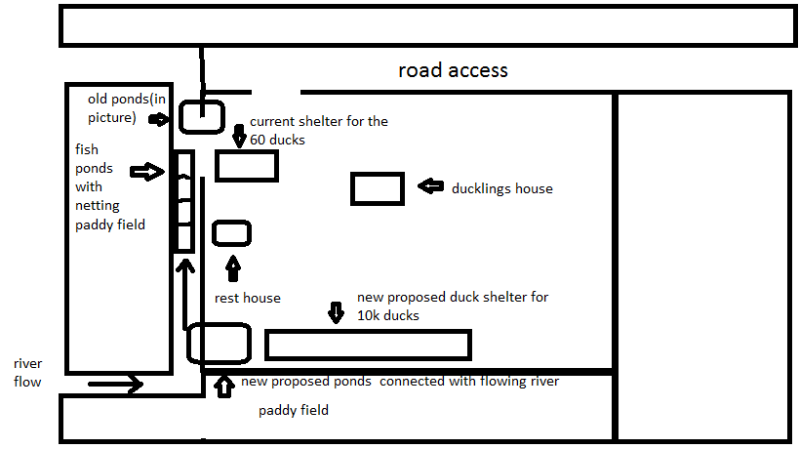
heres a rough sketch of the said land
user posted image

as the number grows, we would like to overhaul the system, the newly proposed duck shelter is to be placed at the back of the land and the ponds just next to it, the pond is connected with flowing small river so tht it stays clean. the duckling house remain the same place. the frontage of the land will use to plant crops like ubi and corn to feed the ducks.

as I will be pumping money into the venture, I need serious advice how to make it happen, how I wish brother Michael can come to my farm to have a look smile.gif

my current concern is those ducks are big eater!400 ducklings can consume 10kg of baja in 2 days!


Added on August 27, 2012, 12:53 pmmy other concern is how am I gonna market those eggs? If I can produce 4-5k of salted eggs per day, how am i supposed to sell them all? do I have to go all the kedai runcits and super markets one by one and ask if I can supply them salted egg?


Added on August 27, 2012, 3:25 pmI just call up jabatan veterina and ask if theres is any assistance for usahawan itik, they say no, zzzzz, we are all by our self, I wonder whats the use of all this government department, makan gaji buta only

This post has been edited by ah_suknat: Aug 27 2012, 03:25 PM
Michael J.
post Aug 27 2012, 04:29 PM

On my way
****
Senior Member
596 posts

Joined: Jan 2006


ah_suknat:

Thank you for the invite, but unfortunately with the way things are going at my workplace, I won't be able to travel much for the rest of the year. I blame certain senior officers and their fickle-mindedness for all the mess.

Anyway, on duck feed. On average, you will need to feed about 180g of food per kg duck per day. Assuming each duckling weighs about 70g, you'd have about 28kg of duck there. So the feed is about 5kg per day. That'd be about right if you have week-old ducklings.

Ducks ARE big eaters, and messy too. They consume about 30g extra feed per kg live weight on average compared against chickens. They love to mix water into their food, so quite a bit tend to get lost if they are fed too close to the pond. I assume you're using feed troughs. But you can reduce the feed cost by using forage crops.

Ubi and corn are not bad, so would duckweed or water millfoils. But ducks need good protein sources. Slugs, snails, earthworms etc all make good sources of protein for ducks. Also insects like crickets, grasshoppers, or mealworms would be great. If you find a place with excess water hyacinths (keladi bunting), they make good feeds also.

Also do bear in mind that for egg production, you need to add some calcium into their diet. Again, snails are great sources, but other edible calcium sources would do just well (bonemeal etc.).


As for marketing, unfortunately this is really dependent on the farmer. If you have to go to each and every single kedai runcit, then you have to do it. Start small; with your few hundred ducks, you should eventually be looking at 400 eggs a day. Build the reputation, develop the networking, and gradually grow your business.

The other way is to target markets that have yet to be tapped into. Like supermarkets, chain pastry businesses (those making Chinese sweet pastries), maybe even frozen food businesses (like frozen curry puff businesses) etc. Heck, you may even target those Nyonya kuih businesses since some of the best kuihs require the use of duck eggs.


On the vet assistance part, can't really blame them although they should have explained instead of outrightly saying "no". The fact is, there is a severe shortage of vets, even in private practice. Not many people today fancy the idea of sticking their arm into the ass of a cow/pig/goat, nor are many keen about walking ankle deep in muck visiting farms. To make things worse, the curriculum for vets in Malaysia is so changed, that many of the vet grads in this country don't really know what they're doing. They may know how to treat a cat or dog, but give them a chicken or a goat, and they draw a blank expression.

I speak of this from experience, as there are 3-4 livestock companies under the organization I'm working with. None of them could get qualified/proper vets to work with them, and had to import the experts from Indonesia.

This post has been edited by Michael J.: Aug 27 2012, 04:30 PM
Kg Teratai
post Aug 27 2012, 05:33 PM

Getting Started
**
Junior Member
85 posts

Joined: Jan 2012
The quality of some tree germinated from Musang king seed or D2 seeds. The trees are not growing very well.

user posted image

Other trees show growing a little bit well, however, I don't know why the leaf show yellowish.

user posted image

Metalazyl is on the way. My musang king tree, please don't give up.

user posted image

Hi MJ,

I support the home growing idea which I am started also. currently I am growing some chilli padi in front of my house.


Binyamin
post Aug 27 2012, 06:25 PM

Casual
***
Junior Member
375 posts

Joined: Jul 2012
From: Malaysia


Hi guys I am interested to do hydroponic farming on a a commercial scale. Meanwhile I have started a little drip system at my home.

Why is it that hydroponic in Malaysia is not popular, even on this forum not many are talking about it.

The other thing is once I produce the fruit or vege how do I go about marketing it? Thanks all!
ah_suknat
post Aug 27 2012, 06:52 PM

whoooooooooooooop
*******
Senior Member
5,170 posts

Joined: Jul 2006
From: /k//k/, /k/undasang


QUOTE(Michael J. @ Aug 27 2012, 08:29 AM)
ah_suknat:

Thank you for the invite, but unfortunately with the way things are going at my workplace, I won't be able to travel much for the rest of the year. I blame certain senior officers and their fickle-mindedness for all the mess.

Anyway, on duck feed. On average, you will need to feed about 180g of food per kg duck per day. Assuming each duckling weighs about 70g, you'd have about 28kg of duck there. So the feed is about 5kg per day. That'd be about right if you have week-old ducklings.

Ducks ARE big eaters, and messy too. They consume about 30g extra feed per kg live weight on average compared against chickens. They love to mix water into their food, so quite a bit tend to get lost if they are fed too close to the pond. I assume you're using feed troughs. But you can reduce the feed cost by using forage crops.

Ubi and corn are not bad, so would duckweed or water millfoils. But ducks need good protein sources. Slugs, snails, earthworms etc all make good sources of protein for ducks. Also insects like crickets, grasshoppers, or mealworms would be great. If you find a place with excess water hyacinths (keladi bunting), they make good feeds also.

Also do bear in mind that for egg production, you need to add some calcium into their diet. Again, snails are great sources, but other edible calcium sources would do just well (bonemeal etc.).
As for marketing, unfortunately this is really dependent on the farmer. If you have to go to each and every single kedai runcit, then you have to do it. Start small; with your few hundred ducks, you should eventually be looking at 400 eggs a day. Build the reputation, develop the networking, and gradually grow your business.

The other way is to target markets that have yet to be tapped into. Like supermarkets, chain pastry businesses (those making Chinese sweet pastries), maybe even frozen food businesses (like frozen curry puff businesses) etc. Heck, you may even target those Nyonya kuih businesses since some of the best kuihs require the use of duck eggs.
On the vet assistance part, can't really blame them although they should have explained instead of outrightly saying "no". The fact is, there is a severe shortage of vets, even in private practice. Not many people today fancy the idea of sticking their arm into the ass of a cow/pig/goat, nor are many keen about walking ankle deep in muck visiting farms. To make things worse, the curriculum for vets in Malaysia is so changed, that many of the vet grads in this country don't really know what they're doing. They may know how to treat a cat or dog, but give them a chicken or a goat, and they draw a blank expression.

I speak of this from experience, as there are 3-4 livestock companies under the organization I'm working with. None of them could get qualified/proper vets to work with them, and had to import the experts from Indonesia.
*
thanks for the replies. I bought the ducklings at rm2.5 from jabatan vetenari, they are low on stocks so only manage to get 100, I bought the 300 from private at rm4 each, you think the price reasonable?

Aas food cost is the main cost, what is the best way to feed them with the lowest cost possible? without compromising their egg laying performance? Do you think left over food I get from schools and restaurant is ok for them?

are you experience with large scale duck farming? what is the best shelter layout design to build? with the land that I draw, what would you advice on the layout of the farm?

thanks again smile.gif

119 Pages « < 66 67 68 69 70 > » Top
 

Change to:
| Lo-Fi Version
0.0432sec    1.06    6 queries    GZIP Disabled
Time is now: 18th December 2025 - 03:34 PM