QUOTE(Dweller @ Nov 14 2023, 04:27 PM)
Aprreciate all the contributor keeping this thread alive!
I have a problem recently with my 34 yo Saga. At random, the car will shake and jerk even during idle rpm drops. When I tried to pump the accelerator pedal several times, the jerking still persist.
Details about my car:
- Megavalve engine
- 8v carburettor
- Recently performed top overhaul, distributor change*, carb service, plug change
- bought timing light from shopee and did timing adjustment diy since workshop use intuition to do the adjustment previously

- During top overhaul workshop unable to start the car, then found out distributor needs changing. They changed from original mitsubishi to hansa brand distributor.
I suspect either carb need servicing again due to shoddy workmanship or non ori distributor causing the issue. Car able to run for a while after top overhaul then this issue arise. Any feedback. Thanks in advance

The engine jerking problem is usually frustrating to troubleshoot because the fault can
be from so many sources, see Haynes troubleshooting guide below. And for your case it
is intermittent so it makes it more difficult to pin-point.
Did the overhaul include the piston and cylinder bores? I presume your Megavalve is the
12 valve version so the distributor has a built in coil instead of an external coil.
For a start, you can check some of the easier things:
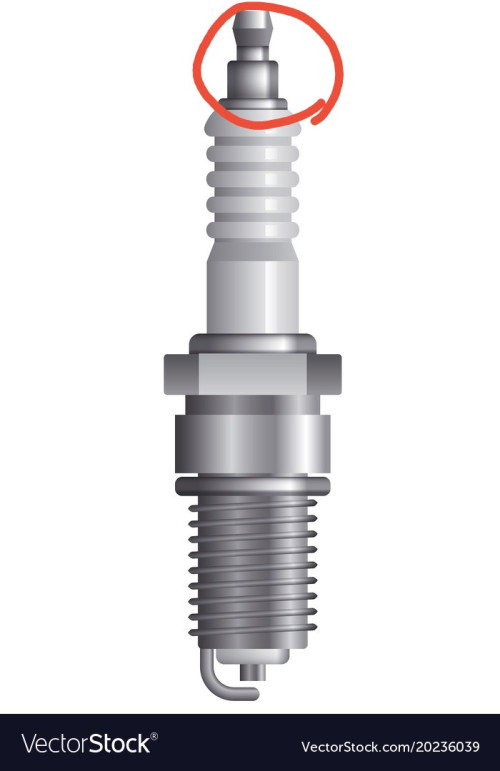
A) Remove all the 4 spark plugs and examine their condition for the following:
1) 'tracking' ie the short circuit of the current.
https://www.google.com/search?q=spark+plug+...ih=503&dpr=1.882) the condition of the electrodes, for fouling by oil or soot, and also clues for the combustion conditions.
https://www.google.com/search?q=spark+plug+...ih=503&biw=10243) The gaps of the spark plug electrode should be 0.7mm (which is about the combined
thickness of 7 sheets of notebook paper). Too large a gap will force the current to
short circuit instead of bridging the spark gap.
B) Examine all the vacuum rubber tubes to see if they are hard/brittle or soft/supple.
A brittle tube will crack and cause leaks which will affect the air/fuel ratio and also
mess with the control process like vacuum advance timing, hot idle compensation etc.
C) Run the engine at night, open the hood, look out for sparks (=leakages) at the high
voltage leads from the distributor to the plugs. Use a wooden stick to move the leads,
do not touch them, they can cause electric shocks.
I once had a replacement of the valve stem seals and later had engine jerking problem
which was caused by oil leaking through one of the new seals and fouling the spark plug
in one cylinder. Apparently not all spare parts are genuine originals...
This post has been edited by Albert B: Nov 15 2023, 06:06 PM Attached thumbnail(s)



 Oct 30 2023, 09:54 AM


 Quote
Quote

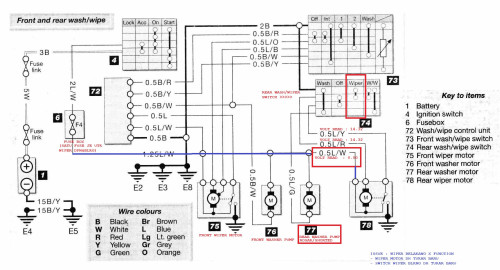
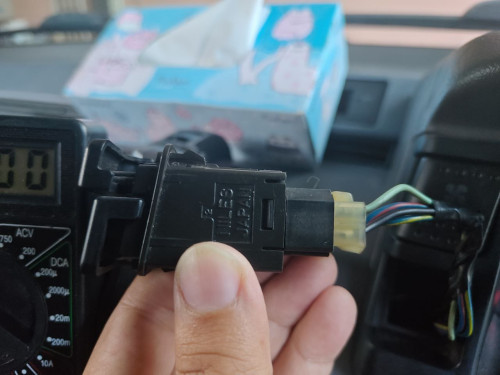
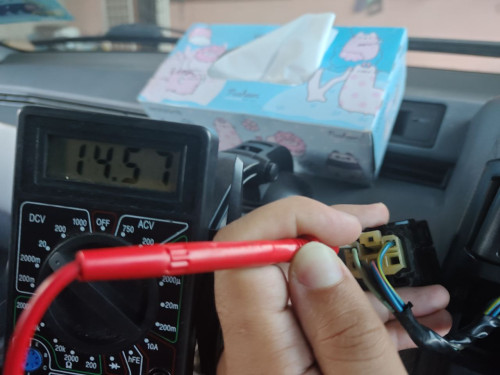
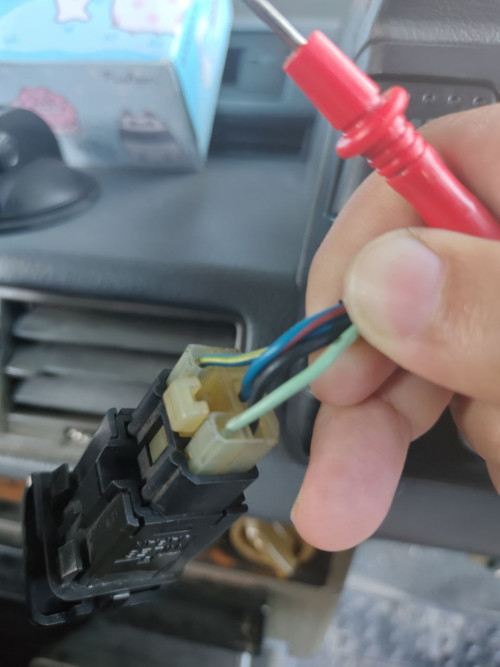
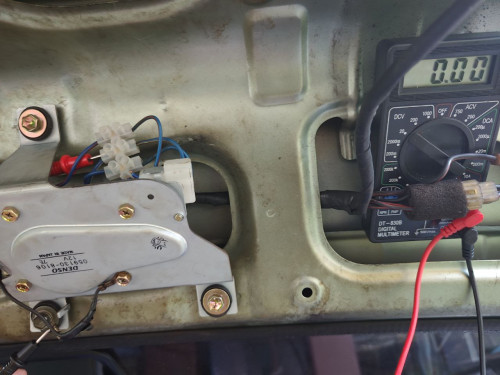
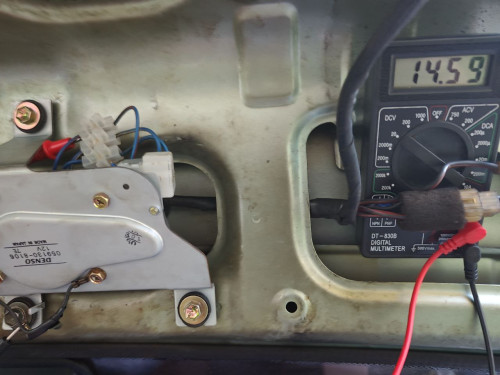
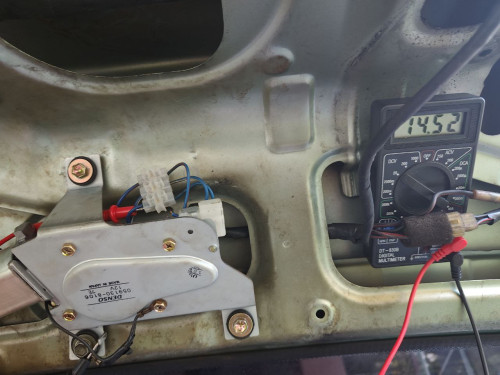
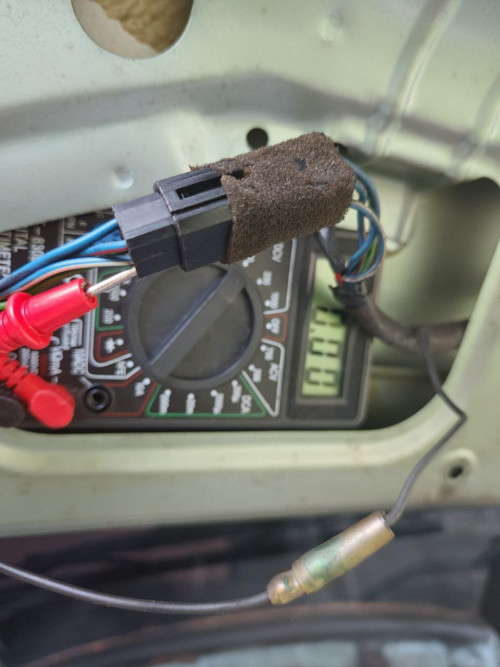


 ), issue still persist.



 my vacuum connection all already rojak. My EGR exhaust also not connected to anything now. Do you know where to connect it?


 0.0300sec
 0.46
0.46
 6 queries
 GZIP Disabled