
F2.8: 30mm on APS-C gives the same angle of view as a 45mm lens on a full-frame camera. This is often considered 'normal' - neither wide nor tele. Depending on how you compose, you can make it seem wider or more telephoto.
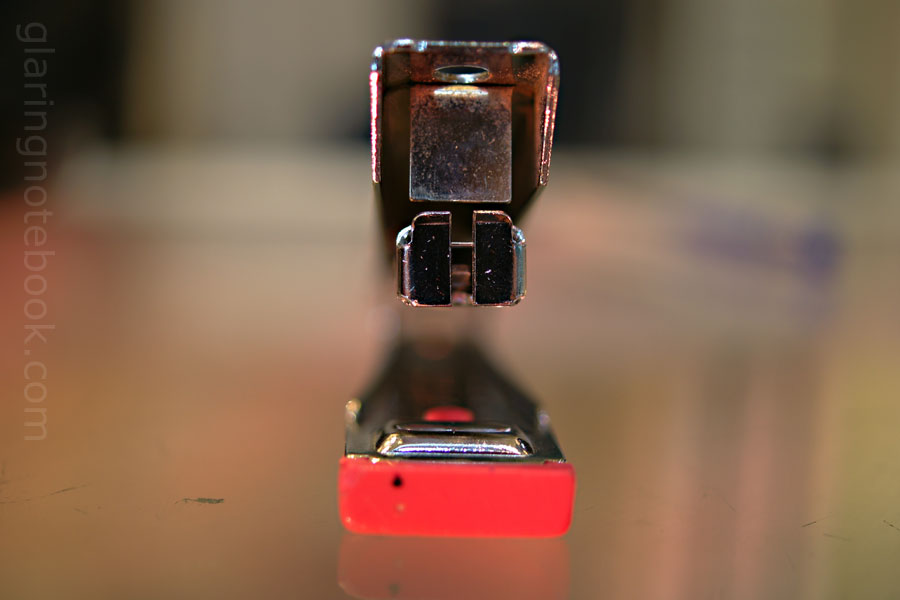
F2.8: Real shallow.
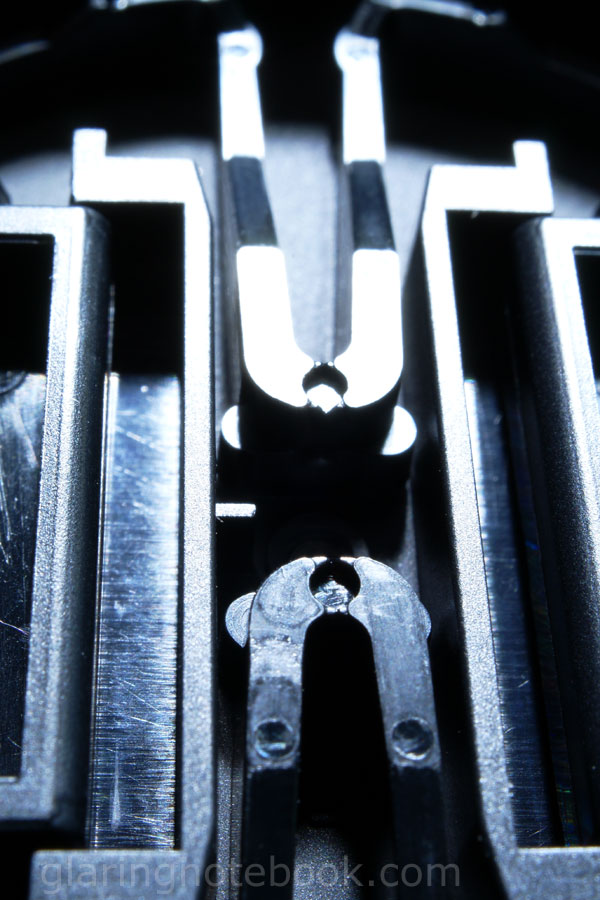
F22: The obligatory shot. You know what this is.

Previously my experience with SAM lenses is that you might've been able to turn the focus ring when the body is set to MF, or focus is achieved and the focus screw disengages (body DMF - Direct Manual Focus). However, the instruction manual tells you not to! No wonder it does feel a bit rough.
No matter what, you need to set the AF/MF switch on the lens to MF, in order to turn the focus ring. You can still use AF/MF or DMF on the body to stop focusing - just don't turn the ring.
These warnings are written in the instruction manual for a reason.
The manufacturer will not fix your lens for free under warranty if you have damaged it this way, because they have already warned you! Same reason why McDonalds Apple Pie boxes state: Caution: Contents May Be Hot. So if you burn your tongue, you can't sue McDonalds because they have already warned you.
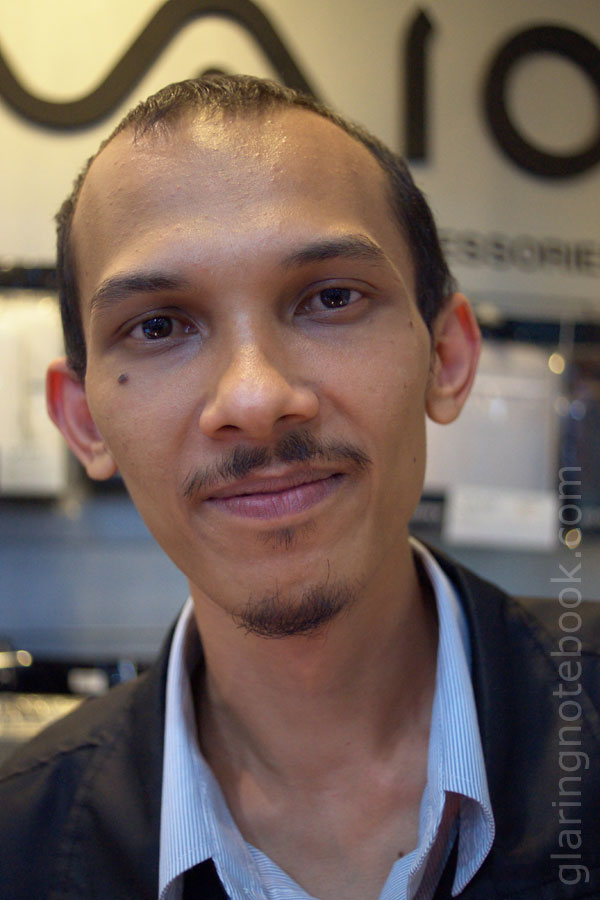
F2.8: At F2.8, it is sharp, but not too sharp (like the Tamron 60mm F2.0 Macro DiII, also an APS-C 1:1 macro lens). This makes the lens good for walkaround purposes, where the kit lens would usually stop you from getting too close (exception being the Sigma 17-70mm F2.8-4.5 EX DC and Sigma 18-50mm F2.8 EX DC, with exceptional minimum focusing distances of 20cm).
It reminds me of my wonderful time with the Carl Zeiss Jena Flektogon 35mm F2.4 M42 lens - it could focus to 19cm close! So instead of zooming in (not possible on this prime lens) I would just get closer to the subject until I filled the frame with my subject. Great fun for walking in the park or the woods.
Some people insist that macro lenses must have long focal lengths. Obviously, their idea of macro is only insects (which are often, painfully boring because they tend to throw composition out of the window and go into "
hey look here's the same insect at 5 different magnifications all higher than 1:1. Oh yes, all 5 pictures are the same thing, same angle.")
Cropping is supposedly a do-not in macro, but focus stitching is not?
Last I knew, shooting macro means shooting anything small. A macro lens can be used for close-ups. You can shoot flowers. Grass. Miniature figurines.
Patterns and details you never knew existed.If you shoot the same thing with a long lens, you will get a different perspective, and shallower depth of field, which does not help with macro - you often need to step down to F16-F32 to get something tiny in focus! You also need a lot of light from your flash. A shorter focal length is easier.
With a wide macro, you can get a shot like this:

17mm F8. You can get a flower and a building in the same shot! In retrospect I should've stopped down to F22. And borrowed the lens for a much longer period of time, it was great fun!


 Sep 16 2009, 01:34 AM


 Quote
Quote


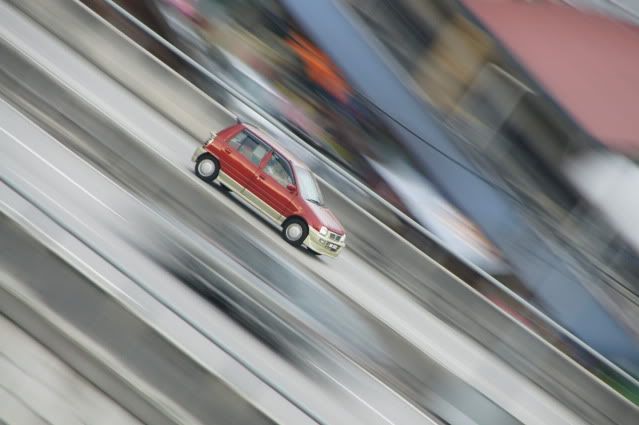


 the quality imo is similar if not better than your friendly neighbourhood print shop

 0.0284sec
 0.80
0.80
 6 queries
 GZIP Disabled