QUOTE(daijoubu @ Aug 10 2023, 09:22 AM)
Oh really? Then it must be odd that TNB is still looking to expand their installed solar capacity from current 3900+MW to target of 8300MW by 2025.
And GET subscription quota for 2023 has increased by almost 50% from previous year. I wonder why if there is little demand, the numbers seem to indicate otherwise.
And your previous statement "Why would TNB want to benefit us by not charging us ICPT when you do go above 1500kWh?" gives raise to doubt that you understand what ICPT is.
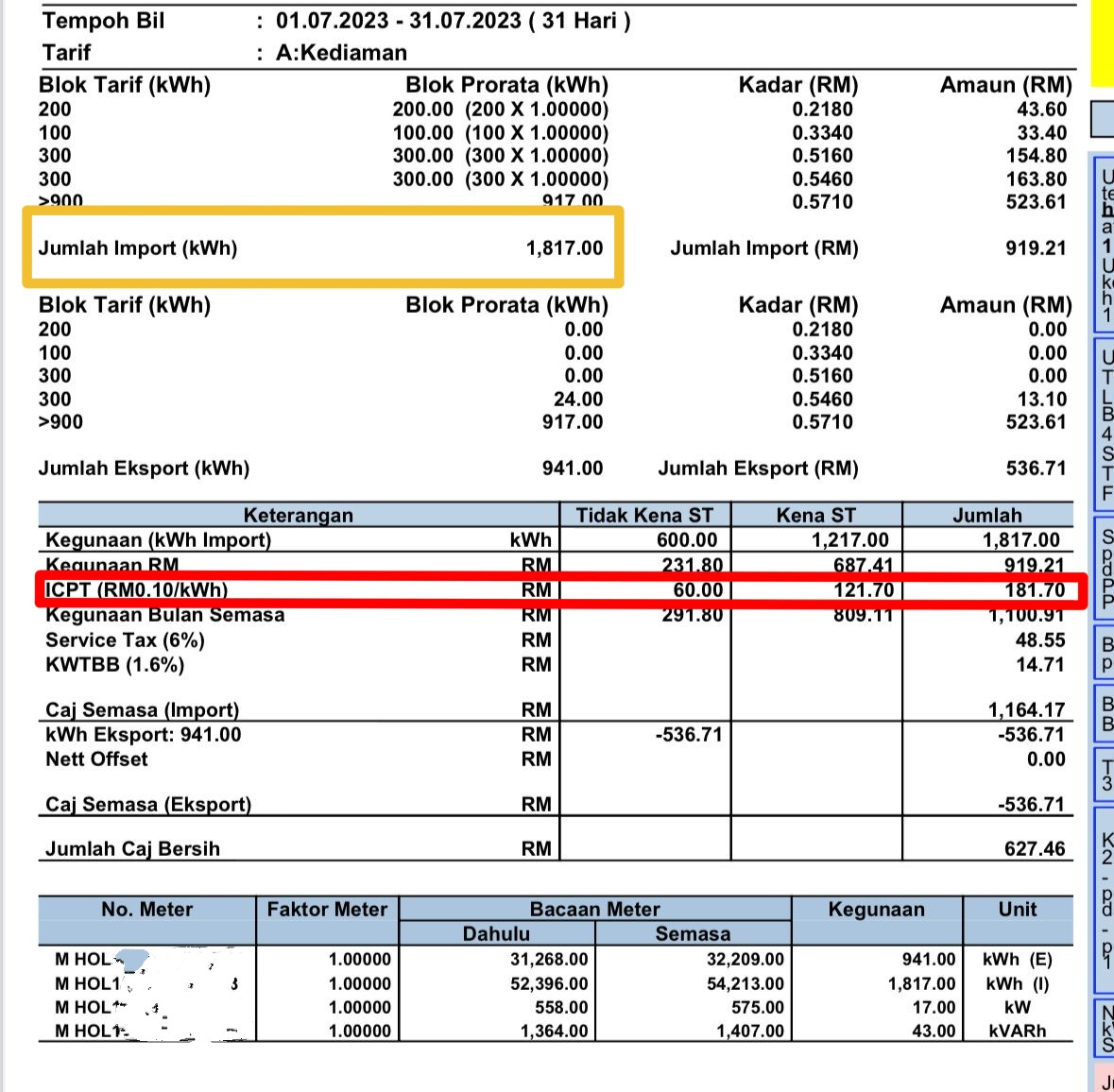
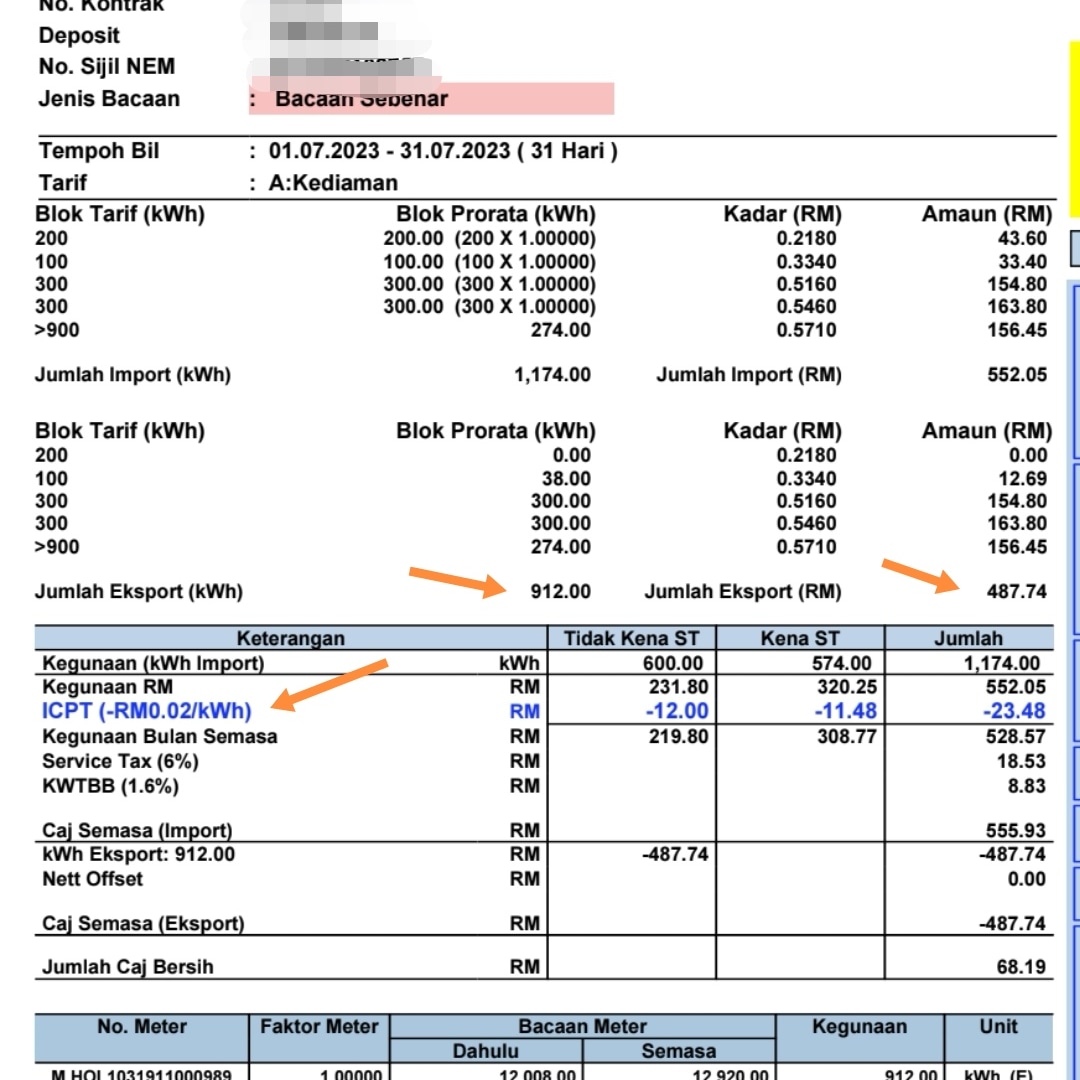
In fact overall cost of generation has went up significantly in 2022 and ICPT adjustment in 2023 has been first carried out in 1st half of 2023 to target predominantly commercial and industrial users, sparring domestic users entirely and in 2nd half, further adjusted to target top 1% domestic users, sparring the 99% domestic users.
It is basically an implementation of targeted subsidy through the ICPT clawback mechanism determined by the government. You do know ICPT doesn't financially benefit TNB right?
It is a complete separate matter to the solar purchasing intent which is to drive up RE adoption.
TNB is expanding their
RE capacity (solar power being only a small portion of this RE capacity) to 8.3GW in an effect to be
net carbon zero, it has nothing to do with GET scheme. TNB has more than enough capacity to fulfil the GET scheme by themselves alone.
An increase of 50% is nothing, TNB RE generation is around 16.7% of their generating capacity. Do you think that there are enough customers that will buy 16.7% of TNB's generating capacity (that serves industries,commercial, and residentials) at an additional premium of RM0.218/kWh? That TNB needs additional RE from house owners for this GET scheme? If TNB is that desperate for solar energy from us, the contract wouldn't be 10 years only.
I think you are the one that is confused about ICPT.
» Click to show Spoiler - click again to hide... «
ICPT is a mechanism under the Incentive Based Regulation (IBR) framework which allows for TNB, as the utility, to reflect changes in fuel and other generation-related costs in the electricity tariff. This is because these costs are set based on benchmarked prices in the base tariff.
So ICPT is TNB's way of getting more money without affecting the tariff rates. Of course TNB will benefit from it financially, otherwise why would they want to implement it?
What you're confused about is that the Govt subsidizes the ICPT for 99% of domestic users.
» Click to show Spoiler - click again to hide... «
On 23 June 2023, the Government of Malaysia announced a total subsidy allocation of RM5.2 billion for the next ICPT implementation period from 1 July 2023 until 31 December 2023 to protect ~99% of TNB customers in Peninsular Malaysia from the impact of higher fuel costs which accounts for 65% of the electricity bill.
They are different and separate matters. TNB charges their customers ICPT, Govt gives TNB subsidy to reduce ICPT charges to 99% of domestic users.
So because Govt does not subsidize that 1%, TNB charges them the full ICPT amount. TNB is not charging the top 1% higher to subsidize the other 99%.
Also I have never tied RE to ICPT, all this while in my replies in this thread I have always said that it is fair to charge customers with solar installations ICPT on their whole kWh usage because they are using power from the grid, hence the ICPT charges. It is others who are arguing that TNB should only charge the difference, perhaps you might want to tell them instead that they don't understand ICPT.


 Aug 9 2023, 04:46 PM, updated 2y ago


 Quote
Quote














































/cdn.vox-cdn.com/uploads/chorus_image/image/70834871/1238753659.0.jpg)





















 therefore I do apologise.

















 0.1407sec
 0.58
0.58
 6 queries
 GZIP Disabled