Kim Jong Nam probe: Chemical weapon VX nerve agent used, Malaysia police say
KUALA LUMPUR: Malaysian police said on Friday (Feb 24) a
preliminary report showed the murder of Kim Jong Nam was carried out with a highly toxic chemical known as VX nerve agent.The Inspector General of Malaysia Khalid Abu Bakar said in a press release that the Centre for Chemical Weapons identified the substance in its preliminary analysis.
The police said swabs were taken from the eye and the face of the dead North Korean national. "Other exhibits are under analysis," Khalid said in the statement.
Malaysian police added the substance was identified as ethyl S-2-Diisopropylaminoethyl methylphosphonothiolate (or VX nerve agent) in a report by its chemistry department. The substance is a chemical weapon classified as a weapon of mass destruction by the United Nations. Malaysian police were investigating whether the illegal VX was brought into the country of made there, and authorities were sweeping the airport and other locations for radioactive material."If the amount of the chemical brought in was small, it would be difficult for us to detect," Khalid told reporters.
VX is tasteless and odourless, and is outlawed under the Chemical Weapons Convention, except for "research, medical or pharmaceutical purposes".

It can be manufactured as a liquid, cream or aerosol. Absorbed in large doses, it is fatal after 15 minutes, according to the U.S. Army's Edgewood Chemical Biological Center, making it the most toxic known nerve agent in the world.
Kim Jong Nam is the half-brother of North Korean leader Kim Jong Un.
The body of a North Korean man who died in an apparent assassination at Kuala Lumpur International Airport on Feb 13 has been unclaimed in a Kuala Lumpur hospital.
His passport identifies him as "Kim Chol", but police need DNA, medical and dental records to confirm who he is.
Police chief Khalid said earlier that a Vietnamese woman and a Indonesian woman wiped a liquid on Kim Jong Nam's face. They later washed their hands and fled the scene.
Airport camera footage released on Monday by Japanese broadcaster Fuji TV shows the moment the women appeared to assault Kim Jong Nam, who is later seen asking airport officials for medical help. He died on the way to hospital.
Police arrested the two women - one Vietnamese and the other Indonesian - and a North Korean man last week. They are also seeking seven other North Koreans wanted in connection with the case, including a diplomat at the embassy in Kuala Lumpur.
 CHEMICALS SEIZED FROM KL CONDO: REPORT
Police seized chemicals from a Kuala Lumpur condominium on Friday, The Star reported.
The report said a Malaysian man led authorities to the scene, after one of the suspects who was earlier detained by police as part of the probe into Kim Jong Nam's murder revealed his identity.
“Police are not ruling out the possibility that the Malaysian man might have expertise in chemistry,” reported The Star citing a source.
The Star report added that "forensics officers were seen carrying equipment into the residential block".
South Korean and US officials have said they believe North Korean agents assassinated Kim Jong Nam, who had been living in the Chinese territory of Macau under Beijing's protection.
North Korea is believed to have the world's third-largest stockpile of chemical weapons, according to the Nuclear Threat Initiative project, which analyses weapons of mass destruction.
South Korean analysts have identified sarin and VX as the focus of the North Korean chemical weapons program.
SUSPECTS WANTEDMalaysian authorities on Thursday requested Interpol to put an alert out to apprehend four North Korean suspects who are believed to have fled Malaysia on the day of the attack.
They also want to question the second secretary at the North Korean embassy, though he has diplomatic immunity, and are seeking two other North Koreans, including an employee at the state-owned airline Air Koryo, who are still believed to be in Malaysia.
The investigation has resulted in fraught relations between two countries that had hitherto maintained friendly ties.
North Korea has said the Southeast Asian nation should be held responsible for the killing of one of its citizens, though it has not acknowledged that the victim is the half brother of the North Korean leader Kim Jong Un.
Malaysia has recalled its ambassador from Pyongyang for consultations.
- CNA/Agencies/kk/rw
VX nerve agent: What is it and how does it work?SINGAPORE: Malaysian authorities on Friday (Feb 24) said a chemical weapon, VX nerve agent, was used to kill a man believed to be the half-brother of Kim Jong Un at Kuala Lumpur International Airport on Feb 13.
The substance is a chemical weapon classified as a weapon of mass destruction by the United Nations.
 WHAT IS VX?
 VX is a tasteless and odourless amber-coloured oily liquid. It is outlawed under the Chemical Weapons Convention, except for "research, medical or pharmaceutical purposes".
VX is a human-made chemical warfare agent classified as a nerve agent. Nerve agents are the most toxic and rapidly acting of the known chemical warfare agents.
According to The Guardian, it is
100 times more deadly than the nerve gas sarin, which was used by the Aum Shinrikyo cult during their fatal attack on a Tokyo subway train.
It was developed in the United Kingdom in the 1950s.
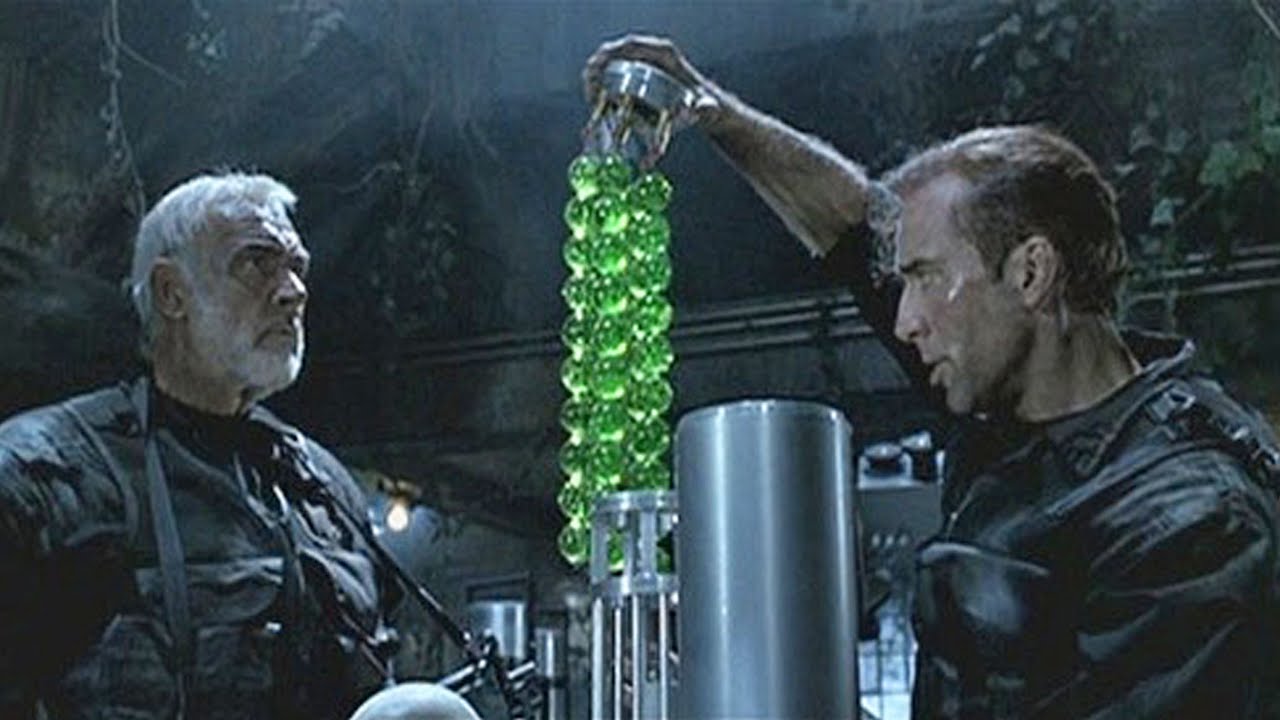 HOW IT WORKS
The extent of poisoning depends on how much a victim is exposed to, how the exposure occurred and the length of time of the exposure.
Nerve agents operate by preventing an enzyme that acts as the body's "off switch" for glands and muscles. Without this "off switch" muscles and glands are constantly being stimulated - and after a while this will tire out the affected person, who would no longer be able to sustain a breathing function.
Death is caused by asphyxiation or heart failure.
Because it evaporates so slowly, VX can be a long-term threat as well as a short-term threat. Surfaces contaminated with VX should therefore be considered a long-term hazard, says the US Centers for Disease Control and Prevention.
VX can last for days on objects in comes into contact with; in colder temperatures it can last for months on surfaces.
HOW ARE PEOPLE EXPOSED?By contamination via skin or if they consume contaminated food or liquids.
Clothing can also release VX after contact with VX vapour, which can lead to exposure of other people through contaminated articles.
WHAT ARE THE SYMPTOMS OF VX EXPOSURE?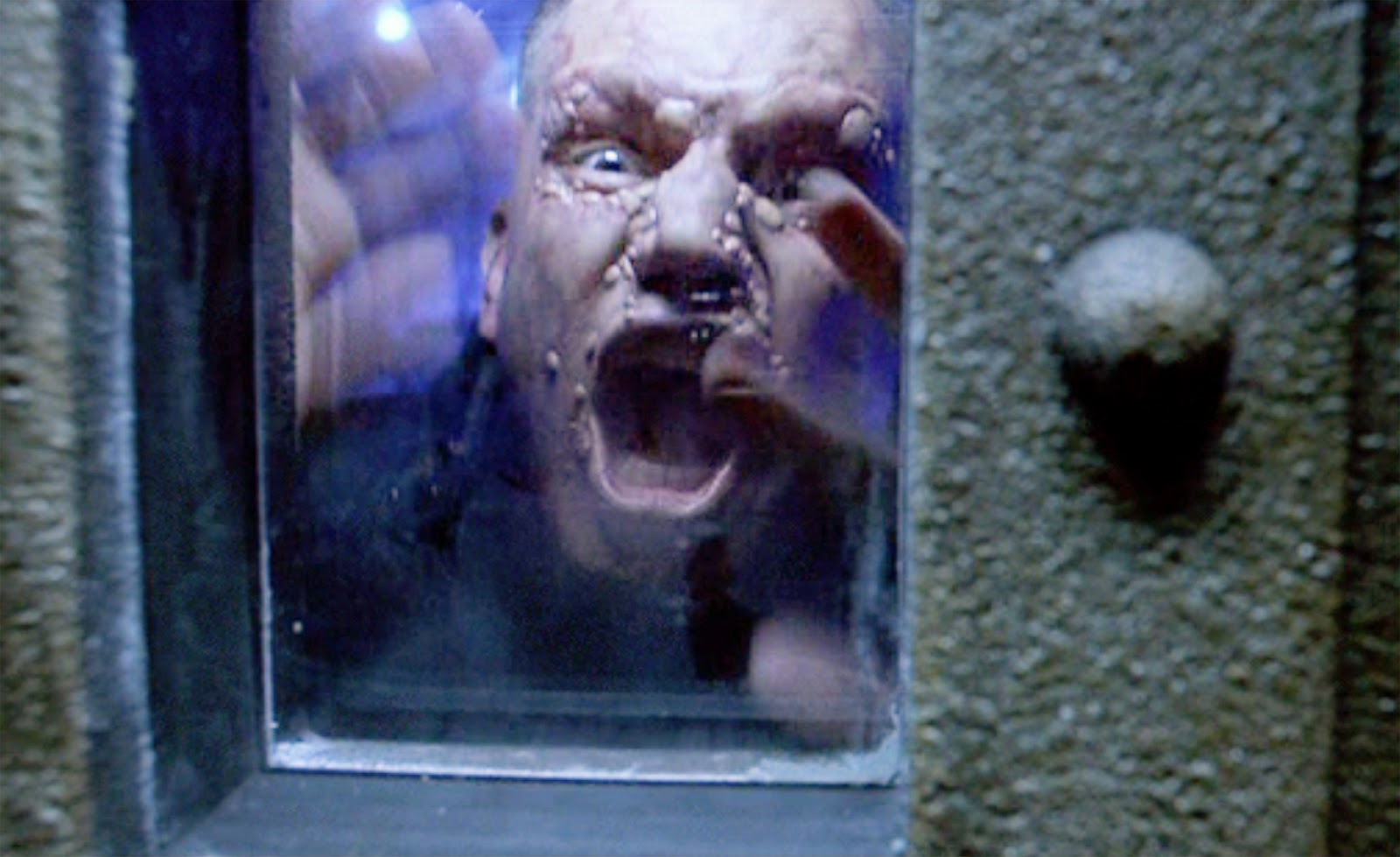
Low or moderate dose: Feeling weak, abnomally low or high blood pressure, drowsiness, blurred vision, chest tightness, confusion, cough, diarrhea, drooling and excessive sweating, headache, increased urination, nausea, vomiting, and/or abdominal pain, rapid breathing, runny nose, slow or fast heart rate, small, pinpoint pupils, watery eyes.
Large dose: Paralysis, convulsions, loss of consciousness, respiratory failure.
CAN IT BE TREATED?Antidotes are available for VX, but because of how quickly this nerve agent works, those affected need to be treated immediately if they are to survive.
Sources: Guardian, CDC, AFP, Reuters


 Military Thread V23
  Feb 24 2017, 11:32 AM


 Quote
Quote








 0.0285sec
 0.84
0.84
 6 queries
 GZIP Disabled