

 Dec 28 2011, 10:46 PM


QUOTE(Michael J. @ Dec 28 2011, 02:20 PM)
Mr Farmer:
Heheh... This may or may be useful for you. I experimented with intercropping pumpkin/winter squash with trees like starfruit, longan and Vietnamese apples. The following are my findings:
(i) The trees shade off the weeds very effectively, thereby controlling their growth. Areas outside of the shade and root zone of the trees tended to be a lot more weedier. This was especially true for the Vietnamese apples and longan. Starfruit not so much, as my trees tended to have less dense foliage.
(ii) Growth of the pumpkin/squash vines were quite good; the one treated with Para's liquid fertilizer mix has been doing exceptionally well. The good growth may be in part due to the trellis line (ie improvised fencing line) about 1.5 feet from the shade zone, which allowed the creeping vine to grow onto, while excluding other weeds from smothering the vines. A similar plant grown to creep on the ground is doing quite poorly, as it had to compete intensely with the weeds. It appears that pumpkin/squash require little sunlight during the initial grow-out stage, but require full sun for flowering and fruiting.
(iii) Raised planting beds were found to be a key ingredient in successful grow-out of the vines. Experiment indicated that vines grown on raised beds managed to establish almost 5x faster than those on flat-ground.
If weeding is a major headache for you, I suggest using silvershine mulch on the immediate growing area of the pumpkin vine. Your planting density looks OK; some growers plant about 14,000 vines per acre.
i) Yes, very true. I find it true for the Avocado trees & Buah Sukun (Breadfruit) trees too. The problem is than I can't find plants that can grow well inside the shade too. These trees were already in the land and are planted way too near. Can only use this place to place some compost, take off sucklings from the Buah Sukun, plant-lets from the Avocado and there is a patch of Pisang Emas (corm) at the fringe that keeps on producing sucklings.Heheh... This may or may be useful for you. I experimented with intercropping pumpkin/winter squash with trees like starfruit, longan and Vietnamese apples. The following are my findings:
(i) The trees shade off the weeds very effectively, thereby controlling their growth. Areas outside of the shade and root zone of the trees tended to be a lot more weedier. This was especially true for the Vietnamese apples and longan. Starfruit not so much, as my trees tended to have less dense foliage.
(ii) Growth of the pumpkin/squash vines were quite good; the one treated with Para's liquid fertilizer mix has been doing exceptionally well. The good growth may be in part due to the trellis line (ie improvised fencing line) about 1.5 feet from the shade zone, which allowed the creeping vine to grow onto, while excluding other weeds from smothering the vines. A similar plant grown to creep on the ground is doing quite poorly, as it had to compete intensely with the weeds. It appears that pumpkin/squash require little sunlight during the initial grow-out stage, but require full sun for flowering and fruiting.
(iii) Raised planting beds were found to be a key ingredient in successful grow-out of the vines. Experiment indicated that vines grown on raised beds managed to establish almost 5x faster than those on flat-ground.
If weeding is a major headache for you, I suggest using silvershine mulch on the immediate growing area of the pumpkin vine. Your planting density looks OK; some growers plant about 14,000 vines per acre.
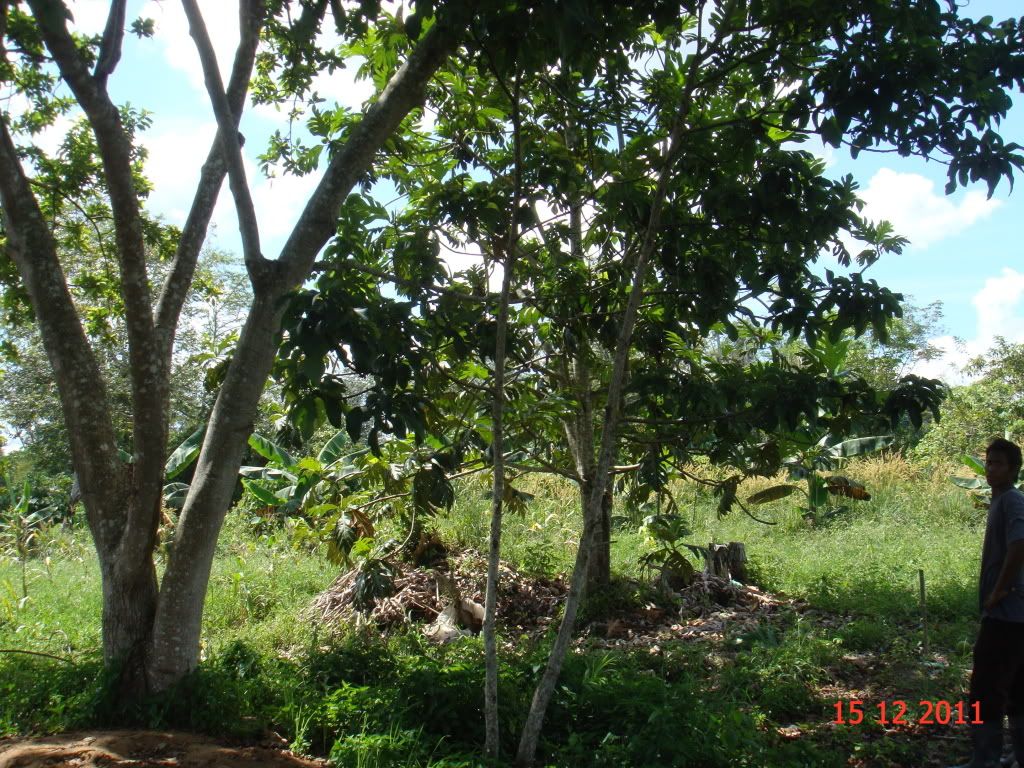
ii)" about 1.5 feet from the shade zone," Is this 1.5' from the ground within the shaded zone, or 1.5' out of the shaded zone? I grow mine under full sun light. Those covered with heavy weeds, don't do well at all. I read in an article that it's better to grow pumpkins on the ground rather than fence as the secondary roots help to produce bigger fruits. I actually wanted to try winter melon / Labu putih on fence, but decided against it. Started some bottle gourd on fence. I think winter melon produce bigger fruits on fence. Using chicken dung, plough into soil before planting, supplemented with Super Green (kenso organic slow release), and Zargro Star Blue (flowering/fruiting).
iii) Yes, my testing so far also indicates this to be true. It produce faster growing plants, thicker vines, bigger leaves and most important bigger fruits. Expecting some big fruits on the way.
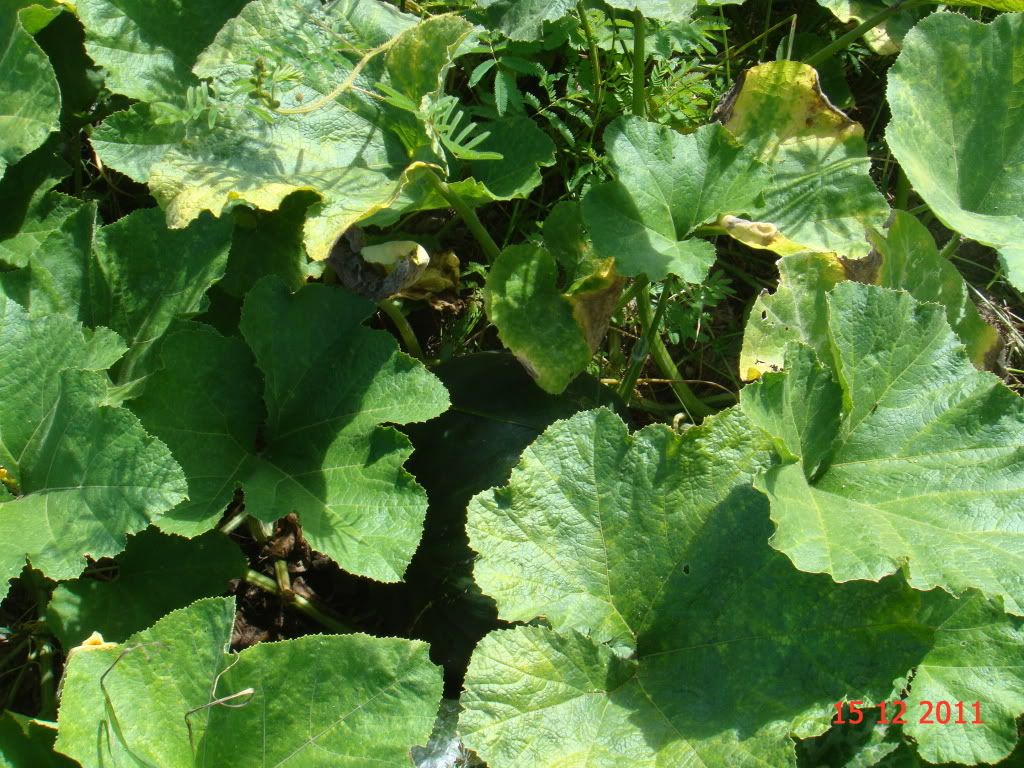
I think growing pumpkins on raised bed, with the vines touching the soil produce bigger fruits. The secondary roots help supply nutrient? We are doing weeding by hand and arranging the vines to prevent it from "flying" before /during flowering stage.
Shall be trying some on raised ridge/hill (vs bed).
Had not use silvershine because
1 Can not find a supplier here yet
2 Maybe cost is high (here)
3 Secondary roots can not establish
4 Watering disruption (not sure)? As are using rain fed supplemented with water spraying.
5 Am thinking/ planning to use rice straw, maybe a better alternative?, but could not find any yet. Think it's a waste to the rice farmer.
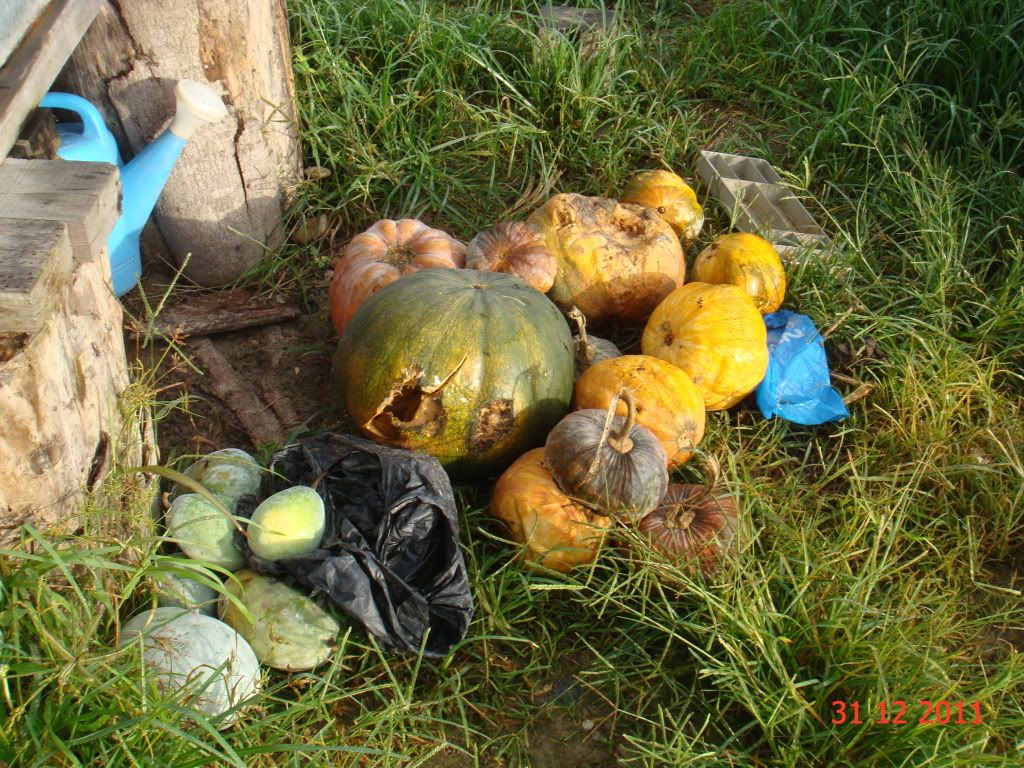
This pumpkins is a very interesting subject. This family is just too wide and many types. In the market they just refer it to be Labu Kuning or Labu Putih only. As we are wholesaling by weight, am also studying if Labu putih has a better weight because of the density ( labu kuning center is empty). Thankfully the farm gate price had risen back slightly. Hope to have a more consistence pumpkin crops next year once we finalize our trail & error test. Maybe can produce a super huge pumpkin

Another test, we find that pumpkins germinated directly grow faster vs transplanted.
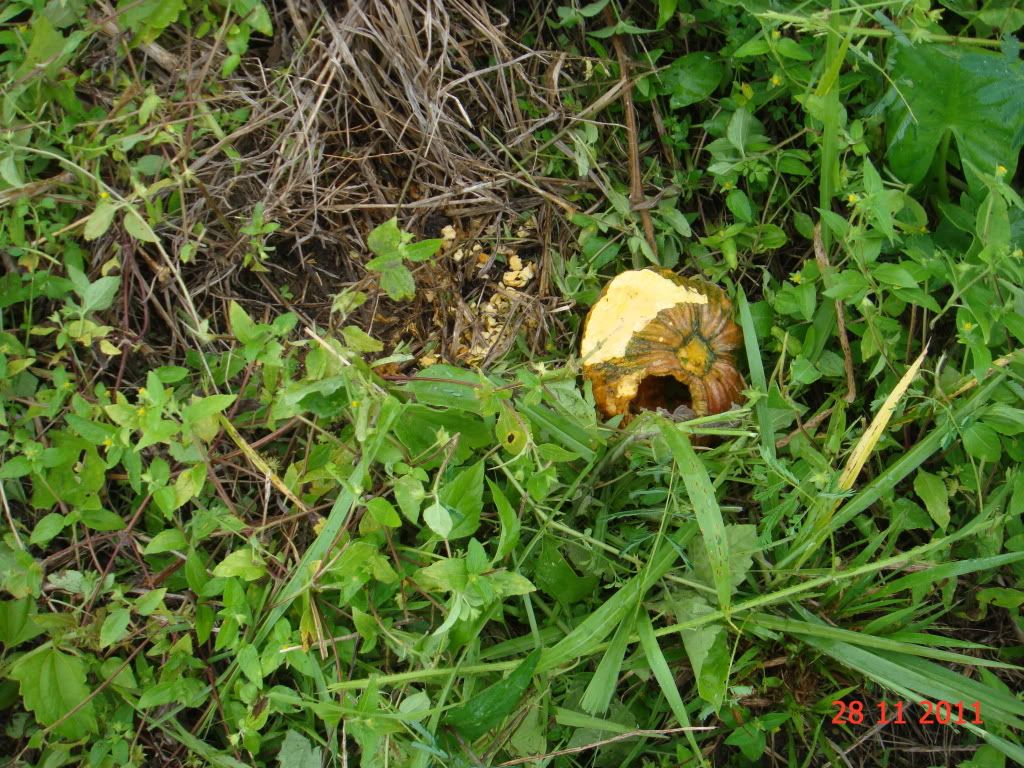
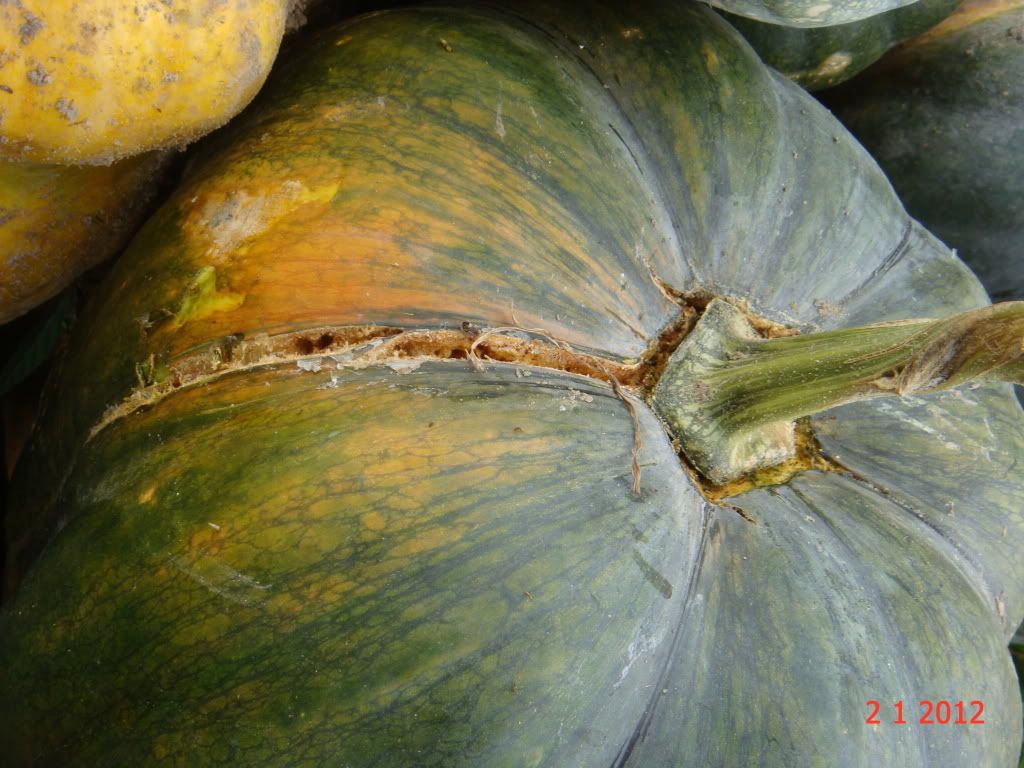
Other problems we had are pest, rodents and even ants & termites converting the pumpkin to nest during the raining season.
 Quote
Quote

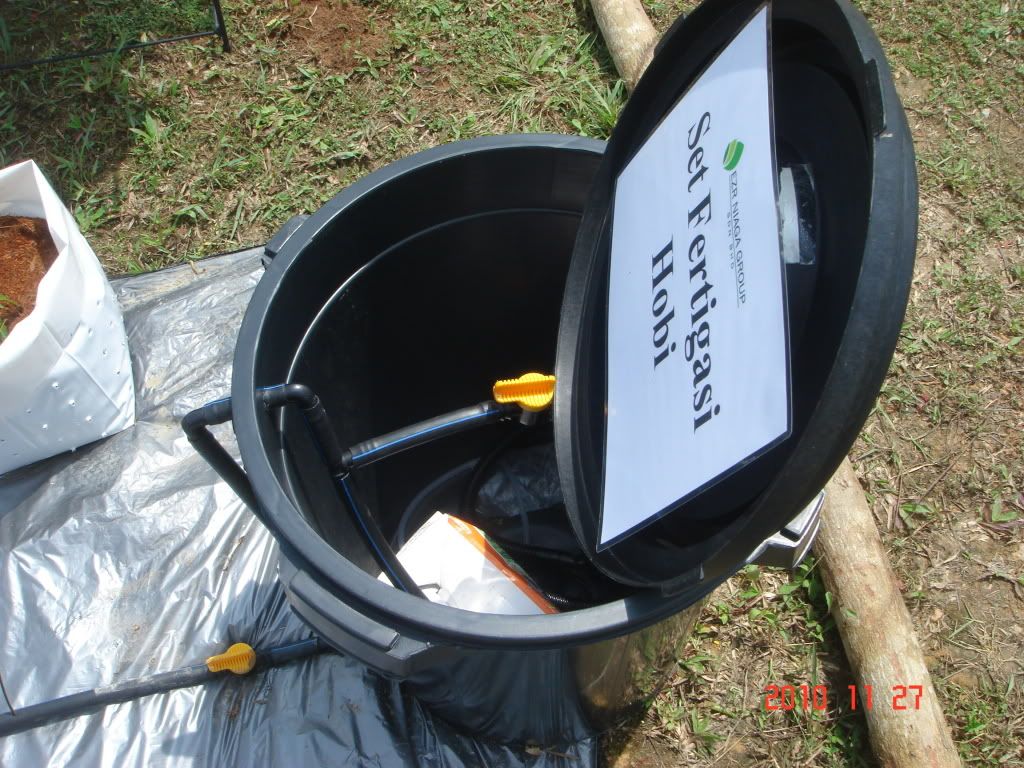
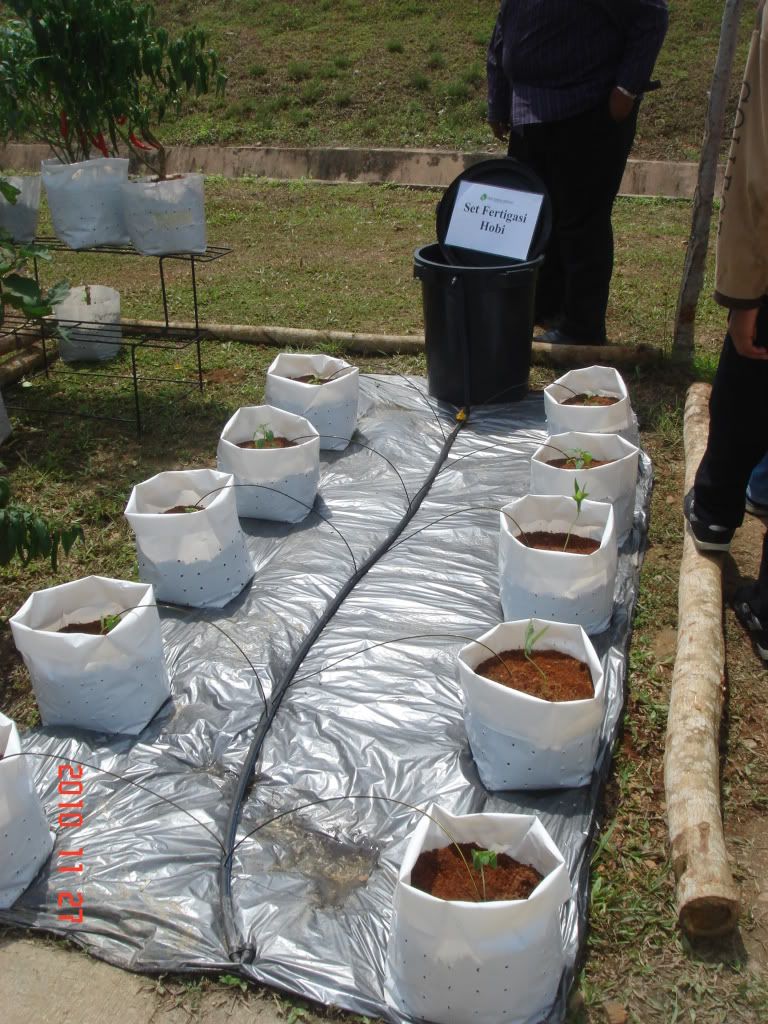
 Had not been working in the field for a long time. Guess my helpers consider me as a nuisance, disrupting their work.
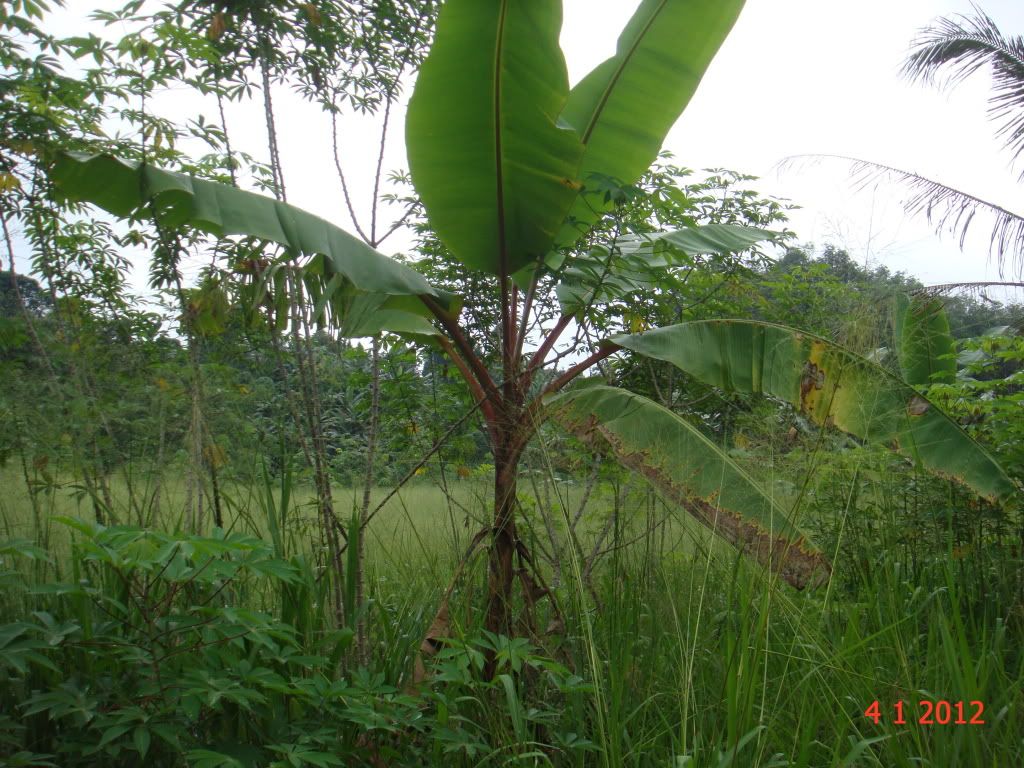
 ) 17th onwards.
 am on holiday till 20th Feb

 0.0559sec
 0.70
0.70
 7 queries
 GZIP Disabled