

 Jul 26 2013, 04:07 AM, updated 12y ago


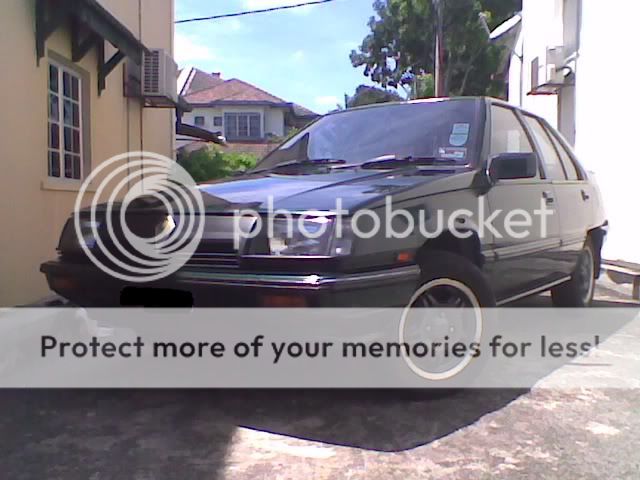
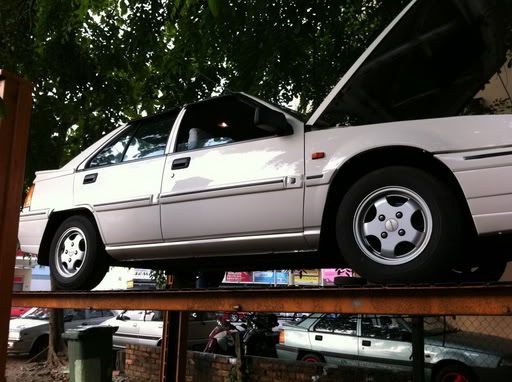
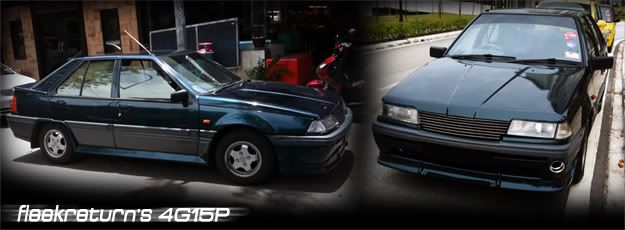
The Proton Saga is the first car produced by Malaysian auto manufacturer Proton, based on the 1983 Mitsubishi Lancer Fiore. It first debuted in September 1985. The first Proton Saga that rolled off the production line was presented to the Malaysian National Museum as a symbol of the beginning of the Malaysian automotive industry.
Since then, the Proton Saga and its variants contributed to most of Proton's sales and revenues. The Saga variants are also popular among Malaysian taxi drivers and operators who need cheap vehicles with good fuel economy. The Saga is currently the longest surviving brand in a line of cars offered by Proton.
for more information: http://en.wikipedia.org/wiki/Proton_Saga
Previous thread versions:
» Click to show Spoiler - click again to hide... «
LYN Proton Saga/Iswara Drivers' Forum Rules n Regulations
Following rules are being implemented to prevent any unhappiness arise during discussion.
Rule 1:
This is not a trading thread. Any trading activities must be done in discreet. Use PM la!
Rule 2:
This is not a place for u to show off. Respect all saga/iswara driver if u doesn't own a saga/iswara but u wish to join our thread please respect all others member. Do not make statement like "This car doesn't deserve any modification". If u don't like us don't join our discussion. We also not welcome u to make any statement to show off here.
Rule 3:
All other LYN rules applied in this Forum too.
These rules and regulations has to be followed by existing and new members. Any unsatisfactory and comment please PM me and allow me to discuss with all senior members before the rule is being change or new rule being implement.
Saga / Iswara Owners List v2:
» Click to show Spoiler - click again to hide... «
(will no longer be updated)Saga / Iswara Owners List:
» Click to show Spoiler - click again to hide... «
Do PM me if ur name is not listed! (click here)
Useful Info/FAQ
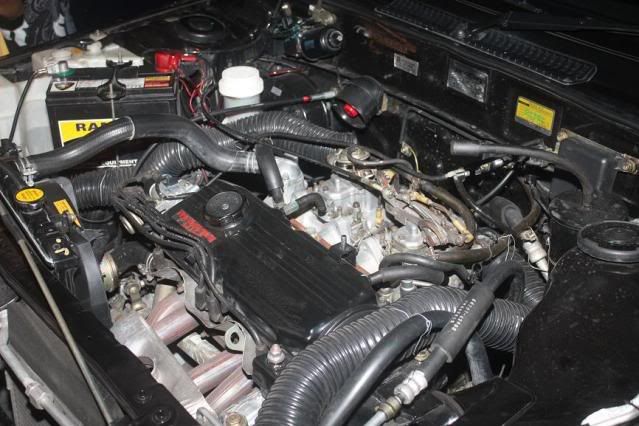
4G1x Engine manuals
http://www.mivec.co.nz/tech/4G1x_Engine_Manual.pdf
http://mitsu.ro/docs/Colt-91-95/workshop_manual.pdf
Valve clearance adjustment
<SOHC 12 valve>
(refer the engine manual link above, 1st one)
Standard value on cold engine:
intake 0.09mm
exhaust 0.17mm
Standard value on hot engine(this should be the value shown on your car/chassis sticker):
intake 0.20mm
exhaust 0.25mm
Ok confirmed, adjust on hot, not cold http://twitpic.com/dj0n77
4g13/4g15 Engine Oil capacity?
3.3-3.6 liters (fill it between the low and high lines/level of the dip stick, do NOT overfill)
Manual officially states 3.5 liters
Manual gear box capacity?
~1.8 liter, fill to full basically
same as per manual statement
Hypoid gear oil, use Petronas GL4SAE80 or equivalent; API classification GL-4 or higher, SAE viscosity no. 75w90
ATF capacity?
~2.5-3 liter on regular OCI/drains (after filling, check based on cold level, and monitor at hot level not exceeding the last line/level)
~4.5-5.5 liter for full drain (removing oil sump/atf filter, draining from torque converter)
Manual officially states 5.8 liters
Use only Dextron III, Mitsubishi or Proton SPIII specifications
~8 liter for flushing
Coolant capacity?
~4-5 liters depending on flushing/reservoir drain
Manual officially states 5 liters including the 0.65 liters in the reservoir tank
*Service intervals*
- Engine oil - Every 5,000km - 12,000km or 3 - 6 months whichever first depending on which EO used
- Oil filter - every 5k km - 6k km or 3-6 months whichever first MUST replace regardless of which EO used
- Spark Plugs - Every 20,000km (copper), some spark plugs last up to 100,000km but if your engine is a bit screwed up then invest in a normal spark plug and change more often will do. spark plugs time period not really needed, best if you just periodically take it out and inspect accordingly.
- Transmission Oil - 40,000km or 2 years whichever first (manual) | 20,000km or 1 year whichever first (auto)
this can be a bit flexible, general rule of thumb is that if you're using damn good full synthetic transmission oil, you may opt for longer OCI, and if you feel that shifting is no longer smooth/crisp, have weird judder/kicks from auto transmission, then consider replacing the oil sooner/immediately. - Timing belt Kits - Every 80,000km / 3 years
- Water Pump - advisable to change it together during every timing kit change
- Radiator Flushing - if you're using good long life coolant and distilled water at 50:50 ratio, you can do it every 40k km or 2 years or so, and the next one will be during your timing belt/water pump replacement
- brake fluid flushing: whenever the brake fluid turns to kopi ais (don't wait until it's pitch black kopi o please lol, sludge will form)
brake bleeding: whenever you feed that your brake is uneven (Eg: pulling 1 side upon brake) or if it is spongy, or your stopping power seems compromised
also do check on brake pad uneven wear too
brakes fluids in general you may practice 20k km or 1 year, although do note that brake fluid are hygroscopic, so even if your car is low mileage, the fluids lifespan is still ticking. for decent quality brake fluid and if you're not a spirited driver with hard braking, 1 year is a decent guideline. however if you brake hard, using DOT5.1 or racing/super DOT4 brake fluids with much higher temperature threshold, you may need to replace the brake fluid sooner. - Brake Pads (Front) - Check during every service so you get to know when you should standby
- brake shoe (rear) similar to front pads (and they usually last at least 2x longer compared to front pads), however do service it once a while (maybe every 20k km or so ) as the brake shoe dust will accumulate and overtime it may cause jam in the brake pump which would cost a bit to replace.
yes i know it's cheap, but opening up the drum and blowing/sweeping/cleaning off the excess dust will prolong the brake pump's life a LOT
- for air cond (full service includes replacing drier, cleaning the internals and then vacuuming pressure and re-gas etc), power steering oil/fluid, 40k km or 2 years whichever first.
- power steering oil 40k km or 2 years whichever first, or when you feel that the steering is no longer turning smoothly especially during standstill, or if the power steering pump is having squeaking/whining noises.
- alternator service (the bushes/carbon thingies) are typically done once every few years, only if the charge is low and causing the battery not able to charge properly. (under 14.4 volts in general, or heavy fluctuations on voltage)
- Throttle body/Carburetor cleaning/de-carbon between every 20k km to 40k km, or 1 year to 2 year whichever comes first, according to your budget or when you feel that your throttle response/acceleration is not smooth.
Should check it out if suspect fuel delivery issues
Pricing is around rm160 for original proton (to be confirmed)
» Click to show Spoiler - click again to hide... «


https://forum.lowyat.net/index.php?showtopi...post&p=64185235
» Click to show Spoiler - click again to hide... «

» Click to show Spoiler - click again to hide... «
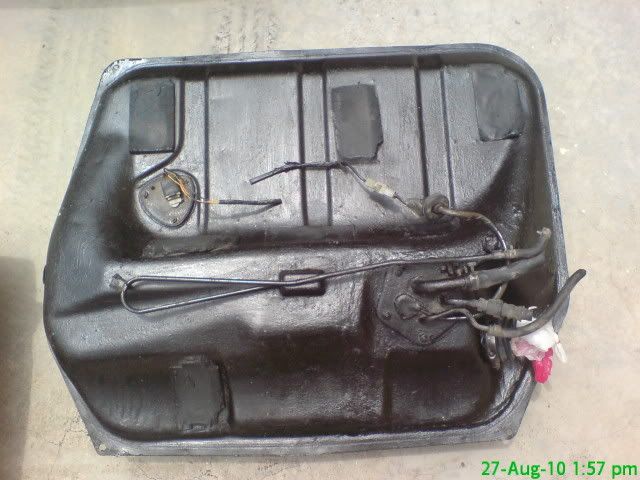
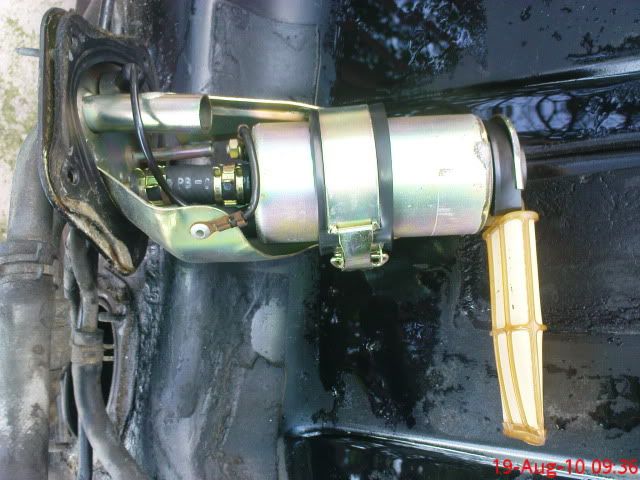
references:
https://forum.lowyat.net/topic/1549104/all
http://www.acksfaq.com/mechanical_fuel_pump.htm
Tail lamp assembly:
from:
https://forum.lowyat.net/index.php?showtopi...post&p=68372366
to:
https://forum.lowyat.net/index.php?showtopi...post&p=68550245
Basically loosen 3 nuts and lot of strength to pry the light which is stucked fast to the body.
pm/post on the thread for more useful infos/FAQs to add

Tyre & Rim Info
1) PCD
-> stands for pitch circle diameter, numbers of bolts on the wheel
-> got a few PCD types: 100 (eg: wira, honda), 114.3 (eg: saga iswara, satria neo), 110 (kancil), etc.

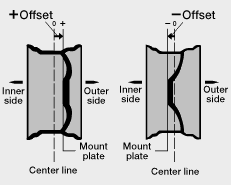
2) Offset
-> distance from the center of the rim to the attaching disk part
-> normally can be adjusted using spacer
3) Spacer
-> a round piece of metal that has holes on it, the function is to avoid/adjust the wheel from rubbing the arch/fender
-> got few sizes/thickness
-> if u r using 8 holes rim sure need to add spacer on the front
4) 14" or 15"
-> i prefer 15" bcoz 14" less choices for performance tires
5) Best PCD and offset
-> 114.3 and 38-40 (need check with sifoo..)
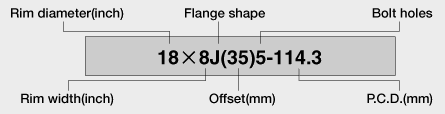
Credit goes to: Killer
Warranty FAQs
could be very outdated/irrelevant, do pm me if any of you members have new saga/iswara or new information regarding proton warranty, thanks.
» Click to show Spoiler - click again to hide... «
5. Is it important to use genuine parts?
Yes, it is important that you use PROTON genuine parts and accessories.
This will ensure that the original vehicle specifications are maintained and that the replacement parts meet the same high standards as the vehicle original equipments. This will also ensure the vehicle compliance to the government regulations relating to vehicle safety and environmental controls. The use of parts that do not conform to the correct specification may cause damage to the vehicle and could also invalidate the terms of the warranty.
credit goes to Kevin

This post has been edited by Quazacolt: Nov 9 2014, 08:32 PM
 Quote
Quote


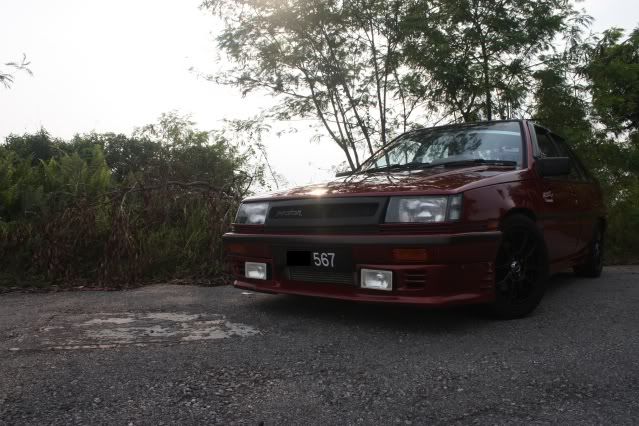
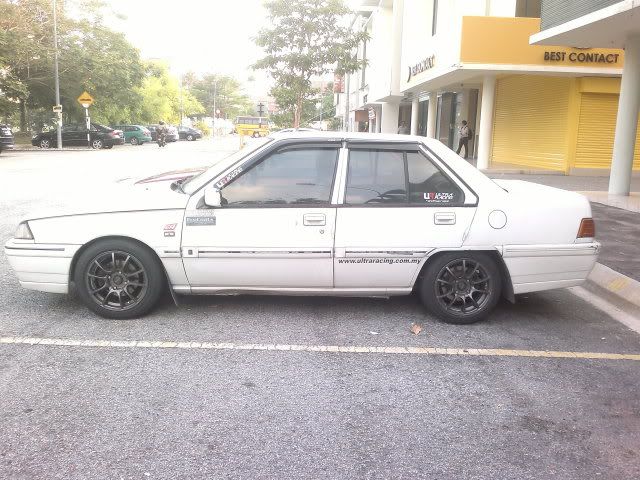


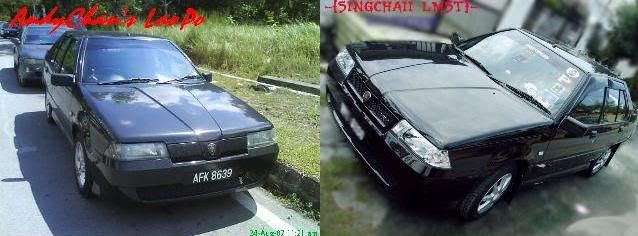







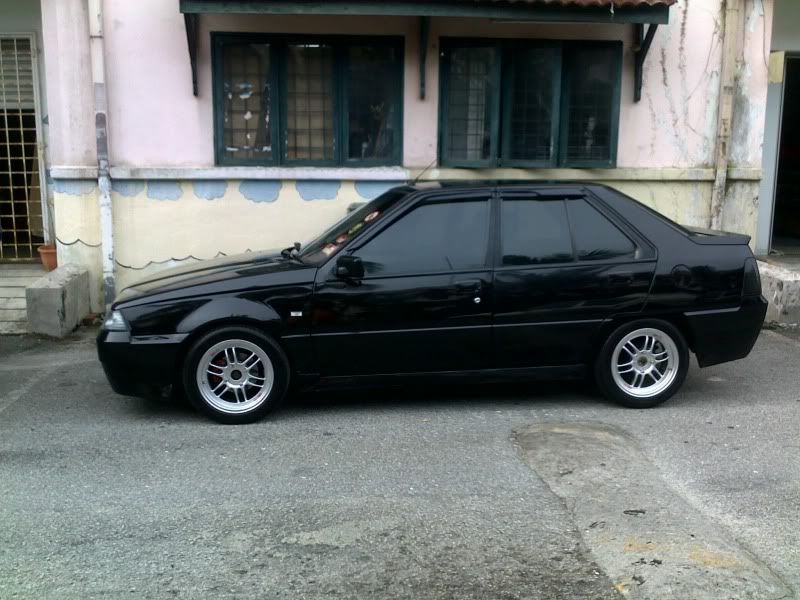



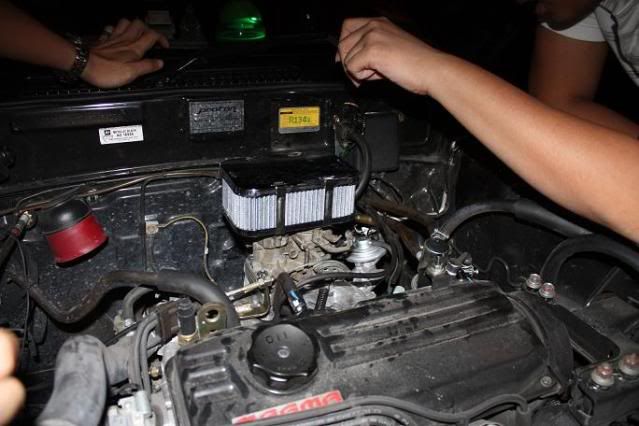
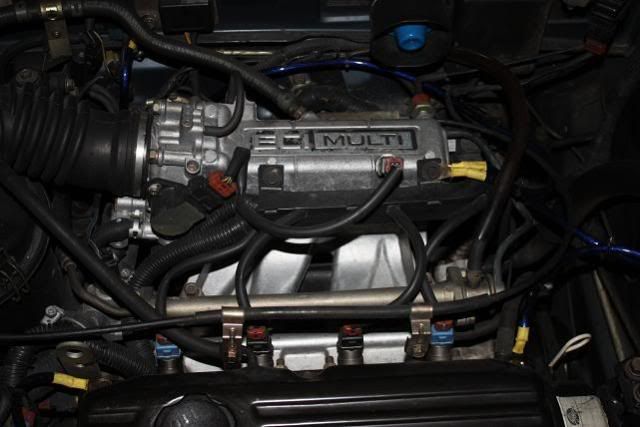


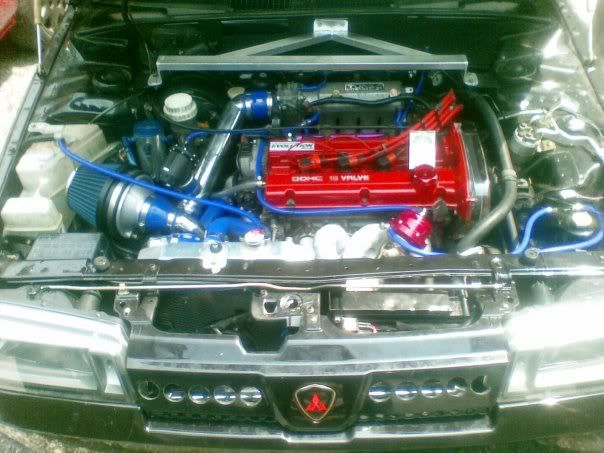



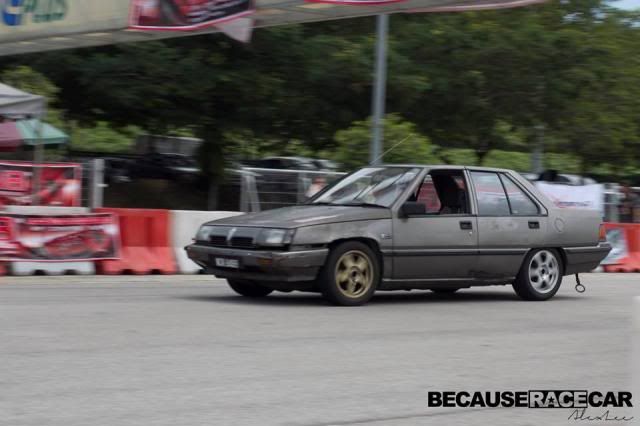
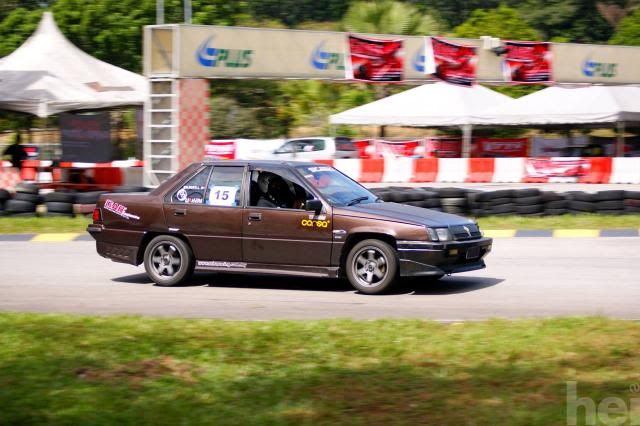
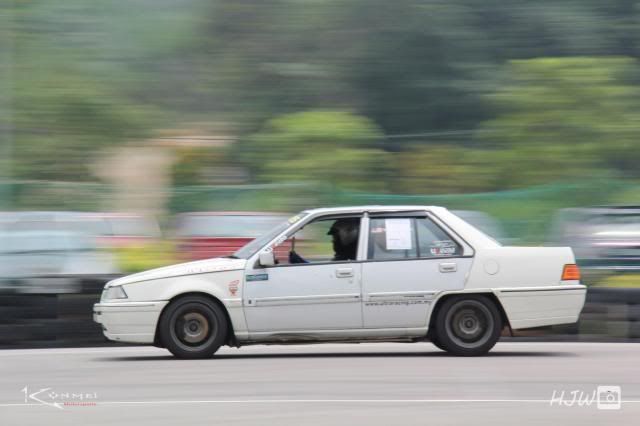

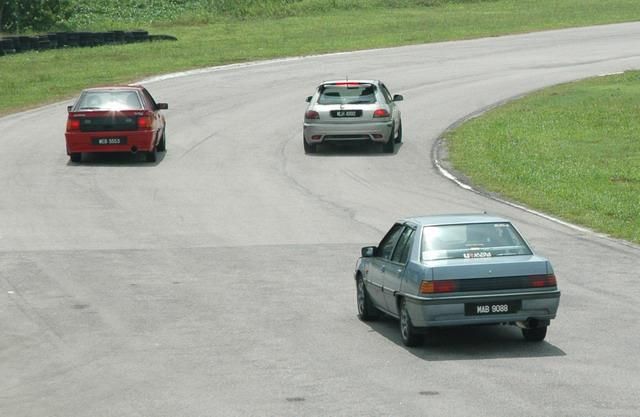 And many more I might missed out.


 good stuff, let's keep our Iswaras ALIVE!!





 Poor car
 0.0340sec
 0.49
0.49
 6 queries
 GZIP Disabled