QUOTE(weikee @ Sep 28 2011, 05:33 PM)
What i understand not listed mean standard taxing apply.
Not really. I have experience that there is no tax with unknown item. But you still need to go there to explain and buy the custom form. If you have experience about custom tariff, you can straight tell them under which category in and how much tax. That can prevent them from anyhow tax you.
Ok, I found out that solar panel will get tax for 10% in custom tariff. It under name of photovoltaic. So any solar thing you want to get from oversea, add the 10% in.
Added on September 30, 2011, 1:27 pmHere have some good explanation about solar on grid. And why encourage you to put up a solar panel from power station.
Why tnb no encourage huh.

QUOTE
BIPV, Grid Connected, Photovoltaic, Solar Power Systems - Do You Need It ??? Or...
Electricity from BIPV, Grid Connected, systems, does NOT cover the cost of electricity that you use and you still have a monthly bill to pay, to the power company. You would need at least 15 Kilowatt peak, of Crystalline Solar panels, to fully power a small house, or 10Kwp of Modern, Thin film, Solar panels. Maximum allowed for BIPV Grid connected, in Malaysia, is 5Kwp. This seems to be omitted from all of the advertising. Only DC (Direct Current), Stand-Alone, systems, cover the whole cost of Electricity used.
Solar panels do NOT save energy. They are only an alternative supply of electricity. BIPV is a very expensive alternative, when compared to the price of Mains AC (Alternating Current) electricity, from the power company. Different types of PV panels work better in different climates but a lot of Myths often make consumers choose the 'WRONG' type of panel.
Solar panels make DC electricity (like a battery), directly from the Sun. This is a very simple conversion which is known as the �Photovoltaic effect�. DC power can be used directly, with most of your household appliances. The problem is that often the DC electricity is converted to AC, by an INVERTER , for Grid Connected systems, so that it can be put back into the AC mains Grid. This Inverter is an expensive piece of equipment, that has a Power LOSS, when converting the battery type electricity (DC) into Mains type electricity (AC).
For over 50 years, Solar power has been used in Stand-Alone, DC systems, in places where there was no Mains Electricity supply. Over 90% of all Solar power systems are still Stand-Alone systems but we never hear about these! No hype here, because there is no benefit for the big power companies if customers start using their own electricity and stop buying from them!
So why all the hype about BIPV?
The peak demand of the power company occurs at mid day and this demand can NOT be met in many areas. Coincidentally, the peak output of Solar panels happens at Mid day, when the Sun is at its Hottest. So an Ideal solution is to put Solar panels on local houses and feed this, much needed power, back to the power company, to help them meet the peak load. BIPV is intended to help the power company more than the consumer. The MPIA (Malaysian Photovoltaic Industry Association) protects consumers and explains all the pitfalls of using BIPV systems, before installing them.
Now you all know, that the power coming from the wall socket, in your house, is the AC type power. What some of you may not know, is that all your modern appliances are DC powered. To get round this problem, all your appliances are fitted with AC to DC converters, to turn the 240V AC power into 12V DC, in most cases. An example is your mobile phone, it comes with a wall mounted converter, to change the 240V AC to 4V DC to charge the battery. Also your lap top computer has a small black box on the mains lead, which also converts the 240V AC power back to 12V DC to charge the battery in your lap top. LCD TV is DC powered, Printer, PC, Satellite dish, and anything which has microchips inside are ALL DC powered. You are using DC powered appliances already, all with the AC to DC converters supplied by the manufacturers.
So why do we have AC 240V if everything is DC?
This is because low voltage DC, can not be carried very far, over an electric cable. But AC high voltage can travel hundreds of miles and can be converted by transformers to higher voltages, which are needed to make the electricity travel these long distances, from the Power Station to your house. These transformers and voltage changes, cause a massive loss of power. 300% more power has to be produced at the power station, to make up for these losses in your AC mains system. That means that a 100 watt light bulb needs the power station to generate 300 watts of power, to light it. So if you put Solar Panels on your house and produce Mains electricity directly into the local power grid, for every 100 watts you put in, the power company saves 300 watts of power.
Now in most countries, this is reflected in the price that the power company pays for the electricity you give to them. Thailand for example will give 3 times the rated tariff, for electricity they get from Solar panels.
However, if you have a stand alone PV power system and you WISH to be BIPV, Grid connected, you can Pay the additional cost, of an expensive grid connection inverter and put the energy you Produce, back into the Grid. Unfortunately, you do not get paid for putting the energy into the Grid, you only get back AC power that you put in. So, you don't use or need the Grid Energy and get nothing in return, for connecting into the Grid System.
This post has been edited by ozak: Sep 30 2011, 01:29 PM 

 Sep 25 2011, 01:48 PM, updated 14y ago


 Quote
Quote




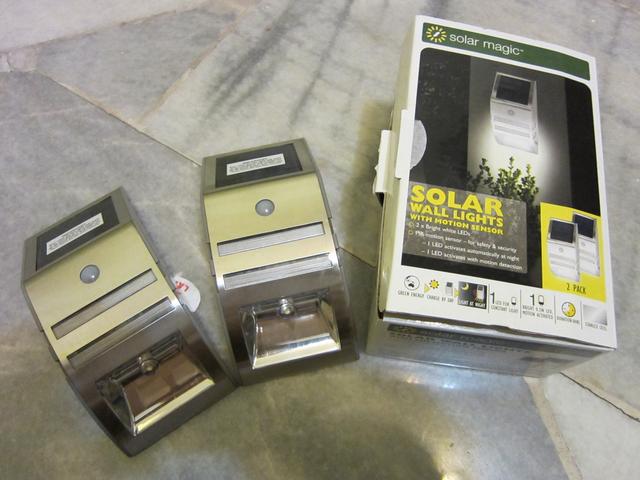
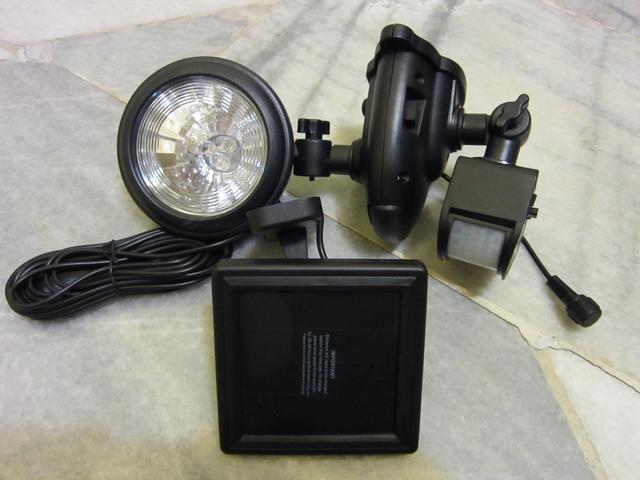
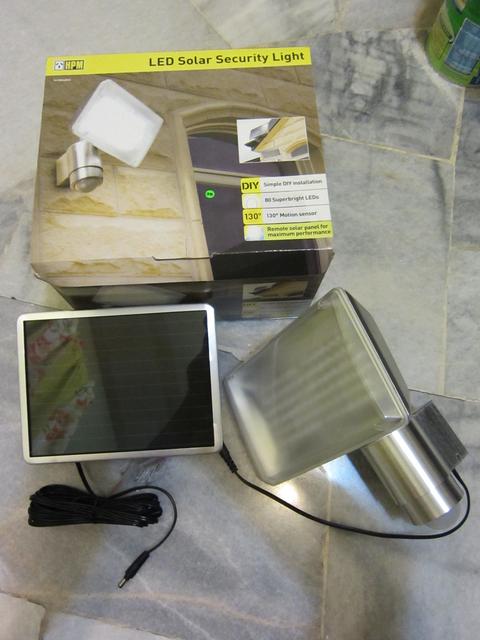


 ).
).


 pls dont make it sound like you have done it


 I m interest of her than the panel.


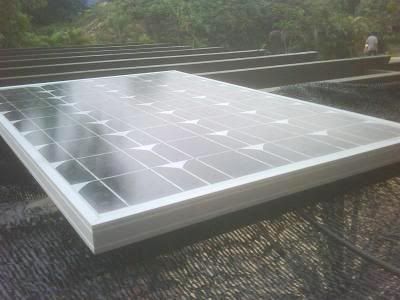


 look like high security. 2 gate and fence separate by buffer zone. Just like those important place.








 0.2451sec
 0.47
0.47
 6 queries
 GZIP Disabled