

 Oct 11 2011, 12:18 PM


QUOTE(Michael J. @ Oct 11 2011, 08:26 AM)
Mr Farmer:
It's ok. I've not had the chance to look at the photos yet anyway.
From what you have described, you are doing everything by the book, so nothing to fear. You are really very well informed and well prepared.
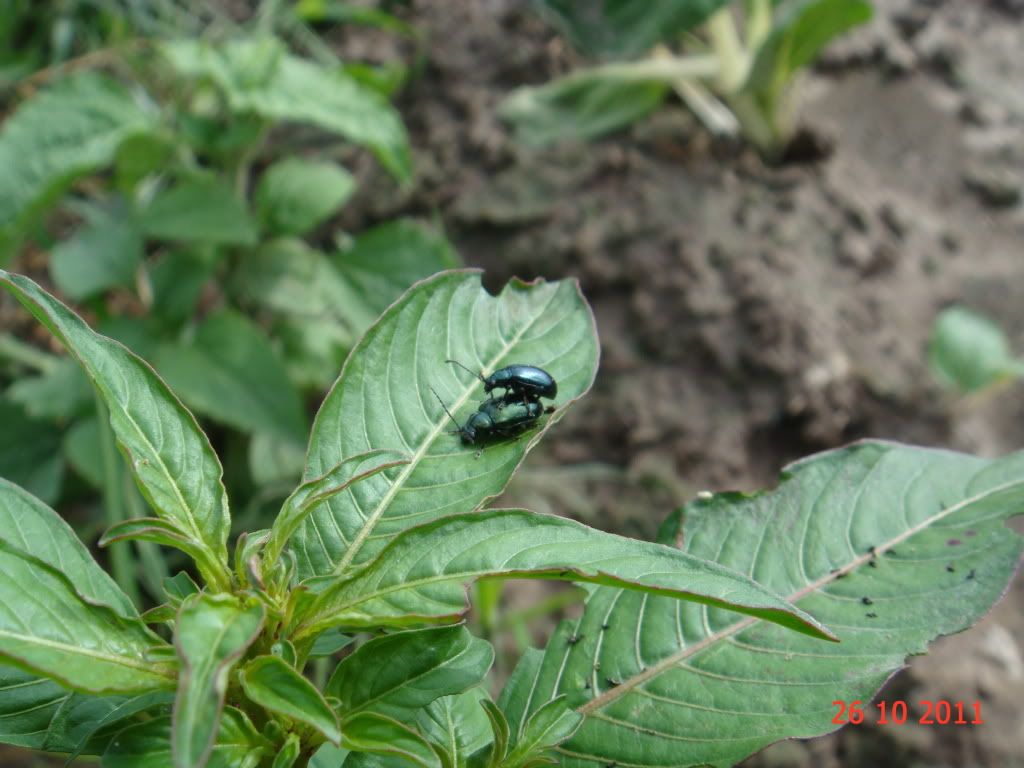
Now that you've mentioned yellow patches and predation holes on the leaves and between leaf veins, then I can tell you that you are not dealing with a sap sucking insect like aphids or leafhoppers. You should be looking at tissue consuming ones, like night flying beetles, potato leaf beetles, or even grasshoppers. To confirm this, you need to observe the bite holes for clearly defined edges, could be slightly serrated. If it is not well defined, and excessively smooth, then it could leaf blight/spot or soft rot. You might like to read the attached document as guidance:
http://www.seedalliance.org/uploads/pdf/SpinachDiseases.pdf
If you have identified that it is none of the above, then it would be insect predation. From the feeding pattern (i.e. between leaf veins, serrated edges), it is likely night flying beetles, Apogonia. Check for blackish-brown frass (insect poop) on the underside of the leaves or surrounding leaves. If you find those, then you are most likely having those feeding on your bayams. Other possible pest could be slugs and snails.
I can't give you a definite answer just yet as I'm away from my computer. This computer I'm using now kind of sucks.
Dimethoate, like I said previously, is actually a contact poison, meaning it kills upon contact with the insect via absorbtion through the insect breathing pores. It can act as a systemic, but that is only because the poison is absorbed by the plant itself, making the plant poisonous. BTW, systemic does not necessarily mean slow; it only defines the mode of delivering the poison. Systemic poisons are meant to be delivered into the "body" or "system" of the targeted organism and kill them from inside. Contact poisons are meant to cause death upon touch or inhalation (by killing lung cells leading to suffocation). Think of systemic poisons as lethal injections, and contact poisons as electric chairs.
Personally, I really wouldn't use dimethoate because of the very high risks involved (it has been known to attack human nervous system, leading to symptoms similar to Parkinson's Disease or stroke). Instead, I would use cypermethrin; although it is also dangerous, the risks are less compared to dimethoate.

I think could be predation insects. Had checked, no snail, no slugs, no insects during day time, but found some poop/excretion here and there.It's ok. I've not had the chance to look at the photos yet anyway.
From what you have described, you are doing everything by the book, so nothing to fear. You are really very well informed and well prepared.
Now that you've mentioned yellow patches and predation holes on the leaves and between leaf veins, then I can tell you that you are not dealing with a sap sucking insect like aphids or leafhoppers. You should be looking at tissue consuming ones, like night flying beetles, potato leaf beetles, or even grasshoppers. To confirm this, you need to observe the bite holes for clearly defined edges, could be slightly serrated. If it is not well defined, and excessively smooth, then it could leaf blight/spot or soft rot. You might like to read the attached document as guidance:
http://www.seedalliance.org/uploads/pdf/SpinachDiseases.pdf
If you have identified that it is none of the above, then it would be insect predation. From the feeding pattern (i.e. between leaf veins, serrated edges), it is likely night flying beetles, Apogonia. Check for blackish-brown frass (insect poop) on the underside of the leaves or surrounding leaves. If you find those, then you are most likely having those feeding on your bayams. Other possible pest could be slugs and snails.
I can't give you a definite answer just yet as I'm away from my computer. This computer I'm using now kind of sucks.
Dimethoate, like I said previously, is actually a contact poison, meaning it kills upon contact with the insect via absorbtion through the insect breathing pores. It can act as a systemic, but that is only because the poison is absorbed by the plant itself, making the plant poisonous. BTW, systemic does not necessarily mean slow; it only defines the mode of delivering the poison. Systemic poisons are meant to be delivered into the "body" or "system" of the targeted organism and kill them from inside. Contact poisons are meant to cause death upon touch or inhalation (by killing lung cells leading to suffocation). Think of systemic poisons as lethal injections, and contact poisons as electric chairs.
Personally, I really wouldn't use dimethoate because of the very high risks involved (it has been known to attack human nervous system, leading to symptoms similar to Parkinson's Disease or stroke). Instead, I would use cypermethrin; although it is also dangerous, the risks are less compared to dimethoate.
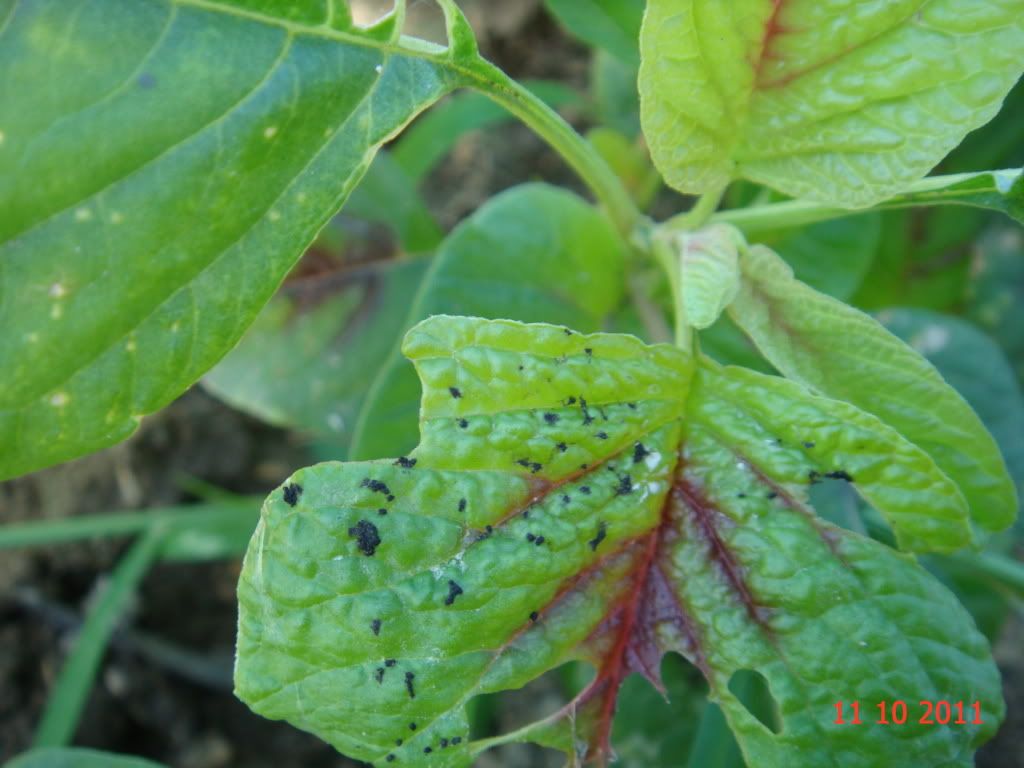
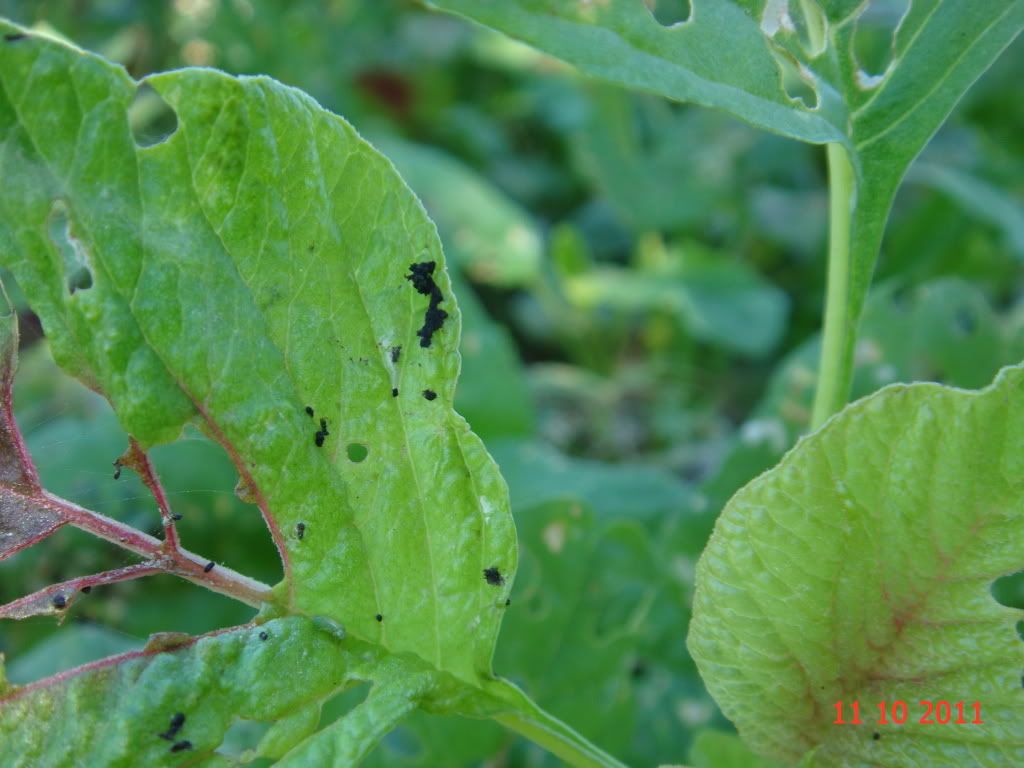
Also there seems to be some "silk" threads on the bitten holes.
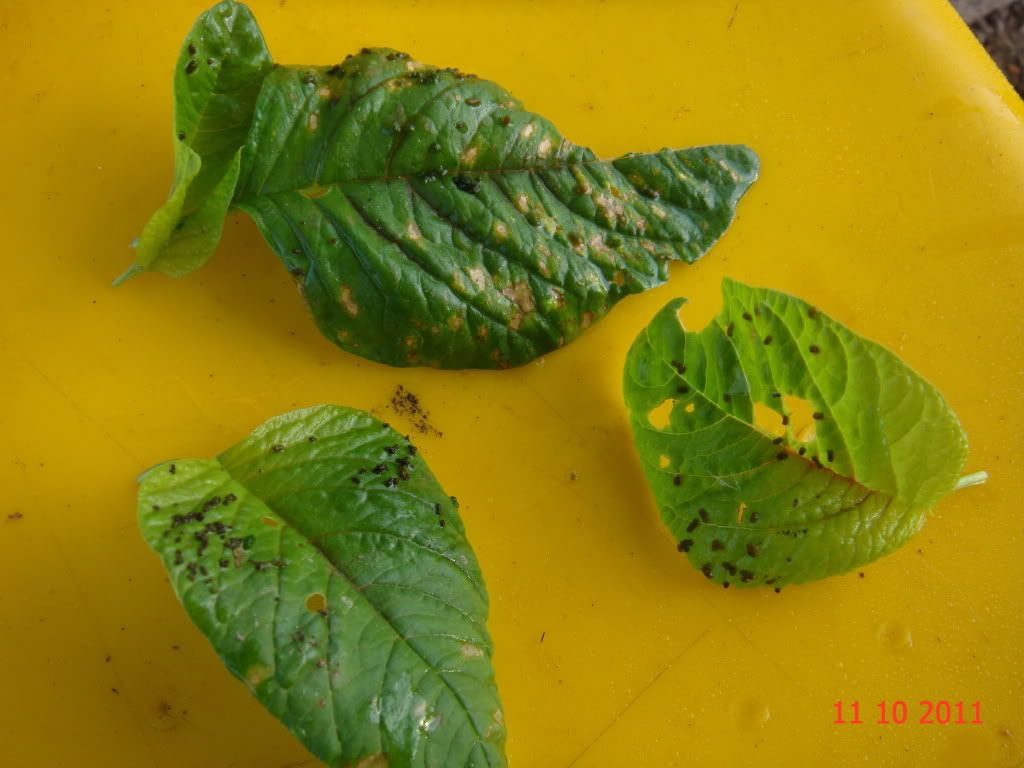
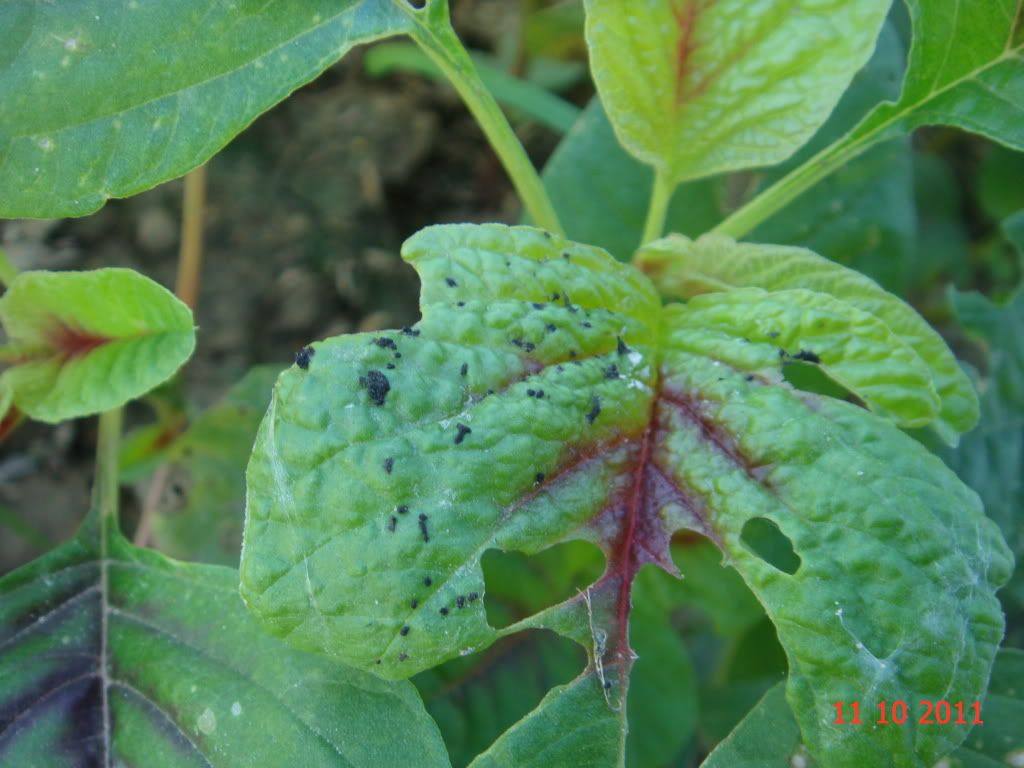
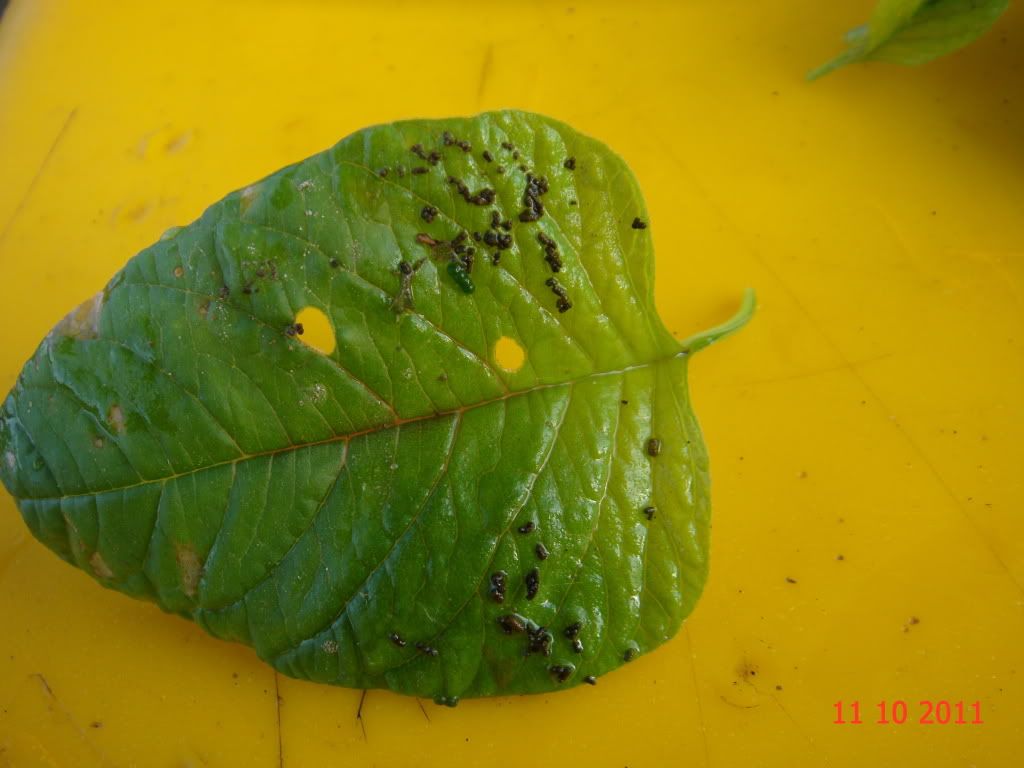
 Think of systemic poisons as lethal injections, and contact poisons as electric chairs.
Shall look into cypermethrin, as I would no want my helpers or I to end up having a stroke or Parkinson's Disease.
 Quote
Quote
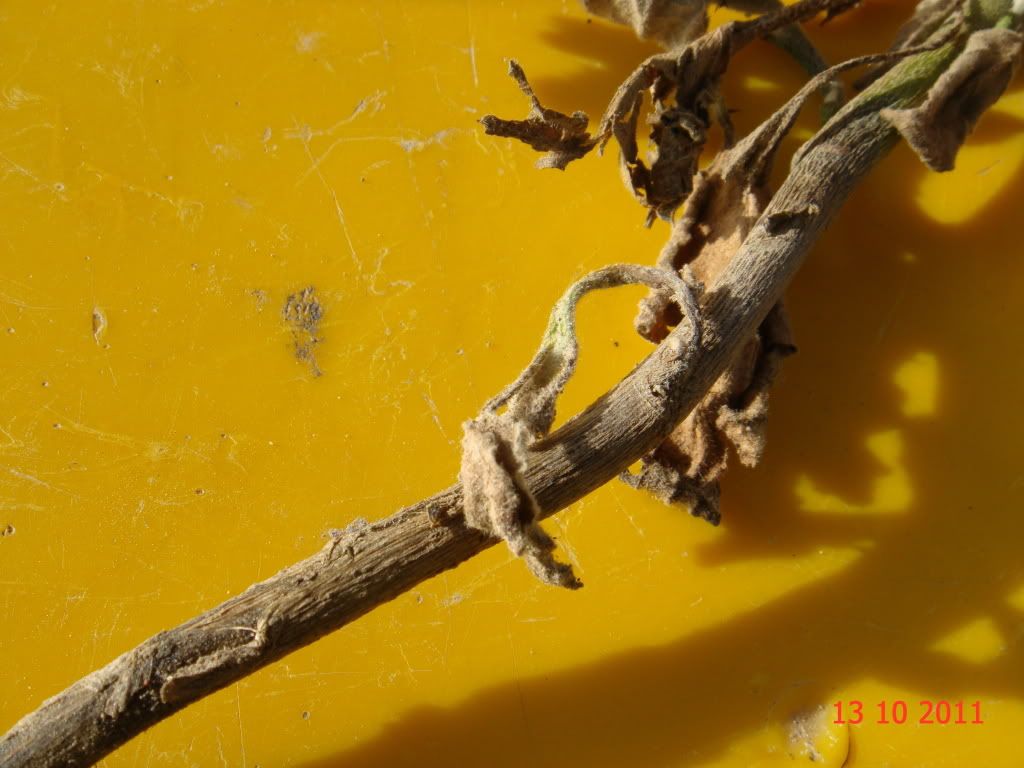
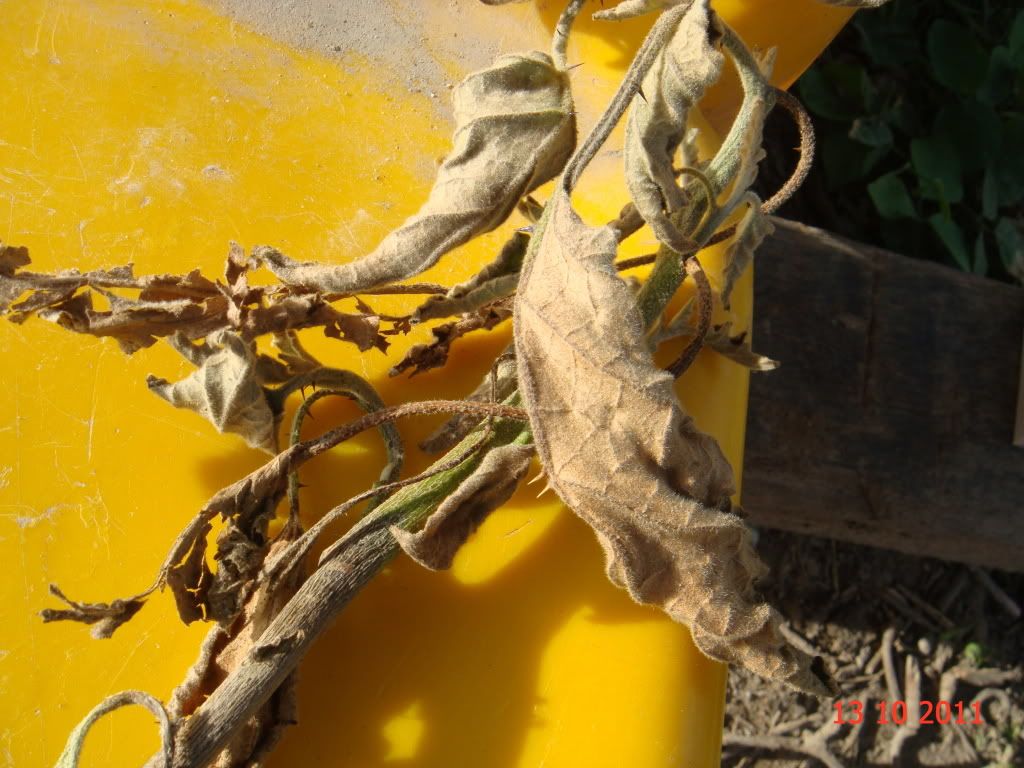
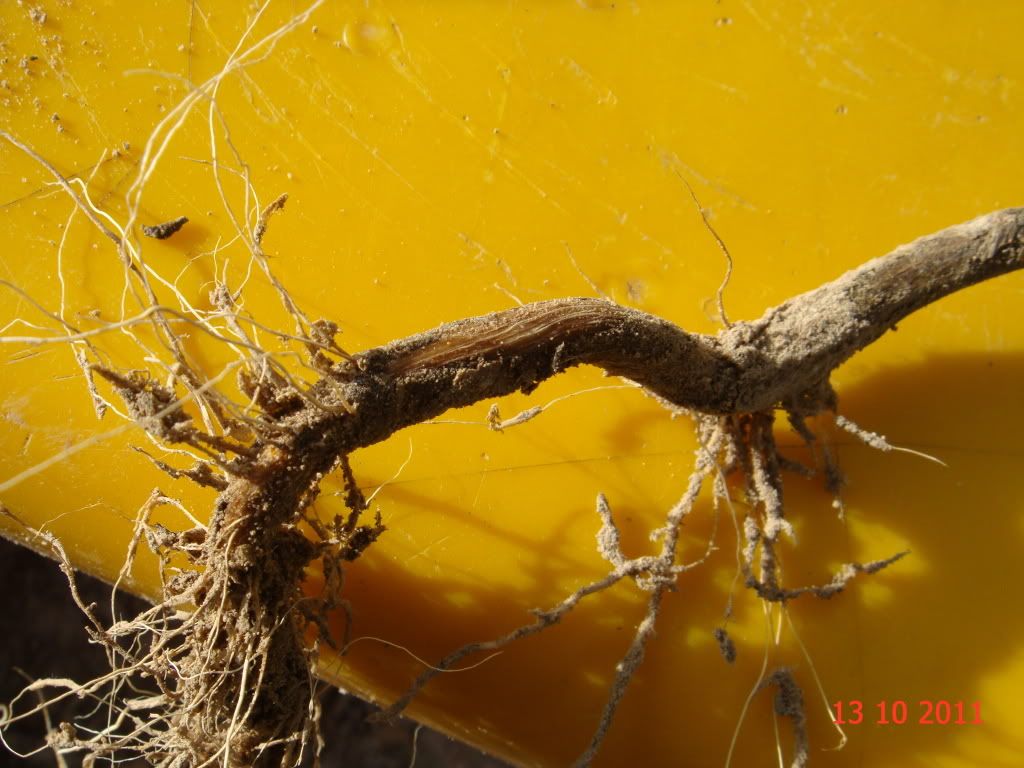
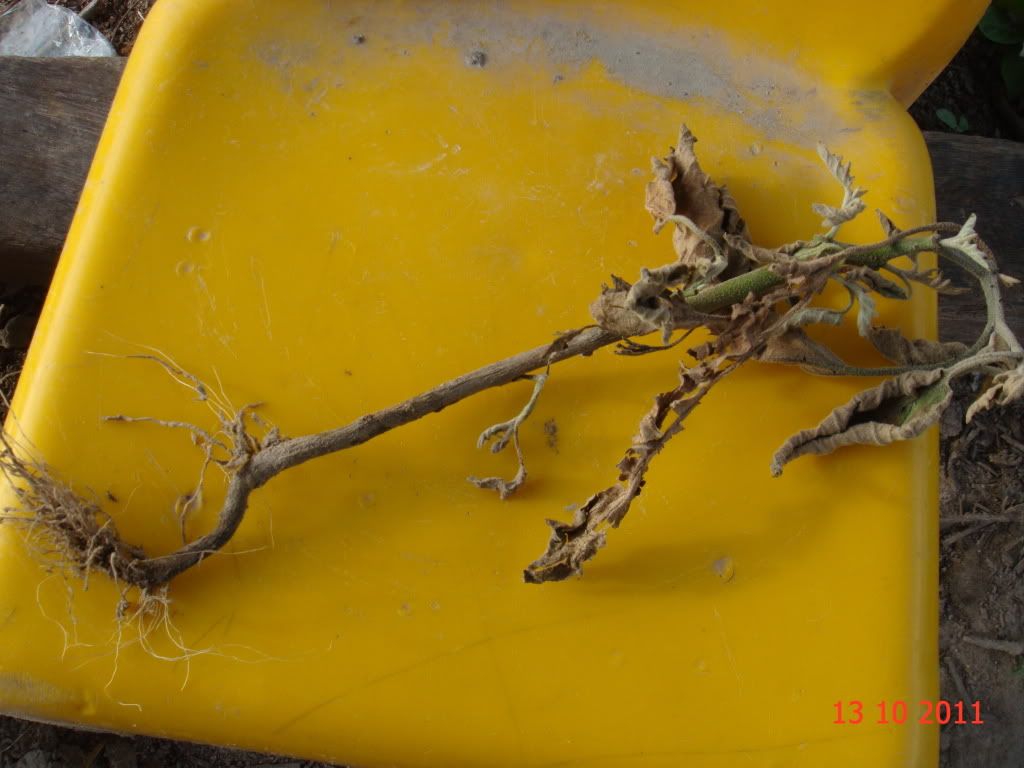
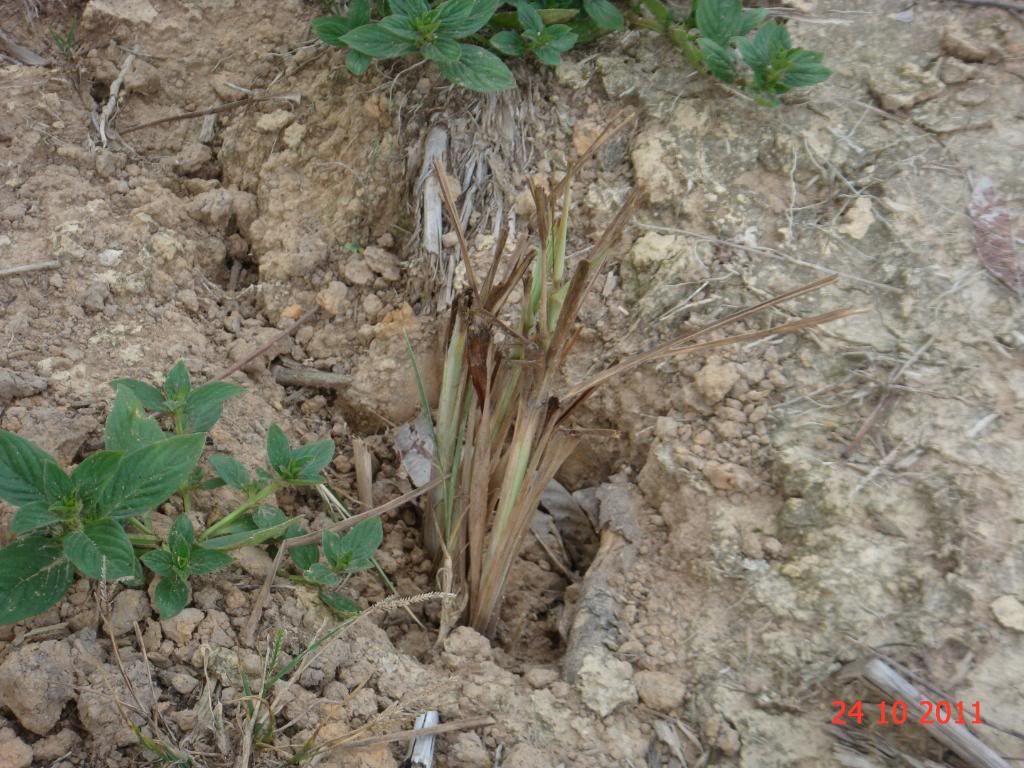
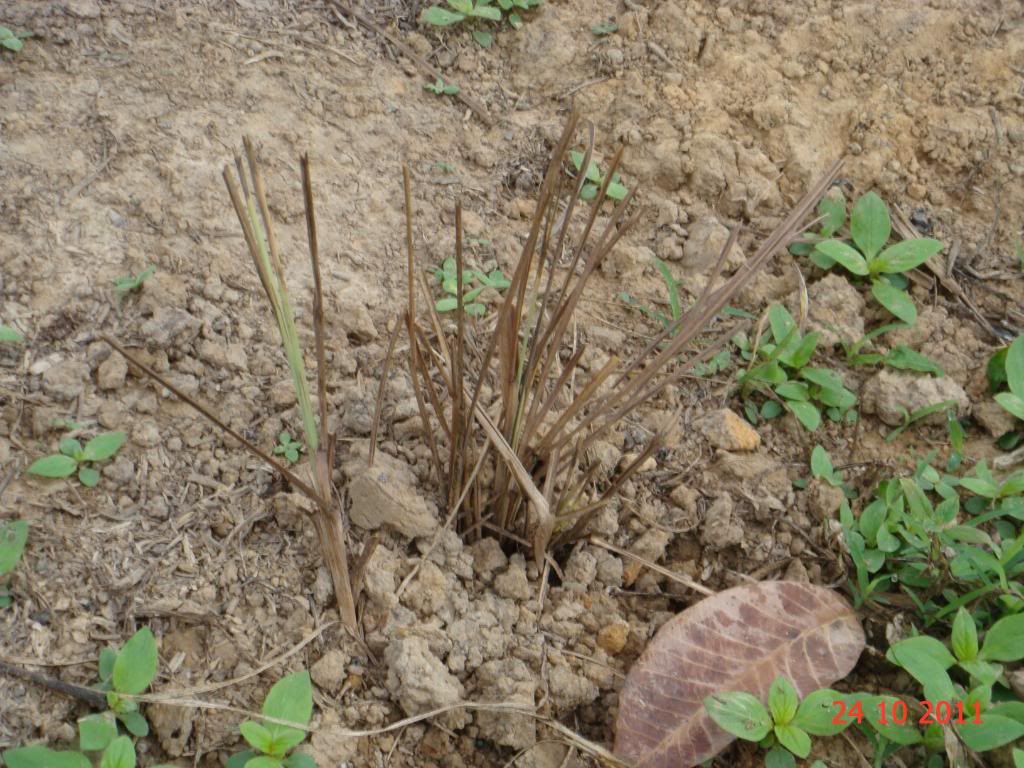
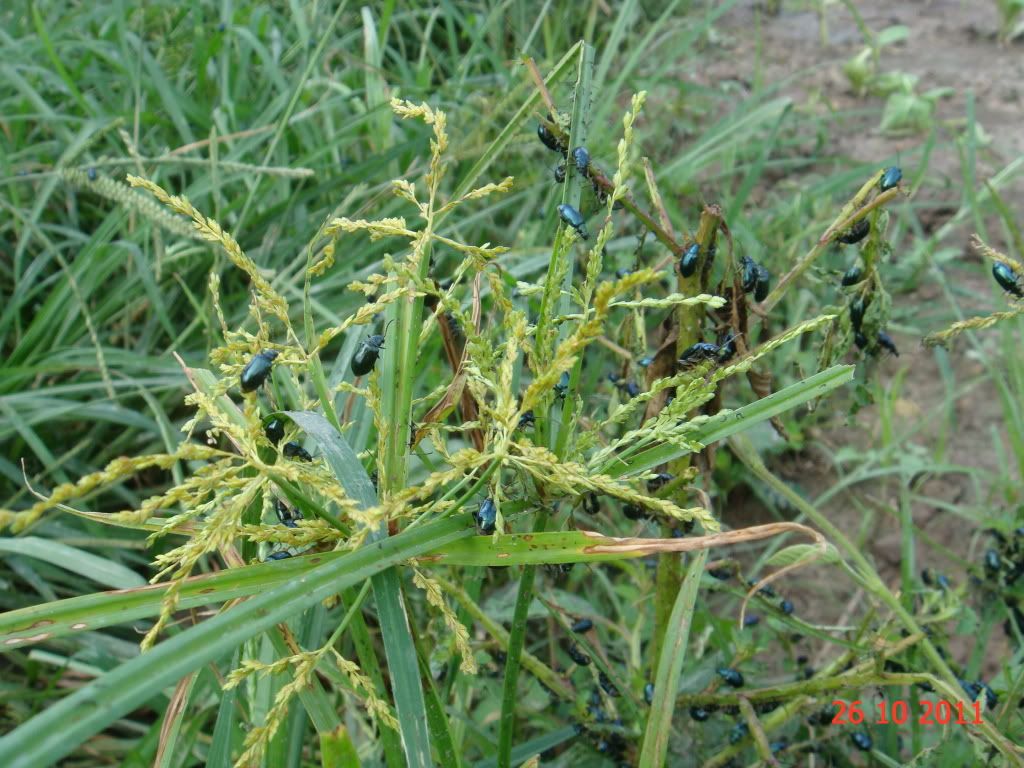
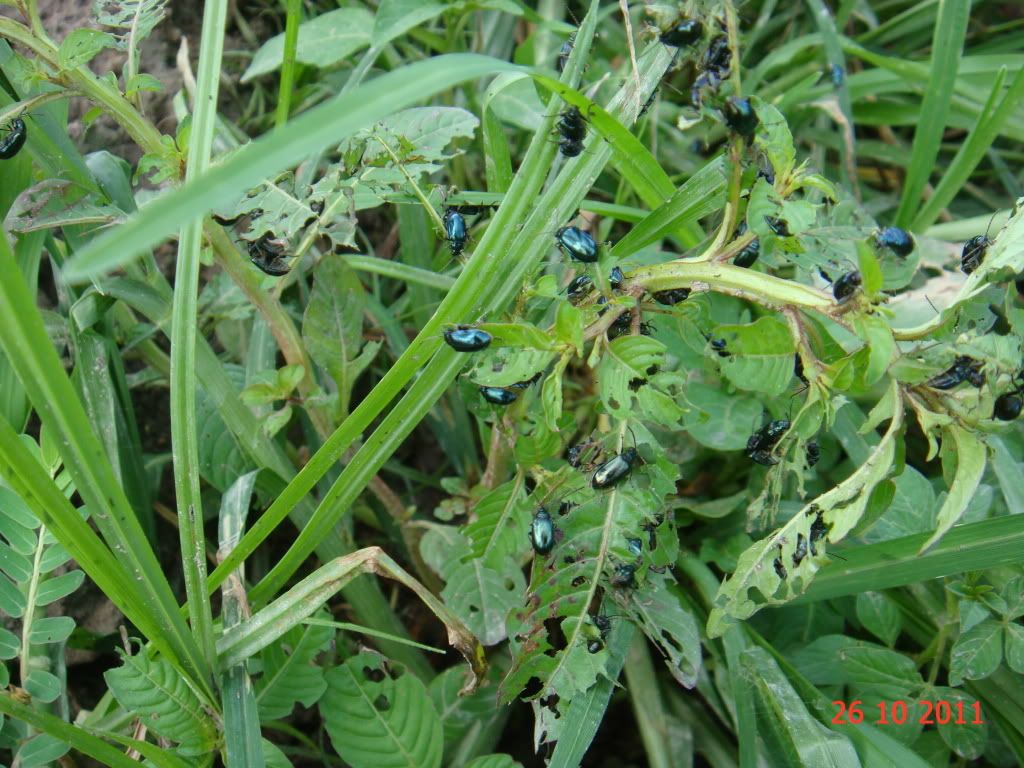
 Looks like me got a serious problem here.
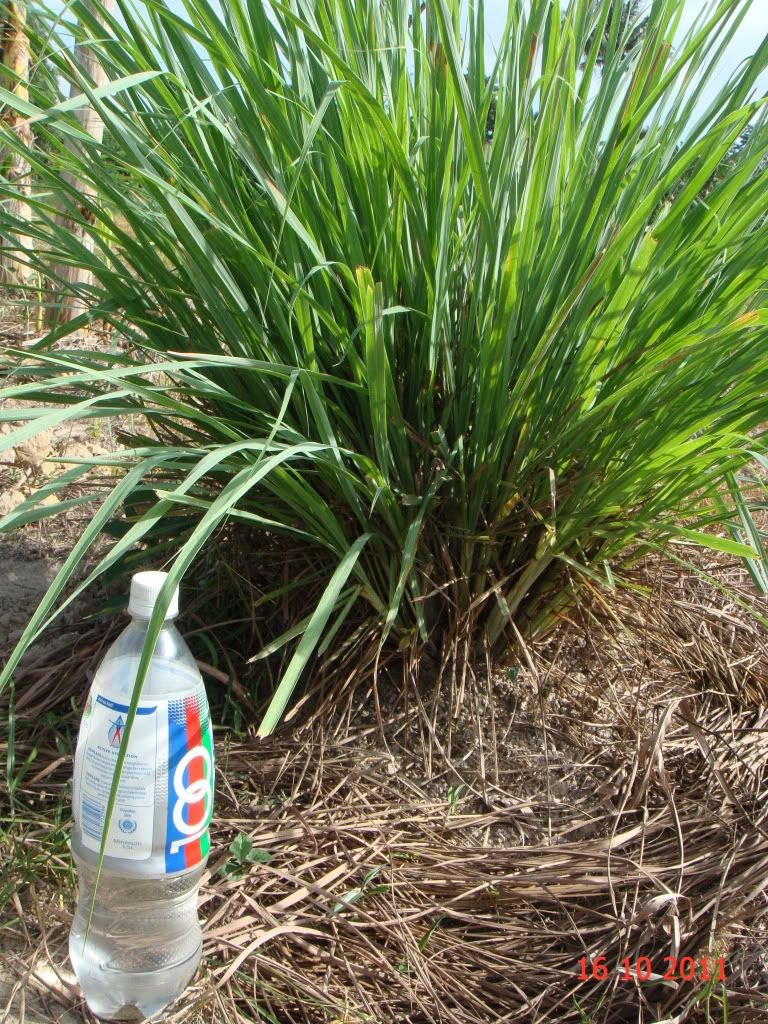
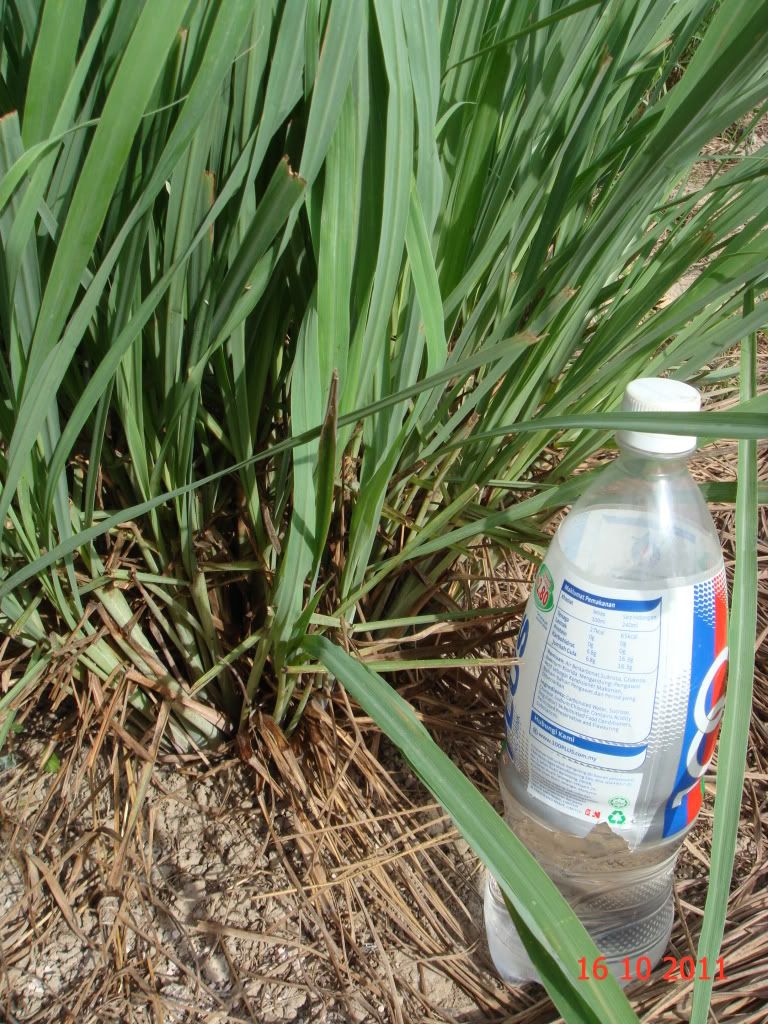
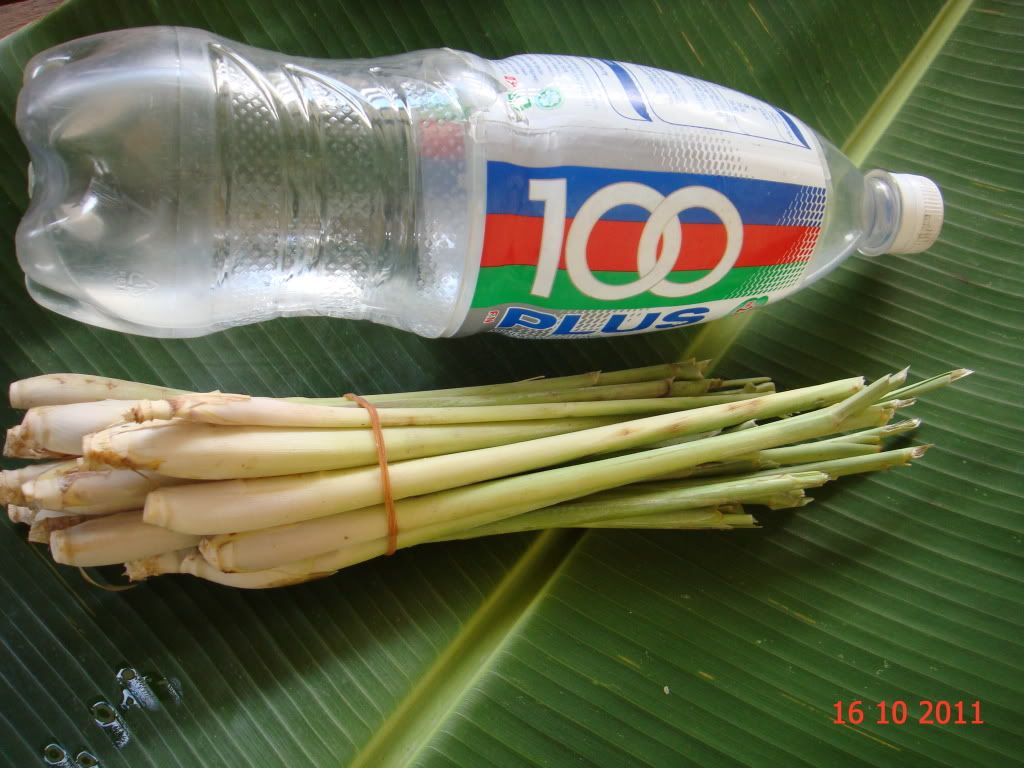

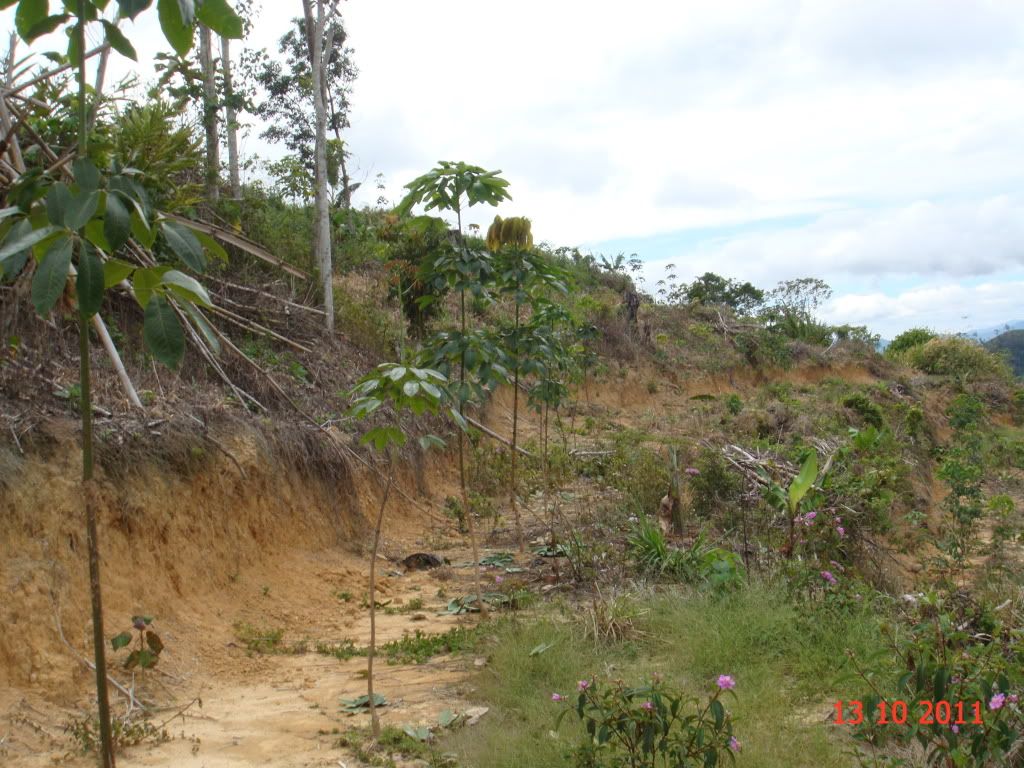

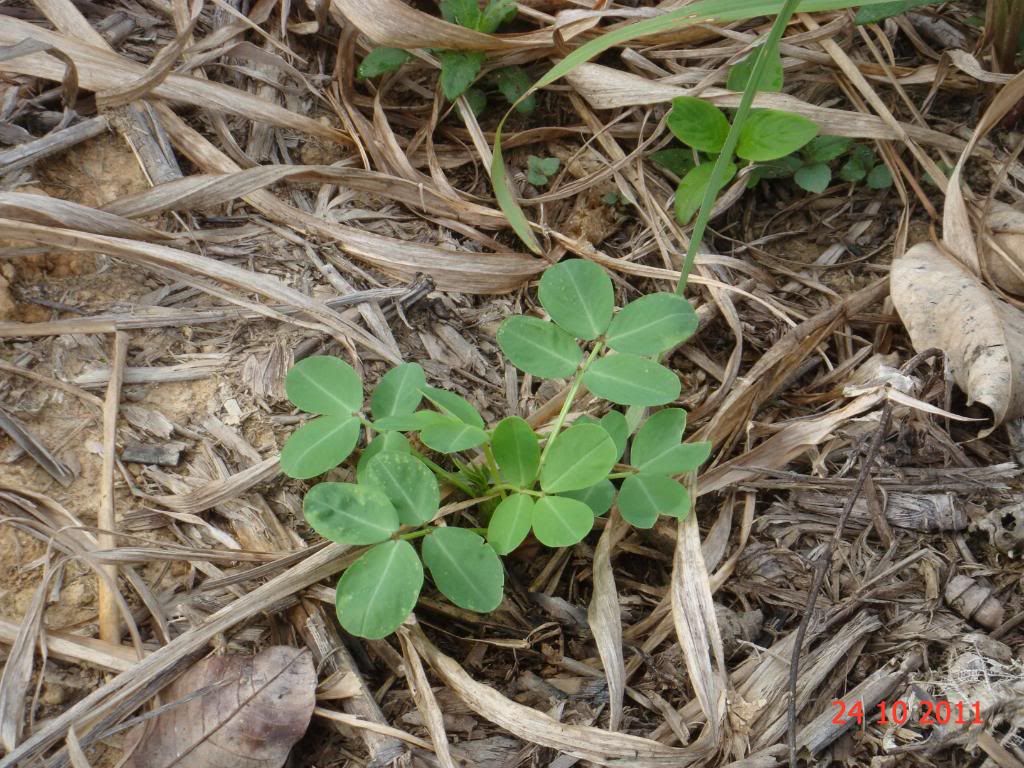
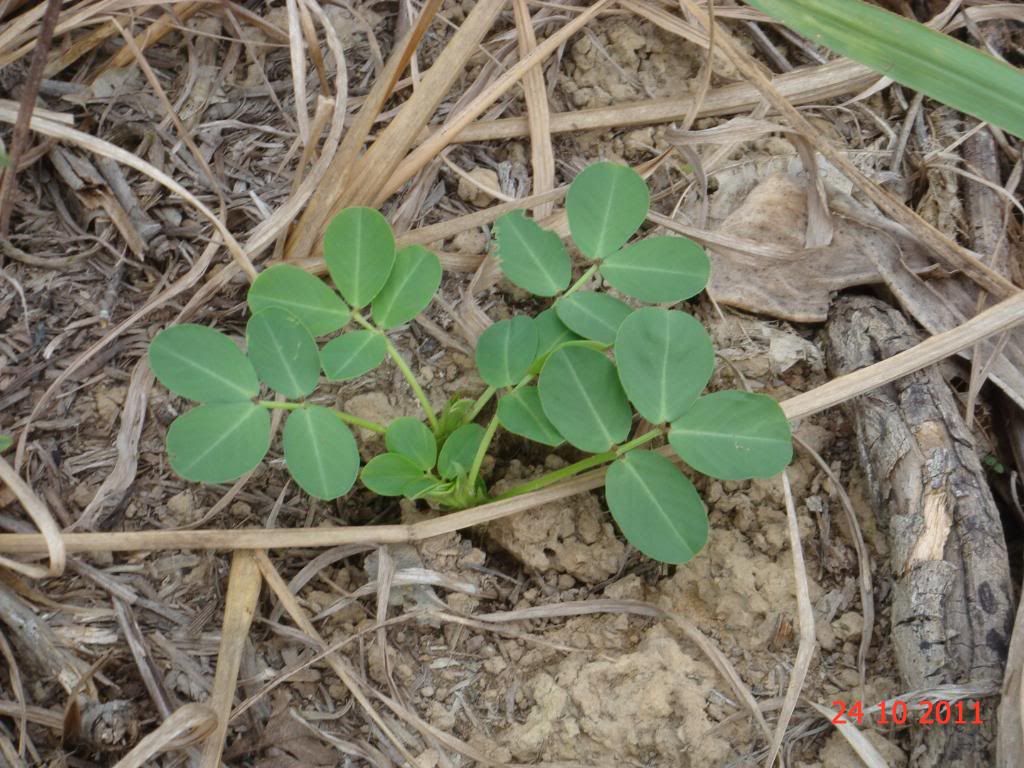
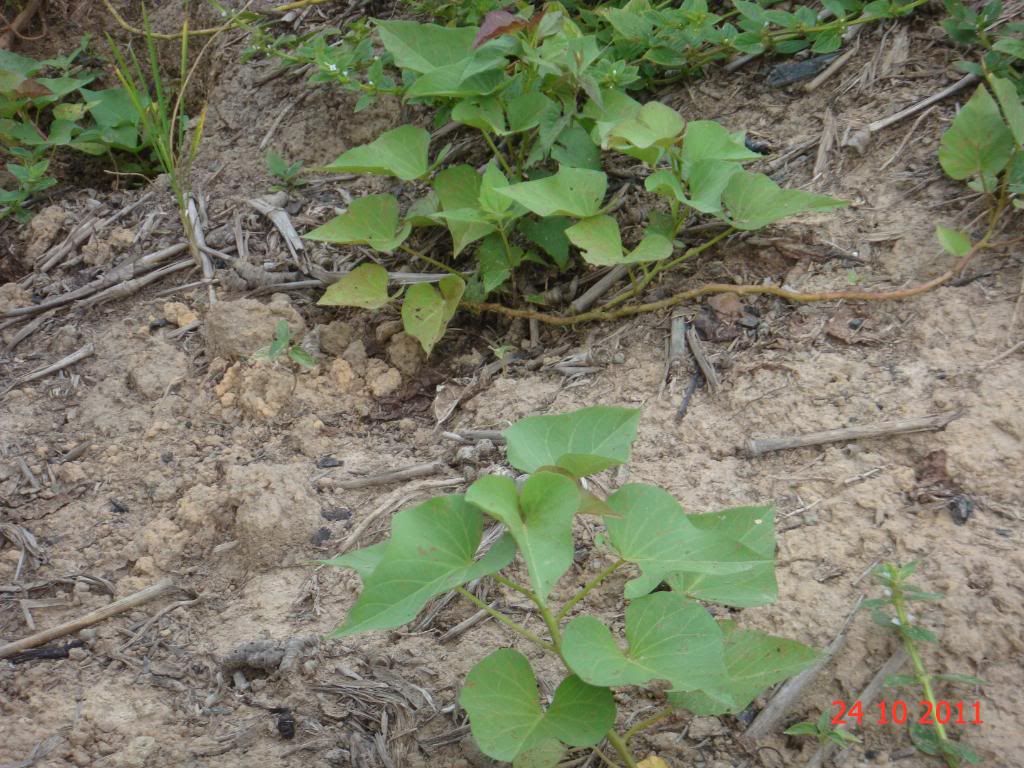
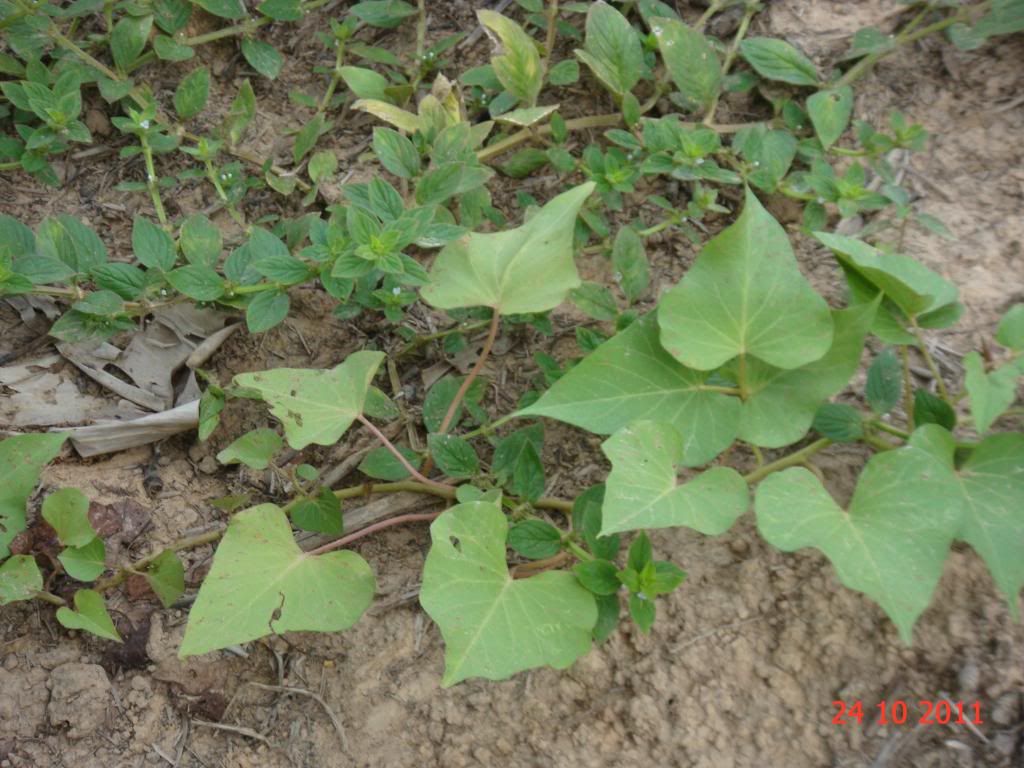
 Maybe Groundnuts fits the bill?
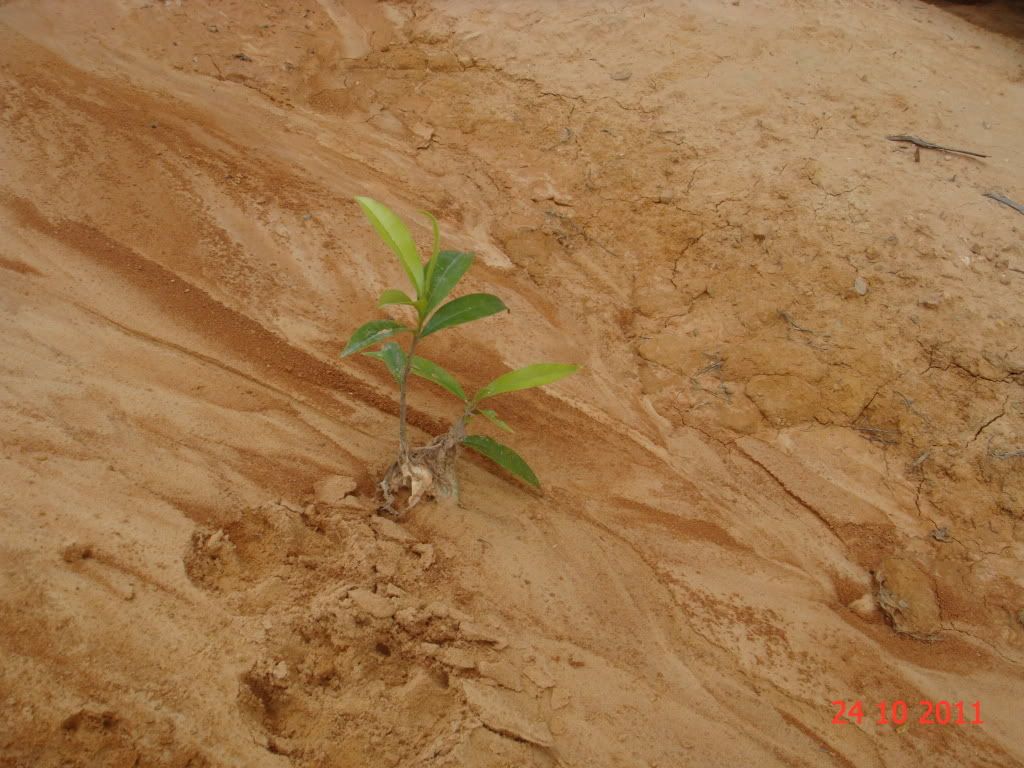
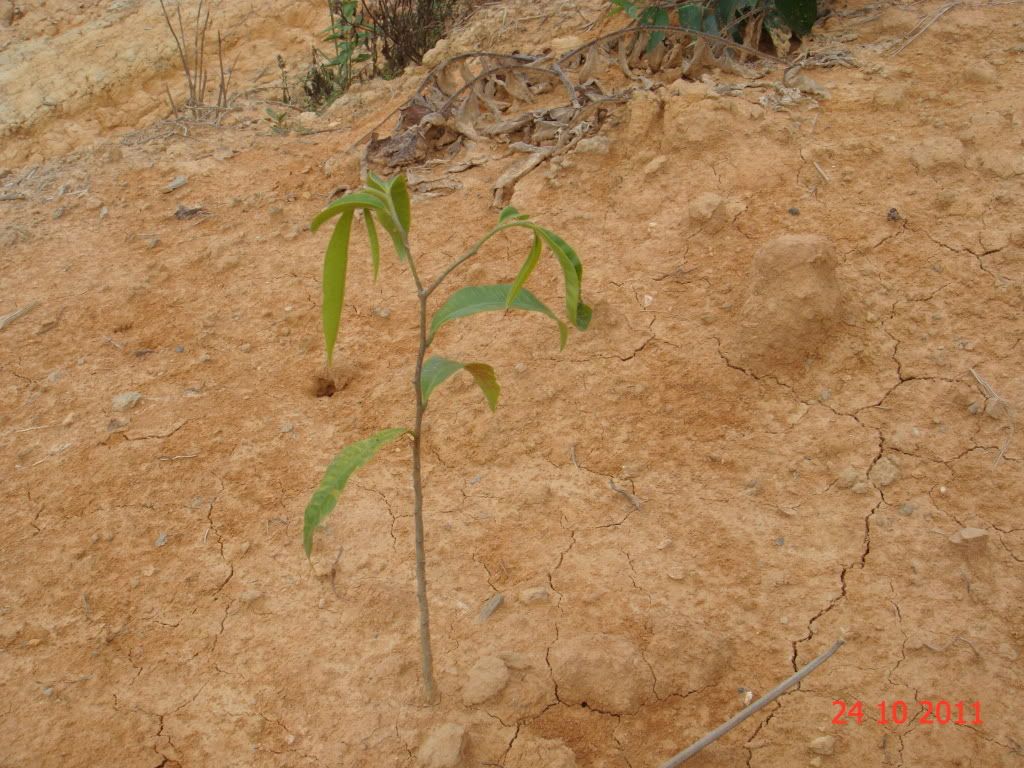
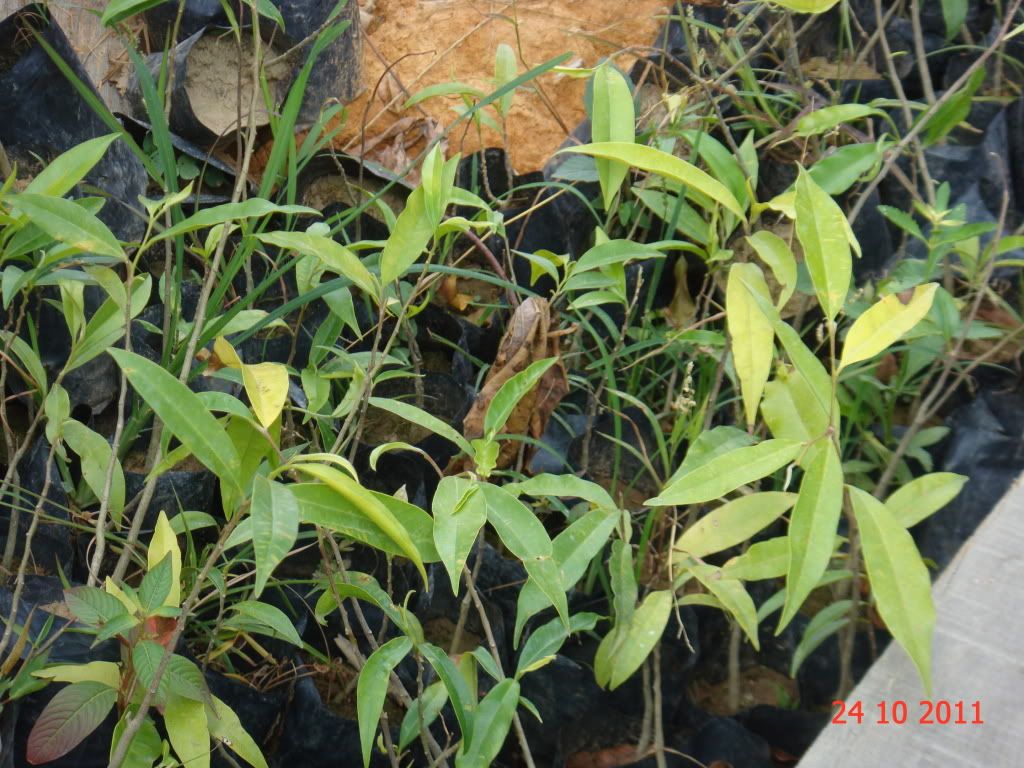



 0.0262sec
 0.90
0.90
 6 queries
 GZIP Disabled