Welcome Guest ( Log In | Register )

119 Pages « < 32 33 34 35 36 > » Bottom

Outline · [ Standard ] · Linear+

 Venturing into Agriculture & Aquaculture, Co-Ordination & Implementation is KEY

views
     
TSParaOpticaL
post Apr 11 2011, 10:48 AM

Planter - Durian, Jackfruit, Papaya
*******
Senior Member
2,348 posts

Joined: Dec 2004
From: Ch3r@s


agree with michael J on this, too many 'foreign' disease destroying for farms nowadays. biggrin.gif

Work Smart people biggrin.gif


» Click to show Spoiler - click again to hide... «

MrFarmer
post Apr 11 2011, 01:16 PM

Casual
***
Junior Member
478 posts

Joined: Mar 2011
From: Sabah


QUOTE(Michael J. @ Apr 11 2011, 10:34 AM)
Guys,

Please be very careful when you bring in foreign biological materials (be it microbe, animals, or plants); unless you have an enclosed environment or proper safeguard systems where the chances of escape are almost negligeable(eg. a way of containing the queen and any future queens from escaping or "swarming"), please do not bring in anymore foreign species.

In addition, please make sure whoever you get your bees from are qualified and certified (properly), as you wouldn't want to bring in the disease that is killing off the European and American bees into Malaysia.
This may be my own perspective, but I believe that instead of trading the local type of cultivar for a foreign one, a smart farmer either works with, or around the local cultivar, to maximize its potential. My thoughts are that local cultivars (be them plants, animals, of microbes) have been developing in the local environment for a long enough period to become well adapted to the area, including tolerance to weather fluctuations, diseases, predation etc. By working with (eg. selective breeding, proper animal husbandry etc.) and working around (eg. influencing the environment parameters, nutritive content, growth factors etc.), a more desirable result will be obtained in the long run.

Just because a foreign breed has been noted to have higher yields,  faster growth or better temperament elsewhere, that doesn't mean it will suits every locality or country. On the contrary, it might now perform well enough, leading to economic losses; or it might perform too well, and lead to excess and wastage, again causing economic losses. Personally, I'm not sure if the short tem gains are worth the long term losses.
*
Thank you for the sound advise. Advise noted. Thank you Micheal & Para.

Looks like I shall have to look into trapping the local bee queen. Anyway, the bee project is of no urgency, so I'll most probably learn more first or to find a sifu (mentor) before I start. Shall keep you guys posted.
Michael J.
post Apr 11 2011, 05:52 PM

On my way
****
Senior Member
596 posts

Joined: Jan 2006


What you might want is to look for the stingless bees of South East Asia. They are usually from the genus Trigona, and are quite common throughout the Indo-Australian neotropics.

This is just a thought, but I believe it should work. The Trigona genus of stingless bees are quite closely related to the Melipona genus from Mexico, which are commonly used in vanilla plantations to pollinate vanilla flowers (as opposed to hand pollination). Intercropping vanilla plants with suitable structure-crops (like coconut) that produces honey, and setting up apiaries amidst those crops, might allow the grower of vanilla to increase production. Just so you know, Trigona genus are also known as "orchid bees", due to their love for sweet-scented orchids.
TSParaOpticaL
post Apr 14 2011, 11:01 AM

Planter - Durian, Jackfruit, Papaya
*******
Senior Member
2,348 posts

Joined: Dec 2004
From: Ch3r@s


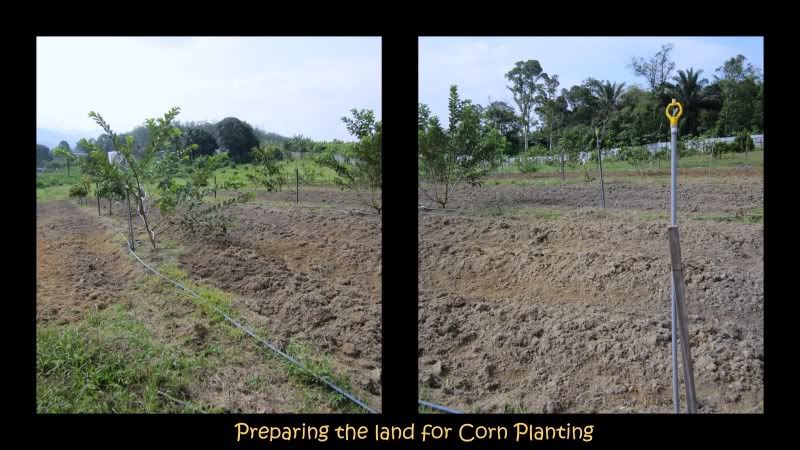
after 2 rounds of ploughing & initial fertilization, the place is ready for corn planting by the end of the week

user posted image

those experienced guys, am i doing it right ?
MrFarmer
post Apr 14 2011, 10:07 PM

Casual
***
Junior Member
478 posts

Joined: Mar 2011
From: Sabah


QUOTE(Michael J. @ Apr 11 2011, 05:52 PM)
What you might want is to look for the stingless bees of South East Asia. They are usually from the genus Trigona, and are quite common throughout the Indo-Australian neotropics.

This is just a thought, but I believe it should work. The Trigona genus of stingless bees are quite closely related to the Melipona genus from Mexico, which are commonly used in vanilla plantations to pollinate vanilla flowers (as opposed to hand pollination). Intercropping vanilla plants with suitable structure-crops (like coconut) that produces honey, and setting up apiaries amidst those crops, might allow the grower of vanilla to increase production. Just so you know, Trigona genus are also known as "orchid bees", due to their love for sweet-scented orchids.
*
Thanks Micheal. Advise noted.


Added on April 14, 2011, 10:21 pm
QUOTE(ParaOpticaL @ Apr 14 2011, 11:01 AM)
after 2 rounds of ploughing & initial fertilization, the place is ready for corn planting by the end of the week

user posted image

those experienced guys, am i doing it right ?
*
HI Para, nicely done lei. With automated watering some more, hehe. Say how much you pay for the sprinklers? You planting for fun or commercial? If commercial I think you can save a lot of money as I think it's "over" done. From the looks of the picture, I think you land is not water logged and looks good, so I guess you don't even have to plough and make the bed. Too soft and the roots can not have a firm grip and could topple when there is strong wind. I had seen kampung folks just cleared the weeds and start planting. Not sure if it'll give higher yield if done properly, hehe. Also with the present rainy season (not sure on your area), I have some dying due to too much water (water logged).

Normal planting suggestion is 3 seeds per hole, I tried some with 2 seeds this time, let' see how it goes during harvesting. Also you can save some seeds by leaving the area where you have trees (Guava?). Above are just my personal opinion for the sake of discussion only.
Well good luck. Let us know your progress.


Added on April 21, 2011, 7:19 pmHi Guys, was talking with a guy who suggested planting Nilam (PATCHOULI/ PONGOSTEMON CABLIN /INSECT REPELLANT PLANT/ POKOK PENGHINDAR SERANGGA). It can start with the first harvest in 6 months and then subsequently every 3 months. The leaves are used to abstract oil by distilation. The oils is usd for insect repellant, aroma therapy, medical, cosmetic, perfume & etc. It's supposely planted in Indonesia, Malaysia, Caribbean, China, India, Thailand, Mauritius, Philippines, West Africa, Vietnam. Seems to be very popular in Indonesia.

Anyone has any information to share on this? Like is there any one collecting the leaves, and collection pricing?

This post has been edited by MrFarmer: Apr 21 2011, 07:19 PM
NelsonBoy
post Apr 24 2011, 07:05 PM

l Audio Paradise l
******
Senior Member
1,120 posts

Joined: May 2006
From: Klang, Serdang, Seri Kembangan,Cheras


any update on this thread ?

been waiting and waiting.

I think i will start m fertigation chilli at hulu langat .
there is endless supply of fresh water from stream.

FRESH water i mean.
MrFarmer
post Apr 25 2011, 11:33 AM

Casual
***
Junior Member
478 posts

Joined: Mar 2011
From: Sabah


QUOTE(NelsonBoy @ Apr 24 2011, 07:05 PM)
any update on this  thread ?

been waiting and waiting.

I think i will start m fertigation chilli at hulu langat .
there is endless supply of fresh water from stream.

FRESH water i mean.
*
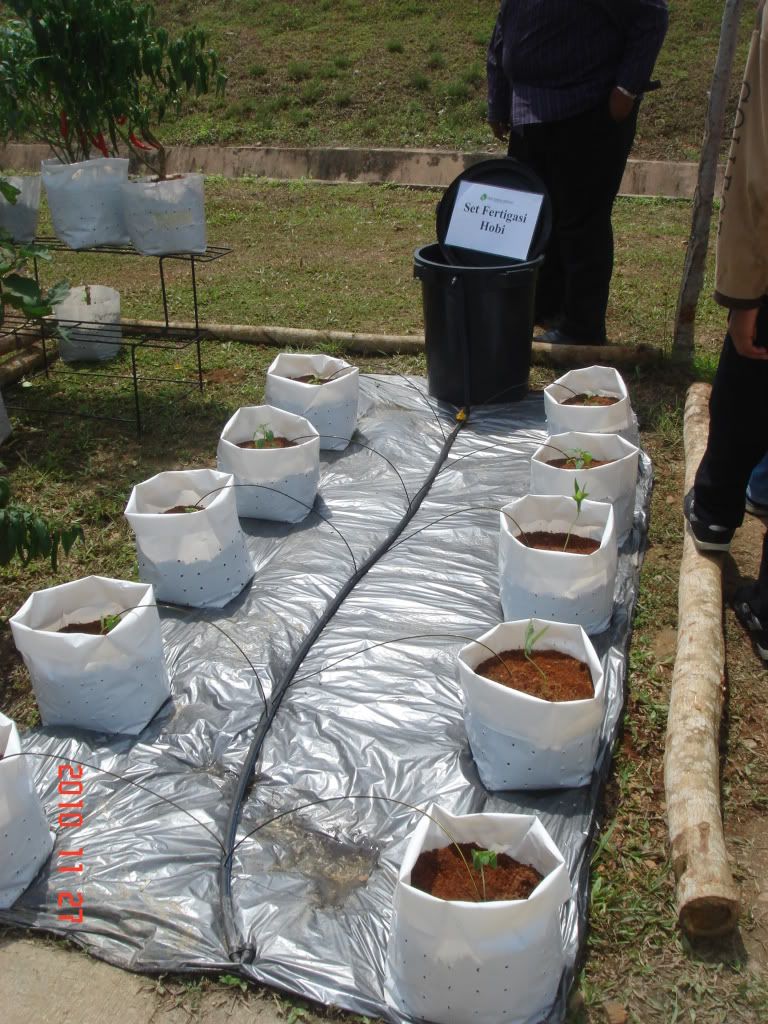
Hi NelsonBoy, yes fertigation Chilli, interesting subject, had been doing some research but had not started yet (me always think only, no action hehe). From my research, you do not actually need too much water for fertigation, i see people even using tap water, but I guess you'll save on your water bill and if your area is large, it's quite substantial. Anyway, with fresh clean water supply, there are lots of things you can do.

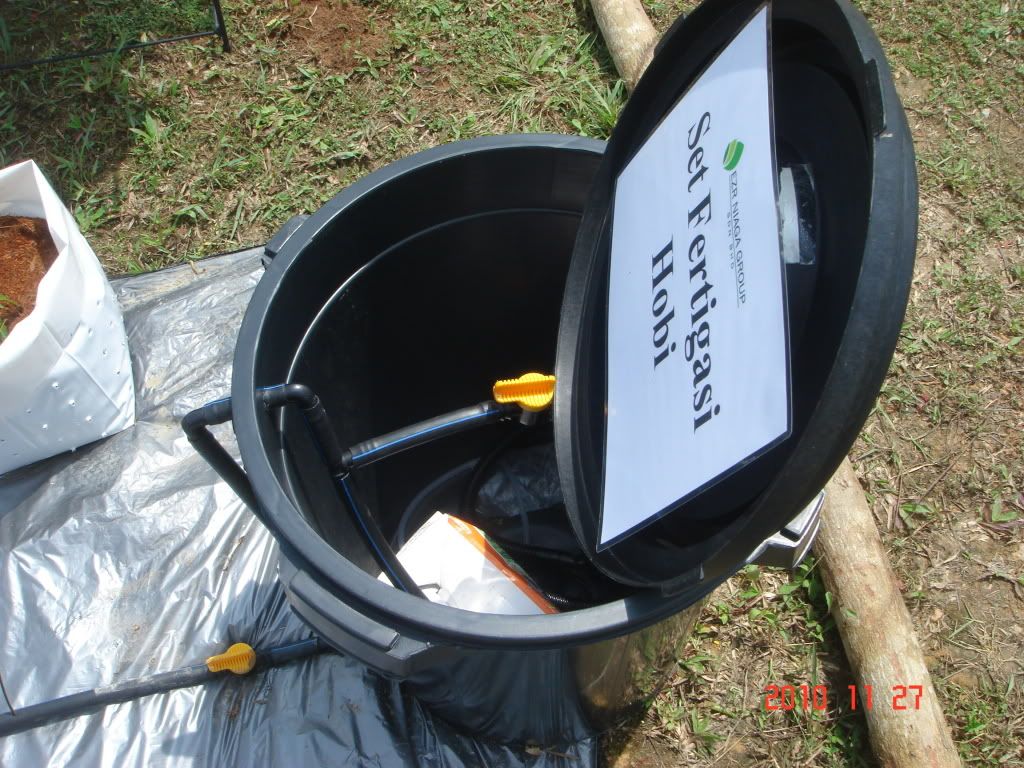
Again from my research, it's the nutrient inside the water, think it's available in the net. Just read it the other day. Took these picture at MAHA2010. I guess the mechanical aspect is quite simple, a pump, timer/control, pipping.
user posted image
user posted image

Me, I've germinated some seeds and guess it'll be ready for planting next month. I'll most probably plant it the conventional kvillage style way 1st and learn up the trait.

Good luck on your project and do keep us updated. Also we'll love to visit your farm, starting/production stage, if it's ok.

Farming need a lot of patience, time, passion, motivation, hard work (mentally & physically hehe) and good results only in a long time. Please everyone, do drop by this topic and keep farming alive, share your thoughts, experience, success, failure joy and sadness. We can cheer each other on and provide the most needed moral support when some one venture into farming.


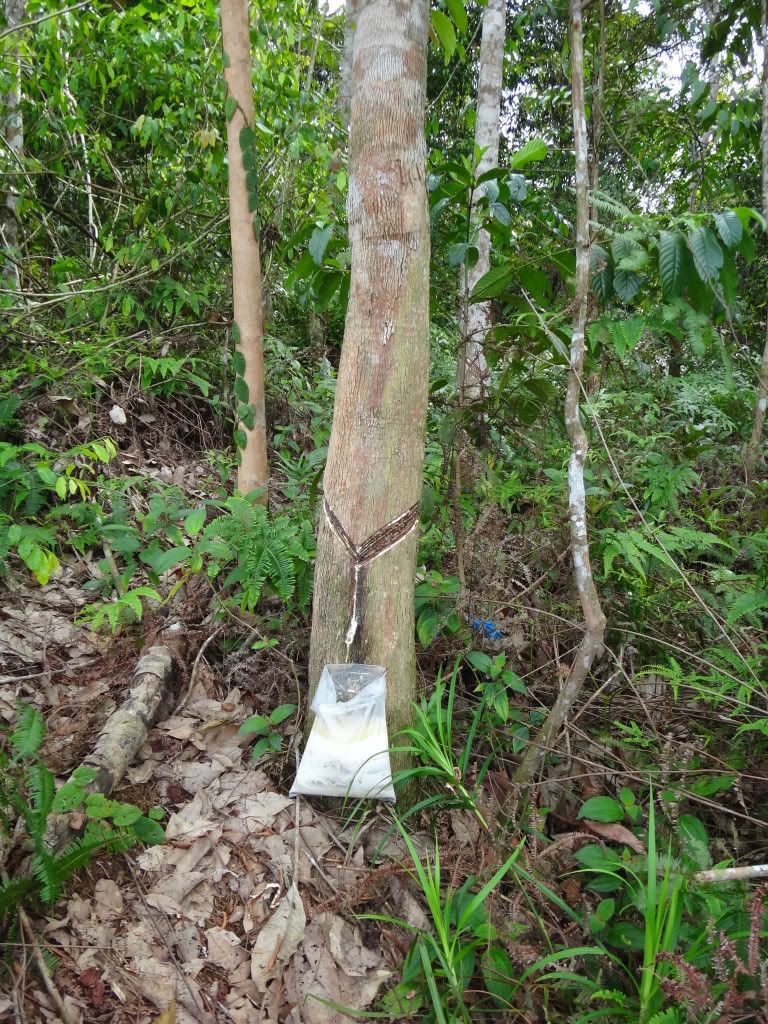
Added on May 2, 2011, 12:14 pmDue the the high Rubber price, I came across this new tapping on a wild rubber tree. Note the cut, it's still new. A simple plastic bag to collect the latex will do.
user posted image


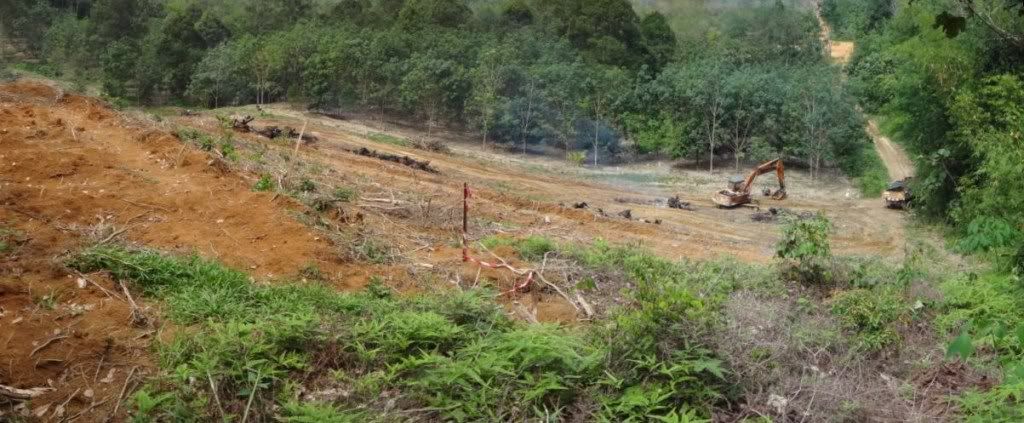
Added on May 2, 2011, 12:29 pmClearing of land with old rubber trees. This was based on the bartered trade system. The contractor clear the land for free, and get the rubber wood for sale. A double win co-operation.
user posted image

This post has been edited by MrFarmer: May 2 2011, 12:29 PM
MrFarmer
post May 29 2011, 04:22 PM

Casual
***
Junior Member
478 posts

Joined: Mar 2011
From: Sabah


hmm.gif Where had all the farmers gone? Looks like, farmer can't make a decent living sad.gif

icon_question.gif Looking for 1)Planting Calender for Malaysia, preferably Sabah. 2) Sunflower Seeds. 3) Stevia cuttings
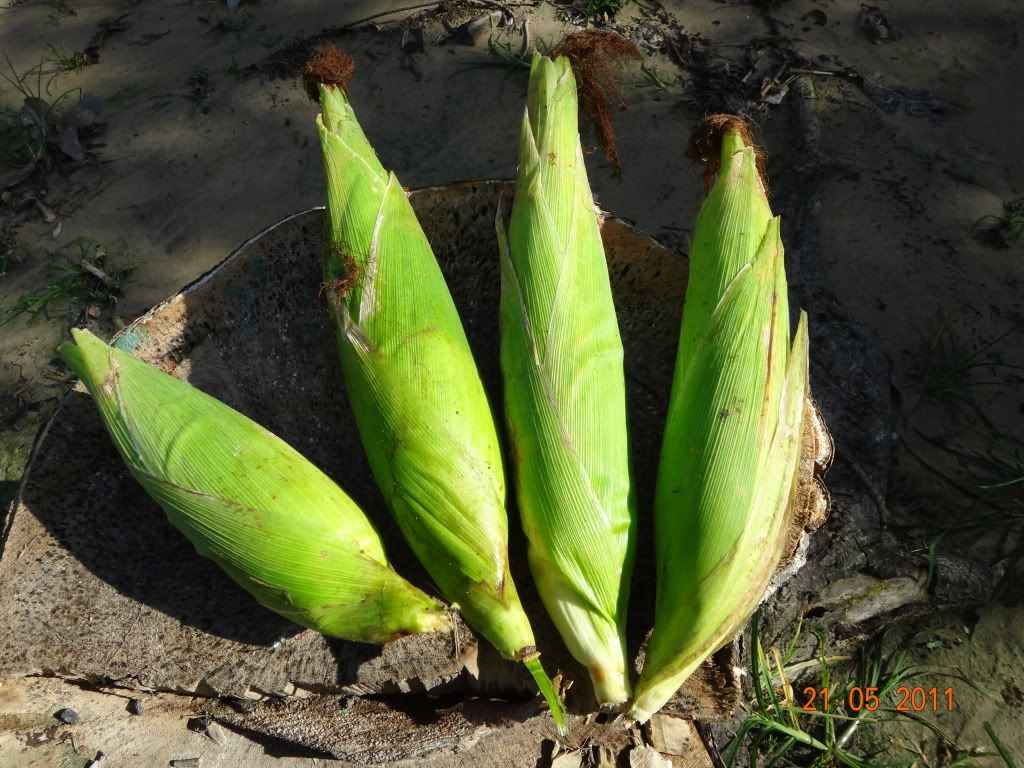
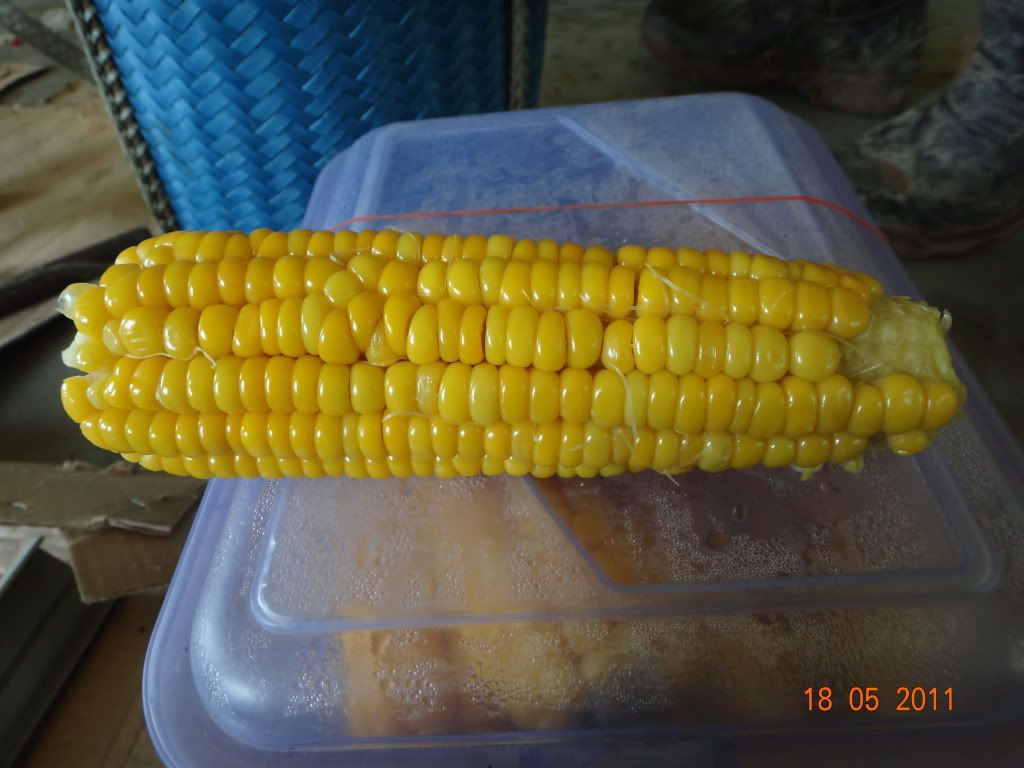
BTW had harvested our Thai Super sweet corn.

user posted image
user posted image
Michael J.
post May 30 2011, 08:48 AM

On my way
****
Senior Member
596 posts

Joined: Jan 2006


Either that, or too busy with preparing for the harvest season.

MrFarmer:
Planting calender for which crop? You could check with Jabatan Pertanian.

Which type of sunflower? Generic type, you can get it from supermarkets even. Specific type, you can try searching up ebay Malaysia. There's this company there, Nature Living, or Royal Living, something like that. Occasionally has some very interesting sunflower varieties, like big red sunflowers, or minature sunflowers. Usually sells only seeds.

Stevia cuttings, now that is a little more difficult. I know United Plantations produces some in their Jendarata Estate in Perak, and that Stevian Biotechnology (aka Pure Circle) in Enstek has some kind of contract farming agreement for stevia, but otherwise you'd probably need to get in touch with UPM-associated companies.
TSParaOpticaL
post May 31 2011, 02:46 PM

Planter - Durian, Jackfruit, Papaya
*******
Senior Member
2,348 posts

Joined: Dec 2004
From: Ch3r@s


well my corn planting is on the way.

have been testing my products with the JackFruit tree and the result is good biggrin.gif

will post pictures soon biggrin.gif
chinyen
post Jun 1 2011, 05:48 PM

Enthusiast
*****
Senior Member
754 posts

Joined: Jul 2009
long time no c, shifus...i wonder if the demand of corn in malaysia or asian countries would be as high as us? because we have rice here as our staple food. and, i see quite a lot products of lemongrass in the market now, the prices for grass itself is rising too, is the cultivation of the plant wide here?
adrianwtx90
post Jun 1 2011, 06:10 PM

Getting Started
**
Junior Member
224 posts

Joined: Mar 2010
love what you guys are doing..agriculture is one of my interest to invest and venture in..but im absolutely clueless about it..lol..my two issues are land and also buyer..for example..i read the thread and stuff..and i roughly get the idea of how to obtain a land..after i harvest, who can i sell it to?..that would be another one of my concern..is it easy to sell to a middle man or the government or the consumers directly?..etc etc!
Michael J.
post Jun 2 2011, 08:43 AM

On my way
****
Senior Member
596 posts

Joined: Jan 2006


QUOTE(chinyen @ Jun 1 2011, 05:48 PM)
long time no c, shifus...i wonder if the demand of corn in malaysia or asian countries would be as high as us? because we have rice here as our staple food. and, i see quite a lot products of lemongrass in the market now, the prices for grass itself is rising too, is the cultivation of the plant wide here?
*
One of the biggest issues faced by the world today is food security. There's simply not enough food to feed the growing population, especially when almost every emerging market is demanding more meat as part of their diet. And this increased demand for meat requires a lot of animal feed, which are mostly derived from corn meal, soy, agriculture residue etc. Roughly, an equal part of feed is required to gain an equal part of meat produce.

Corn demand in Malaysia as human food source will not be as high as in the US, but for animal feed, most definitely. China is investing heavily in Vietnam, Indonesia, Philippines to plant two crops: Rice and Corn. It is expected that they (China) will require massive amounts of corn as part of their animal feed blend.


Added on June 2, 2011, 9:31 am
QUOTE(adrianwtx90 @ Jun 1 2011, 06:10 PM)
love what you guys are doing..agriculture is one of my interest to invest and venture in..but im absolutely clueless about it..lol..my two issues are land and also buyer..for example..i read the thread and stuff..and i roughly get the idea of how to obtain a land..after i harvest, who can i sell it to?..that would be another one of my concern..is it easy to sell to a middle man or the government or the consumers directly?..etc etc!
*
There's always a way, one just need to find it. As with most other businesses, if you want to by-pass the middleman, you need networking with the right groups of people, and you need to ask the right questions.

To answer your question, it could be easy as pie, or it could be hard as hell; it really depends on what you are selling, when you sell it, and how you sell it. Right now, oil palm fruit bunches are hot items, and most people are willing to buy them, even under-ripe bunches are often accepted by some middlemen. I know of an old man who frequently walks around the Sabak Bernam-Teluk Intan coastal road with a jute bag. He collects the oil palm loose fruits that fall from the trucks transporting fruit bunches to the mills in the area. In a single day, he can easily collect up to RM50 worth of loose fruits, and the middlemen would gladly buy them from him. This is very different from not too long ago, when prices of CPO was going down the drain, no mill was willing to take the fruit bunches, even at the grower's cost price!

Actually, for one to participate in agriculture, one doesn't really need to own land, and nurture the crops themselves. It would be good of course, but as is often the case, not many people are blessed with such fortune. I'll give the example for oil palm and coconut.

One of the biggest problems faced by oil palm planters is the shortage of quality labor. I say quality, because quality is key in agriculture, and buyers/consumers are ruthless and unforgiving about low quality agriculture produce. That saying, harvesting the oil palm fruit bunches at the optimum ripeness standard and transporting them to the mill in time is crucial in ensuring low free fatty acid content in the resulting oil, low rancidity, and low losses in loose fruits. If one is able to provide such labor, most mid-sized to large plantations are keen to engage such entities, as contract harvesters. I'm not sure if the general practice has changed, but contract harvesters get about 20% of the FFB market price. Eg. if CPO prices are at RM3,000/mt, FFB prices are 20% of CPO prices (RM600/mt FFB), and contract harvesters' payment is about 20% of that (RM120) per metric ton of FFB harvested. If the plantation will give the contractor 40ha to harvest a month, and each hectare is able to produce 2.5 tons of FFB a month (about 30mt/ha/year), then in 1 year the contractor would have harvested 1,200mt of FFB, and earned RM144,000 in revenue.

Coconut is a lot more different. Yes, you could do contract harvesting from the larger plantations, but as far as I know, the contractor does not only provide the lent labor, but also purchases the coconuts that are harvested, at a fixed price. Example, a contractor contracts a 40ha field of high yielding coconuts. The plantations stipulates that each nut harvested by the contractor will be charged a fixed price of RM0.40 each for tender (drinking) nut, and RM0.18 for brown (old) nut. Given that the average yield performance of Malaysia's newer hybrid coconuts are about 15,000 nuts/ha/year (although better managed estates produce 25 to 30 thousand nuts/ha/year), and with proper agriculture practice, roughly 40% are brown nuts (60% tender nuts), the cost for the contractor would be RM144,000 + RM43,200 (RM187,200). Now I'm sure you guys know how much tender coconut sells for at restaurants and supermarkets; the contractor earns roughly 40% of those prices (less for hotels and certain restaurants). Considering the average price is around RM2.50, that would mean RM1.00 per coconut sold, or RM360,000 a year for tender nut. For brown nuts, two product can be obtained, which are the santan, and copra cake. Santan goes for about RM0.60 per 250ml, and 5 large brown nuts make 1L (RM2.40), so the revenue generated is RM115,000. The total revenue? RM475,200 in total. That's not inclusive of any revenue generated from selling the coconut fibre to nurseries, or the copra cake to animal feed producers.

I hope you can see from this lengthy write-up that participating in agriculture isn't as difficult, or as "dead beat" as it seems; nor is it difficult to find the right market with the right demand. It just takes a little more ingenuity, a little more resourcefulness, and some good marketing skills.

This post has been edited by Michael J.: Jun 2 2011, 09:31 AM
adrianwtx90
post Jun 2 2011, 09:56 AM

Getting Started
**
Junior Member
224 posts

Joined: Mar 2010
QUOTE(Michael J. @ Jun 2 2011, 09:43 AM)
One of the biggest issues faced by the world today is food security. There's simply not enough food to feed the growing population, especially when almost every emerging market is demanding more meat as part of their diet. And this increased demand for meat requires a lot of animal feed, which are mostly derived from corn meal, soy, agriculture residue etc. Roughly, an equal part of feed is required to gain an equal part of meat produce.

Corn demand in Malaysia as human food source will not be as high as in the US, but for animal feed, most definitely. China is investing heavily in Vietnam, Indonesia, Philippines to plant two crops: Rice and Corn. It is expected that they (China) will require massive amounts of corn as part of their animal feed blend.


Added on June 2, 2011, 9:31 am
There's always a way, one just need to find it. As with most other businesses, if you want to by-pass the middleman, you need networking with the right groups of people, and you need to ask the right questions.

To answer your question, it could be easy as pie, or it could be hard as hell; it really depends on what you are selling, when you sell it, and how you sell it. Right now, oil palm fruit bunches are hot items, and most people are willing to buy them, even under-ripe bunches are often accepted by some middlemen. I know of an old man who frequently walks around the Sabak Bernam-Teluk Intan coastal road with a jute bag. He collects the oil palm loose fruits that fall from the trucks transporting fruit bunches to the mills in the area. In a single day, he can easily collect up to RM50 worth of loose fruits, and the middlemen would gladly buy them from him. This is very different from not too long ago, when prices of CPO was going down the drain, no mill was willing to take the fruit bunches, even at the grower's cost price!

Actually, for one to participate in agriculture, one doesn't really need to own land, and nurture the crops themselves. It would be good of course, but as is often the case, not many people are blessed with such fortune. I'll give the example for oil palm and coconut.

One of the biggest problems faced by oil palm planters is the shortage of quality labor. I say quality, because quality is key in agriculture, and buyers/consumers are ruthless and unforgiving about low quality agriculture produce. That saying, harvesting the oil palm fruit bunches at the optimum ripeness standard and transporting them to the mill in time is crucial in ensuring low free fatty acid content in the resulting oil, low rancidity, and low losses in loose fruits. If one is able to provide such labor, most mid-sized to large plantations are keen to engage such entities, as contract harvesters. I'm not sure if the general practice has changed, but contract harvesters get about 20% of the FFB market price. Eg. if CPO prices are at RM3,000/mt, FFB prices are 20% of CPO prices (RM600/mt FFB), and contract harvesters' payment is about 20% of that (RM120) per metric ton of FFB harvested. If the plantation will give the contractor 40ha to harvest a month, and each hectare is able to produce 2.5 tons of FFB a month (about 30mt/ha/year), then in 1 year the contractor would have harvested 1,200mt of FFB, and earned RM144,000 in revenue.

Coconut is a lot more different. Yes, you could do contract harvesting from the larger plantations, but as far as I know, the contractor does not only provide the lent labor, but also purchases the coconuts that are harvested, at a fixed price. Example, a contractor contracts a 40ha field of high yielding coconuts. The plantations stipulates that each nut harvested by the contractor will be charged a fixed price of RM0.40 each for tender (drinking) nut, and RM0.18 for brown (old) nut. Given that the average yield performance of Malaysia's newer hybrid coconuts are about 15,000 nuts/ha/year (although better managed estates produce 25 to 30 thousand nuts/ha/year), and with proper agriculture practice, roughly 40% are brown nuts (60% tender nuts), the cost for the contractor would be RM144,000 + RM43,200 (RM187,200). Now I'm sure you guys know how much tender coconut sells for at restaurants and supermarkets; the contractor earns roughly 40% of those prices (less for hotels and certain restaurants). Considering the average price is around RM2.50, that would mean RM1.00 per coconut sold, or RM360,000 a year for tender nut. For brown nuts, two product can be obtained, which are the santan, and copra cake. Santan goes for about RM0.60 per 250ml, and 5 large brown nuts make 1L (RM2.40), so the revenue generated is RM115,000. The total revenue? RM475,200 in total. That's not inclusive of any revenue generated from selling the coconut fibre to nurseries, or the copra cake to animal feed producers.

I hope you can see from this lengthy write-up that participating in agriculture isn't as difficult, or as "dead beat" as it seems; nor is it difficult to find the right market with the right demand. It just takes a little more ingenuity, a little more resourcefulness, and some good marketing skills.
*
hoe mai god..MONEY MONEY MONEY!..but ofcourse takes time and also experience..haha..and its also fun..lol
soonlee33
post Jun 2 2011, 10:03 AM

10k Club
*******
Senior Member
2,677 posts

Joined: Aug 2009
From: Malacca<-->Johore


nice to see this thread here
how bout oil palm?
any oil palm owner here? smile.gif
Michael J.
post Jun 2 2011, 10:28 AM

On my way
****
Senior Member
596 posts

Joined: Jan 2006


Adrian:

I can tell you from first hand experience that managing and dealing with people, be it from top to bottom, isn't a walk in the park. More so in a plantation setting. Sometimes, external stakeholders are easier to deal with than those internally.

As for time, all businesses will demand significant investment of time on the part of participants. It is folly to believe that there exist businessess that will not demand one's time, and yet just keep on generating income. Got lar... usually con-jobs and scams.

About experience, yes I agree with you. A certain amount of experience is needed. I will share about this coconut contractor, who started work as a harvesting supervisor in a coconut plantation 20 years ago. He was in that job for 5 years, and if you are aware, plantation supervisors (non-executive) get paid pretty low (RM800 starting pay, to RM1,400 without overtime). He noticed that overtime was hard to come by, and with all the spare time he had in the evenings, he could do some side business to earn extra income. So he put his experience to good use. He approached the manager of the estate, made a business proposal to contract harvest the coconuts on the estate. He marketed the coconuts initially in Teluk Intan, to the towns people, clubs, hotels etc. The manager saw the resourcefulness of this chap, and (surprisingly) advised him to quit his supervisor job to focus on building the business. The manager even helped the chap gain contacts in KL and to market his coconuts there. 15 years fast-forward, and our friend owns a respectable coconut products factory, making stuff ranging from powdered santan, to packaged coconut milk, nata de coco, etc. which are marketed internationally.

I will agree that with passion, agriculture is indeed fun. When I was in the industry, I really enjoyed myself. Although a series of unfortunate events prompted me to leave the industry for a time, I'm still very much engaged in it, especially the science part. Even today, I still work closely with agriculture students, and I try to keep abreast with the latest developments in the crops of my interest.
TSParaOpticaL
post Jun 2 2011, 10:33 PM

Planter - Durian, Jackfruit, Papaya
*******
Senior Member
2,348 posts

Joined: Dec 2004
From: Ch3r@s


Specimen A = Jackfruit tree that almost went dead because of too much water. Now trying to use my product to see its effectiveness
user posted image


Specimen B = Jackfruit tree that almost went dead but now revived again after spraying my products. Note that the leaves are POINTING UP due to the products effectiveness biggrin.gif
user posted image
MrFarmer
post Jun 5 2011, 04:19 PM

Casual
***
Junior Member
478 posts

Joined: Mar 2011
From: Sabah


QUOTE(Michael J. @ May 30 2011, 08:48 AM)
Either that, or too busy with preparing for the harvest season.

MrFarmer:
Planting calender for which crop? You could check with Jabatan Pertanian.

Which type of sunflower? Generic type, you can get it from supermarkets even. Specific type, you can try searching up ebay Malaysia. There's this company there, Nature Living, or Royal Living, something like that. Occasionally has some very interesting sunflower varieties, like big red sunflowers, or minature sunflowers. Usually sells only seeds.

Stevia cuttings, now that is a little more difficult. I know United Plantations produces some in their Jendarata Estate in Perak, and that Stevian Biotechnology (aka Pure Circle) in Enstek has some kind of contract farming agreement for stevia, but otherwise you'd probably need to get in touch with UPM-associated companies.
*
sweat.gif Got me worried biggrin.gif Thank you Micheal. Shall check with Jabatan Pertanian (Sabah) when I go back to the farm.
Found Sunflower sweet via Lelong.com (QadhijahNaturalFarm), order, paid, waiting for delivery.
Those that are available from the Supermarket, normally will not germinate as those are processed.
Had tried raw groundnuts and sunflower, did not germinate. Tried (Chinese old) Ginger, these grew well.

Found Stevia (cutting) from a guy selling it at the bazaar, $25 per cutting, I feel it's too costly as it's new cutting put in a poly bag. Shall look for cheaper alternative.
MrFarmer
post Jun 5 2011, 04:34 PM

Casual
***
Junior Member
478 posts

Joined: Mar 2011
From: Sabah


QUOTE(chinyen @ Jun 1 2011, 05:48 PM)
long time no c, shifus...i wonder if the demand of corn in malaysia or asian countries would be as high as us? because we have rice here as our staple food. and, i see quite a lot products of lemongrass in the market now, the prices for grass itself is rising too, is the cultivation of the plant wide here?
*
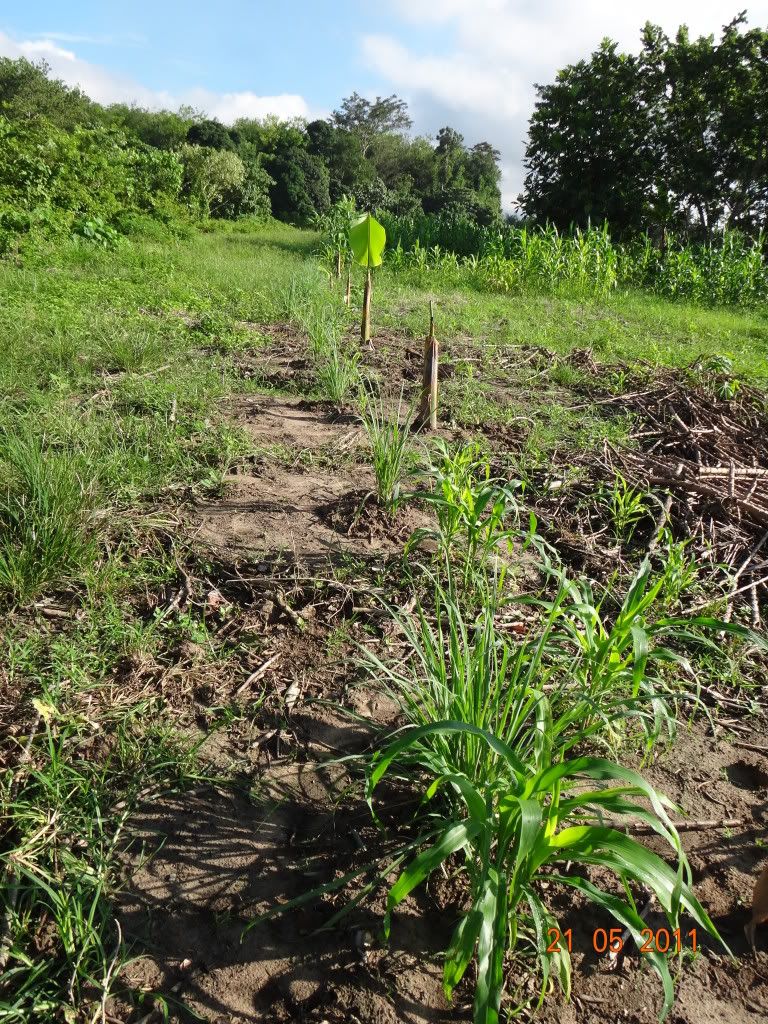
Hi Chinyen, me no sifu blush.gif , but just sold off some sweet corn @ $0.40 each, Lemon grass @ $1.00 per kilo.
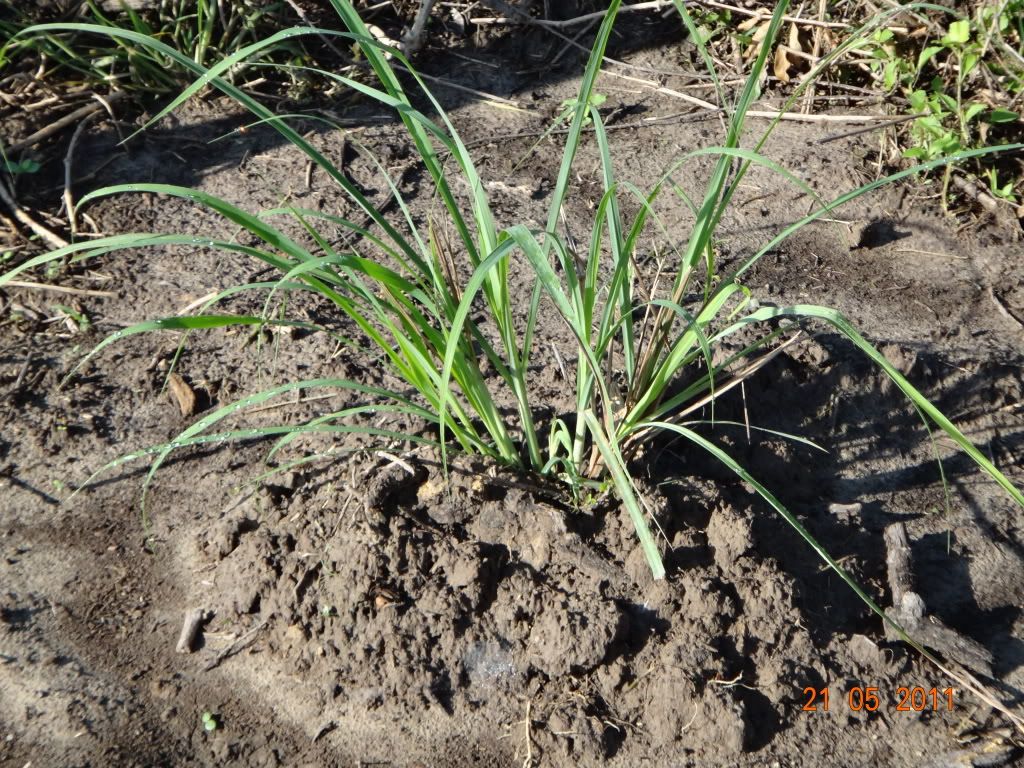
user posted image
New re-plant.
user posted image
A row of lemongrass along the perimeter of the farm.
MrFarmer
post Jun 5 2011, 04:52 PM

Casual
***
Junior Member
478 posts

Joined: Mar 2011
From: Sabah


QUOTE(adrianwtx90 @ Jun 1 2011, 06:10 PM)
love what you guys are doing..agriculture is one of my interest to invest and venture in..but im absolutely clueless about it..lol..my two issues are land and also buyer..for example..i read the thread and stuff..and i roughly get the idea of how to obtain a land..after i harvest, who can i sell it to?..that would be another one of my concern..is it easy to sell to a middle man or the government or the consumers directly?..etc etc!
*
I guess it's your market segmentation. Who do you want to sell to? We sell to the middleman (or woman) to free us of the time to concentrate on our farming. Price is of course lower, but they have their role as well. We can also sell it at the local food bazaar. Had never sold to Government before. Anyway, we are new and our produce isn't that much to worry about this at the moment. First thing first, (as I'm new to farming) I'm worrying about planting first. blush.gif


119 Pages « < 32 33 34 35 36 > » Top
 

Change to:
| Lo-Fi Version
0.0213sec    0.98    6 queries    GZIP Disabled
Time is now: 19th December 2025 - 08:32 AM