Welcome Guest ( Log In | Register )

23 Pages « < 8 9 10 11 12 > » Bottom

Outline · [ Standard ] · Linear+

 Venturing into Agriculture & Aquaculture, Co-Ordination & Implementation is KEY

views
     
MrFarmer
post Aug 22 2012, 10:01 PM

Casual
***
Junior Member
478 posts

Joined: Mar 2011
From: Sabah


QUOTE(Michael J. @ Aug 22 2012, 09:17 AM)
As far as I know, most growers of gaharu/agarwood/aquilaria/eaglewood had mixed success. Some had moderate success, while many others have failed. The scientist from FRIM who pioneered its mass propagation himself had indicated doubt of its long term success. He has since left FRIM for greener pastures.

The problem is not so much with growing the aquilaria tree itself, or mass production of the plant. It has to do with the fungus used to inoculate the tree for the production of the gaharu, and the technology involved with getting the gaharu flowing. It is unreliable.

Let me list out some of the hurdles for successful gaharu production:

(i)  Species and clonal variety of aquilaria tree. This is very important, as gaharu production depends heavily on the inoculated fungus infecting the tree and causing a response. In other words, you want clonal varieties that have proven record of successful infection AND production of the gaharu. So far, the success of this has been very low, even within FRIM. The best results I've seen is with an on-going project at UNIMAS, and even then, they have yet to release anything just yet. According to the scientist, it will take another 5 years or more before something concrete can be developed.

(ii) Inoculation technique. There as many techniques out there as there are species of aquilaria, and probably more. In other words, no one way has proven to have any greater success over the other. In fact, most techniques give very low results, about 7%-10% of inoculated trees forming the gaharu resin which is prized.

(iii) Quality and quantity. This is a standard problem in any industry and sector, more so in biology-based systems like farms and plantations. You just never know how much product you can expect, or what grade it will be. Of course, it would be convenient to brush this aspect aside by saying all agriculture ventures are likewise risky; however, with other agriculture ventures, you can actually see the production taking place (eg. how many eggs a day produced by poultry, how many oil palm fruit bunches on the palm, etc.). With gaharu production, you will never know until you've chopped down the tree and exposed the heartwood. If the said infection had failed, and the gaharu resin had not formed, then you've just killed a tree for no apparent reason. Not to mention the amount of time and resources wasted to grow it to harvesting stage.

I don't feel the need to list out too much, as I believe the gist of the matter has been adequately covered. Now, it is very important to be able to separate truth from myth, so please, do in depth research (from primary sources) on the subject matter beforehand. If the statement that "everything has a pricetag" holds true, then it would be prudent for anyone to first understand how that "pricetag" first came into being.
*
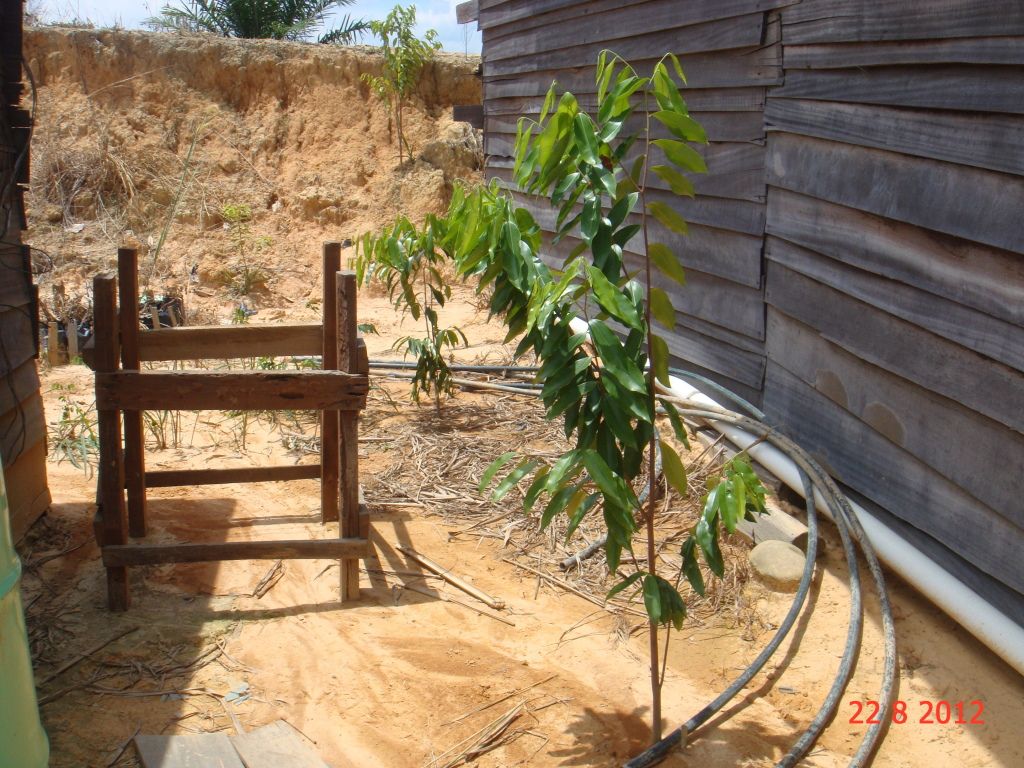
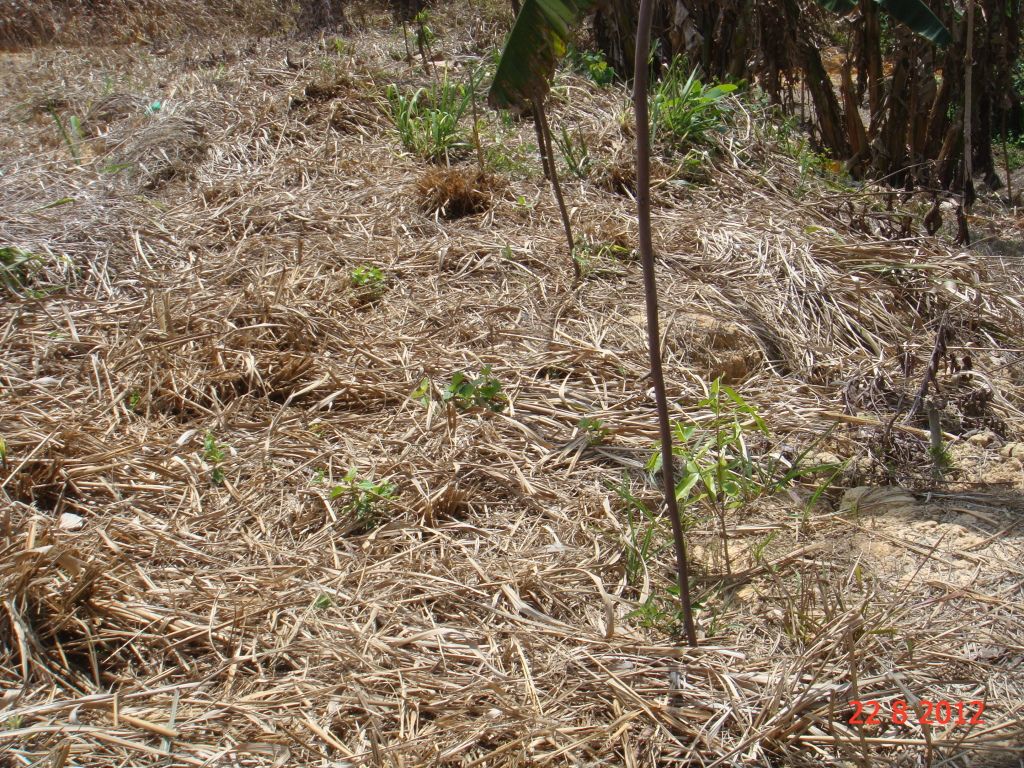
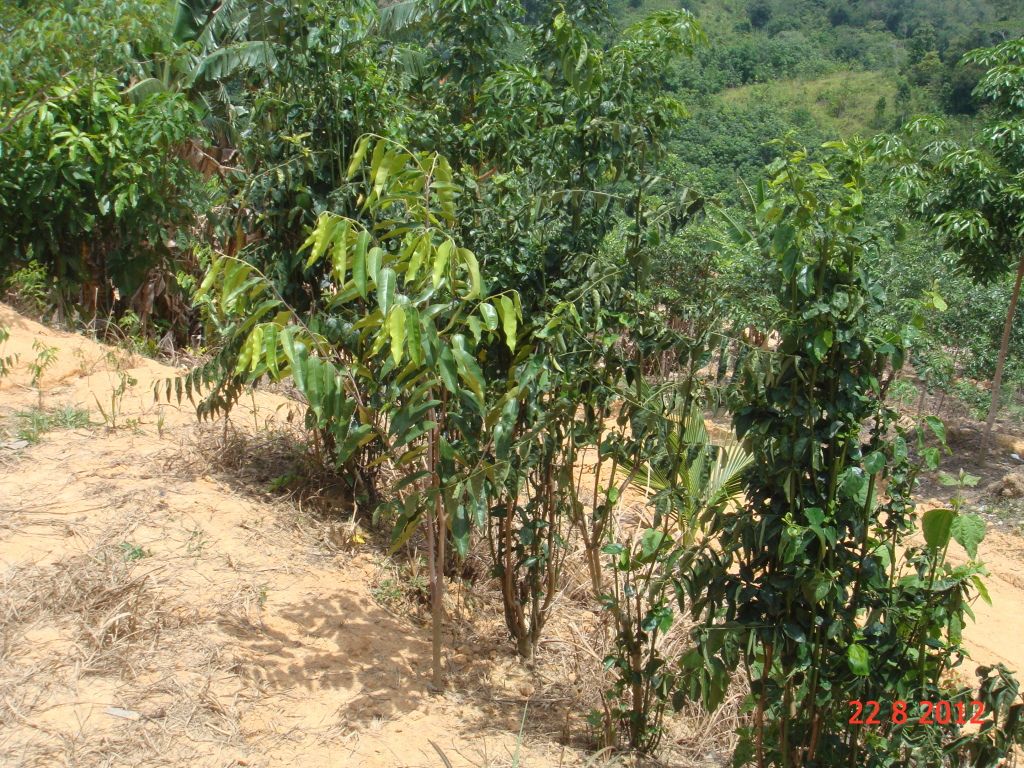
At this moment I can only say that it's a hardy plant and I don't see any trouble planting these. Planted some early this year (March, I think). Some are growing fast. Have rescued some from Herbicide injuries and some overgrown, fully covered with weeds. They are starting to grow now. These were gifts from a friend. Anyway, this is only a supplementary crop.

user posted image
user posted image
user posted image

MrFarmer
post Aug 23 2012, 07:27 PM

Casual
***
Junior Member
478 posts

Joined: Mar 2011
From: Sabah


QUOTE(Michael J. @ Aug 23 2012, 08:28 AM)
Mr Farmer:

Do keep observing and update us. Your observation would contribute significantly to this thread.

As I've said, there is no issue with growing the plant itself. It is the inoculation and production of the agarwood (which is the fungus-infected portion of the aquilaria) which is problematic.

Anyway, there's a new drive in agarwood production which does not require the planting of aquilaria, or developing inoculates anymore. The research is already at heading towards pre-commercialization stage, so it is only a matter of time before it becomes reality. Essentially, it involves totipotent plant cells, fungal antigen proteins, and a large bioreactor. According to the scientists who are involved with the project, that one bioreactor is equivalent to the production yield of 100,000 successfully inoculated aquilaria trees, at a fraction of space.
*
Wow, synthetic resin? Let's hope there are still a market for natural resin, wood and roots. Also with natural resin, it may still develop on the 'artisan' aspect. Manage to contact a seed supplier in Thailand. Shall be collecting 1 kg of seeds during my break in Chiang Mai, early September.

Yes, shall keep you guys update on my progress from time to time.


Added on August 23, 2012, 7:37 pm
QUOTE(ah_suknat @ Aug 23 2012, 05:59 PM)
hi guys, like optimus_shine

I am too interested in rearing ducks instead of other livestocks.

how good is ducks in the local market, can we sell ducks eggs like chicken eggs without need to salted it? do supermarkets buy duck eggs?

Can I sell the ducks after it reach its maximum age for egg producing? still good to old ducks?

how hard is it to breed own ducks using incubator?

is there enough support for duck rearing from the govenrment?

thanks
*
HI ah_suknat,
Welcome.

Incubator
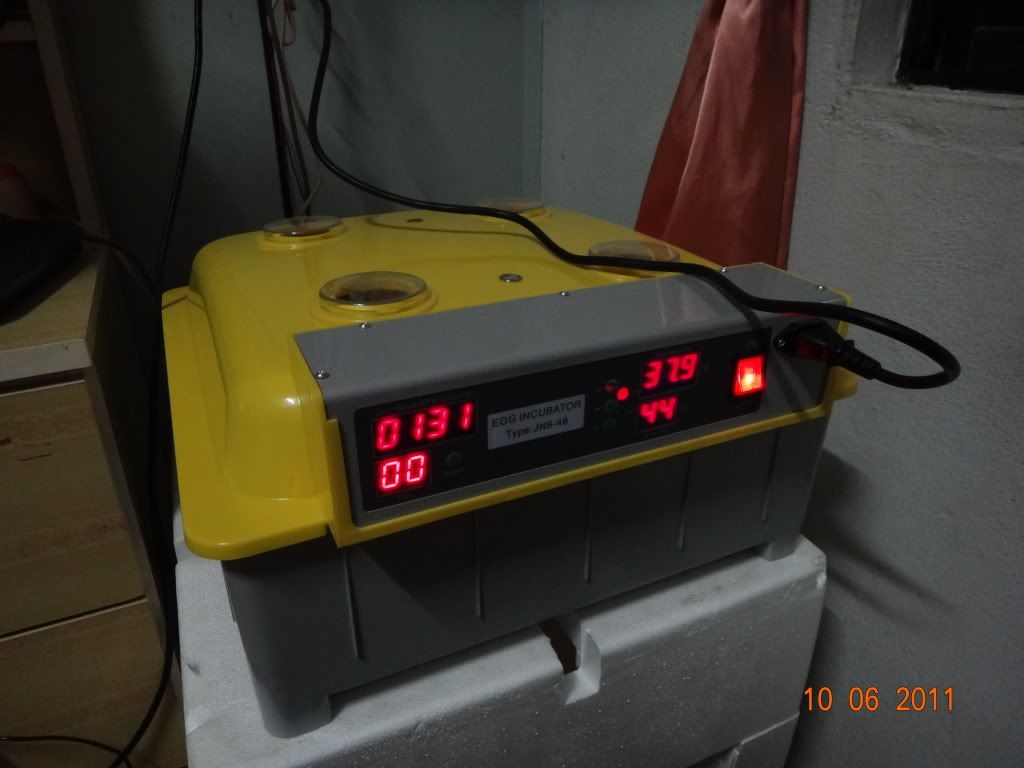
Bought an incubator back in June 2011. Ran it twice, no success yet. 1st time, total failure. 2nd time managed to reach an almost hatching stage, where I can feel the unborn chick kicking, egg rocking. Unfortunately I had to be away for a while, left it under the care of a friend. Went I came back, I was told it didn't hatch. It was so disheartening and may me sad. Up to now, still have no find the courage to try again yet.

On the bright side, my chicken is doing it the natural way, and I don't get any blame or guilt for any failures. Of course, am always trying to improve the successful rate.

user posted image


This post has been edited by MrFarmer: Aug 23 2012, 07:37 PM
MrFarmer
post Aug 27 2012, 07:21 PM

Casual
***
Junior Member
478 posts

Joined: Mar 2011
From: Sabah


QUOTE(Binyamin @ Aug 27 2012, 06:25 PM)
Hi guys I am interested to do hydroponic farming on a a commercial scale. Meanwhile I have started a little drip system at my home.

Why is it that hydroponic in Malaysia is not popular, even on this forum not many are talking about it.

The other thing is once I produce the fruit or vege how do I go about marketing it? Thanks all!
*
Hi Binyamin,
I guess hydroponic is not commercially feasible yet (here), but I guess some day it shall be. Malaysia still has lots of land for agriculture. Had did some reading on hydroponic, but am not ready for it yet as I'm also new in planting. Am learning the traditional way first, planting in soil and finding it very challenging.

Market Farm produce is just like any other marketing. Only that most are perishable / semi-perishable (do your initial study well). Your logistic has to be right. Firstly identify your market. Distribution, wholesale, retail. Also you need to look at the volume that you are producing or targeting. Initially you'll need to do lots of running around, just like any other products. Persistence shall make the day.


Added on August 27, 2012, 7:40 pm
QUOTE(ah_suknat @ Aug 27 2012, 06:52 PM)
thanks for the replies. I bought the ducklings at rm2.5 from jabatan vetenari, they are low on stocks so only manage to get 100, I bought the 300 from private at rm4 each, you think the price reasonable?

Aas food cost is the main cost, what is the best way to feed them with the lowest cost possible? without compromising their egg laying performance? Do you think left over food I get from schools and restaurant is ok for them?

are you experience with large scale duck farming? what is the best shelter layout design to build? with the land that I draw, what would you advice on the layout of the farm?

thanks again smile.gif
*
Hi ah_suknat,
Say, you in Sabah?
Did some study on duck rearing but did not venture into it as
1) Very heavy eater
2) Limited market (meat)
3) My Land not suitable (water)
Spoke with a couple of people who had done / doing duck (meat), Keningau area. All of them says that the ducks has huge appetite. Manage the food and you should make it feasible. Those that had stopped also say that the feed is too high.

I guess duck eat many things, but feeding them left over, you need to process it. Also you do not have much control (on the left over). Oils, Bones etc.

If you are in Peninsular, you can see a lots of large scale duck farm on the KL-Ipoh Old road, near Kampar, Gopeng on those ex-mining pools.

I spoke with my son, culinary arts students, he say cake / pastry house uses lots of duck eggs. You may also consider Century egg? (the black 1). Do make sure the source of water, you mentioned river, you'll need to make sure it ever dries up. Quality of the water?


This post has been edited by MrFarmer: Aug 27 2012, 07:40 PM
MrFarmer
post Aug 28 2012, 07:09 PM

Casual
***
Junior Member
478 posts

Joined: Mar 2011
From: Sabah


Check these out.
user posted image

user posted image
MrFarmer
post Aug 29 2012, 06:46 PM

Casual
***
Junior Member
478 posts

Joined: Mar 2011
From: Sabah


QUOTE(ah_suknat @ Aug 29 2012, 11:09 AM)
http://www.kickstarter.com/projects/176372...-the-dream-farm

how I wish I can do this here,,,,is there any medium like this here in Malaysia that I can try to collect funds...?
*
I guess it's difficult as too many red tapes here in Malaysia. ah_suknat, when I started on planting 2 years ago, I have this idea of putting up my trees for adoption. Where a donor, supporter, financer pledge / donate to support a tree, and we up date them on the progress. But my idea were shot down many times. Was thinking if this works, then all the people in the world can help green the earth, by keeping our land green.
MrFarmer
post Aug 31 2012, 08:44 PM

Casual
***
Junior Member
478 posts

Joined: Mar 2011
From: Sabah


QUOTE(ah_suknat @ Aug 28 2012, 02:27 PM)

1) how to make sure the left over food are free from backeria? should I mixed anti biotic with it?

If my ultimate goal is to rear up to 10k ducks, which is better? buy the ducklings or hatch them myself? I do not plan to sell ducklings.

if I cant source the ducklings locally, is it possible to have ducklings SHIP all the way from peninsular to Sabah?

what is meant by intensive, non intensive?

thank you very much!
*
You can boil the left over to high temperature to kill the bacteria. They do this for the pig feed. Higher tech shall be pressure cooker.

There is 2 big chicken farm near my area. They still buy the chicks rather than hatching themselves.

Bringing animals from peninsular legally, needs to go thru' Veterinarian Department and need to go thru' quarantine. Same for plants.
MrFarmer
post Sep 14 2012, 09:41 PM

Casual
***
Junior Member
478 posts

Joined: Mar 2011
From: Sabah


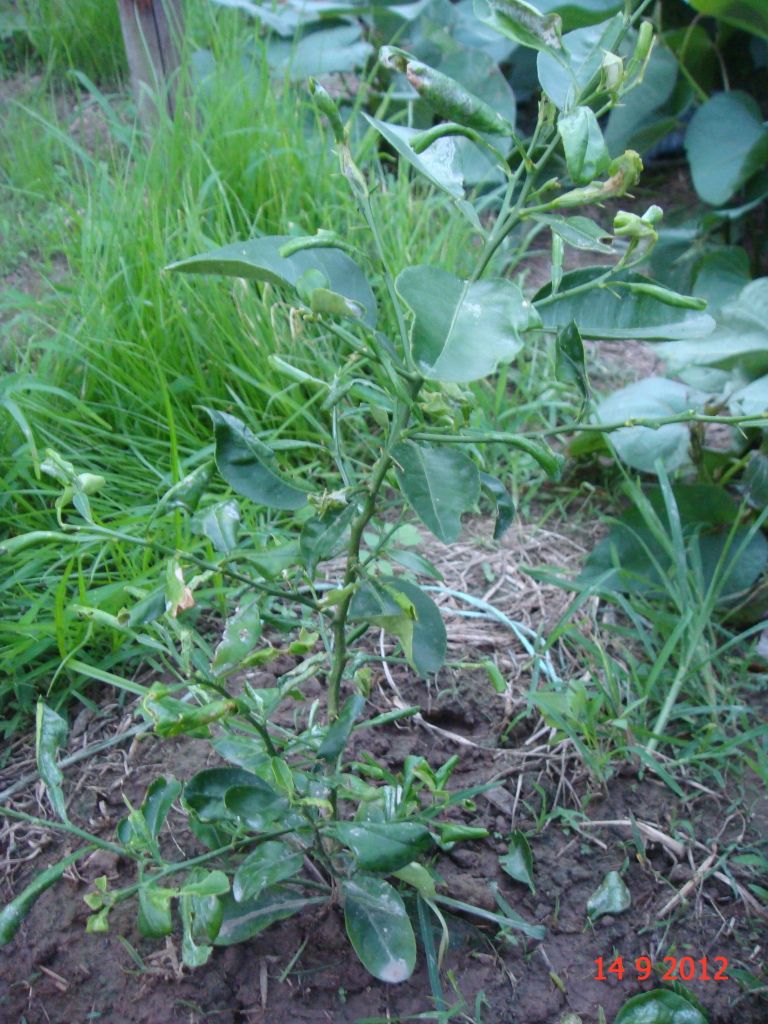
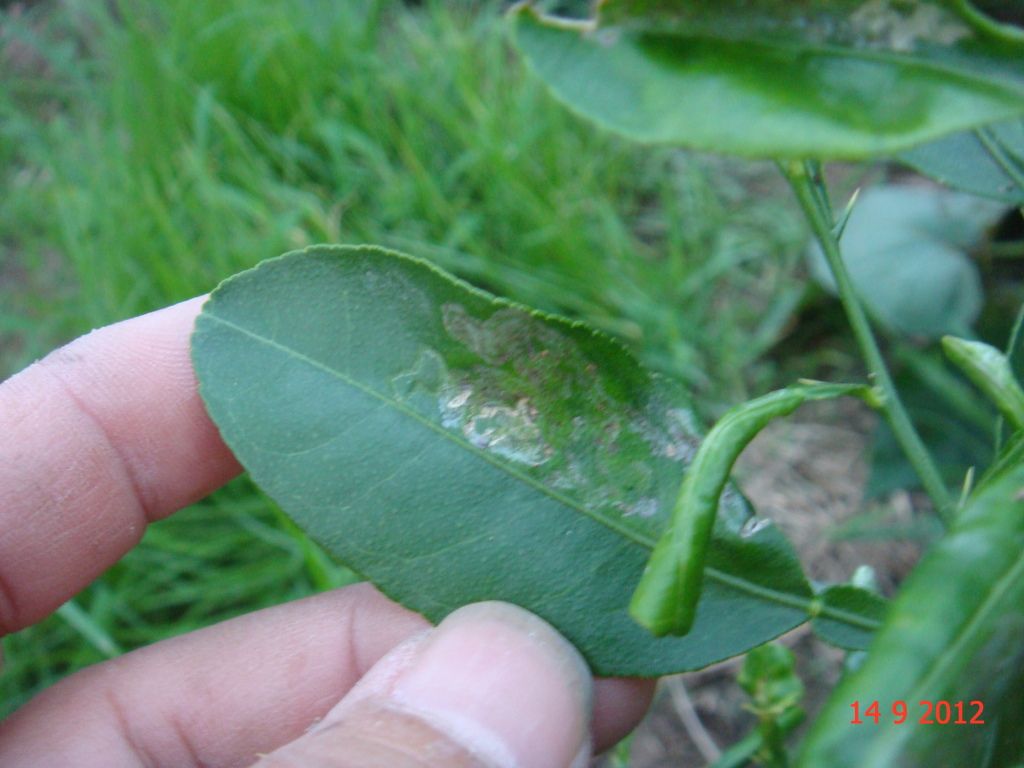
What's wrong with my Lime trees? Have 3 of these and all have this problem.

user posted image
user posted image


Added on September 16, 2012, 9:21 pm
QUOTE(MrFarmer @ Sep 14 2012, 09:41 PM)
What's wrong with my Lime trees? Have 3 of these and all have this problem.

Citrus Leaf Miner and or Red Mites?
Now looking for ways to treat it.

This post has been edited by MrFarmer: Sep 16 2012, 09:21 PM
MrFarmer
post Sep 26 2012, 06:31 PM

Casual
***
Junior Member
478 posts

Joined: Mar 2011
From: Sabah


QUOTE(Michael J. @ Sep 26 2012, 03:11 PM)


On the Bioeconomy for Malaysia, I can't reveal much at this point. All I can say is that the plan is to launch it at the upcoming BioMalaysia event in November, and that leading projects are going to be very interesting for those with spare land to grow fruit trees.
*
Hey, me am looking into fruit trees too, Avocado and Jackfruit. Started to research on Sour sop as well. Am testing out tea from Sour sop leaves.
MrFarmer
post Oct 15 2012, 06:50 PM

Casual
***
Junior Member
478 posts

Joined: Mar 2011
From: Sabah


QUOTE(yanziqiang @ Oct 15 2012, 01:58 PM)
Hi Michael J, really liked what you suggested in [i] and [ii] below.
I'm an electronics engineer in my day job and a horticulturist [nooby] in my freetime. I got interested in horticulture mainly due to the food crisis reason as you said.

As this thread is lively and participated by quite a few experts like yourself, I would like to post some questions about Aquaponics business here in KL Malaysia.:
a. Do we need a certification / license / permit to sell the vegetable produce of such farming technique?
b. Do we need license / permit if we farm Tilapia and sell it in such technique? What if these farmed fishes are only for self-consumption / donation?
c. Do we need license / permit if such farm is in upper floors of shoplots?
d. Are there potential in such farming technique, especially economically?
e. What are the complications / consequences of such farming technique?

Those are the questions that I can think of, appreciate any sifu here to share answers or other insights / opinions.

Many thanks.
YzQ
*
Just my thoughts
a. You'll need business license to sell your produce (officially). If you are on a small scale, then you'll most probably get away with it. Me, I had not registered a business license yet, but planning to do it latter. After that you'll need to look into Inland Revenue Income taxes....

b. If on a big scale, yes. Own consumption / donation, no need.

c. Most probably yes, if you do it on a shop lot. I think you'll gonna need lots of approval, including Municipal, Bomba, etc...I think too much red tapes and may not be feasible. Things like load bearing (depending on how many floors / size of pools) and water proofing and other issues.

d. Any 1?

e. Any 1?

Hey, I read & practiced electronics too, but that was ages ago. Welcome.
MrFarmer
post Oct 19 2012, 07:10 PM

Casual
***
Junior Member
478 posts

Joined: Mar 2011
From: Sabah


For those interested in agriculture, do make a date with Maha 2012, there is a lot to see in this expo.
http://www.maha.gov.my/2012/what%27s-new-in-maha2012.html

MrFarmer
post Oct 31 2012, 06:42 PM

Casual
***
Junior Member
478 posts

Joined: Mar 2011
From: Sabah


QUOTE(ahteck88 @ Oct 30 2012, 03:52 AM)
what is this about ??got any career offer ?
*
Well ahteck88, I'm sure you can build a career in Agriculture.
Me, I'm trying too, work hard for a few years, then hope to "enjoy the fruits of labor" later on. Also hoping to pass on what I had nurture to the next generation (as some agriculture is long term).
MrFarmer
post Nov 1 2012, 08:19 PM

Casual
***
Junior Member
478 posts

Joined: Mar 2011
From: Sabah


QUOTE(ParaOpticaL @ Nov 1 2012, 01:36 PM)
anyone heading out to MAHA 2012 ???
*
I'm going. Most probably 23rd, 1st day, biggrin.gif
Very excited about it, can't wait!
See you there.
MrFarmer
post Nov 2 2012, 06:08 PM

Casual
***
Junior Member
478 posts

Joined: Mar 2011
From: Sabah


QUOTE(chinyen @ Nov 2 2012, 11:11 AM)
anybody also can go? need to register?
*
Oh yes.
You can also per-register online.
So many things to see.


Added on November 2, 2012, 6:20 pm
QUOTE(Kg Teratai @ Nov 2 2012, 10:21 AM)
I mostly will go at second day 24th or 25th Oct.
*
Hi Teratai, you go 24th, catalogs all no more lor, I grab all jor tongue.gif

This post has been edited by MrFarmer: Nov 2 2012, 06:20 PM
MrFarmer
post Nov 5 2012, 09:22 PM

Casual
***
Junior Member
478 posts

Joined: Mar 2011
From: Sabah


QUOTE(Kg Teratai @ Nov 5 2012, 10:53 AM)
Hi Farmer,

I have no choice, I will need to work at Friday, only free at Saturday.

Now the oil palm also no price, small potato like me really no eye see already.
*
Hi Kg Teratai,
In agriculture, good price or low price, you'll just need to carry on. It's on a long term, averaging. From my conversation with some friends here, still ok wor. Still got profit.

Rubber also having problems.
You are not alone, stay motivated. Price shall raise again, and you can go singing karaoke. biggrin.gif
MrFarmer
post Nov 6 2012, 08:08 PM

Casual
***
Junior Member
478 posts

Joined: Mar 2011
From: Sabah


QUOTE(Kg Teratai @ Nov 6 2012, 10:13 AM)
Hi Farmer,

The price is still survivable at this moment provided it is not down trend again.
Like you mention, low price or high price, we will still need to continue to yield. 
I wish that situation can turn into better side.  You may heard that oil palm buyer from farm will charge rm40 in order to safeguard their profit. This is a very ridiculous policy. I am not sure if they will really go ahead with this policy. Price of fertilizers and other necessities for the farming have been increasing. These are the negative factors that will discourage us.
*
Here, most of the small holders sent their oil palm to the collection center.
Not to mention the minimum wages. New medical insurance scheme for foreign labors.
Cost of doing business is definitely going up.


MrFarmer
post Nov 20 2012, 05:45 AM

Casual
***
Junior Member
478 posts

Joined: Mar 2011
From: Sabah


QUOTE(Kg Teratai @ Nov 19 2012, 05:05 PM)
Hi Farmer,

Do you pre register for the MAHA?

I have registered and received an email ask me to go there collect the badge. However, when I went there, they tell me do not have to take the badge, you will only have to walk in. Really waste my time.
*
I did per-registered, but did not collect any badge. Last time I went, I just walk in, but need to fill up a form. Anyway, shall walk in again, as I don't have any business name card smile.gif


Added on November 20, 2012, 5:50 am
QUOTE(M_century @ Nov 19 2012, 08:04 PM)
For Soon Hock, I only know a way which is practically zero cost that can succeed, other ways I not too sure

For Tilapia, only advise I can provide is to get yourself a mentor, copy his/her model to get a feel of it. There are many ways that can work.
Any other questions, can ask me, I can help me a bit. I distribute Tilapia fish feed.
*
M_Century, agree with you on the mentor/student model, lust like in kung fu movies. Anyway, this works for all aspect of life. Be it in business, agriculture & etc. This shall take way lots of stress and trial & errors. Good luck to all of us.

This post has been edited by MrFarmer: Nov 20 2012, 05:50 AM
MrFarmer
post Nov 20 2012, 06:10 PM

Casual
***
Junior Member
478 posts

Joined: Mar 2011
From: Sabah


QUOTE(ParaOpticaL @ Nov 20 2012, 05:30 PM)
guys when are you going to MAHA 2012 ???

i am thinking monday or tuesday (less people)
*
Me going on Friday.
Flying back Thursday morning rclxms.gif
MrFarmer
post Nov 23 2012, 09:58 PM

Casual
***
Junior Member
478 posts

Joined: Mar 2011
From: Sabah


QUOTE(Kg Teratai @ Nov 23 2012, 11:12 AM)
Hi Farmer,

I may go to MAHA this afternoon. Not confirm yet.


*
It was a bit of a disappointment. I went early morning, 10 am. Then it was raining. I only manage Hall A, B & C. This time I find that it is geared more towards the public. There were also lots of non-related exhibitors.


Added on November 23, 2012, 10:00 pm
QUOTE(ParaOpticaL @ Nov 23 2012, 07:13 PM)
[color=blue]My durian production is no problem....probably due to me changing to the organic way for farming. but most of the farmers here are close to "dying" because of the free fall in price.

but from the information that i gathered, actually 90% of the clones are facing this problem and the durian collectors are choking because of this and also that caused the free fall of price.
Bought Raub Musang King @ MAHA 2012 (XL) for $9.00 / kg. Now so full whistling.gif

This post has been edited by MrFarmer: Nov 23 2012, 10:00 PM
MrFarmer
post Nov 25 2012, 09:55 AM

Casual
***
Junior Member
478 posts

Joined: Mar 2011
From: Sabah


QUOTE(harvestopia @ Nov 25 2012, 02:45 AM)
How was MAHA 2012? Better than last year? Any new stuff?
*
I personally feel the previous event was better. This time it's gear more towards the public (retail) than commercial farming. I did not finish all the exhibit as it was raining. I only did Hall A, B & C, and the 2 agro bazaar.

Any feed back on the outside halls? If it good, then I shall make another trip.
MrFarmer
post Nov 29 2012, 07:08 PM

Casual
***
Junior Member
478 posts

Joined: Mar 2011
From: Sabah


Found an article on Papaya to share.


Growing Papaya From Seed

I love growing papaya. They are easy to grow (once you know how to!), they are quick to fruit and they fruit all year round. I can use them both ripe or green, I can feed them to my chickens, and they attract lots of wild birds into my garden.

Papayas are fast growing shade trees, and they look really good, too.


Growing Papaya

Growing papaya from seed is the easiest and most successful way to get started. And of course it's also the cheapest. You can grow papayas using seed from shop bought papayas.

However, the papaya can be a finicky plant... Papayas are easy to grow, but not necessarily so easy to keep alive and get good fruit from. Below I tell you how you can easily grow papaya from seed, and how you can ensure a good supply of fruit all year round.


Growing Papaya

Papaya originated in the lowland tropics of South America, but today you find papayas growing everywhere in the tropics and subtropics. It often grows wild, and every tropical food garden has several papaya trees. To grow good papayas you need a frost free climate, lots of sunlight, lots of water and very good soil.

If you can supply all of the above you can pretty much stick some papaya seeds in the ground at any time of the year, and six to ten months later they will start fruiting.

OK, admittedly this sounds easier than it is for most beginner gardeners. There are some hurdles and traps to watch out for when growing papayas. But if you are aware of the possible problems then there is no reason why your first attempt at growing papayas shouldn't be a smashing success. Let's look at the details...


What Do Papayas Look Like?

Here are some pictures of papayas, for those who have never seen papaya plants.
Crown Of A Papaya Young Papaya Plant. Mature Papaya Tree.


Papayas are fast growing, single stem plants. The trunk is soft and does not have a bark, and papayas don't have branches.

The leaves are huge and don't last long. Usually you have a tall trunk with a crown of leaves at the top of it. The overall appearance is a bit like a palm tree. If a papaya loses the growing tip or is cut back it can develop multiple trunks. The fruit grows on the trunk, and since papayas continue to grow up and up the fruit is harder and harder to get to as the papaya plant gets older...


How To Grow Papaya From Seed
Growing Papaya Seeds

You can use any shop bought papaya for seeds, but you get the best results if you use seeds from locally grown papaya fruit.

Just cut the papaya in half, scrape out the seeds, and clean and dry them. (Actually, I never bother cleaning them...) You will end up with enough seeds to grow a papaya plantation... Select a sunny and sheltered place in your garden. That's right, in your garden. Don't start them in pots! Papayas don't transplant well. Anything that disturbs the roots of papayas really sets them back. They just hate it. The most fool proof way to grow papayas is to simply plant them where they are to live.

Papaya trees are very, very hungry. That means they need very good soil, rich in organic matter and nutrients. If you don't have fabulous soil, make some. Dig a hole half a meter across and fill it with a mix of good compost and soil. Actually, make at least two or three such planting beds in different locations.

Now sprinkle on some of your seeds. A couple of dozen per bed is a good amount. I usually use even more... Cover the seeds lightly with more compost, and then mulch the patch well. The seeds usually take about a couple of weeks to germinate, and may take longer.

Soon you will notice that your seedlings are very different in size and vigor. That's why we planted so many. Start culling the weaker ones. Pull them out while still small, or cut bigger ones down to the ground. Only keep the very best.

At this stage you should keep about half a dozen plants. Papaya plants can be male, female, or bisexual, and you want to make sure that you have some females or bisexual plants amongst your seedlings. The male papayas don't bear fruit.
Male Papaya Flowers Female Papaya Plant

Papayas start flowering when they are about three feet tall. The males flower first. Male flowers have long, thin stalks with several small blooms. Female flowers are usually single blooms, bigger, and very close to the trunk. See the papaya pictures above. Cull most of the male plants. You only need one male for every ten to fifteen female plants to ensure good pollination.

And that's it. You should end up with one very strong and healthy female plant per bed. (And a male plant somewhere...) If the weather is warm enough, and if you are growing your papayas in full sun and in good soil, then you could be picking the first ripe fruit within 10 months.


How much water?

Papayas have large soft leaves. They evaporate a lot of water in warm weather, so they need a lot of water. But unfortunately papayas are very susceptible to root rot, especially in cool weather. Over-watering is the most common reason for problems when growing papayas. It depends on the temperature and on the overall health and vigor of the plant. A healthier plant will cope better, but in general you should be careful not to over-water during periods of cool weather.
How much plant food?

As much as you can spare. Papayas need a lot of fertilizing. They are particularly greedy for nitrogen. Fertilize them regularly. You can use a complete fertilizer, or something like chicken manure. Papayas handle strong or fresh manures fairly well. You should also be generous with compost, and just keep piling on the mulch as the plants grow bigger.
How much sun?

As much as possible. It's OK if the leaves wilt a little bit in hot weather. Papayas love heat and sunlight. You can get them to grow in partial shade, but you just end up with a spindly, sickly tree, and if you ever get any fruit it will be several feet up in the air and will taste insipid.


When do papayas fruit and how much?

Papayas fruit all year round, as long as the weather is warm enough. Keep them happy and they will keep fruiting. (If the temperatures drop too much they stop flowering. They will flower again as it warms up.) Young papayas are the most productive. The older a papaya plant gets, the weaker it becomes. It will produce less and smaller fruit, and it may get problems with diseases. Also, because the plants keep growing taller it gets harder to reach the fruit.

I think it's best to just keep planting more. Put in another patch every few months. That way you always have some healthy and productive plants around, and you don't need a ladder to pick the fruit.


How long do papayas live?

That can vary greatly, but most papaya plants are short lived. As they get older they get more susceptible to all kinds of diseases. Most of mine die some time in their second or third year. We get big storms here and usually my papayas just blow over once they get too tall. But I also have some trees that seem indestructible. Rather than blowing over they snap off, and grow multiple new trunks. I once saw a photo of a forty year old papaya!


Common Problems When Growing Papayas

I already addressed the most common problem: root rot due to over-watering. If you get cool weather keep you papaya plants dry. If you live in an area that gets torrential tropical rains, like I do, then there is not much you can do about it. Every wet season I lose many of my mature papaya plants. It's not a problem for me, since I regularly start new plants. The young ones survive OK, and I always have some papayas fruiting somewhere.

Strong winds are another common cause of papaya disaster. Papaya plants have a very shallow root system, they get very top heavy as they grow older, and they blow over easily. Again, the solution is to replant in time. Then there are birds, fruit bats, possums... Everybody loves papayas. The only solution here is to pick the fruit as soon as it starts to change color. It will ripen OK on the kitchen bench.

I don't mind sharing my papaya crop anyway. I pick what I can reach and I don't worry about the fruit that's higher up. The birds can have the rest until the plant falls over and dies. That is unless I get an exceptionally productive or nice flavoured papaya. I'm too lazy to climb ladders to pick papayas, so if a tree gets too tall I just cut it down, about two feet of the ground. Sometimes it kills them, but sometimes they grow back with several trunks. I get more fruit and it grows where I can reach it.

The best time to cut a papaya back is during dry weather. The trunk is hollow. If it fills with water it will rot. You can protect it by covering it with an upside down plastic pot or or a bag. Hot, humid weather can encourage rot.

Papayas get a whole slew of viruses and diseases, transmitted by sucking insects. Those problems are greatest during times when the plants are stressed already, for example because they have wet feet. I don't think it's worth worrying about diseases, or trying to treat them. Just plant more.

Young, vigorous papayas are least affected by insects or diseases. Just keep planting lots of them, and always keep just the best. The planting method outlined above, and regular replanting, are the best way to ensure a regular supply of papaya. Save your own seeds from your healthiest and tastiest plants, and over time you will breed the perfect papaya for your garden.


23 Pages « < 8 9 10 11 12 > » Top
 

Change to:
| Lo-Fi Version
0.0669sec    1.90    7 queries    GZIP Disabled
Time is now: 17th December 2025 - 05:14 PM