Is the Islamic State Trying to Draw Turkey into Syria?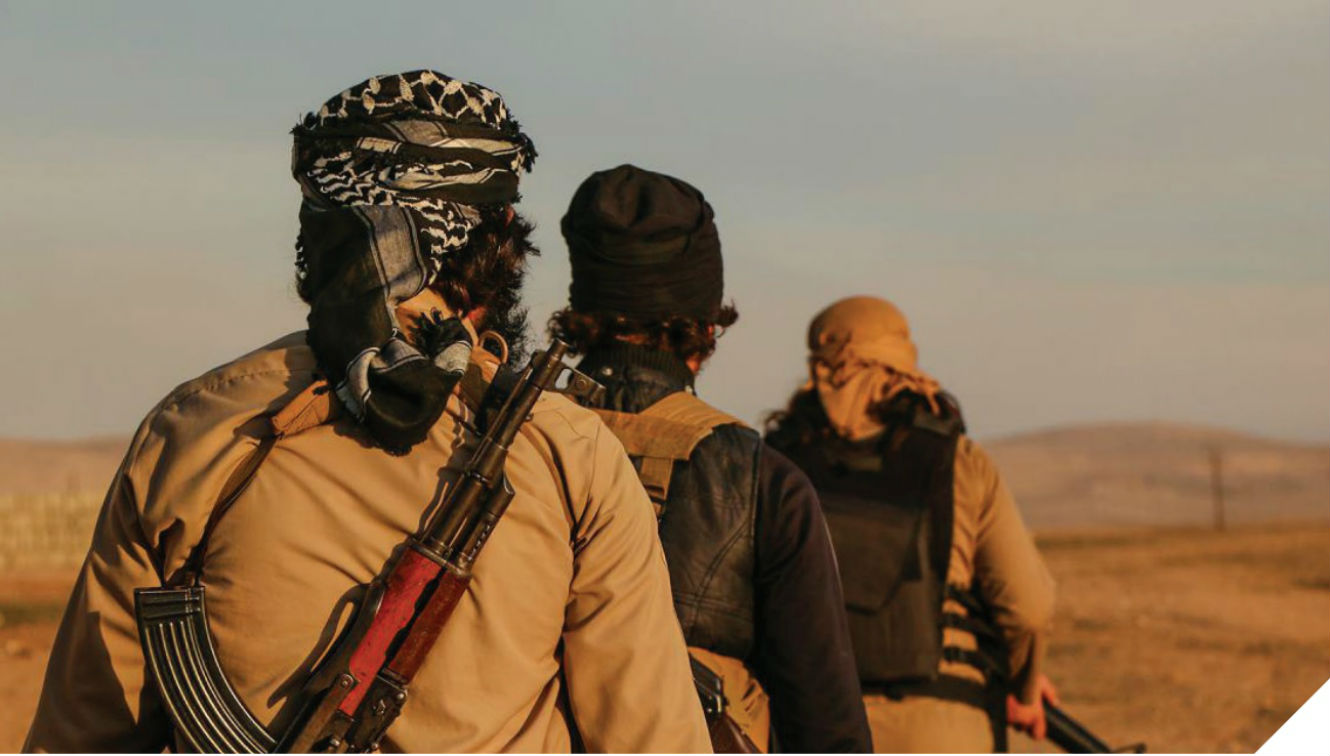
QUOTE
There is a duel going on in Turkey’s southern province of Kilis. Since the beginning of the year, forces of the Islamic State in Iraq and the Levant (ISIL) have fired katyusha rockets into Kilis
QUOTE
The Turkish Armed Forces (Türk Silahlı Kuvvetleri, TSK) have responded with artillery fire and airstrikes, reportedly killing at least 862 ISIL fighters this year. Still, rockets have landed in Kilis every day in May
QUOTE
According to the pro-government daily Yeni Şafak, 15 to 20 Turkish special forces units entered ISIL-controlled territory to target rocket launchers. The raid was followed by airstrikes from coalition forces and with the knowledge of the United States and Russia
QUOTE
ISIL’s Propaganda on Turkey
QUOTE
This propaganda can be broken into three basic stages: informal (2013 through mid-2014), semi-official (early-2014 through mid-2015), and official (mid-2015 to present)
QUOTE
In the early days of the conflict, much of the promotion of the Islamic State was informal, done by members. For example, Oguzkan Gozlemecioglu (aka Muhammed Selef), a well-known ISIL facilitator from Ankara, posted a video interview on his personal Facebook page with Ahmet Gunduz, one of the early Turkish ISIL emirs (killed in 2014)
QUOTE
After the break between Jabhat al-Nusra and ISIL in early 2014, long standing Turkish-language global jihadist websites such as Takva Haber and Enfal Medya became broadly pro-ISIL (following shifts of some Salafi figures inside Turkey such as Halis Buyancuk AKA Ebu Hanzala)
QUOTE
By early 2015, however, the situation on the ground changed. The Mosul hostage situation in June 2014 — where ISIL captured and held 46 Turkish citizens at the Turkish consulate in Mosul, Iraq for three months — was resolved and negotiations to allow U.S. warplanes to use Incirlik airbase to bomb ISIL had begun
QUOTE
At the same time, in March 2015, ISIL launched Darul Hilafe, the Turkish language arm of al-Hayat Media, ISIL’s main propaganda arm. In June 2015, Darule Hilafe began posting a daily Turkish-language news bulletin from al-Beyan radio and finally launched its magazine, Konstantiniyye. At the same time, on July 12, 2015, the Turkish government began its crackdown on pro-ISIL media outlets
QUOTE
Since the launch of Konstantiniyye, there have been several examples of how its coverage precedes future incidents. The third issue of Konstantiniyye, released on September 27, 2016, focused on suicide bombings with the cover story, “The Acceptability and Morality of Suicide Operations
QUOTE
Over the next several months, two Syrian journalists/activists writing on ISIL were targeted and killed in Gaziantep and Sanliurfa
QUOTE
Learning About ISIL’s Strategy in Turkey
QUOTE
After the bombing in Ankara, it became clear that the previous attacks in Diyarbakir, Mersin/Adana, and Suruc were more centrally directed and planned than original thought, as laid out by Aaron Stein. Police uncovered a safe house in Gaziantep where the bombs for all three attacks were built
QUOTE
The laptop reportedly held attack plans for 26 different targets in 19 locations across the country. Some of the most alarming targets were Alevi and Kurdish villages. Such attacks would have been aimed at activating the Sunni-Alevi fault line in Anatolia as well as further exacerbating Turkish-Kurdish tensions
QUOTE
State media sources reported Turkish police detained over 820 ISIL members or supporters in 2016 alone, (though our close tracking of media reports on detentions puts the number around 450)
QUOTE
it is possible that ISIL has shifted its strategy into attacking TSK targets and potentially trying to draw Turkish troops into Syria, where they would be more vulnerable. The two most recent issues of Konstantiniyye point to that possibility. Simultaneously, ISIL may be trying to take advantage of disagreement between the United States and Turkey on how to close Manbij pocket and finally shatter ISIL’s hold on territory along Turkey’s border
QUOTE
Turkish Ground Troops in Syria?
QUOTE
once the TSK enters Syria to conduct operations against ISIL, staging ground operations against Kurdish militants could prove irresistible. Without adequate, proper coordination, Turkish forces operating in northern Syria could also run into issues with Russian forces. Given the range of Russian-deployed S-400 anti-air missiles, this would most likely involve a threat to Turkish warplanes providing cover and support to their brethren on the ground
http://warontherocks.com/2016/05/is-the-is...key-into-syria/ 

 Military Thread V20
  May 14 2016, 09:51 PM


 Quote
Quote


 misread
.jpg)


.jpg)




 0.0368sec
 0.26
0.26
 6 queries
 GZIP Disabled