Are the Special Forces Stretched Too Thin?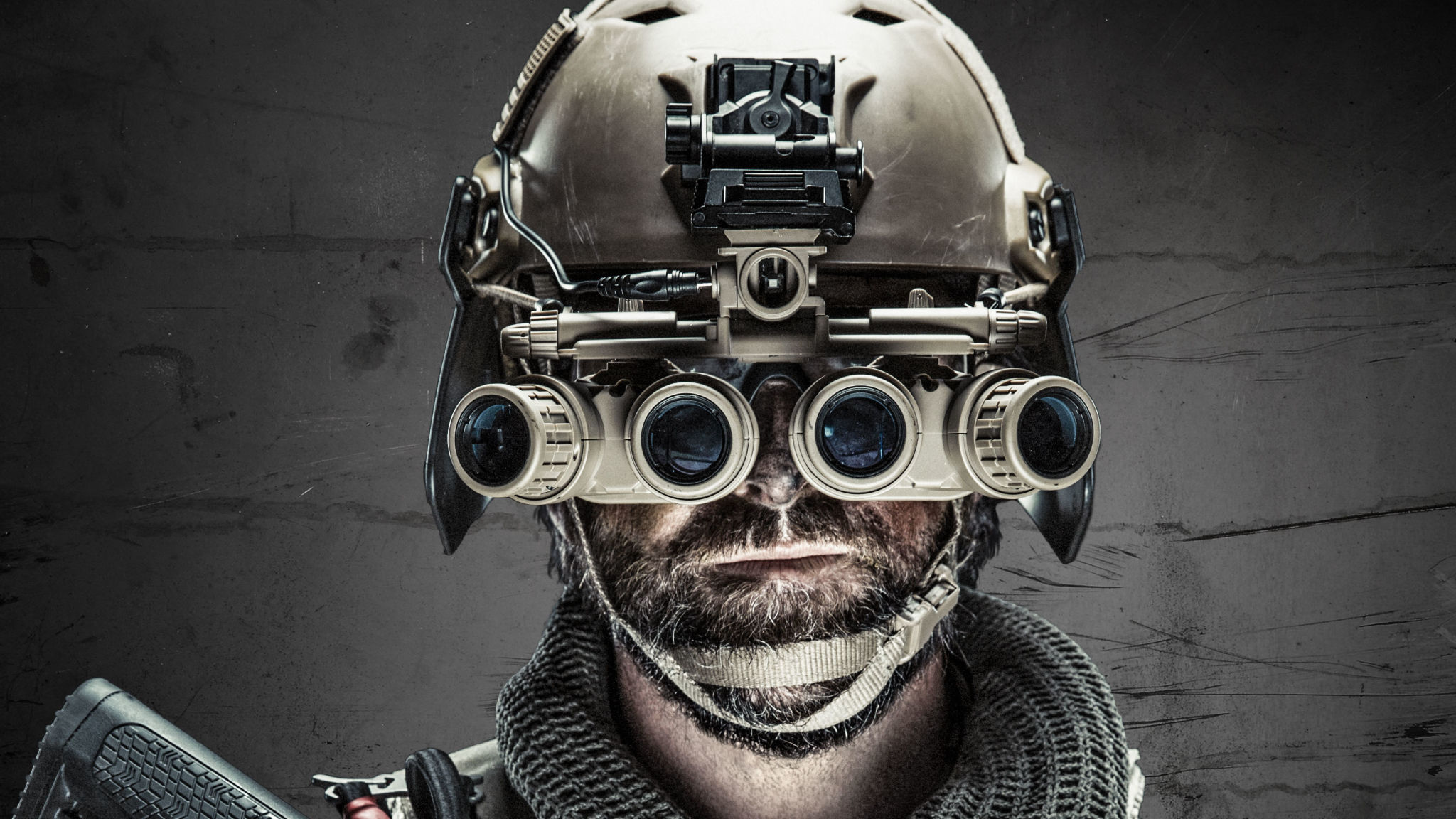
QUOTE
As the shock-and-awe of conventional warfare has given way to the unpredictable carnage of terrorism, much of the job of keeping America safe has fallen to the military's most elite soldiers. Delta Force. Green Berets. Navy SEALs. The special operators. But with new threats every day and the men stretched thin, can this new strategy last?
QUOTE
Officially, the United States government does not acknowledge that Delta Force even exists. And yet in 2015, special operators from across the U.S. military were deployed to 147 countries, the most ever
QUOTE
They went everywhere. In fact, the United States special-operations forces—a handful of elite, highly trained, often clandestine units that make up only a tiny percentage of the total number of troops in the armed forces—were approaching burnout
QUOTE
Before 9/11, there were roughly thirty-three thousand members of U.S. special-operations forces. Today, there are approximately seventy thousand. The budget for special operations has tripled since 9/11, to around $10 billion. Meanwhile, the military as a whole has been shrinking. In 2015, active Army personnel dropped below five hundred thousand for the first time in ten years and is projected to return to lower, pre-9/11 levels by 2019
QUOTE
But these conventional, or direct-action, strikes—kicking in doors and taking out the bad guy—make up only half of special operations. The other is something more delicate, closer to spycraft. It's called unconventional warfare, and it involves working with a local population to foment insurrection against an undesirable government or terrorist group. Infiltration. Propaganda. False flag attacks. Guerrilla combat. You won't watch a movie about it—in fact, if all goes well, you will never know it even happened
QUOTE
In the early days of the Afghanistan conflict, Green Berets rode into Kabul alongside the horse-backed warriors of the Northern Alliance. Special-forces operators did the same in northern Iraq with the Kurdish army, known as the peshmerga. Then the wars bogged down in insurgency and nation building, and many of the tasks once reserved for top-level operators like Delta and Team Six—the assimilation, the mixing in with society, the searching for both allies and foes in plain sight—were handed off to the Army Rangers, and sometimes even to basic infantry. But Cleveland now worried—worried a lot—that direct action had come to dominate the strategy, and that unconventional warfare was becoming a lost art
QUOTE
"We had a hundred days of brilliance in Iraq and Afghanistan, followed by four thousand days of strategic muddle," he says. "We weren't seeing the conflict properly. We thought traditional air and land battles of attrition could win the day. In reality, those tools were becoming less and less useful. It required a new way of thinking."
QUOTE
in the fall of 2014, the Army quietly opened a new division at Fort Bragg known as 1st Special Forces Command, which would ally five active-duty and two National Guard special-ops groups—about sixteen thousand troops total. Within the division would be small three-man teams of Green Berets, specially trained in both the art of combat and the science of social movements and terrorism. Between missions, they would spend years in the classroom studying languages, political theory, and the history and culture of specific regions. And they would be called the Jedburghs
QUOTE
As the neatly defined wars of Iraq and Afghanistan wound down, this kind of shadowy conflict—hasty, dangerous, executed in the dark of night by small groups in parts of the world where the laws of war are murky—had become the rule rather than the exception. The experts even had a name for it: the gray zone.
They used to be called Jedburghs.
QUOTE
In early 2015, the Army put out a call for five thousand new special-ops candidates. And the demand is only expected to rise in the coming years, due to everything from the continued spread of ISIS to melting ice in the Arctic, which will create tensions over newly accessible territory. (The Army's Northern Warfare Training Center in Black Rapids, Alaska, trains special operators in skiing, snowshoeing, and other cold-weather skills.) But finding more special operators is neither quick nor easy. For instance, only 37 percent of applicants are accepted for the Army's Special Forces Qualification Course, which typically lasts more than a year
QUOTE
"The average age of a Delta Force member is around thirty-five," says Reese. "We're not recruiting high school quarterbacks. Delta is known as the Eagles, because eagles are not a flocking bird. They don't follow the pack."
QUOTE
"People can't stay productive," says Reese. "It's the old Apache theory: Run that horse till it drops, then eat it. You get guys who came in for a career in special ops, but after five or six years, they're worn ragged."
http://www.popularmechanics.com/military/a...sible-warriors/This post has been edited by BorneoAlliance: May 9 2016, 07:26 AM 

 Military Thread V20
  May 8 2016, 11:39 AM


 Quote
Quote




 0.0371sec
 0.34
0.34
 6 queries
 GZIP Disabled