QUOTE(boyz_96 @ Aug 15 2014, 03:35 PM)
Background of the quinine and malaria?? Or what?
The ordinary way of writing a typical Introduction:
1. BackgroundMalaria is caused by a parasite called
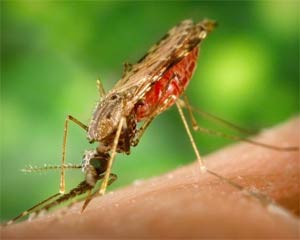
Plasmodium, which is transmitted via the bites of infected female
Anopheles mosquitoes. In the human body, the parasites multiply in the liver, and then infect red blood cells.
2. The ProblemSymptoms of malaria include fever, headache, and vomiting, and usually appear between 10 and 15 days after the mosquito bite. If not treated, malaria can quickly become life-threatening by disrupting the blood supply to vital organs. In 2010, an estimated 219 million cases of malaria occurred worldwide and 660,000 people died, most (91%) in the African Region.
3. The Proposed SolutionKey interventions to control malaria include: prompt and effective treatment with artemisinin-based combination therapies; use of insecticidal nets by people at risk; and indoor residual spraying with insecticide to control the vector mosquitoes.
Treatment of malaria depends on many factors including disease severity, the species of malaria parasite causing the infection and the part of the world in which the infection was acquired. The latter 2 characteristics help determine the probability that the organism is resistant to certain antimalarial drugs. Additional factors such as age, weight, and pregnancy status may limit the available options for malaria treatment.
 The Harry Potter way
 of writing an interesting Introduction:
“
It was nearing midnight and I could have written a wonderful Introduction tonight, but I was tired. Not because of bad dreams or pressure at work. No, I was sleepy because of a small winged, creature who snuck into my room and proceeded to offer a high pitched tone directly into my ear. When I turned on the lights to find it, it was not there. When I gave up and attempted sleep, buzzzz… or maybe zzzzinnng? I would find the perfect word, but as mentioned, I am too tired.”
Many people have had this annoying experience with mosquitoes. In fact, according to Animal Planet's
The Most Extreme, Season 3, #36: The animals with the highest human kill counts, Mosquitoes are actually the most dangerous animals in the world, killing more than two million people per year. Malaria or a disease resembling malaria has been noted for more than 4,000 years. From the Italian for “bad air,” mal’aria has probably influenced to a great extent human populations and human history.
On August 20th, 1897, Ronald Ross, a British officer in the Indian Medical Service, was the first to demonstrate that malaria parasites could be transmitted from infected patients to mosquitoes. In further work with bird malaria, Ross showed that mosquitoes could transmit malaria parasites from bird to bird. Thus, the problem of malaria transmission was solved. For his discovery, Ross was awarded the Nobel Prize in 1902. (
you carry on...)


 Aug 10 2014, 08:34 PM


 Quote
Quote

 Yup, not only me, my whole batch of lower 6-ers even feel the sheer pressure to cope with the first term that draws near, let alone that we have a MUET test in that exact same month.

 We're gonna appreciate the input.
  .
. Anyway, it seems like you rejected an offer from UM Law, and are planning to study abroad. Mind telling me which university in UK that you've opted? Your unwavering effort in STPM has granted you not only good results in your overall STPM grade, but it also gave you a golden opportunity to face more challenges in abroad.


 0.0327sec
 0.58
0.58
 6 queries
 GZIP Disabled