QUOTE(chloe_yee87 @ Aug 12 2006, 01:53 PM)
hey
i used to have severe acne last time too. i went to see a dermatologist in SS15 and he gave me Roaccutane...i ate it for almost a year, about 9months and i'm acne free...

but the medicine dries out the skin and now i'm having combination skin, oily on T-zone and dry on cheeks....
one very important reminder for those taking Roaccutane: u MUST put on sunblock. My doc never told me anything about the side effect of this medicine and after i took it for 6 months, i went to search about it in internet and i found out that this medicine will increase your photosensivity. In layman's term, it can cause brown spots and moles!
by the time i found out, it was a bit too late, i had quite a number of new moles!
but other than drying out my skin and causes mole, this medicine had no other side effect (for me)...oh, and it dries out my bank account too!

jinyee80:
where can i get cetaphil? i tried searching for it in Guardian but they doesnt have the cleanser for sensitive skin, they only have for oily skin...Go to find
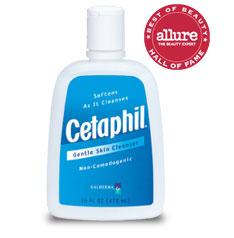
CETAPHIL GENTLE SKIN CLEANSER. It is available throughout Guardian and Vitacare.
Roaccutane is actually a toxin, which using in an appropriate dosage, it helps to
clear up the skin. However, the side effects really draw people down. Your skin tends to flake, dry, itchy and photosensitive. Apply SPF is a MUST when you are having Accutane or Roaccutane.
Dear forumers, if possible, do not go for Accutane or Roaccutane because if using it for prolong session, your kidney and etc internal organ problems.
QUOTE
It is a prescription-only drug derived from vitamin A, and which is taken orally. It essentially stops the oil production in sebaceous glands (the oil-producing structures of the skin) and literally shrinks these glands to the size of a baby's. This prevents sebum (oil) from clogging the hair follicle, mixing with dead skin cells, and rupturing the follicle wall to create an environment where a bacterium (Propionibacterium acnes) can thrive, which can result in pimples or cysts. Normal oil production resumes when treatment is completed, and the sebaceous glands slowly begin to grow larger again, but rarely as large as they were before treatment. "Because of its relatively rapid onset of action and its high efficacy with reducing more than 90% of the most severe [acne] inflammatory lesions, Accutane has a role as an effective treatment in patients with severe acne that is recalcitrant to other therapies" (Source: Journal of the American Academy of Dermatology, November 2001, Supplemental pages 188/94).
However, Accutane is controversial for many reasons, principally because of its most insidious side effect: It has been proven to cause severe birth defects in nearly 90% of the babies born to women who were pregnant while taking it. Other commonly reported, although temporary, side effects of Accutane include dry skin and lips, mild nosebleeds (your nose can get really dry for the first few days), hair loss, aches and pains, itching, rash, fragile skin, increased sensitivity to the sun, headaches, and peeling palms and hands. More serious, although much less common, side effects include severe headaches, nausea, vomiting, blurred vision, changes in mood, depression, severe stomach pain, diarrhea, decreased night vision, bowel problems, persistent dryness of eyes, calcium deposits in tendons, an increase in cholesterol levels, and yellowing of the skin.
This post has been edited by jinyee80: Aug 12 2006, 05:02 PM 


 Aug 11 2006, 11:18 AM


 Quote
Quote




 0.0148sec
 0.36
0.36
 6 queries
 GZIP Disabled