

 Dec 10 2013, 02:59 AM


QUOTE(maximR @ Dec 9 2013, 10:44 PM)
Can a statement such as 'Some men are silly' be disproved by finding an example of a man who is not silly?
Extremely difficult to disprove “some” because you have to eliminate all competing claims. And the only way we can do that is to find and show every man on Earth is not silly. 
Categorical statements that begin with “some” must be treated differently from categorical statements that begin with “all or no”. Some is often ambiguous in ordinary usage. Does it mean “a few,” “at least a few,” “at least one but not all,” “at least one and maybe all,” “at least a few but not all,” “lots,” “many”? To avoid such confusions, logicians always use some with the same consistent meaning. In logic, “some” always means “at least one.”
For example, “Some dogs are animals,” means “At least one dog is an animal” (which is true), not “At least one dog is an animal, but not all” (which is false).
QUOTE(maximR @ Dec 9 2013, 10:44 PM)
Discuss what type of statement we should have to have in order to be able to disprove it by finding a counterexample.
(1) Rebuild the structure of the argument: 
If men are humans, ... (premise)
and some human tends to be silly, ... (premise)
Then, some men are silly. ... (conclusion)
(2) The first main way to attack an argument is to challenge one of its premises. Another way is to show that the claim to be refuted implies something that is ridiculous or absurd in ways that are independent of any particular counterexample. This mode of refutation is called a reductio ad absurdum, which means a reduction to absurdity.

If dogs are humans, then some dogs are silly,
and dogs are not humans,
Therefore, dogs are not silly.
 Quote
Quote
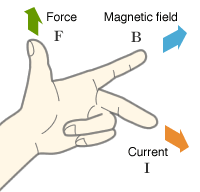

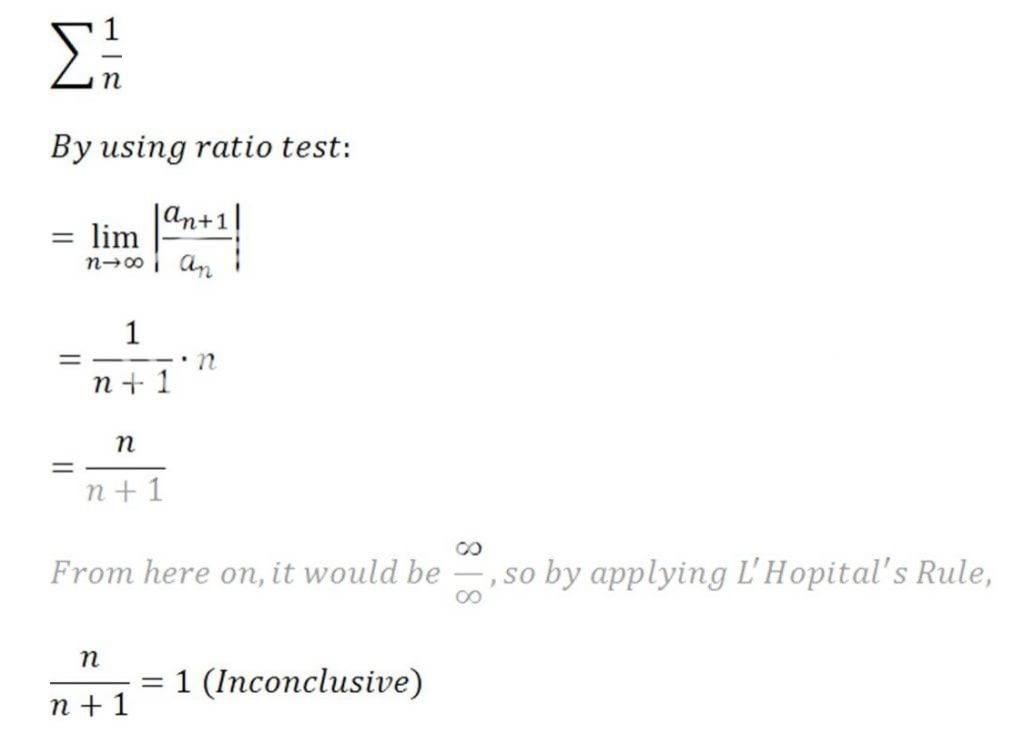
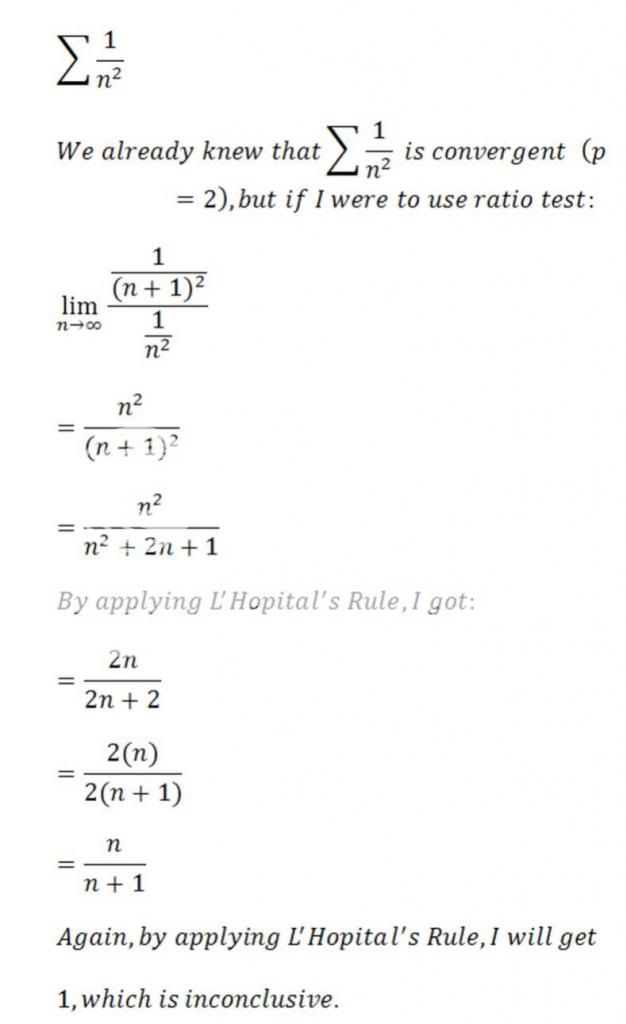
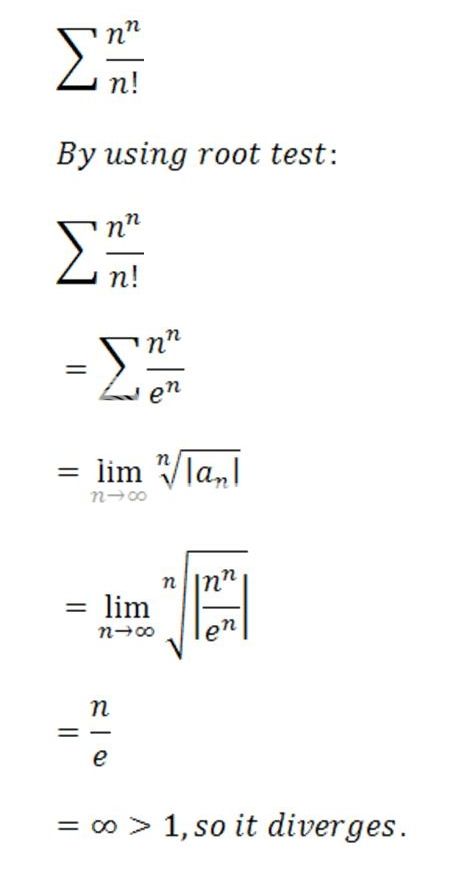

 )┌∩┐ as magnetic field B.


 I just discovered that STPM Syllabus suffers for a lack of Trigonometry. Foundation topics in Math are very important for students who are starting courses in Applied Math and Engineering Math from diverse backgrounds. Refer to Fundamental Identities,


 0.0591sec
 0.47
0.47
 7 queries
 GZIP Disabled