

 Jan 3 2014, 12:40 PM


There's nothing much for me to say at this point, but, I just wanted to inform you that I'll be off to my national service (PLKN), which is in 3 months time starting from tomorrow. So, it means that I mostly won't be online for the next 3 months.
 Anyway, I would like to thank you, for giving me ample of insights and lots of lucrative notes and tutorials concerning Math at pre-u level. At the same time, not only I was able to further deepen my insights regarding several topics/subtopics in Math T(STPM), I too was able to superficially learned a few tricks and bits of subtopics that're even out of the Form 6 Math T syllabus.
 I would also like to take this opportunity to thank v1n0d and crazywing26 for mostly supporting me and came to my aid when I was in a muddle for several occasions.
I do hope that after I'm back from PLKN in March, I'll be able to resume my Math/Physic training with fellow members in this thread. Oh, and, do expect lots of questions from me too after I'm done with my PLKN training

This post has been edited by RED-HAIR-SHANKS: Jan 3 2014, 12:45 PM
 Quote
Quote

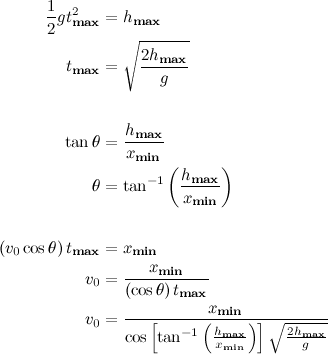
 ), both the acorn and the arrow will accelerate vertically at the same rate, which is due to gravity.

 terms cancel out, which yields the following: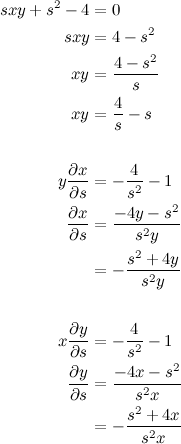




 0.0292sec
 1.09
1.09
 6 queries
 GZIP Disabled