huh...poor you....poor them....well,i will adopt ur smooth hair baby by 9th jan...please confirm where to collect her ok. a few day before 9th, confirm the place....
emino-san....where did you buy the chloroplast? please, please reply this.....huhu
Parasites, Health Hazards & DiseasesJust like any other animal, Guinea pigs do get sick too. Here are some common mistakes one will make and resulting the death of their piggies:
1. Dismissing medical signs as non-medical.
2. Waiting to see a vet.
3. Seeing a non-exotics vet or a vet doesn't know how to treat guinea pigs.
4. Accepting veterinary diagnosis/treatment without question or research.
5. Failure to get proper diagnostic procedures done.
6. Mistaking secondary signs of illness as the primary cause.
7. Mistakes with medications -- wrong medication or insufficient dosage or duration.
NOTE: Be sure your cavy is not prescribed DANGEROUS MEDICATIONS. Especially if your vet is not experienced with guinea pigs.
URI (Upper Respiratory Infections)1. Dismissing signs as allergies. The result is worsening of the illness and increased danger to the pig.
2. Neglecting to get antibiotics. Bacteria flourish and the illness progresses.
3. Wrong antibiotic. Even some exotic vets only treat cavies with Baytril. But not all bacteria are sensitive to this antibiotic.
4. Not considering a heart condition as the culprit. In cavies a heart condition may appear in the form of repeated URIs that do not respond to antibiotics.
5. Not making use of other drugs besides antibiotics. A severe URI can lead to pneumonia. In severe cases diuretics, bronchodilators, or even oxygen may be required to save the guinea pig.
Urinary Tract Problems1. Neglecting to treat signs of a stone as an urgent situation. Many guinea pigs have died from urinary blockage.
2. Dismissing squeaking while pooping or attributing this as something not related to bladder problems. It almost always is.
3. Not getting X-rays to rule out stones when bladder problems are suspected.
4. Opting for non-surgical treatments for bladder stones (such as using injections or hoping that a stone will pass). Passing a bladder stone is rare, especially for boars.
5. Not giving intensive postoperative care to guinea pigs who have had a stone removed. Swelling after surgery can cause urinary blockage. Some problems with the genitourinary tract may affect the G.I. system, causing bloat, diarrhea, or other conditions that need immediate treatment.
Not Eating1. Waiting to hand feed. Waiting even 24 hours can spell disaster for a guinea pig’s GI tract.
2. Not hand feeding often enough or at all -- if you are going to save the pig you need to give it your full effort, around the clock.
3. Not feeding appropriate supplements. Baby food and pureed vegetables lack the fiber of critical care or pellet mash. The result may be bloat.
4. Not weighing the pig. Without a scale you won't notice weight loss until it is too late.
5. Neglecting to hydrate the pig, as well as hand feed. GI stasis needs hydration to correct itself.
Hair Loss1. Dismissing parasites because they are not visible to the naked eye.
2. Treating with sprays, dips, or shampoos, instead of ivermectin or other Avermectin compounds -- the only known medication to properly treat guinea pig mites.
3. Improper dosing of Ivermectin by not giving at least 3 doses or by using inaccurate methods such as the "just a few drops" method or "toothpick" method with paste.
4. Not treating all pigs in the household, regardless of contact.
5. Relying on skin scrapings for diagnosis. They often give false negatives.
Teeth Problems1. Not getting the molars examined. Teeth problems in guinea pigs almost always originate with the molars.
2. Not using the proper tools -- Namely, buccal pad separators, to examine the molars properly.
3. Trimming the incisors but not the molars. Especially with Resco nail trimmers, a common veterinary tool but one that can do significant damage to cavy teeth.
4. No x-rays. This is a good way to miss an underlying problem in the jaw.
5. Not thinking teeth first! Often a guinea pig will waste away while even a good exotics vet looks for other causes. The resulting weight loss can be fatal.
________________________________________________________________________________________________________________________
Parasites:Guinea pigs will occasionally scratch themselves, but repeated scratching may indicate your pet has mites and/or lice, especially if accompanied by hair loss and "dandruff". The most common of these parasites will only be found on guinea pigs and are species specific, meaning they cannot be transmitted to people or other species of animal. And the most common parasite by far is the MANGE MITE. This microscopic mite causes excruciating pain. Treat promptly with ivermectin!
MangeMange is a common parasitic disease that affects the skin of guinea pigs. This parasite can cause skin irritations and hair loss in large clumps on the back of the guinea pigs. If you suspect your pet is afflicted with mange, it is best to pay a visit to your veterinarian for further examination. While mange is treatable, an illness involving hair loss could indicate further problems, either internal or external.
RingwormRingworm is a skin parasite that can cause skin irritation and hair loss around the head, neck and nose of the guinea pig. This parasite generally infects young guinea pigs and is transferable from one guinea pig to another and can be transferred from the pet to its owner. Always use caution when handling guinea pigs that you suspect may have contracted ringworm and always wash your hands before and after handling your pet. To treat ringworm, take your guinea pig to your veterinarian – ringworm is typically treated by either topical or oral medication
LiceLice is a skin parasite that lives by biting and sucking blood from the guinea pig – they are generally found attached to the hair follicles. Lice can cause sores, hair loss and severe skin irritation and itching. If you suspect your pet has lice, use caution when handling your pet as lice can be transferred from pet to human. Always wash your hands before and after handling your pet. Lice is generally treated by a medicated shampoo. Before beginning treatments, always consult with your veterinarian.
CiccodiosesCiccodioses is a liver and intestinal disease caused by a single celled parasite. Guinea Pigs typically contract this disease by consuming food or water that has been contaminated with feces. Physical response to this type of disease depends on a number of factors and can be manifest in a number of ways. Guinea pigs infected with ciccodia can experience blood in the feces and diarrhea, and become dehydrated and experience weight loss. Pet owners should seek the help of a veterinarian to treat this illness.
___________________________________________________________________________________________________________________________
DiseasesScurvy (Vitamin C Deficiency)Guinea pigs bodies do not produce vitamin C and therefore must consume an adequate supply of it from fresh fruits and vegetables and meal supplements. Vitamin C deficiency can cause scurvy, causing lethargy, weak and disfigured bone and teeth development, swollen joints, reluctance to move, and spontaneous bleeding from the gums. Guinea pigs that are experiencing these symptoms should be seen by a veterinarian. Scurvy can be reverse through diet changes or vitamin C injections. Pet owners choosing to supplement the diet with pellets loaded with vitamin C should be sure to keep the pellets in a cool, dry, dark place as vitamin C will deteriorate if left in direct sunlight or prolonged heat.
Hair LossHair loss in guinea pigs occurs at various times in the guinea pig’s life cycle. Breeding females and weaning infants may experience hairloss – over time the hair will return on its own. Additionally, as young guinea pigs mature and establish their place in the breed’s pecking order, more dominant guinea pigs may chew off the hair of the less aggressive guinea pigs in the litter. Hair can also be lost because of fungal disease and external parasite infestations.
CancerCancer is rare among guinea pigs – typically only older guinea pigs are affected. Most tumors are benign and involve the skin and respiratory tract lining. Cancer may also affect the reproductive tract, mammary glands (breasts) and blood (leukemia).
PneumoniaThe most common bacterial diseases in pet guinea pigs is Pneumonia. Pneumonia is caused by bacteria that inhabit the respiratory tracts of guinea pigs. This disease is generally caused by stress, inadequate diet, and improper care. When a guinea pig contracts pneumonia they may experience labored or rapid breathing, fluid from eyes and nostrils, laying down, rolling, a lack of desire to eat and lethargy. If you suspect your guinea pig has pneumonia, contact a veterinarian immediately as death can occur suddenly. Treatments include antibiotic injection and rest. It is important to note that the most common pneumonia causing bacteria in guinea pigs is natural flora for rabbits and rats – if rabbits and rats are kept as pets in the same home, they must be kept away from each other.
________________________________________________________________________________________________________________________
Health HazardsTaking your guinea pig to the vet is not something that is really necessary. It is a good precaution to ensure that your guinea pig will be in the best shape, but it is not required. If you do decide to take your guinea pig to the vet, pick a time each year when it would be convenient for you to go and when the guinea pig/small animal vet is available. So then you would be getting your piggie checked yearly.
Illnesses from improper nutrition:
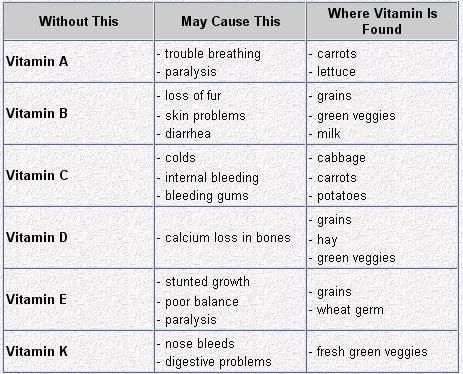 Fur / Hair Loss
FUR LOSS: A guinea pig that is losing fur probably has an inadequate diet. Guinea pigs need a variety of vitamins and minerals in their diet and if they don’t get those things, they tend to get sick. Depending on the material, deprivation could cause minor to severe illnesses. In the case of fur loss, it is only minor, for the time being. Most likely, the problem is that you are feeding your guinea pig improperly (not enough of a certain food, possibly too much of another), and the solution is quite simple… All you need to do is make a list of the veggies and fruits that you feed your guinea pig. Then, see what else you need to feed him/her; find the foods that are needed in their diet that they don't have at the moment.
BARE ANKLES: A guinea pig with bare “ankles” is quite normal. The fur, apparently, does not grow around the ankle. This is nothing to be concerned about as this is very common among guinea pigs.
Internal Illnesses- Symptoms: shortness of breath, diarrhea, fever, guinea pig is unable to move
- What you SHOULD do: take pet to vet as soon as possible
- What you SHOULD NOT do: try to cure the guinea pig on your own. This could just damage the guinea pig even more and put it in a worse situation than it is already in.
- Mostly likely treatments: of course, the veterinarian will administer some sort of medication if he/she thinks that the guinea pig has a chance of recovering. In this case, antibiotics administered through the mouth will probably be given a couple times throughout the day. Make sure you explicitly follow the instructions from the vet!
Diarrhea* Why? The most likely cause of diarrhea in a guinea pig is because it has eaten spoiled or rotten food.
* What will help? thin black tea, grated apples, hay
* Is there anything else I should do? If the diarrhea continues, take the guinea pig and sample of the guinea pigs feces to the vet to be examined. This is because there could be parasites in the guinea pigs intestines that need to be taken care of.
Colds- Symptoms: lethargic, ruffled coat, sneezing, coughing, runny nose, diarrhea
- Why? Your guinea pig probably has a cold because it was left in a draft from the air conditioning in your house or from a fan. Colds can also result from cool/cold temperatures or damp conditions (i.e. if guinea pig lived outside on wet grass, or if cage hadn't been thoroughly cleaned of urine). The infections can either be viral or bacterial.
- What you should do: take the guinea pig to a vet immediately.
- Most likely treatments: antibiotics given in the form of injections or through the mouth with small tube-like syringes.
Intestinal Parasites- Types of Parasites: tapeworms, roundworms, pinworms
- Symptoms: diarrhea, anemia, weight loss, worms or worm-like parasites in your guinea pig's feces
- What to do: take your guinea pig to a veterinarian.
- Note: parasites like these are found more in guinea pigs that are kept outdoors than those that are kept indoors.
Lice and Fleas- About LICE: Guinea pigs can get lice just like humans. It's not rare. In fact, I have had that unfortunate incident. Lice look like tiny, thin, long bugs. They don't hop or jump. They crawl around throughout the guinea pig's fur and close to the skin. They irritate the guinea pig and make it very uncomfortable. Please groom your guinea pig with a small brush or an old toothbrush every week, and check through thier fur to make sure that it doesn't have anything that's not supposed to be there.
- Symptoms: Guinea pig scratching furiously, bare spots or patches through fur, small thin yellow-white bugs crawling through fur, tiny insects that hop around on guinea pig
- Possible Treatments: flea/tick/lice spray available at pet stores, give guinea pig a bath, brush with a clean toothbrush, take to a vet.
- NOTE: Guinea pigs cannot give their lice to humans, as they each get different types. However, guinea pigs CAN give their lice to other guinea pigs, so if one of your piggies has lice, it would be best to separate him/her from the others until all of the lice is gone, to reduce the risk of transferring the lice from one guinea pig to another.
Xavi, please recommend a good vet for guinea pig. ASAP. Thanks


 Dec 31 2010, 10:46 AM


 Quote
Quote







 0.0354sec
 0.75
0.75
 6 queries
 GZIP Disabled