QUOTE(Gargamel_gibson @ May 27 2025, 01:37 AM)
The fak if I know. England banned it in bloody 1875. China food standards are just not safe enough. Same soy sauce also have local and export version, because local food standards so bad that they don't care, export version for overseas less additive
Hmm Wiki said some British physician from the 1800s theorized that it caused rickets, but doesn't seem like they proved it. Still allowed for some restricted uses as a food additive today. Apparently even China restricted its usage. Anyway, back to main question - you guys want food prices in Malaysia to go up?
https://foodadditives.net/alum/potassium-alum/QUOTE
Food
With the same function of sodium aluminum sulfate but used less than the former, it can be used as a slow-acting leavening acid in baked goods, which reacts with sodium bicarbonate to release carbon dioxide in the condition of oven heat.
It can also be used in pickling to maintain crispness of fruit and vegetables.
Europe limited the uses in food
However, the uses of aluminium sulphate (E520), aluminium sodium sulphate (E521), aluminium potassium sulphate (E522) and aluminium ammonium sulphate (E523) in food are decreasing over time in Europe due to the change in legislation coming into force in February 2014, where the applications are only in two categories: candied cherries and only egg white. (1)
China also restricted its uses
China has banned the use of aluminum compounds – acidic sodium aluminum phosphate, sodium aluminosilicate and aluminum octenyl succinate starch as food additives and aluminum-containing food additives shall not be used in the production of puffed food since July 1, 2014.
Meanwhile, potassium aluminum sulfate and ammonium aluminum sulfate are forbidden to be used in the production of wheat flour and its products (except fried noodle products, batter, breading flour, and frying powder). The alum commonly used in making steamed buns and fried dough sticks was potassium aluminum sulfate.
These two aluminum sulfates were widely used in processing food such as fried food and puffed food in China. However, excessive aluminum may enter into the human body and can cause harm to our health, such as memory loss, mental retardation, movement slowness or even neurological disorders – Alzheimer’s disease.
Japan
Japan’s Ministry of Health, Labor and Welfare (MHLW) has also limited the use of aluminum potassium sulfate and aluminum ammonium sulfate to a maximum use level of 0.1 g (as aluminum) per kg in bread, moist cakes and confections since August 27, 2018. (2)
Medicine
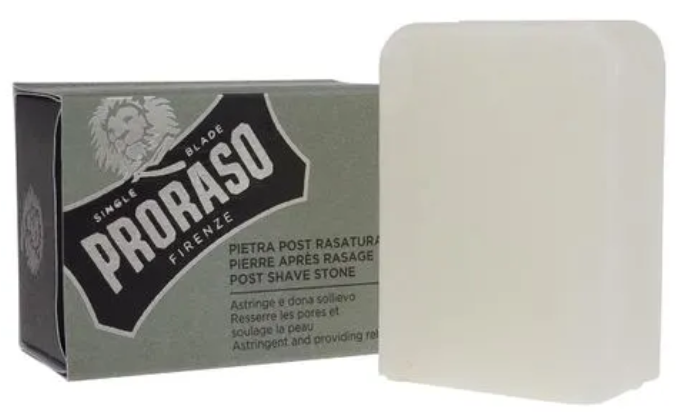
Its pharmaceutical grade has already been used for thousands of years to stop bleeding of small cuts based on its astringent, styptic, soften and healing effects. This property is also utilized in some cosmetics – natural aftershaves.
It can also be used as an antiseptic for wounds, tonsillitis and acne.
Is Potassium Alum Safe to Eat?
Yes, the safety of aluminum potassium sulfate as a food additive has been approved by authorities, such as the U.S. Food and Drug Administration (FDA), European Food Safety Authority (EFSA), UK Food Standards Agency, as well as the Joint FAO/WHO Expert Committee on Food Additives (JECFA).
What’re the possible Side Effects of Potassium Alum?
The controversy of aluminum toxicity has existed for decades. The hypothesis in the Journal of Alzheimer’s Disease pointed out in 2011 concluded that “aluminum significantly contributes to Alzheimer’s disease is built upon very solid experimental evidence and should not be dismissed.” (8)
However, no solid evidence that aluminium toxicity is associated with the increase of Alzheimer’s disease and the controversy is not resolved by the FDA.
Does China have a high rate of Alzheimer's?


 May 26 2025, 07:31 PM, updated 7 months ago


 Quote
Quote
































 0.0297sec
 0.52
0.52
 5 queries
 GZIP Disabled