Exail partners with ST Engineering for Belgian Dutch Naval Mine Countermeasure program
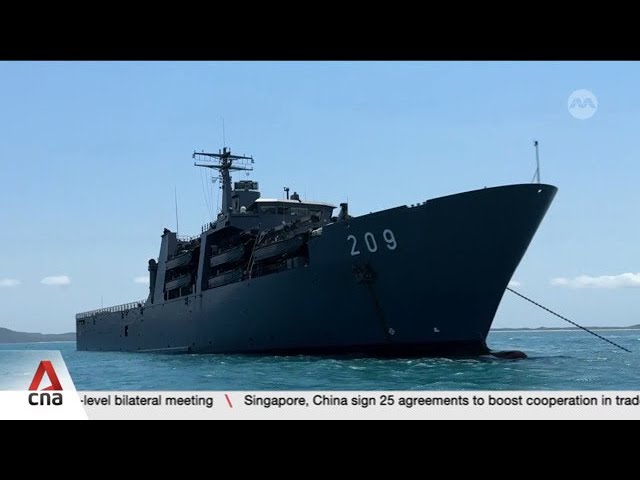
On a separate note, RSN's Bedok class Minesweepers are due to be replaced. They are the oldest ships in the fleet now that the Victory class corvettes will be replaced by the 8000+ to 10000 ton MRCV destroyers.
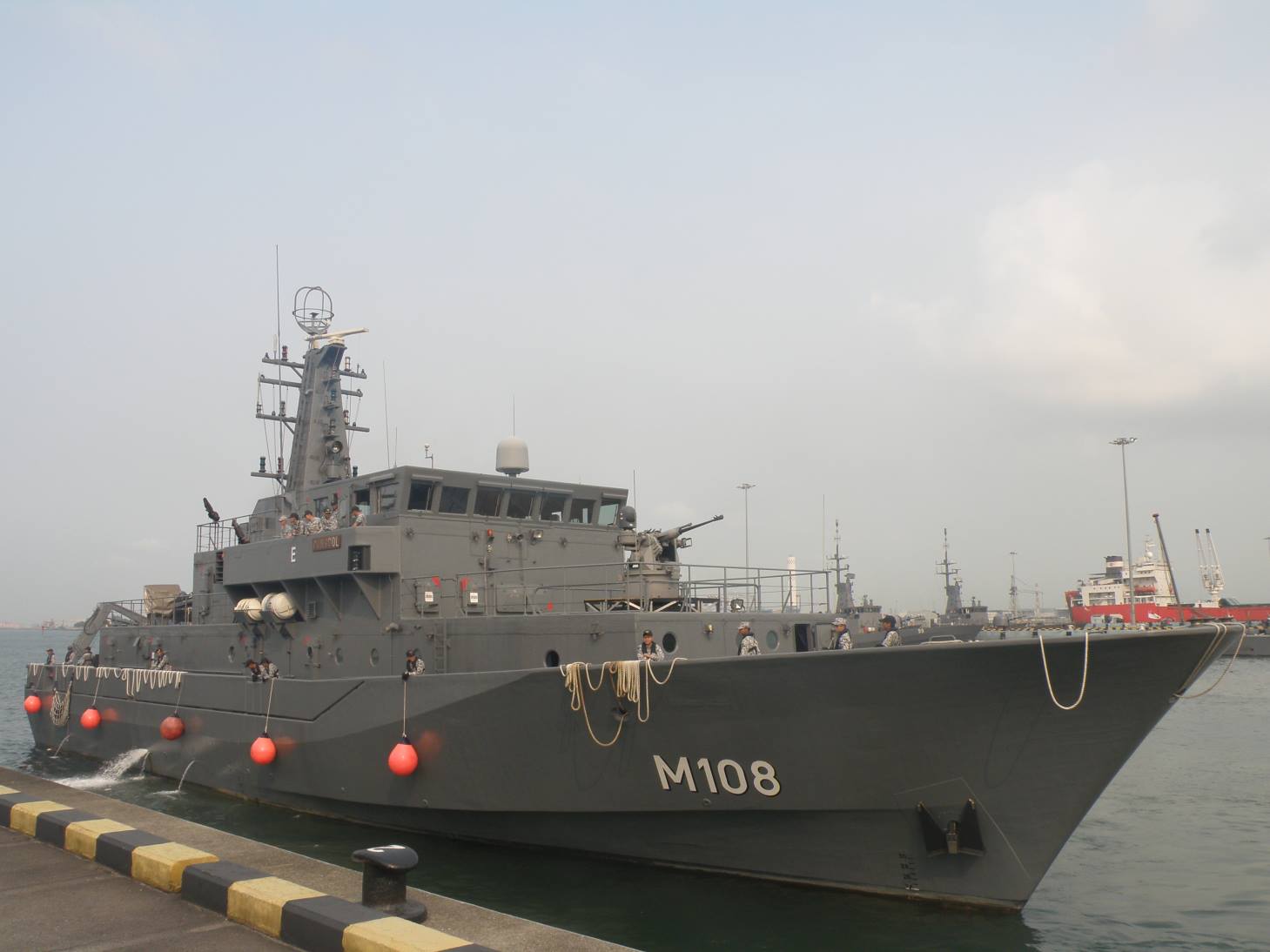
Bedok class minesweeper
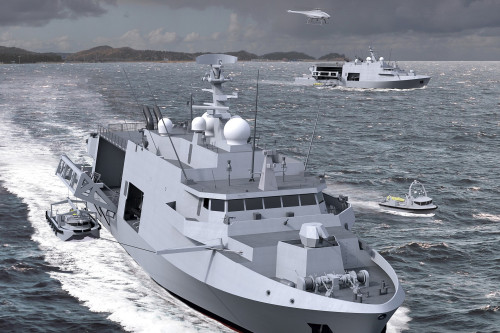
French-Belgian-Dutch next generation City class minesweeper (she weighs at about 2800 tons!) - essentially an anti-mine USV mothership (notice what RSN uses now for anti-mine operations...Unmanned Surface Vessels)
Exail partners with ST Engineering for Belgian Dutch Naval Mine Countermeasure program
On a separate note, RSN's Bedok class Minesweepers are due to be replaced. They are the oldest ships in the fleet now that the Victory class corvettes will be replaced by the 8000+ to 10000 ton MRCV destroyers.
Bedok class minesweeper
French-Belgian-Dutch next generation City class minesweeper (she weighs at about 2800 tons!) - essentially an anti-mine USV mothership (notice what RSN uses now for anti-mine operations...Unmanned Surface Vessels)
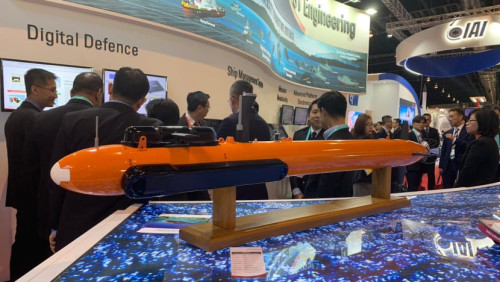
Or RSNs UUVs which will be operated from RSN ships and submarines?
These unmanned systems will also be operarated from the home islands of course. Sg is basically throwing a fleet of air, surface and undersea robots to detect and destroy first and/or grind down opposing forces before its own "big guns" e.g. MRCV, Invincibles. Formidables. etc. get into the fight.
This post has been edited by Mai189: Nov 18 2024, 10:47 AM
RSN is equipping its ships with the latest Safran Paseo optics to deal with asymmetric threats.
QUOTE
Safran Electronics & Defense has been selected by Singapore’s Defence Science and Technology Agency (DSTA) to outfit the country’s naval vessels. The contracts signed to date concern the supply of Electro-Optical (EO) observation systems and processing units for Gun Fire Control Systems (GFCS).
The Singapore Navy’s new Multi Role Combat Vessels (MRCV) and Offshore Patrol Vessels (OPV) will be fitted with the state-of-the-art EO optronic sight and the new generation GFCS. The EO comprises high-definition sensors and a multispectral telescope, for long-range identification of targets day or night and under poor visibility conditions. The GFCS is a smart Command and Control (C2) system that processes information from various shipborne sensors to control the ship’s weapon systems.
As part of the modernization of the Singapore Navy’s Formidable-Class Frigates, the new generation GFCS product line was also contracted.
“These contracts reflect DSTA's trust in our products," said Alexandre Ziegler, Executive VP, Defense GBU of Safran Electronics & Defense. “By choosing our solutions, the Singapore navy is giving its fleet the latest observation and engagement technologies.”
Common knowledge that China Coast Guard has been trying to stop Indonesia oil and gas development in Indonesia EEZ (who china claim overlap with their 9 dash line LOL)
Possibly joint deterrence..
It increases the possible stake for all parties in case of a real conflict.
This post has been edited by Mai189: Nov 18 2024, 11:53 AM
Exail partners with ST Engineering for Belgian Dutch Naval Mine Countermeasure program
On a separate note, RSN's Bedok class Minesweepers are due to be replaced. They are the oldest ships in the fleet now that the Victory class corvettes will be replaced by the 8000+ to 10000 ton MRCV destroyers.
Bedok class minesweeper
French-Belgian-Dutch next generation City class minesweeper (she weighs at about 2800 tons!) - essentially an anti-mine USV mothership (notice what RSN uses now for anti-mine operations...Unmanned Surface Vessels)
So what ship will RSN get to replace the venerable Bedok class minesweeper?
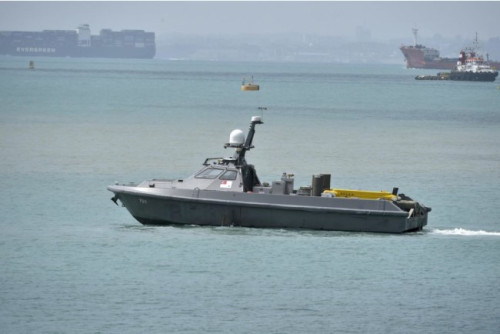
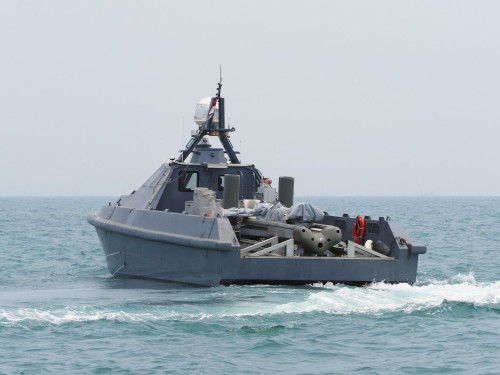
RSNs Venus anti-mine USVs:
Aside: I miss the significance of this contract in that it is a first for a South East Asian defence company to be engaged by NATO countries (France, Belgium and Holland) on such high end naval systems.
It speaks volumes on ST Engineerings expertise. Too bad they have to focus on Sgs defence needs first.
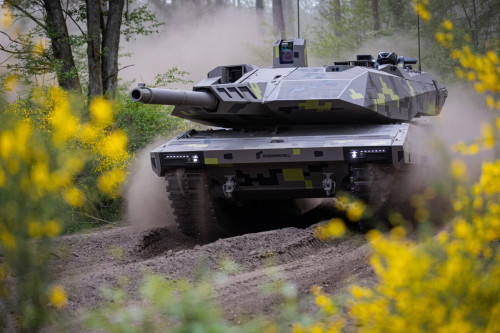
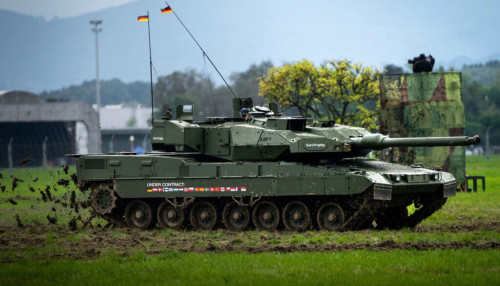
Possible equipment involved could include upgrade of the leo2sg to the leo2A8 standard (note: Sgs old Amx 13 tanks were upgraded at least twice), development and purchase of a future Panther MBT, Type 212cd submarines (Type 219Sg ), etc.
Panther KF51 MBT
Type 212CD submarine
Leopard 2A8 MBT
This post has been edited by Mai189: Nov 19 2024, 02:44 PM
can study the weakness. and also use it in other areas like Papua so can free up resources for North Natuna Sea.
It is more about commonality, jointedness and security of overarching systems even if this is an older 6000+ to 7000t ton frigate (classified as a destroyer for anti air defence).
Your logistics train will be cumbersome or unreliable. Your systems cannot be integrated at a systemic level. And you really should not be using a weapon or sensors they(chinese) produce against them. Read up on how the French can disable Exocets during the Falkland war. The US had also recently banned some Chinese systems because the latter were sending info to China at the back-end.
At any rate, this is another Indo "we want to buy" news. Wait and see if there is an "effective" contract, if ever.
This post has been edited by Mai189: Nov 20 2024, 12:31 PM
Saab and Singapore’s Defence Science and Technology Agency (DSTA) have signed an expanded Memorandum of Understanding (MoU) to deepen collaboration on the exploration of underwater technologies
QUOTE
The agreement was signed 20 November at the Sweden – Singapore Royal Business Forum in connection with the first Swedish state visit to Singapore.
The expanded MoU builds upon a previous agreement signed in 2023, which focused on long-term supportability, people development, and smart technologies.
With the updated scope, DSTA and Saab will jointly explore cutting-edge underwater solutions aimed at building and safeguarding capabilities for enhanced maritime security and resilience. The parties will conduct joint studies of operational concepts and emerging technologies.
“This expanded MoU builds upon the fruitful cooperation between Saab and DSTA in the naval domain and reflects our shared commitment to underwater technology innovation. Together, we will leverage our expertise to strengthen maritime security," said Anders Carp, Saab's Deputy CEO.
“Collaborating with an industry leader like Saab enables DSTA to push the boundaries of what’s possible in underwater defence technology. Through this expanded MoU, we will build on our existing partnership to co-develop advanced solutions that not only meet evolving security demands but also position Singapore at the forefront of maritime resilience and innovation,” said Roy Chan, Deputy Chief Executive (Operations) DSTA.
French German Railgun Reaches Hypersonic Speeds A New Era of Defense.
QUOTE
According to information published by Opex360 on November 3, 2024, the French Navy is set to unveil its new electromagnetic railgun, capable of launching projectiles at speeds reaching Mach 8.7. This innovation, led by the French-German Research Institute of Saint-Louis (ISL) under the Defense Innovation Agency (AID) represents a groundbreaking shift in naval weaponry.
Other nations, however, have continued exploring the EMRG’s potential. China, for instance, reportedly tested a railgun from its amphibious assault ship Haiyang Shan, though these claims remain unverified. Japan has also joined the race, with its Ministry of Defense’s Acquisition, Technology, and Logistics Agency (ATLA) achieving a first successful test in October 2023, firing a 40 mm projectile at Mach 6.5 with a 5-megajoule railgun.
Europe, recognizing the strategic advantages of EMRG technology, has pursued joint projects to bolster its defense capabilities. The European Union tasked the ISL with coordinating the PILUM project (Projectiles for Increased Long-range Effects Using Electromagnetic Railgun), which successfully demonstrated the potential for long-range, high-precision projectile launches over several hundred kilometers. The project’s success led to the establishment of the THEMA (Technology for Electro-Magnetic Artillery) program in June 2023, funded by a €15 million grant from the European Defense Fund (EDF).
In a recent move to accelerate development, Japan entered a partnership with France and Germany, signing a Terms of Reference (TOR) agreement. This partnership paves the way for collaboration between Japan’s ATLA and the ISL, aiming to advance electromagnetic weapons technology across borders.
The French General Directorate for Armament (DGA) has initiated an ambitious program to develop an electromagnetic railgun for the French Navy, known as the RAILGUN project. This project aims to strengthen the Navy's capabilities against evolving maritime threats, particularly hypersonic and saturation attacks. Leveraging electromagnetic energy to propel projectiles at extreme velocities, the railgun is designed for high precision over extended distances, with a reported range exceeding 200 kilometers. This impressive range, coupled with the railgun’s reduced projectile flight times, provides distinct advantages in defensive operations, especially in intercepting fast-moving aerial threats.
As detailed by AID (Agence de l'Innovation de Défense), the RAILGUN system is set to bring notable advancements to French naval warfare. Positioned on a vessel's bow, the system would maximize anti-air efficacy by decreasing engagement times and allowing for rapid, high-velocity impacts that increase the likelihood of neutralizing incoming threats. Additionally, since railgun technology eliminates the need for conventional explosive propellants, it can reduce space requirements for ammunition storage on board, enabling vessels to carry more rounds and potentially reduce resupply needs.
ISL, for its part, confirmed that the railgun presented at Euronaval can accelerate projectiles to 3,000 meters per second – equivalent to 10,800 km/h or Mach 8.7. Given that speeds above Mach 5 qualify as hypersonic, this weapon stands as a formidable advancement in naval defense technology.
The mechanics of an electromagnetic railgun involve creating a magnetic field between two conductive rails through a high-intensity electric current. This field accelerates the projectile, itself a conductor, via the Lorentz force. However, achieving such extreme velocities presents significant challenges. The materials used must withstand intense mechanical stress, and the system requires an immense energy source capable of instantaneous release.
As the French Navy moves forward with the RAILGUN project, the electromagnetic railgun could revolutionize naval artillery, setting a new standard in range, speed, and firepower.
Successful test of new Aster 30 Blk 1 NT (New Technology) missile
QUOTE
MBDA achieved a milestone in European air defence capabilities with the first successful firing of Aster B1 NT (New Technology) at Biscarrosse DGA essais de Missiles on 8th October 2024.
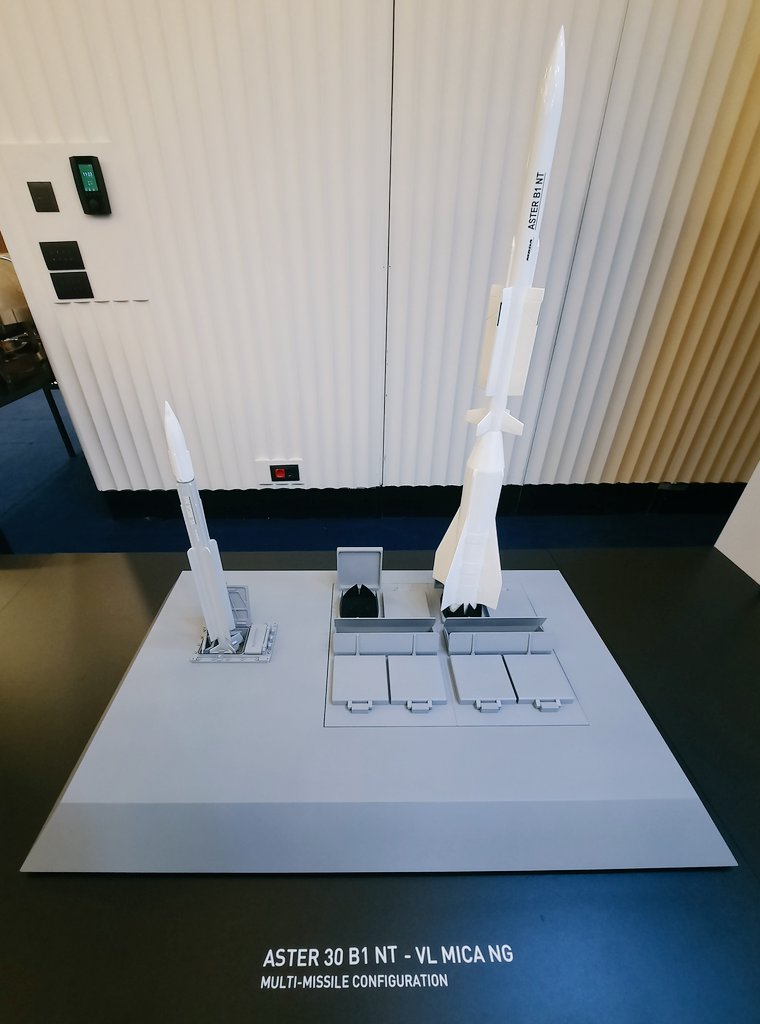
The Aster 30 Blk 1 NT is expected to be carried by Sg RSN's MRCV destroyers and mid-life upgraded Formidable class (currently she is equipped with Aster 30 Blk 1 and Aster 15) and VL MICA NG for anti-air defence. The rest of RSN ships are expected to be equipped with VL MICA NG.
^ MBDA new naval multi missile configuration set-up with Sylver vls launcher with Aster 30 Blk 1 NT and VL MICA NG. It is compact - hence more missiles can be carried.
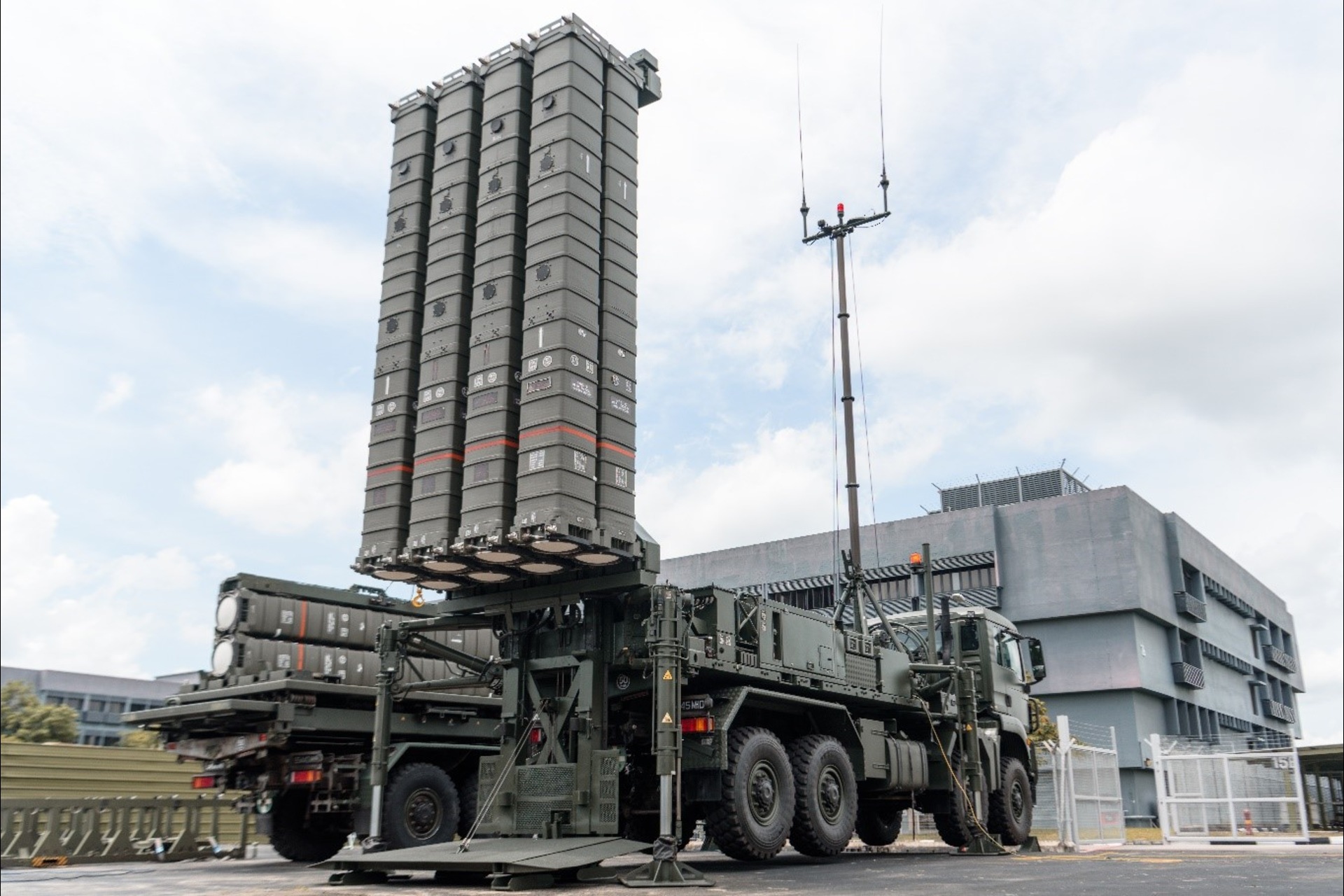
SG's integrated and layered Island Air Defence is currently using the land based Aster 30 Blk 1 missiles apart from other air defence systems. These Aster 30 Blk 1missiles are expected to be replaced or used in concert with the Blk 1 NT versions.
^Land based Sg's Aster 30 Blk 1 system (the new Aster 30 Blk1 NT missiles will fit into the current launchers)
Variants:
QUOTE
Variants Aster 15: Short to medium range surface-to-air missile Aster 15 EC : New version of the Aster 15 with twice the range (60+ km); under development as of 2023 and expected to be introduced in 2030 Aster 30 Block 0: Medium to long range surface-to-air missile. It can pull manoeuvres in excess of 50g. Aster 30 Block 1: Medium to long range surface-to-air missile. Variant with anti-ballistic missile capability; tailored to counter 600 km (370 mi)-class short-range ballistic missiles. Aster 30 Block 1NT: Medium to long range surface-to-air missile. NT standing for "New Technology", it is a new variant of the Aster 30 designed to counter short and 1,500 km (930 mi)-class medium-range ballistic missiles. Aster 30 Block 2 BMD – Anti-ballistic missile under development and intended to counter up to 3,000 km (1,900 mi)-class ballistic and maneuvering missiles.
QUOTE
Engine Solid propellant, two-stage motor[1] Operational range Aster 15: >30 km Aster 30 Block 0 & 1: >120 km Aster 30 Block 1 NT: >150 km Flight altitude Aster 15: 13 km Aster 30 Block 0 & 1: 20 km Aster 30 Block 1NT: 25 km class
Source: wiki
This post has been edited by Mai189: Nov 21 2024, 08:48 PM
Deswai it is now impt for militaries to get c uas systems.
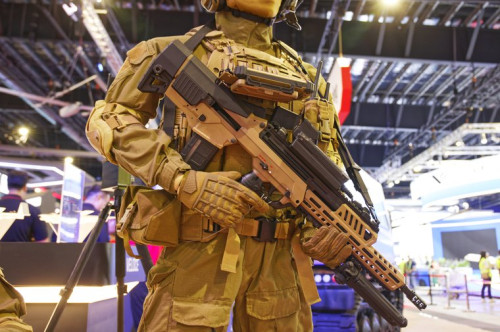
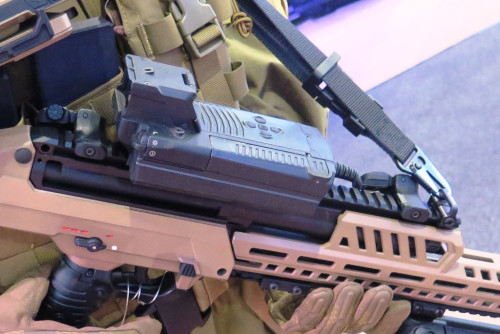
The only country in South East Asia with a holistic c uas system is Sg which uses drone dome and Smash 3000 sharpshooter sights (against infantry and uas).
Sg has integrated Smash sights into its SAR 21 rifles replacement or incoming next generation rifle:
This post has been edited by Mai189: Nov 22 2024, 10:09 PM
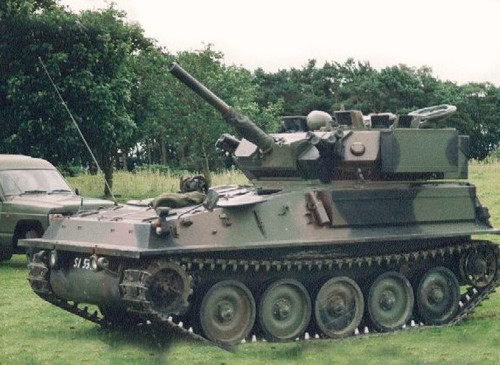
The P8 Light Tank project is the result of PT SSE's research which has a weight of about 7.5 tons so that it can be easily transported by C-130 Hercules aircraft
The "light tank" weighs 7.2 tons.... The US bradley, an IFV, weighs at about 30 tons.
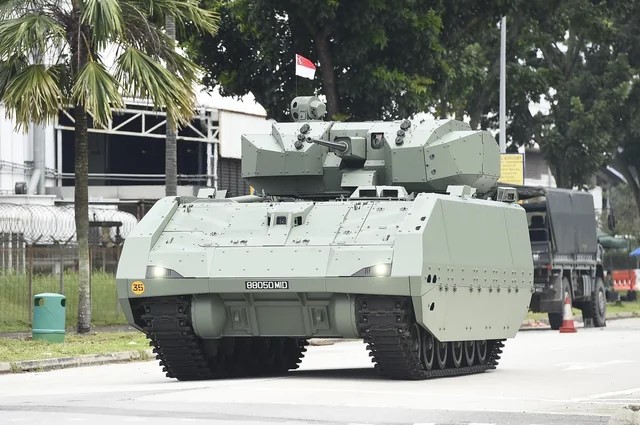
SG's Hunter AFV with its missile equipped Elbit Sampson turret (design meant for equipping of Trophy APS as needed) is rated at about 35 tons (will weigh more when more armour panels or systems are added):
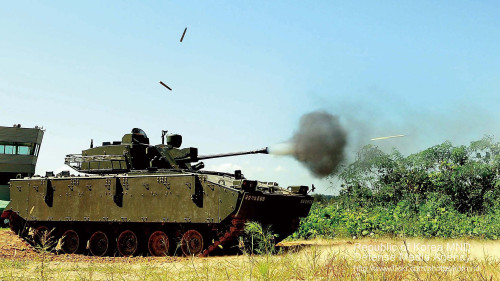
The South Korean K21 IFV weighs in at about 25 to 28 tons:
The Australian AS21 Redback weighs in at about 35 tons and go up to 42 tons with more armour plates or systems added.
This post has been edited by Mai189: Nov 24 2024, 03:37 PM
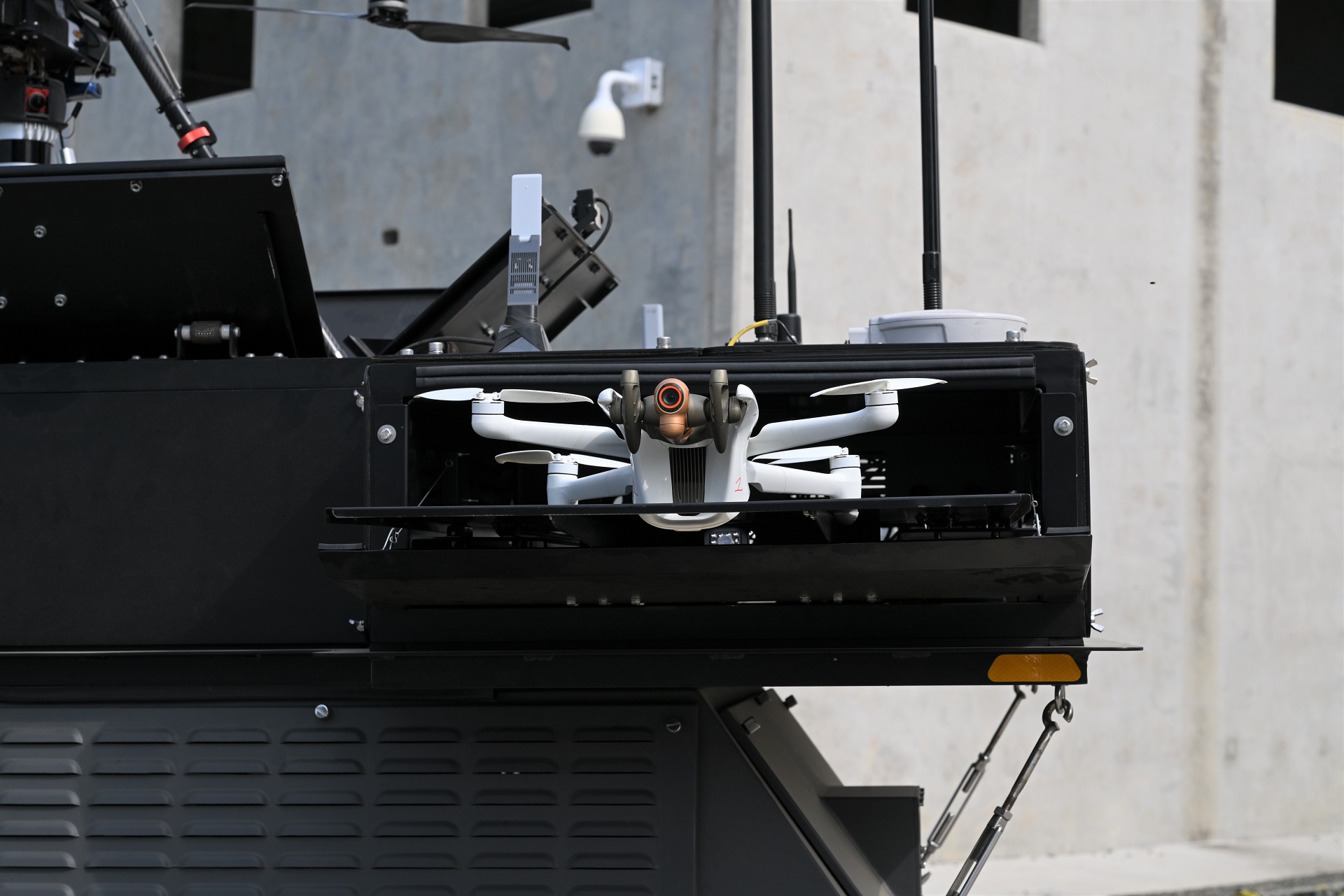
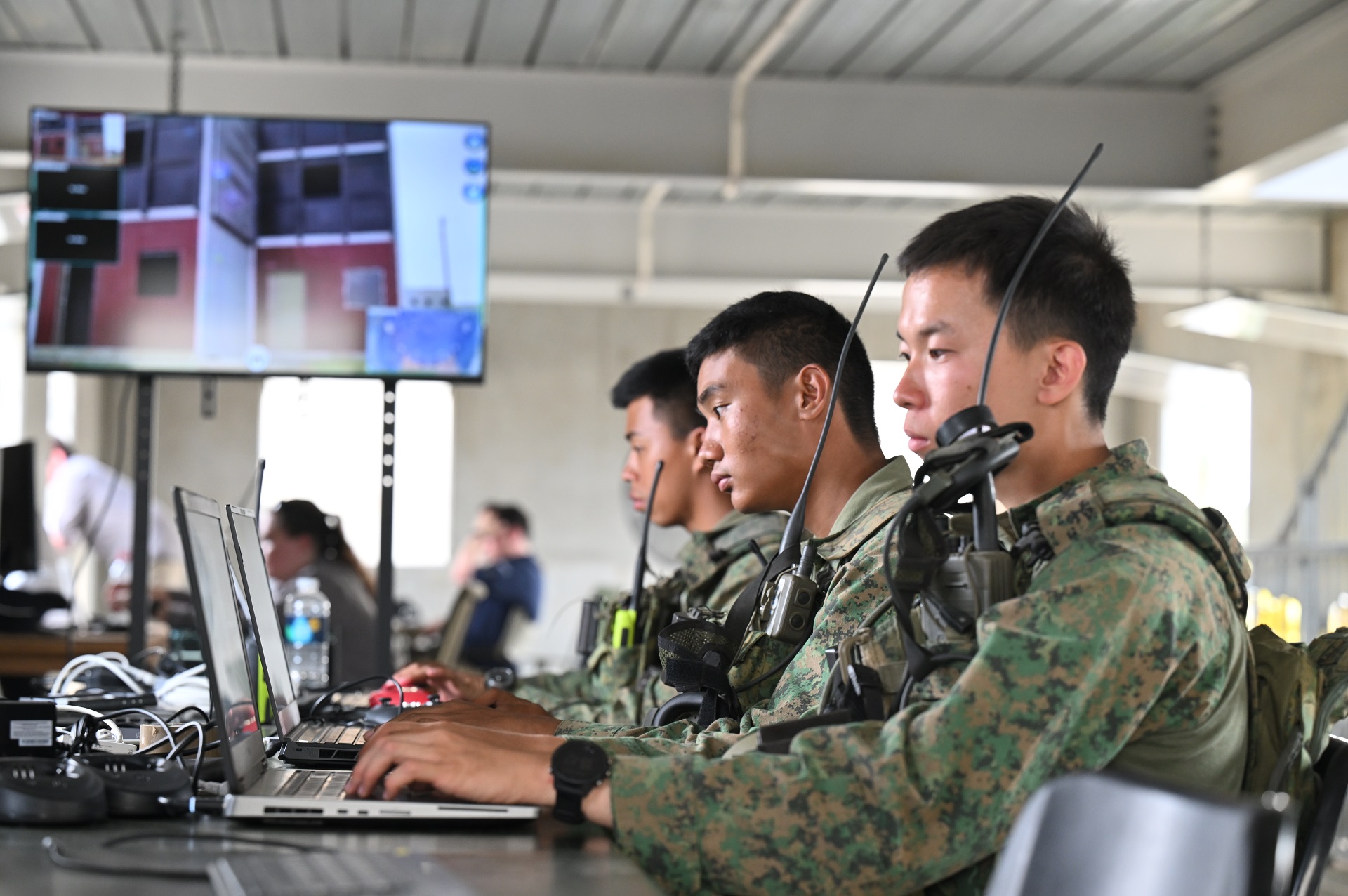
Sg has clearly operationalized these concepts to the extent that Sg can collaborate with a like-minded nation such as Australia. Quite impressive if you care to think deeper on the battlefield tactical applications.
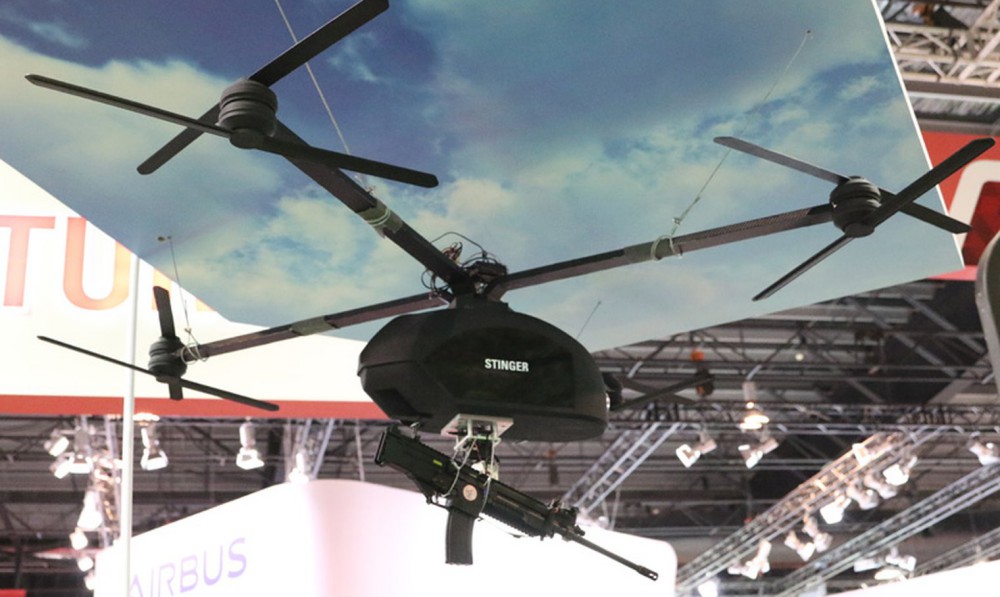
Sg's Stinger compact UCAV model at a defence-show several years ago:
Note: Sg has been collaborating with Smash-Shooter systems in using their advance high-tech fire-control system optics e.g. Smash 3000 for standard weaponry like rifles. These systems will turn a standard infantryman into a sharpshooter with the ability to even down UAS or UAV systems.
The fire control system can also be integrated with UAS/UAV systems for precision one-shot-one-kill hits:
This post has been edited by Mai189: Nov 24 2024, 03:59 PM
Sg has clearly operationalized these concepts to the extent that Sg can collaborate with a like-minded nation such as Australia. Quite impressive if you care to think deeper on the battlefield tactical applications.
Sg's Stinger compact UCAV model at a defence-show several years ago:
Note: Sg has been collaborating with Smash-Shooter systems in using their advance high-tech fire-control system optics e.g. Smash 3000 for standard weaponry like rifles. These systems will turn a standard infantryman into a sharpshooter with the ability to even down UAS or UAV systems.
The fire control system can also be integrated with UAS/UAV systems for precision one-shot-one-kill hits:
Yet another application for the Smash fire control system which is in used by Singapore:
This post has been edited by Mai189: Nov 26 2024, 08:57 AM


 Nov 17 2024, 08:59 PM



 Quote
Quote







 0.0850sec
 0.21
0.21
 7 queries
 GZIP Disabled