The Star
http://thestar.com.my/news/story.asp?file=...2609&sec=nationWednesday August 31, 2011
Doc: Papaya leaves can cure dengueKUALA LUMPUR: Papaya leaves and pegaga (centella asiatica) juice are a possible cure for dengue fever, a recent study revealed.
It has been reported that many people consume papaya leaves or pegaga juice to increase their platelet count after they contract dengue fever.
A recent study, conducted by a group of researchers from local and foreign universities, indicated that the powder from papaya leaves has substances responsible for the release and/or production of thrombocytes (platelets).
The study was initiated and led by Dr S. Kathiresan of AIMST University.
Dr Kathiresan said the leaves of papaya fruit were high in complex vitamins that might help bone marrow to rapidly increase blood platelet production.
“Dengue fever continues to be a major health threat to Malaysia after its first reported outbreak in 1902.
“The dengue virus’ main effect is on platelet production. Normally, a platelet in our body lasts for about five to 10 days and the body replenishes them when required,” he told Bernama.
“This virus destroys the body’s capacity to produce new platelets (during the period the virus is effective). The platelet count for a normal person varies from 150,000 to 250,000 per micro litre of blood. On becoming infected, a patient’s platelet count starts falling.
“A platelet count below 100,000 per microlitre is alarming – immediate medical attention is required. A platelet count below 50,000 can be fatal,” he added.
A fall in the platelet count prevents formation of clots and this leads to haemorrhaging, which results in both internal and external bleeding.
Once such bleeding starts, the situation is almost irreversible, he said.
Dr Kathiresan noted that interest in the papaya began with a simple experiment with papaya leaves which were ground and administered to mice.
The platelet counts before, and 72 hours after dosing, revealed they were significantly higher.
The six-month study, titled Thrombocyte counts in mice after the administration of papaya leaf suspension, published in October 2009, was funded by AIMST University and Universiti Sains Malaysia.
Dr Kathiresan was assisted in the study by Dr Surash Ramanathan, Dr Sharif M. Mansor and Dr Mas Rosemal M.H. Haris of Universiti Sains Malaysia, Penang, and Walther H. Wernsdorfer of Medical University of Vienna, Austria. — Bernama
Added on August 31, 2011, 9:27 amQUOTE(Michael J. @ Aug 30 2011, 05:11 PM)
Mr Farmer:
Erm... Don't want to burst any bubbles, but maybe it would be good if I explained some of those terms used.
hm2 is known as square hectometer, otherwise known as hectare. So 1 hectometer is equivalent to 1 hectare. And 1 hectare (ha) is about equivalent to 2.5 acres (ac). 1 metric ton is about 1000kg.
The Chinese website noted their hybrid produces about 4000kg/hm2 to 6000kg/hm2, which means their crop produces about 4 metric tons to 6 metric tons per hectare, or about 1.6 tons per acre to 2.4 tons per acre.
As for the figures from India, like I noted, India has perennial drought issues, so it does affect yield. But very similar figures are also reported from less drought prone areas in US, Brazil etc. Ok lar, we could assume that those guys are not using the latest hybrid seeds, but even among plant breeders, we know that heterosis (which causes the incremental improvement in plant productivity) from hybridization only achieves about 30%-40% improvement maximum per breeding cycle, so 1.6 metric tons per acre is about right lor. And again, assuming one can manage the cropping within 120 days, then 365 days a year, it is possible to plant 3 crops, and get about 4.8 metric tons per acre. Still far below the 8 tons claimed by our friends. Even at the very highest potential of 2.4 metric tons per acre (which in plantation science is impossible to max out the full potential of any crop species), then you might arguably get 7.2 metric tons in one year.
I am not saying it is completely impossible to attain 8 tons per acre, but I would imagine with current breeds, it will take another 3-5 breeding cycles to reach that level of productivity. And I would like to caution any farmer when dealing with any seed salesman that quotes only potential figures, because potential crop production is usually tested out in controlled environments where things like drought, pest, diseases, poor management skills etc. are well managed and not a major problem, where in a real farm setting, a lot of things can go wrong, so always ask for real production figures endorse by actual farmers. Just for comparison sake, the potential oil productivity of oil palm is 14 metric tons of crude palm oil per hectare (as quoted by world's best oil palm scientists Dr. C.W.S Hartley and Dr. H. Corley), but do we hear such things even in the very best oil palm plantations in the world? No right? The very best I know of is about 10 metric tons per hectare.
As for the farm at Batu Gajah, their yield is consistent with global figures at 730kg per harvest (120 days I assume?). But I would like to clarify that more branches and more seeds does not mean more yield per se. Just like management of fruit trees in orchards, why do growers prune off extra flowers and fruit? More flowers mean more fruit mar? More fruit mean more yield mar? Right? As it turns out, not true. More flowers mean more competition for nutrients, more competition for nutrients mean smaller fruits. So the "qualitative" aspect drops although the "quantitative" aspect increases. At the end of the day, the grower has to decide if he/she want to sell less crop but all AAA grades, or more crops but mostly C grades.
Thank you Micheal.
I agree that most of the Chinese website do over claim due to the non regulation. From the data gathered, aiming for 8 tons/acre/year form a new farm with no experience in Castor might not be do able.
From the result on the Bt Gajah farm, 1st yield 730 kg for 1st harvest, I think it's not feasible to plant this as a main crop. More data needed. Shall try to find more data.
I totally agreed with the "qualitative", as with my sweet corn. The 1st planting, we got uneven harvest, was thinking that we would get more yield with 3 corns per plant. Was thinking that the quantity (in volume, big & small) would bring up the yield (in $). It did not turn out well. As lots of the corn did not developed fully. Lesson learned. Now with my 2nd planting (back to doing trial, very small plot), we had just harvested the lower corn as vegetable (baby corn). As it was a small plot, these headed for our cooking pots. Shall be accessing the value of baby corn versus sweet corn. Leaving some with 1 and 2 corns, we shall see the results in a couple of weeks. Sorry, another story.
This post has been edited by MrFarmer: Aug 31 2011, 09:27 AM 

 Aug 25 2011, 07:40 AM


 Quote
Quote



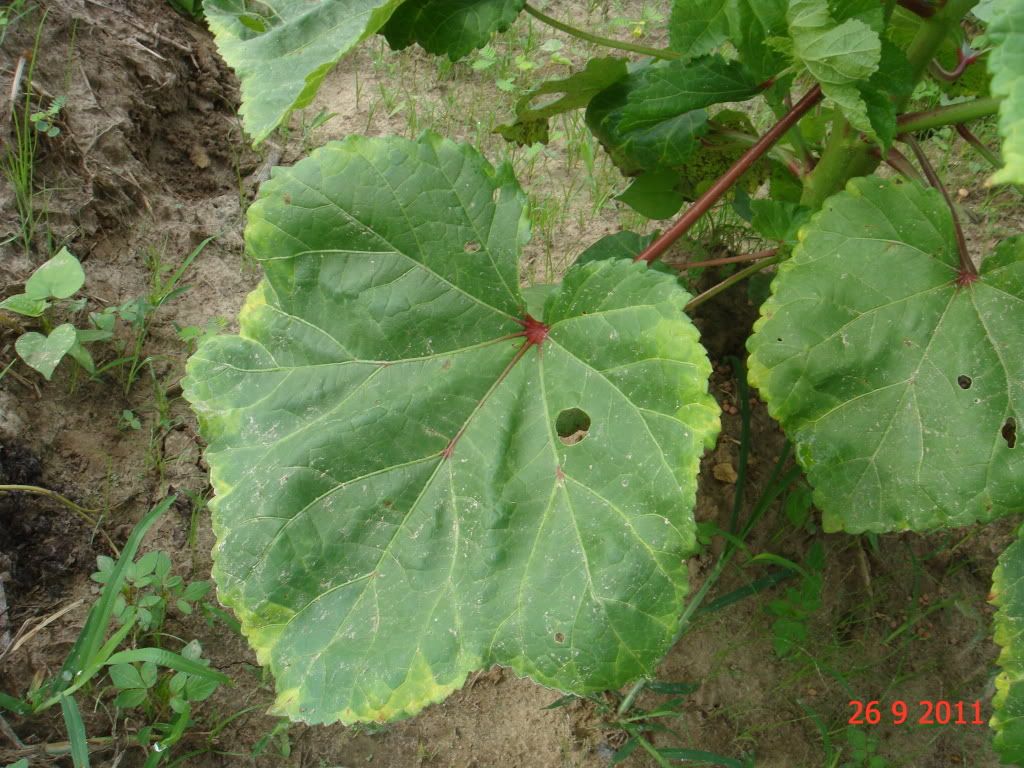
 The abandoning of tobacco was due to the closure of all the buying agent. Heard that our government was no longer promoting it ans some incentives were removed. Those outfits moved to Indonesia.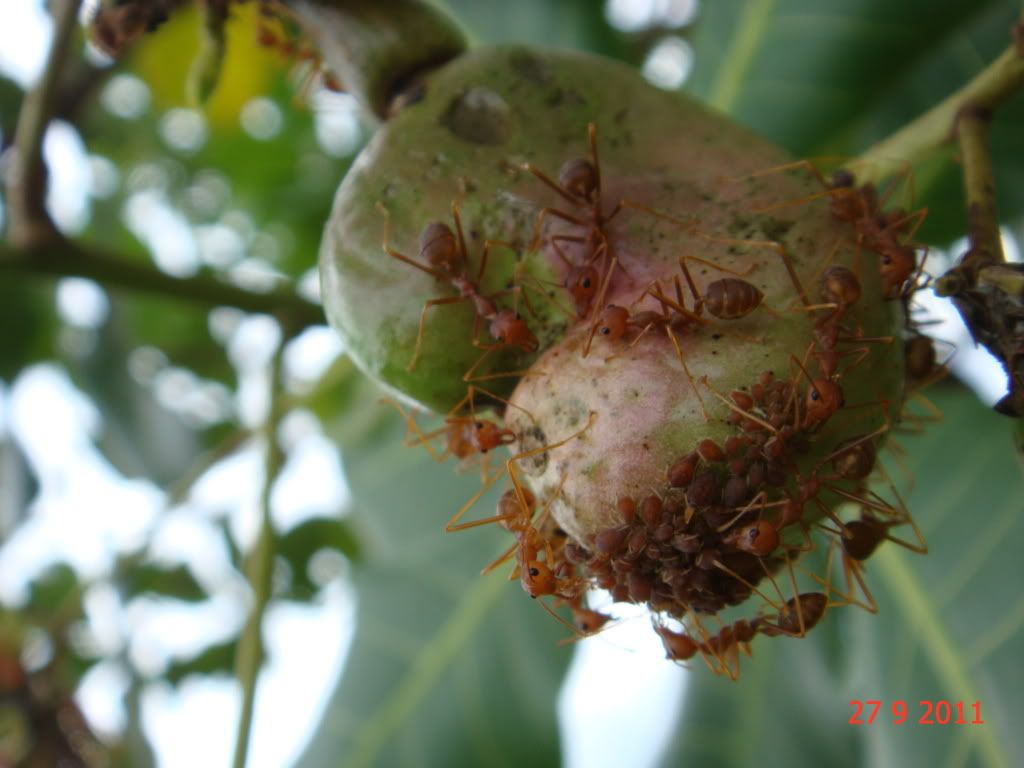
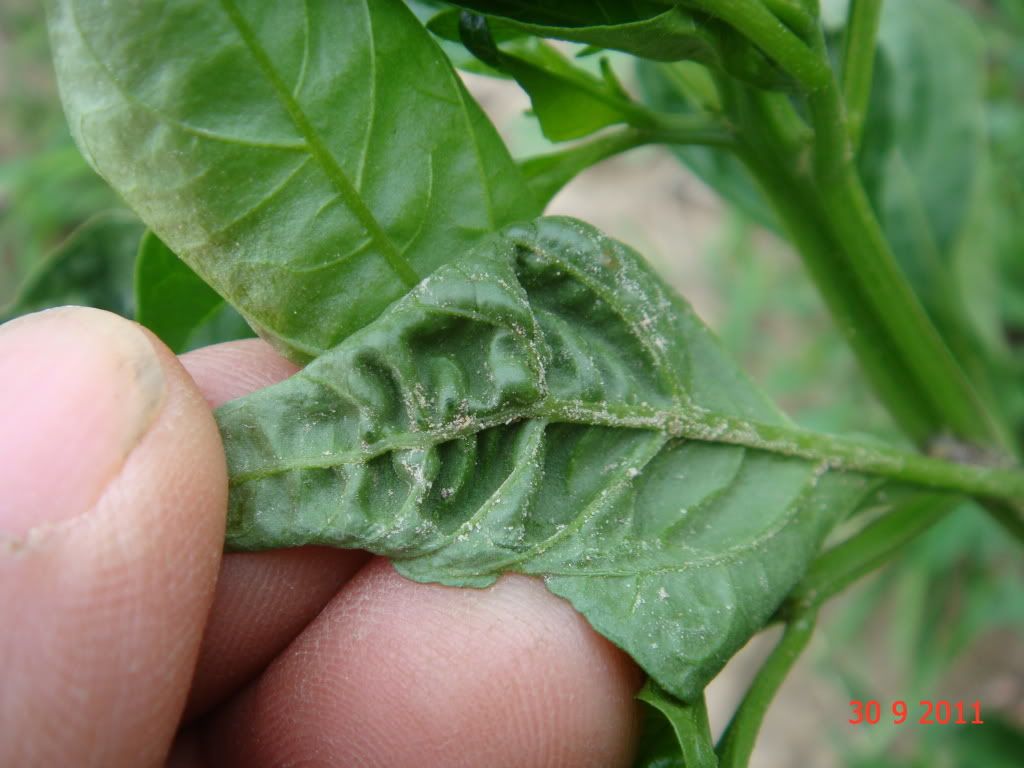
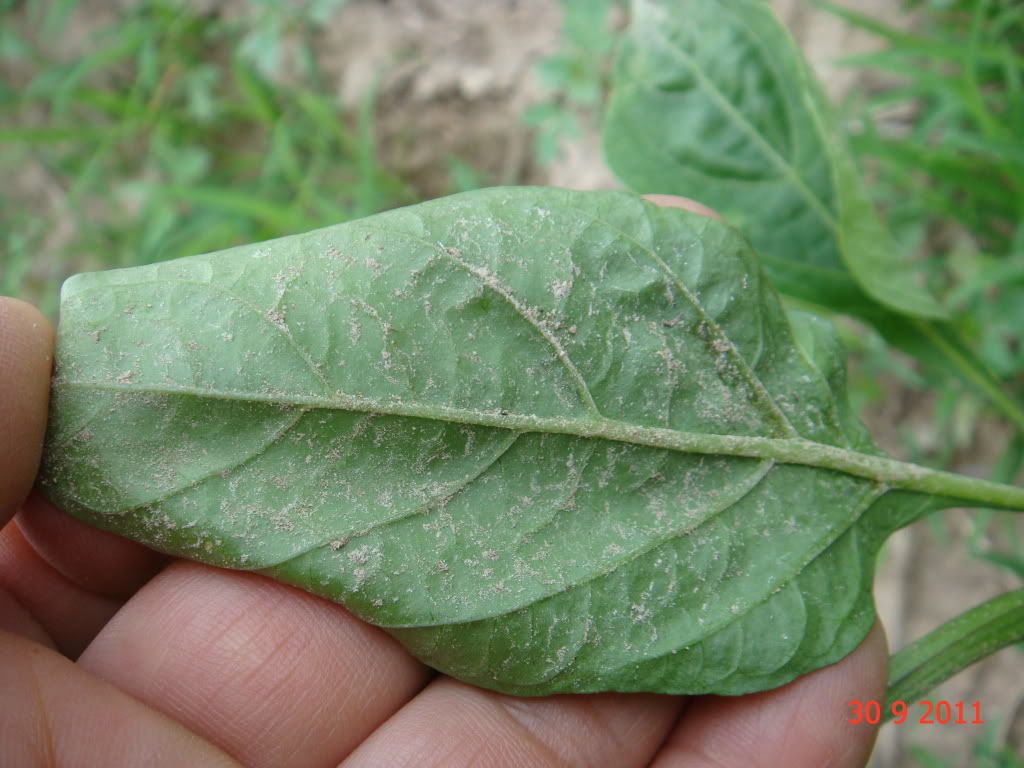

 Anyway, had stopped seedling chillies, plant whatever that had germinated, until we sort this out.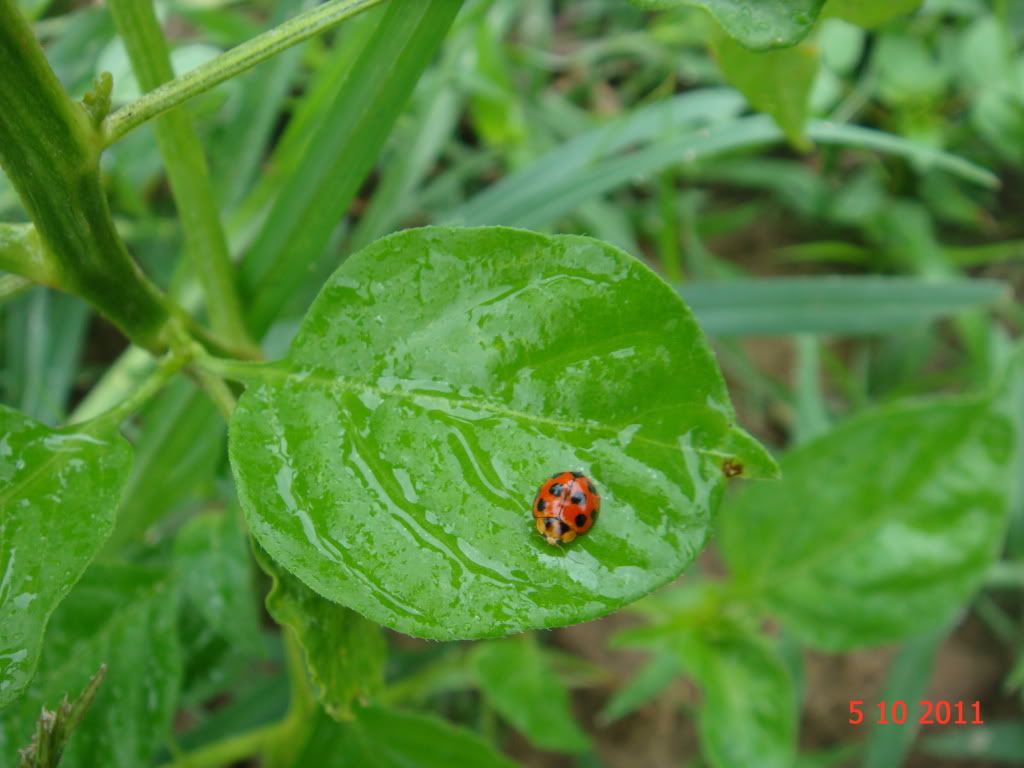


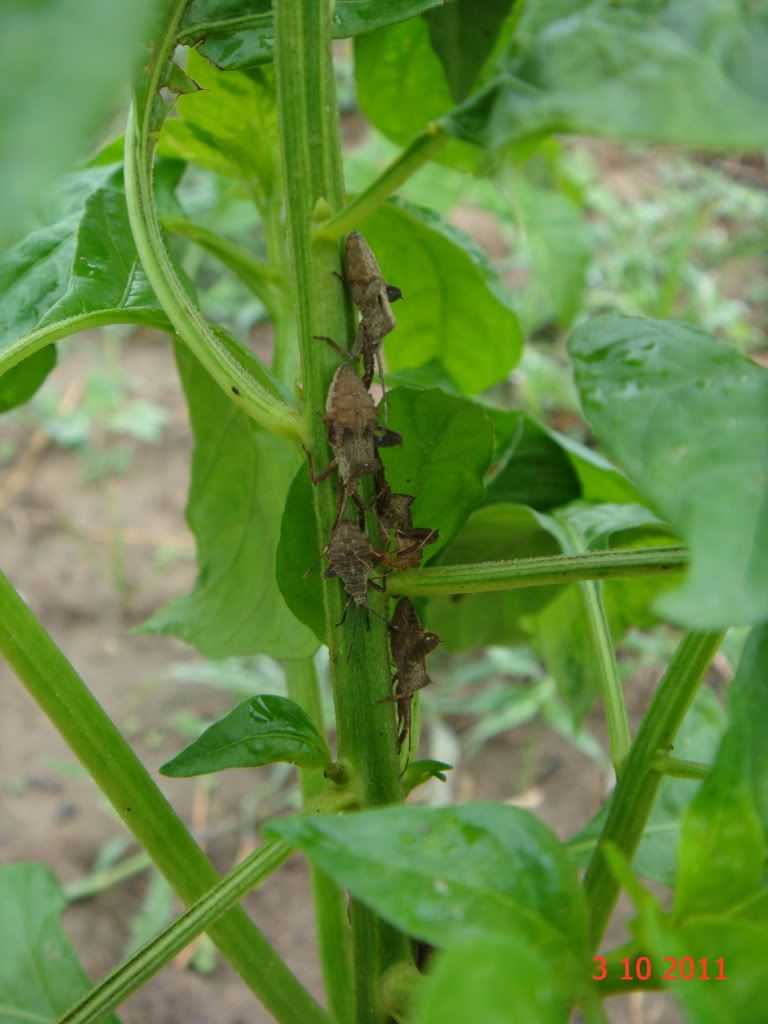
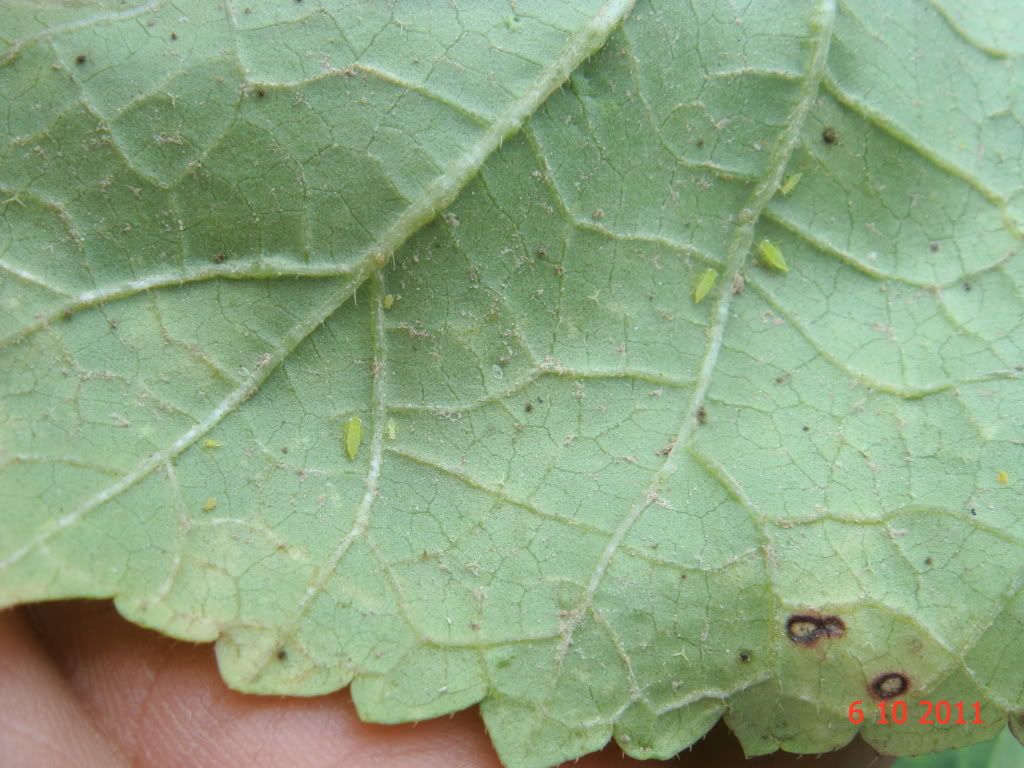
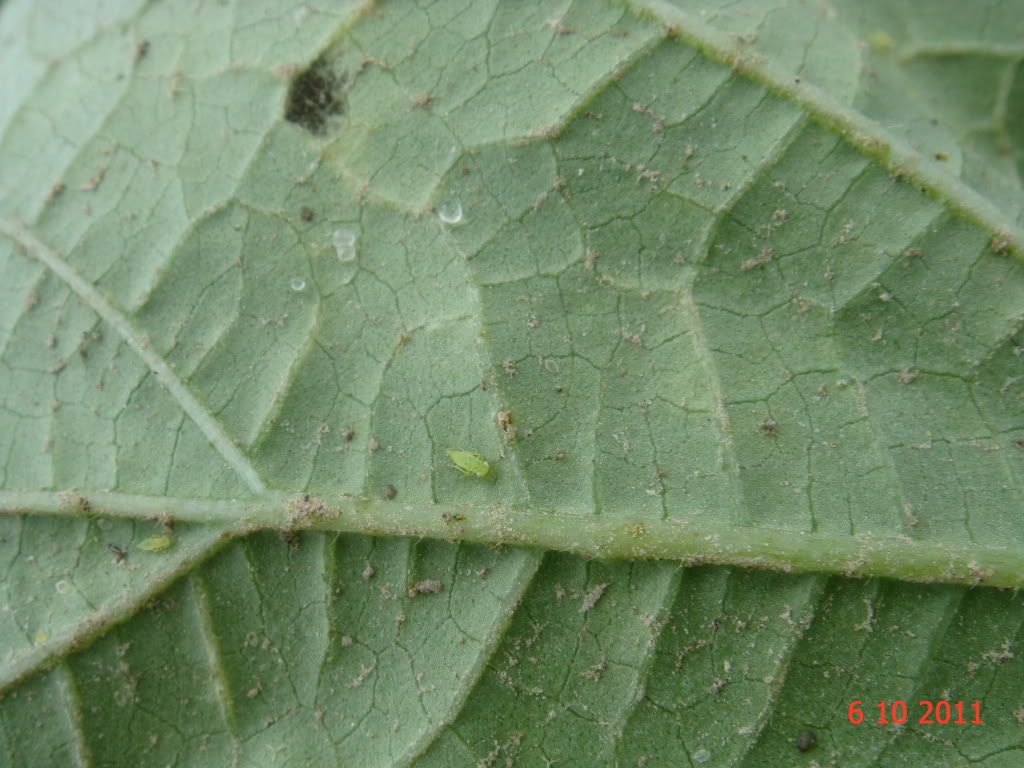

 0.0753sec
 0.45
0.45
 7 queries
 GZIP Disabled