

 Military Thread V19
  Feb 29 2016, 06:21 PM


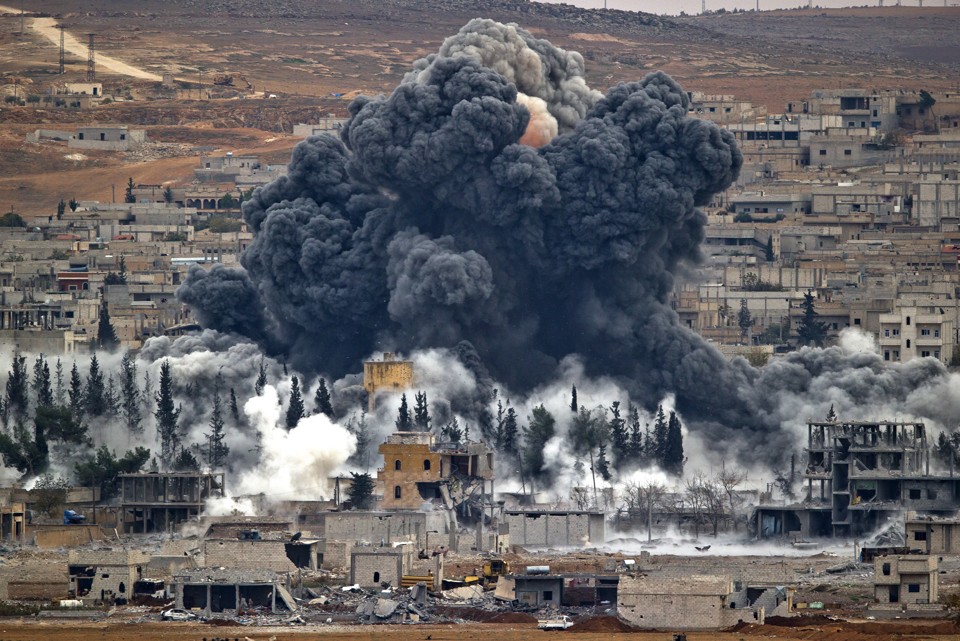
The Moral Cost of the Kill Box
QUOTE
In laymen’s terms, “kill boxes” sound like torture devices. In military jargon, they are almost incomprehensible; as defined in the Department of Defense Dictionary, they are “a three-dimensional area reference that enables timely, effective coordination and control and facilitates rapid attacks.”
QUOTE
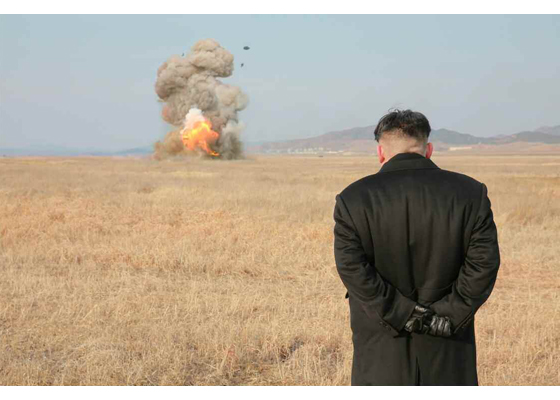
kill boxes are actually relatively simple in concept: They are three-dimensional cubes of space on a battlefield in which members and allies of the United States military are completely free to open fire.
QUOTE
Like most military tactics, kill boxes aren’t new—they’ve been around for nearly 30 years now
QUOTE
They are now used in conflicts that are not between two states, but rather within states against terrorists and fighters who aren’t members of any particular country’s military
QUOTE
First, kill boxes have materialized in places the local population might not expect. And second, kill boxes have been used in conjunction with disposition matrices, or “kill lists.” The DoD uses these to target people whose “pattern of life” fit the parameters of an algorithm, rather than specific individuals.
QUOTE
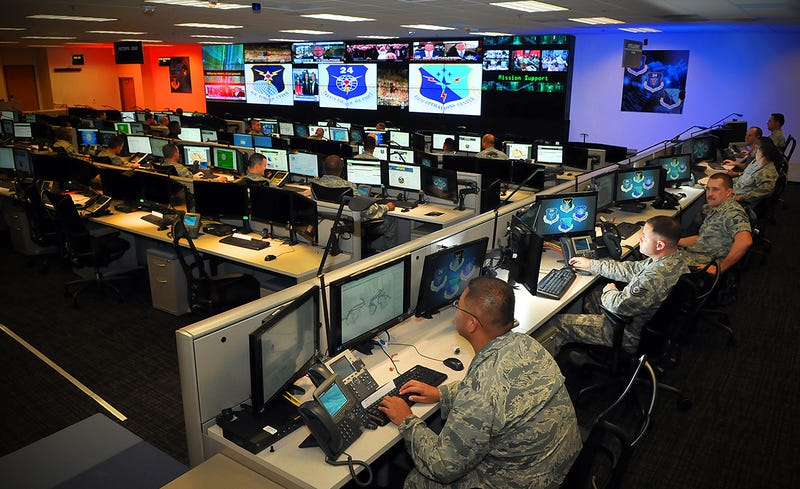
For example: Say someone who owns a cellphone has been calling numbers that trigger a response from a computer at the Pentagon. Analysts will triangulate the cellphone’s whereabouts, and military leaders might initiate a “kill box” at that location, authorizing soldiers to kill everyone within the “box.” Mission accomplished
QUOTE
Since the end of the Cold War, the use of kill boxes has mutated into something almost unrecognizable
QUOTE
During the Gulf War, “A single quadrant comprised an area almost equaling the size of New York City,” writes Richard Davis in Decisive Force: Strategic Bombing in the Gulf War. “These devastating and ubiquitous operations accomplished both the aerial interdiction of Iraqi supply and the destruction of Iraqi military equipment and personnel.”
QUOTE
The Iraqi First and Third Mechanized Divisions were decimated before they even had the chance to put together a defense. Kill boxes might have been one strategic reason why the Gulf War only lasted 100 hours
QUOTE
This strategy worked well during the initial invasion of Iraq, but only because the opposing team was wearing a jersey, so to speak. It was possible to look at a truck and know whether or not it was hostile. But as a conventional war degenerated into a complex quagmire of militants engaged in guerilla warfare, that sort of certainty wasn’t possible any longer
QUOTE
The military began using kill boxes in the so-called war on terror as a technique to exert force in “ungoverned spaces,” territories that are not controlled by a state and are populated by people who might not share American cultural values.
QUOTE
The innocent people living in Afghanistan or Yemen, however, are apparently judged by a different standard. And this is the moral cost of the kill box: When used widely and indiscriminately, the tactic devalues human life
QUOTE
Sometimes, simply finding yourself inside of an American kill box is enough to be retroactively defined as guilty.
QUOTE
If a DoD algorithm identifies a person as a combatant, the military assumes he’s a combatant; the abstract proof is considered sufficient. It’s the very definition of confusing the map for the territory it represents
http://www.theatlantic.com/politics/archiv...ill-box/470751/
 Quote
Quote










 0.0356sec
 0.48
0.48
 6 queries
 GZIP Disabled