Outline ·
[ Standard ] ·
Linear+
Footing size for two stories extension, footing size for two storey extension
|
TSaviecena2020
|
 Nov 14 2013, 02:11 PM, updated 12y ago Nov 14 2013, 02:11 PM, updated 12y ago
|
Getting Started


|
hi..
I plan to extend my house DS Semi D:kitchen(1st floor) and room(2nd floor).
I would like to know recommended footing size spec.
base on tom jason, he mention 5x5 size is recommended.
I did ask one of contractor,he mention 3x3 is enough since soil is solid.
|
|
|
|
|
|
yanie2012
|
Nov 14 2013, 03:07 PM
|
Getting Started
|
QUOTE(aviecena2020 @ Nov 14 2013, 02:11 PM) hi.. I plan to extend my house DS Semi D:kitchen(1st floor) and room(2nd floor). I would like to know recommended footing size spec. base on tom jason, he mention 5x5 size is recommended. I did ask one of contractor,he mention 3x3 is enough since soil is solid. Sorry for asking some information, how to measure the footing 5x5 and 3x3? is it the steel dimension? |
|
|
|
|
|
TSaviecena2020
|
Nov 14 2013, 03:17 PM
|
Getting Started
|
QUOTE(yanie2012 @ Nov 14 2013, 03:07 PM) Sorry for asking some information, how to measure the footing 5x5 and 3x3? is it the steel dimension? Haha..i have no idea mate. I guess its the concrete dimension bottom of footing |
|
|
|
|
|
Sydneguy
|
Nov 14 2013, 04:22 PM
|
|
|
AFAIK its the foot print size of the concrete slab.
But the LxW dimension is only part of the story. The Footing should have a minimum Thickness or Depth and should have the right amount and type of steel re-enforcing bars.
Your Builder is party right, size can be less (or more) depending on the soil type. But Only an expert can tell you correctly after taking a soil sample. Contractor just scratch the soil with his boot toe and say "3x3 cause you have hard soil" is not the correct way.
Difference Area is a lot. 3x3=9sqft while 5 x 5 = 25sqft. so If contractor only use 3x3 he use 1/3 the amount of concrete ans he save alot in cost and can give cheaper quote, which probably also make you happy. But what happens in 5yrs time when you have soil movements and the walls are cracking cause the footing was too small?
Cheers
|
|
|
|
|
|
platinum_12
|
Nov 14 2013, 07:44 PM
|
|
|
Wah.. just guessing like that only r? No need soil investigation n proper engineering calculation? Double story extension u must be very careful. Unless ur house is on ex-hill area (cut area).
|
|
|
|
|
|
TSaviecena2020
|
Nov 14 2013, 10:32 PM
|
Getting Started
|
Thank for the info..i'm not aware that need engineering to involve..i thought ask contractor come to quote that all n they know the ground condition..or maybe they just estimate or agak2 only on footing spec.anyway my house is at hill area(cut area)..maybe others can share their opinion n expertise as well
|
|
|
|
|
|
tomjason
|
Nov 14 2013, 10:42 PM
|
|
|
QUOTE(aviecena2020 @ Nov 14 2013, 02:11 PM) hi.. I plan to extend my house DS Semi D:kitchen(1st floor) and room(2nd floor). I would like to know recommended footing size spec. base on tom jason, he mention 5x5 size is recommended. I did ask one of contractor,he mention 3x3 is enough since soil is solid. since you hv mention my name, i hv to respond...hope to read my post is secret revealed... for two storey..the best is with pilling 5x5 feets...if space permit..else most contractor just use 3x3 footing...of course with piling is the best...and also depend on soil type... the steel type is Y12 BS..is the minimum requirement...of course if you want bigger is better...usually for double storey that the standard....you dont need engineer to do that...for the case bungalow collapse is because the footing and the beam is not according to standard....but the end of the storey it depend on you...only big big company hire engineer for their reno...normal contractor just use the standard...of course if you want engineer no problem but the contractor will charge you..for normal house..contractor dont take soil sample..but of course if you want sur ecan..but they will charge you... |
|
|
|
|
|
aquaria87
|
Nov 15 2013, 10:18 AM
|
Getting Started
|
Type of foundation would be much dependant on type of soil ur house laid on. Normally even for double story, pad footing is adequate which size minimum 2 feet x 2feet x 2 feet depth and with Y20 rebar (for good soild condition)
|
|
|
|
|
|
TSaviecena2020
|
Nov 15 2013, 12:18 PM
|
Getting Started
|
Y20 for footing only or need to use for concrete base as well?
|
|
|
|
|
|
weikee
|
Nov 15 2013, 01:22 PM
|
|
|
Rebar need to have concrete together la.
This post has been edited by weikee: Nov 15 2013, 01:23 PM
|
|
|
|
|
|
kelvyn
|
Nov 15 2013, 01:44 PM
|
|
|
The size of the reinforced concrete (RC) pad footing is dependent on the ground condition and also the load taken by the column. Attached thumbnail(s)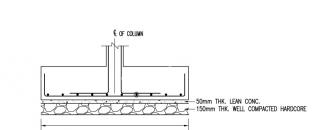
|
|
|
|
|
|
Sydneguy
|
Nov 15 2013, 01:46 PM
|
|
|
QUOTE(aquaria87 @ Nov 15 2013, 10:18 AM) Type of foundation would be much dependant on type of soil ur house laid on. Normally even for double story, pad footing is adequate which size minimum 2 feet x 2feet x 2 feet depth and with Y20 rebar (for good soild condition) That is bad advice, how did you come up with "Normally 2ft x 2ft is adequate" are you an Engineer and calculated it or have you ever referred to the Building Codes? I think not. Don't give your tidak ada opinion and present it as sound advice. It is misleading to people that might foolishly follow your advice. Cheers |
|
|
|
|
|
cheeshion
|
Nov 15 2013, 04:12 PM
|
|
|
QUOTE(aviecena2020 @ Nov 14 2013, 02:11 PM) hi.. I plan to extend my house DS Semi D:kitchen(1st floor) and room(2nd floor). I would like to know recommended footing size spec. base on tom jason, he mention 5x5 size is recommended. I did ask one of contractor,he mention 3x3 is enough since soil is solid. first of all, I'm not expert in physics nor construction line. Just that I'm currently renovating my house. You plan to extend with upper floor, you must get permit from local council together with architectural drawing. It must be fully endorsed by certified architect and engineer. From the drawing, there must have the specification on the foundations. Those experts must have taken into consideration on factors, like soil condition, load factor and future maximal weight bearing... Can't be wrong if you comply details from them (somehow), else sue them if structure failure!!! This post has been edited by cheeshion: Nov 15 2013, 04:12 PM |
|
|
|
|
|
stevie8
|
Nov 15 2013, 07:40 PM
|
|
|
One logical way to find what size and rebar requirement is to dig to a site of the back of the kitchen existing footing. After digging it you can see the size of the footing then hack a part of it to review the rebar. From then one just add a foot to the dimension to be sure and add more rebar than the existing.
I believe the developer has done studies of your soil condition by engineer and been approve to be safe by local council. By making it stronger than your existing footing you can have peace of mind. Also check by digging deeper if pilling was made, if so just follow.
Anyway you still have to dig the existing footing and its rebar when reno so as to connect the old rebar to new rebar holding each other at the cold joints.
Isn't this answers all the queries above, simple and definite without being an engineer!
Cheers
|
|
|
|
|
|
aquaria87
|
Nov 15 2013, 08:13 PM
|
Getting Started
|
QUOTE(Sydneguy @ Nov 15 2013, 01:46 PM) That is bad advice, how did you come up with "Normally 2ft x 2ft is adequate" are you an Engineer and calculated it or have you ever referred to the Building Codes? I think not. Don't give your tidak ada opinion and present it as sound advice. It is misleading to people that might foolishly follow your advice. Cheers Perhaps i put it wrong way.. the size of footing i given was based on my current renovation works and also another renovation works i did for double storey house. if the house situated at cut area (hill area laterit earth which is very dense) shud be no problem. but if ur house at fill area, it is may not suit. But as i said, it is solely based on ur soil condition. It may not follow any building code but it was been practise so many years by the renovator contractor especially if u always lepak with indon workers which not using any laser for erection of column (just use tread n batu) or when leveling the laying of drain which just using water in the transparent plastic tube.... (i believe this practise also not written in any building code)...  This post has been edited by aquaria87: Nov 15 2013, 08:17 PM This post has been edited by aquaria87: Nov 15 2013, 08:17 PM |
|
|
|
|
|
aquaria87
|
Nov 15 2013, 08:17 PM
|
Getting Started
|
QUOTE(cheeshion @ Nov 15 2013, 04:12 PM) first of all, I'm not expert in physics nor construction line. Just that I'm currently renovating my house. You plan to extend with upper floor, you must get permit from local council together with architectural drawing. It must be fully endorsed by certified architect and engineer. From the drawing, there must have the specification on the foundations. Those experts must have taken into consideration on factors, like soil condition, load factor and future maximal weight bearing... Can't be wrong if you comply details from them (somehow), else sue them if structure failure!!! Agree, permit and approval by Local Authority is a must. for single storey reno just need the architecture drawing. but for double storey and above, u also need endorse structural dwg. Frankly, for small renovation works, the engineer wont carry out any soil investigation unless u willing to pay (which in my view waste of money)... the engineer may just design based on typical foundation with twice working load (MY ASSUMPTION ONLY).  |
|
|
|
|
|
Sydneguy
|
Nov 15 2013, 10:51 PM
|
|
|
QUOTE(aquaria87 @ Nov 15 2013, 08:17 PM) Frankly, for small renovation works, the engineer wont carry out any soil investigation unless u willing to pay (which in my view waste of money)... the engineer may just design based on typical foundation with twice working load (MY ASSUMPTION ONLY). NOT TRUE! The original developer would have had to lodge construction plans INCLUDING SOIL SAMPLE REPORTS to the local authorities. The Engineer doing the calculations for the renovations can easily refer to these soil tests and then apply the appropriate calculations to come up with the correct footing size. Don't cut corners or follow most contractors tidak apa attitude, if you do uyou will be one of the many that come to this forum to post pictures of their problems and ask for help/advice to solve the problems. |
|
|
|
|
|
Sydneguy
|
Nov 15 2013, 10:56 PM
|
|
|
QUOTE(stevie8 @ Nov 15 2013, 07:40 PM) One logical way to find what size and rebar requirement is to dig to a site of the back of the kitchen existing footing. After digging it you can see the size of the footing then hack a part of it to review the rebar. From then one just add a foot to the dimension to be sure and add more rebar than the existing. I believe the developer has done studies of your soil condition by engineer and been approve to be safe by local council. By making it stronger than your existing footing you can have peace of mind. Also check by digging deeper if pilling was made, if so just follow. Anyway you still have to dig the existing footing and its rebar when reno so as to connect the old rebar to new rebar holding each other at the cold joints. Isn't this answers all the queries above, simple and definite without being an engineer! Cheers Sorry, I very much disagree with this approach. it is definitely NOT "definite" Simply adding 1 foot to the original footing is not going give you the correct footing size for a double story extension. The loads that will be supported by that column and its footing should be properly calculated and then required footing size can be determined taking into account the loads and the soil type. There is no other correct or "definite" way to do it. Cheers |
|
|
|
|



 Quote
Quote






 0.0272sec
 0.27
0.27
 6 queries
 GZIP Disabled