

 May 23 2013, 09:13 AM, updated 4y ago


Part A:
Do i need to give you detail description what a tuning peg is? What is bridge? If you want here it is...

For a lot of intermediates, when come to purchasing new guitar, GAS mode, we tend to ask what to get. To be honest, who are we to decide for you? Yes, there are some basic info that we can get from internet such as wood combination and characteristic of the wood. But those friends in cyber space will never know what you want. You say you want warmer sounding guitar. So how warm is the warm? Some do say that Taylor has warm sounding while it towards brightness. See, this is the taste. No one know what you want. Go out and try your self. When you dilemma and spoiled by choices AFTER TRYING, it is time to go online and discuss. If you yourself, didn't try the guitar, how much you can describe about the guitar? How much do you like it? How much you don't like it? So try them...
What is the purpose of this thread then? ok... To share some basic wood info and how different species different from each other. Never take for granted. Bracing design and body size definitely contribute to changes in tone. So, bare in mind that here only some basic information.
Tonewood/Top Wood
Sitka Spruce
The primary topwood used by many manufacturers. Sitka has bright, robust sound that works well for all playing styles.
Redwood
Redwood is similar to Cedar, warm, rich, and complex. It exhibits a slightly darker tone with less pronounced bass and more headroom than Cedar.
Western Red Cedar
A warm, thick tone with rich overtones and a very pronounced bass. Widely used on classical guitars, its "open" tone works best for fingerstyle or light strumming. Cedar has virtually no break in period.
Bear Claw Sitka Spruce
A slightly stiffer version of Sitka with unique figure appearing in the grain. Bear Claw Sitka exhibits tonal characteristics of Sitka Spruce, but because of its added strength it can have a more robust and punchy voice.
Engelmann Spruce
Light in color with a rich, complex tone. This wood best suits a more gentle touch. Great for fingerpicking with warm bass and complex overtones.
Port Orford Cedar
Despite its name, Port Orford Cedar is a member of the cypress family and not a true cedar. It falls tonally between spruce and cedar, leaning toward a warm spruce top in sound and stiffness.
Adirondack Red Spruce
Some call it the "holy grail" of top woods. It was widely used on pre-war and vintage instruments. Adirondack has a crisp, clear tone with high headroom and strong fundamental content.
Carpathian Red Spruce
Harvested from the Carpathian Mountains in the Ukraine, it is generally whiter in appearance but very similar to Adirondack Red Spruce, exhibiting a lively, crisp, bright tone.
Hybrid Flamed Redwood
Our Hybrid Flamed Redwood tops combine highly figured Redwood with a graft of Adirondack Red Spruce. These tops feature the strong fundamental tone of Adirondack Red Spruce with the warmth and character of Redwood.
Hybrid Flamed Walnut
Our Hybrid Walnut tops combine Flamed Walnut with a Western Red Cedar graft. The weight of the hardwood used in these tops result in less volume than most softwood tops. They exhibit a mellow, round tone with a strong fundamental punch with less overtones.
Hybrid Koa
Our Hybrid Koa tops combine Flamed Koa with a Western Red Cedar graft. The weight of the hardwood used in these tops results in less volume than most softwood tops. They exhibit a clean, fat tone with a strong fundamental punch and less overtones.
Hybrid Flamed Black Redwood
The Black Flamed Redwood tops combine highly figured Black Redwood with a graft of Adirondack Red Spruce. Like the Flamed Redwood, the Black Flamed Redwoods feature the strong fundamental tone of Adirondack Red Spruce with the warmth and character of Redwood.
Back & Side Woods
East Indian Rosewood
East Indian Rosewood offers a deeply resonant tone. Rich complex low ends, and strong mids and highs make this a great all-around choice for back and sides.
African Mahogany
African Mahogany has a warm lively tone with clear mids and trebles. Often referred to as having a "woody" tone it's low overtone content gives it a crisp strong fundamental that is bright and responsive.
Granadillo
Granadillo is a heavy and dense tropical tonewood which reacts much like rosewood, powerful and rich.
Beeswing Mahogany
A stunning Mahogany with small wavy grain and interlocking flame pattern similar to that of a bees wing. Beeswing's tight grain and figure make this an excellent choice for those that are looking for a mahogany guitar.
Cocobolo
Heavier and denser than many types of rosewood, Cocobolo has a rich orange and red coloration. A Latin American rosewood, it exhibits strong resonance and rich overtones.
Flamed Black Acacia
Sometimes referred to as Australian Blackwood; Black Acacia behaves much like Koa and Mahogany. Black Acacia's grain offers a shimmer not found in Koa and it is a mainstay of Australian builders. It is found in Africa, India, and Northern California but originated in Southern Australia.
Flamed Maple
Flamed Maple is a stiff and stable tonewood with a loud and bright voice. Highly reflective, Flamed Maple balances a tight crisp high end with warm lows.
Flamed Walnut
Flamed Claro Walnut has a strong fundamental, with warmth and balance. Walnut has less depth and projection than rosewood and a slightly darker tone than Mahogany.
Honduran Mahogany
Honduran Mahogany is becoming increasingly rare. Like other Mahogany's it has a warm lively tone with clear mids and trebles. Often referred to as having a "woody" tone it's low overtone content gives it a crisp strong fundamental that is bright and responsive. Its grain is generally tighter than that of African Mahogany.
Myrtle
Oregon Myrtle is an American tonewood, clear and bright with a bottom end much like rosewood.
Pau Rosa
Another tropical hardwood from South America, Pau Rosa is a very dense tonewood, which falls between the rosewoods and ebony tonally.
Quilted Maple
Sometimes referred to as "Big Leaf" Maple, Quilted Maple is generally softer than Flamed Maple. Quilted Maple's tone is therefore slightly warmer and darker.
Striped Macassar Ebony
Striped Macassar Ebony is a very dense and heavy tonewood from Southeast Asia. Macassar Ebony features a robust and loud tone much like rosewood, with great clarity.
Wavy Mahogany
Wavy Mahogany is another rare and beautiful variation of Mahogany. Like Quilted Maple, Wavy Mahogany is slab cut, which causes it to be slightly warmer but overall shares the tonal characteristics of other species of Mahogany.
Highly Figured Bubinga
Often referred to as an African Rosewood, Bubinga is technically not in the rosewood family. It does however share many of the tonal qualities found in other rosewoods.
Koa
A member of the acacia family, Koa grows only in Hawaii. Flamed Koa is a gorgeous tonewood displaying some "Mahogany like" properties. Clean and bright with a rich low end.
Madagascar Rosewood
A great substitute for Brazilian Rosewood in both looks and sound. Madagascar Rosewood is increasing in popularity.
Wenge
A heavy and dense wood from Western and Central Africa. Tonally it compares with Ebony.
Highly Figured Sapele
A highly stable wood from Africa. Our Sapele has beautiful figure with a tone similar to Mahogany.
Bastogne Walnut
Bastogne Walnut trees are a natural cross of English and Claro walnut trees. These trees are very rare with beautiful flame and grain patterns. The tone is like that of Flamed Walnut.
Brazilian Rosewood
Generally considered the best tonewood for steel stringed instruments; Brazilian Rosewood is a highly prized choice for back and sides. Endangered and becoming very rare, Brazilian Rosewood has everything other rosewoods have to offer and more. A rich powerful sound full of overtones and depth.
Ziricote
A hard, dense South American tonewood, Ziricote shares many tonal properties of Ebony and Brazilian Rosewood.
click >>>Here<<< The Refference...
This post has been edited by ILoveMyGuitarss: May 23 2013, 09:53 AM
 Quote
Quote


 .. OK Joking pls... Dun sabotage me !!!



 great tone


 Thanks for the awesome advice







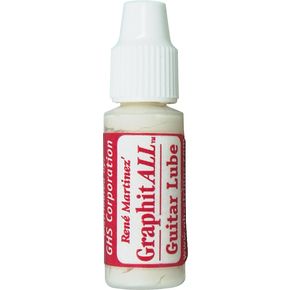


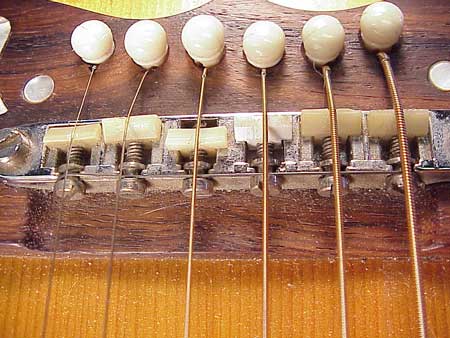





















 i drove there & after 20 minutes of searching & ask the staff, he said perhaps no more stock & ask me to go to daiso at the curve. i say nvm ler, rm5 oni but need to drive from klang to setia alam & now to damansara.


 if martin mahal ok la. those youtube neck reset video sure looks easy. some of the info i got, most takamine are dovetail with epoxy glue which wont melt with heat unlike those wood glue used on martin. hence need to saw the heel. kerja giler wooh!!


 0.4411sec
 0.59
0.59
 6 queries
 GZIP Disabled