

 Mar 29 2021, 02:30 PM, updated 5y ago


QUOTE
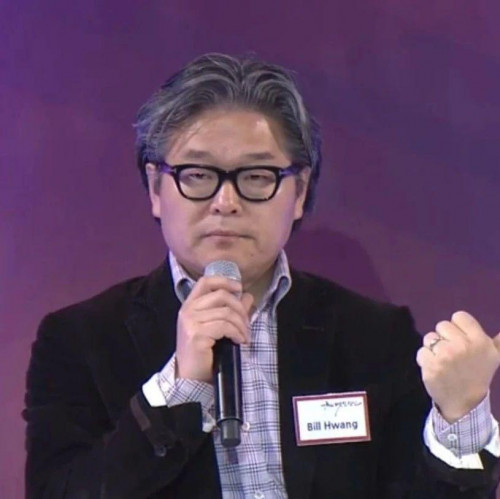
The family office of former Tiger Management trader Bill Hwang was behind the unprecedented selling of some U.S. stocks Friday, according to two people directly familiar with the trades.
Archegos Capital Management was forced by its banks to sell more than $20 billion worth of shares after some positions moved against him, said the people, who asked not to be named because the details aren’t public. The companies involved ranged from Chinese technology giants to U.S. media conglomerates.
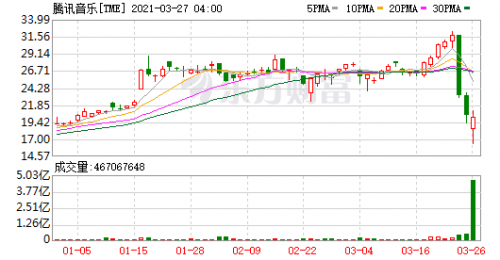
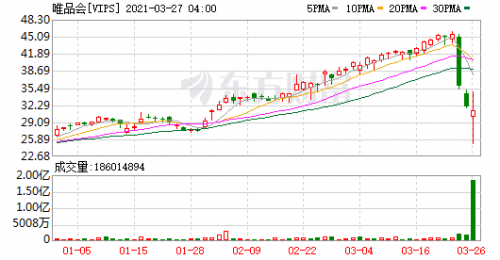
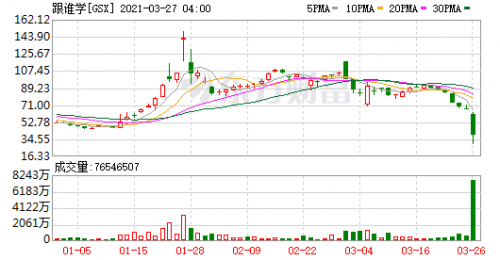
Morgan Stanley traded about $13 billion, including Farfetch Ltd., Discovery Inc., Baidu Inc. and GSX Techedu Inc., said the people, while Goldman Sachs Group Inc. sold $6.6 billion worth of shares of Baidu, Tencent Music Entertainment Group and Vipshop Holdings Ltd. before the market opened in the U.S, according to an email to clients seen by Bloomberg News.
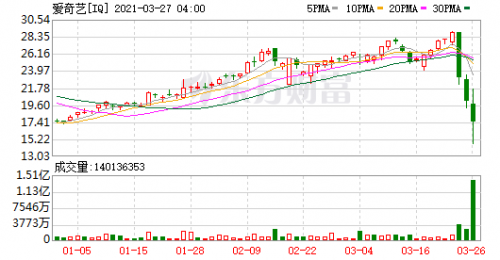
That move was followed by the sale of $3.9 billion of shares including ViacomCBS Inc. and iQiyi Inc. the email said.
Hwang didn’t reply to an email seeking comment Sunday. A Goldman spokesperson declined to comment and a Morgan Stanley official didn’t immediately respond.
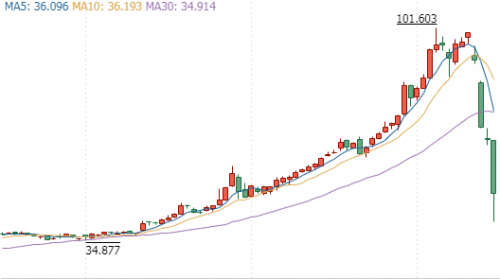
ViacomCBS and Discovery posted their biggest declines ever Friday, after the selling and analyst downgrades. ViacomCBS closed 27% lower to $48.23, down from a high of $100.34 on March 22. Discovery also slumped 27% to $41.90, down from $77.27 on March 19.
Wall Street figures have been feverishly speculating about the identity of Friday’s seller. The liquidation had triggered price swings for every stock involved in the high-volume transactions, rattling traders.
Block trades -- the sale of a large chunk of stock at a price sometimes negotiated outside of the market -- are common, but the size of these trades and the multiple blocks hitting the market during the normal trading hours aren’t.
Hwang was an institutional stock salesman at Hyundai Securities Co. in the early 1990s, where he dealt with Julian Robertson’s Tiger Management. Robertson hired him in 1995 after Hwang won an annual prize awarded to the person outside of Tiger who had contributed most to the fund’s success.
After Robertson closed Tiger, Hwang set up Tiger Asia Management, in part with money seeded by his mentor Robertson.
In December 2012, Hwang admitted to illegally using inside information to trade Chinese bank stocks and agreed to criminal and civil settlements of more than $60 million.
Archegos Capital Management was forced by its banks to sell more than $20 billion worth of shares after some positions moved against him, said the people, who asked not to be named because the details aren’t public. The companies involved ranged from Chinese technology giants to U.S. media conglomerates.
Morgan Stanley traded about $13 billion, including Farfetch Ltd., Discovery Inc., Baidu Inc. and GSX Techedu Inc., said the people, while Goldman Sachs Group Inc. sold $6.6 billion worth of shares of Baidu, Tencent Music Entertainment Group and Vipshop Holdings Ltd. before the market opened in the U.S, according to an email to clients seen by Bloomberg News.
That move was followed by the sale of $3.9 billion of shares including ViacomCBS Inc. and iQiyi Inc. the email said.
Hwang didn’t reply to an email seeking comment Sunday. A Goldman spokesperson declined to comment and a Morgan Stanley official didn’t immediately respond.
ViacomCBS and Discovery posted their biggest declines ever Friday, after the selling and analyst downgrades. ViacomCBS closed 27% lower to $48.23, down from a high of $100.34 on March 22. Discovery also slumped 27% to $41.90, down from $77.27 on March 19.
Wall Street figures have been feverishly speculating about the identity of Friday’s seller. The liquidation had triggered price swings for every stock involved in the high-volume transactions, rattling traders.
Block trades -- the sale of a large chunk of stock at a price sometimes negotiated outside of the market -- are common, but the size of these trades and the multiple blocks hitting the market during the normal trading hours aren’t.
Hwang was an institutional stock salesman at Hyundai Securities Co. in the early 1990s, where he dealt with Julian Robertson’s Tiger Management. Robertson hired him in 1995 after Hwang won an annual prize awarded to the person outside of Tiger who had contributed most to the fund’s success.
After Robertson closed Tiger, Hwang set up Tiger Asia Management, in part with money seeded by his mentor Robertson.
In December 2012, Hwang admitted to illegally using inside information to trade Chinese bank stocks and agreed to criminal and civil settlements of more than $60 million.
TLDR:
- Bill Hwang is a Korean trader worked at the legendary hedge fund manager Julian Robertson's Tiger management, doing what Asians do, he quit the company and went out to set shop after learning a few tricks; suiting his cringy behavior, he even named his fund as "Tiger Asia" .
- He turned out to be a very crooked trader, and committed insider trading by short selling three Chinese bank stocks based on confidential information they received in private placement offerings, he was fined 44 million and banned 5 years from trading since 2013, he was so crooked that Goldman Sachs blacklisted him from doing business with them.
- He set up a new fund named Archegos Capital after finishing the 5 year ban.
- Suiting his Asian behavior, he is a gambler who take high leverage in trading, his margin raised from 1.5 billion to 5 billion in 2020 and from 5 billion to 15 billion in the first 3 months of 2021.
- His portfolio including Viacom and Discovery, it is rumoured that he shorted Gamestop as well.
- Viacom had been profiting from streaming business because people stay home and watch TV during Corona, stock rose from $12 to $100 in a year. The boss look at all the money and decided to issue $3 billion new shares and new price is $85 per share, investment firm downgraded the stock and the stock losses more than 50% of value (Now around $48).
- Bill Hwang and Archegos facing margin call and their position had to be liquidated, since price drop further with their margins adding to the losses.
- His losses amount to $15 billion USD out of $8 billion of his own capital.
- Because of his previous ban and crooked reputation, he couldn't find people to invest in him, and can only operate out of family office only (ie own and friend's money), the losses is likely the largest amount ever lost by a single investor.
- He was also heavily invested in Chinese tech stock, and the margin call caused a significant fallout in China.
This post has been edited by Angelic Layer: Mar 29 2021, 02:31 PM
 Quote
Quote









 0.0215sec
 0.64
0.64
 5 queries
 GZIP Disabled