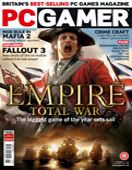
PC Gamer UK E:TW preview (courtesy of GamesRadar)Ross Atherton, PC Gamer UK
Summary
QUOTE
Units vary more than ever, and improvements are gradually discovered. Nor is there any need to keep sending units back to retrain, as new technology is rolled out automatically. More efficient bayonets, better ammunition and more reliable muskets can be researched if you focus your economy in the right areas. Neglect to do so, and your men will be using plug bayonets that prevent the soldier from firing and stabbing, while your enemy has moved on to higher tech.
QUOTE
Research is not just about economy, though, as James Russell explains. “There are all sorts of ways to improve your technology, but you have to play the game according to the strategy you choose - for example, you may have to reform your government to research more effectively.” There are three types of government you can establish across your empire (the names and details for each are yet to be finalised), and each has a broad impact on your economy and populace - but also on the type of military materiel you can develop. And with sea power so important to expanding your empire, you’d be mad not to improve your ability to fight at sea. Each faction has the potential to build between 10 and 20 types of ship. Depending on how you prioritise your research, you will also have the chance to field technology that didn’t actually appear until well into the 19th century, such as steam-powered vessels.
QUOTE
Ever been frustrated that you can’t get inside any of the buildings on a Total War battlefield? That’s changing. “The tactics in Empire reflect the changing nature of warfare,” says James. “Cover becomes far more important. It’s the ideal time for us to allow battlefield buildings to be occupied.” Once troops are inside, or ordered to set up behind a wall, you’ll have command of the territory you can cover with your arcs of fire. It’s not quite like Company of Heroes’ capture points, but you’ll quickly realise how important it is to seize these battlefield features. “Battles are full of charges, counter-charges and vicious melees for these tactical areas,” says James. “Buildings give an area of focus. We don’t want to create obscure tactics for players to learn; the game will reflect intuitive actions such as it obviously being better for your line infantry to stand behind a wall and shoot.”
QUOTE
Early details about Empire’s campaign map - coupled with the historical fact that countries didn’t often wipe out other countries and steal all their land in this era - led us to suspect we’d be playing a very different type of game. No more painting the map your faction’s colour, we’d thought. In fact, says James, the formula is not too different. “You’re still sending armies out and capturing territory. Depending on which nation you choose, however, you’ll have very different starting objectives. Some will start with a couple of simple home territories, others will have the beginnings of an empire, for example in North America. You absolutely can still charge around turning the map your colour. What we’ve tried to do, though, is up the challenge and provide options.”
QUOTE
Jamie Ferguson fills in the details. “We’ve taken all the structures that you’d previously built in a city out of that ‘container’ and made towns around the region. This means that a player can easily see, from the campaign map, what a region holds, and also attack or sabotage individual things - docks, farms, etc.” It’ll be more obvious how valuable a region is, and what the effects of attacking it will be. You won’t have to take out the region’s city to seriously hamper your enemy: you can cut off supply lines, trade, docks and industry without tackling the main city. “We still have capital cities, though, and sieges are still in the game, but depending on where you are it’ll be harder to hold onto a city than before.” So for example, the English could take Paris if they wanted, but the populace will be very hard to control. Attacking France’s infrastructure will be easier and be more effective strategically.
QUOTE
As for your overall objectives, it won’t be the previous Total War style of conquering a set number of territories before declaring victory. Creative Assembly wouldn’t be pressed on exactly what a given nation’s objectives might be, but think in terms of what those countries were aiming for at the time: successful colonies, trade routes and dominance in certain regions. “We don’t want players to try to recreate exactly what a particular nation did at the time,” says Jamie, “but your goals and opportunities will reflect what really happened.”
QUOTE
The 18th century saw a shift in power from monarchs and the aristocracy towards politicians and the people. So no more kings lording it over the battlefield, we thought, no more assassins and spies trailing after the men in big hats, no more princesses, priests and shady characters wandering the map. For once, we were actually close to the mark. Generals will no longer be drawn from a family tree: army commanders are professional and as a result are recruited; though there’ll be a limited number you can have at once. However, these men will be every bit as heroic and characterful as any previous suspiciously-chinned prince. Traits and retinues will be limited in number (eliminating the confusing lists of Medieval II) and thus clearer; names will be more varied. In fact, some characters will be historical; not only real generals and admirals to lead your forces, but also inventors and politicians to improve city life.
QUOTE
James Russell feels there’s a lot to address: “We’ve looked carefully at what the player spends their time doing. Too much time in the past was spent on managing tax rates and assembling armies, so we’ve streamlined that.” You will be able to construct armies and fleets around generals and admirals; the units you want will be built at the nearest possible place and move as quickly as they can to join up with their leader. As obsessive builders of ‘perfect’ armies ourselves, we can’t calculate the micromanagement time this will save us.
QUOTE
But what of your foes’ actions on the campaign map? With that in mind, there are two programmers dedicated to the campaign map’s AI. Whereas the diplomatic and military AI in previous Total War games were separate entities, leading to some curious international actions, they have now been unified, which should result in more realistic diplomatic relations: more useful alliances and complex treaties. Diplomacy can now be entered into at any time, as opposed to having to send a diplomat to find a foreigner and click on it. James Russell again: “We’ve done a lot with diplomacy. It’ll be clearer to understand how a faction feels about you, and why. The factions will seem much more human; you’ll understand their decisions.”
QUOTE
The array of personalities we’re used to seeing standing around the map has also been reduced: no diplomats, and priests and princesses have probably got the chop too. Instead of spies and assassins, we now have the rake, a presumably caddish bounder who’ll ingratiate himself into your enemies’ corridors of power. His abilities have yet to be confirmed, but we’re guessing that it’ll be something more deadly than guzzling all the Prussians’ sherry and seducing a duchess. Spies have not definitely been cut, but the new campaign map is freer with its information: you won’t have to physically have a man on the spot to know whether France has invaded Spain, for example.
QUOTE
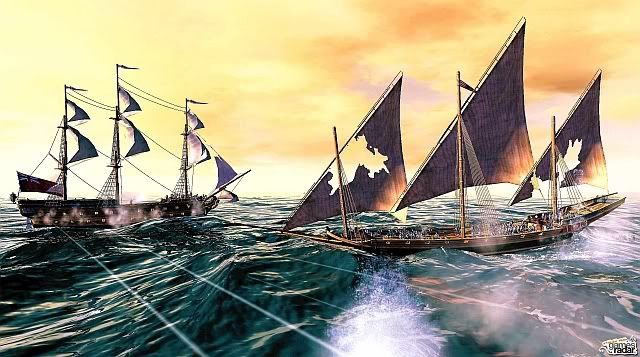
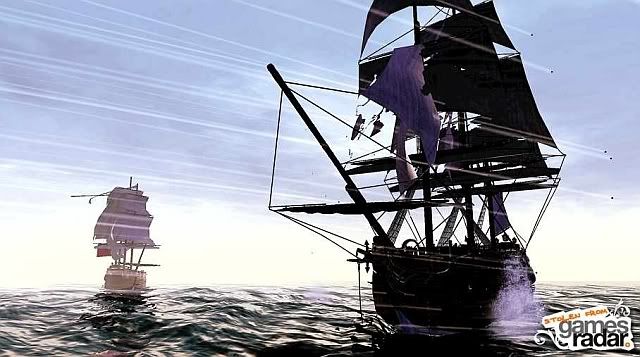
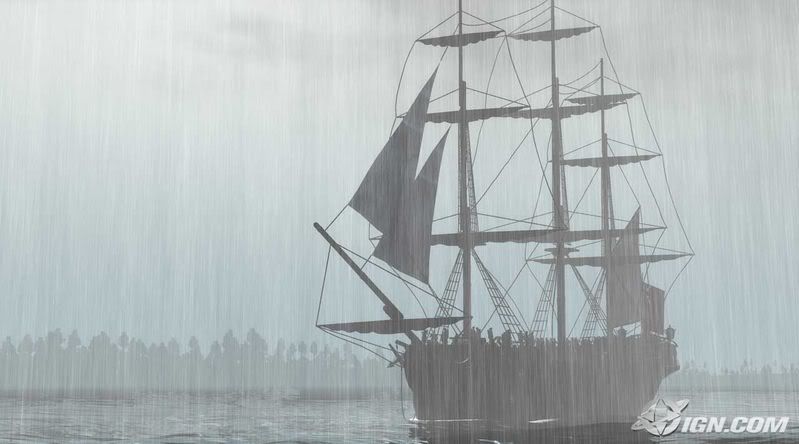
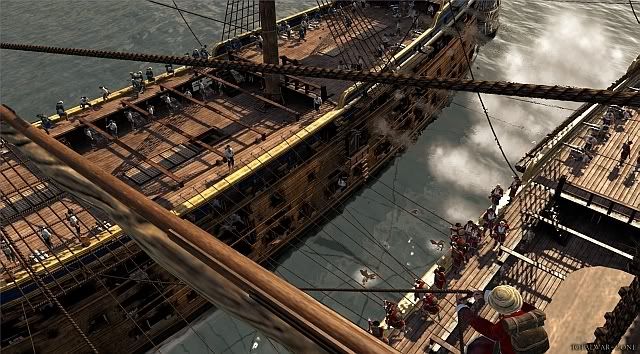
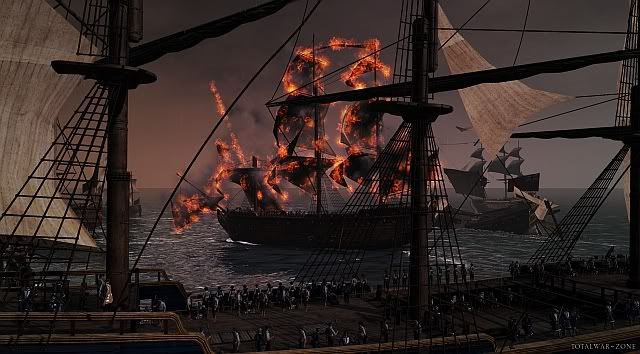
Jamie Ferguson chips in: “There are visual and audio clues to help the player use the wind. It’s a simple concept and is easier than you might think to use the ships in battle.” Still, though, it’s completely new territory for Creative Assembly, whose previous games have been strictly landlubbers. “It’s been a lot of work. One guy spent a whole year working on the water. When you see raindrops hitting the sea, cannonballs skipping over the water... and of course waves get bigger, ships roll. In the Caribbean the sea is a beautiful blue, while the North Sea is grey.” There’s also a global weather system and climate types, so the weather conditions and position of the sun all dictate what you’ll see in a sea battle.
QUOTE
With Empire’s release scheduled for November, meaning there’s less than six months left for CA to realise their ambitious dream, it’s a slight concern that the campaign map is still under wraps. Adding the third major element - sea battles - to the two existing aspects of Total War has thrown up many new challenges, but this experienced team is well equipped to cope. Confidence is high that Empire will be CA’s crowning glory.
This post has been edited by frags: May 11 2008, 03:16 PM 

 Apr 29 2008, 12:26 PM


 Quote
Quote

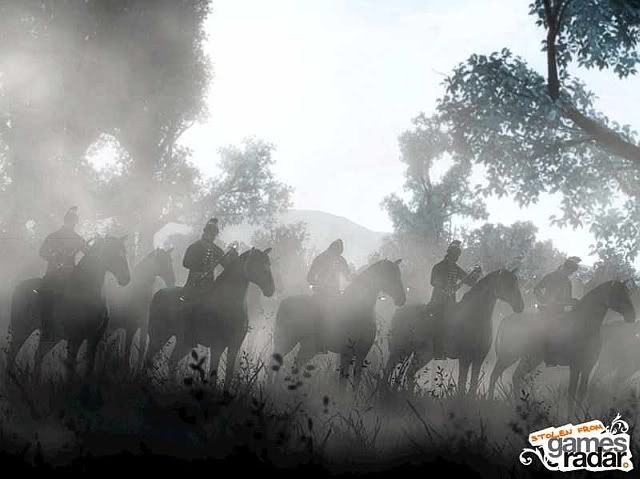
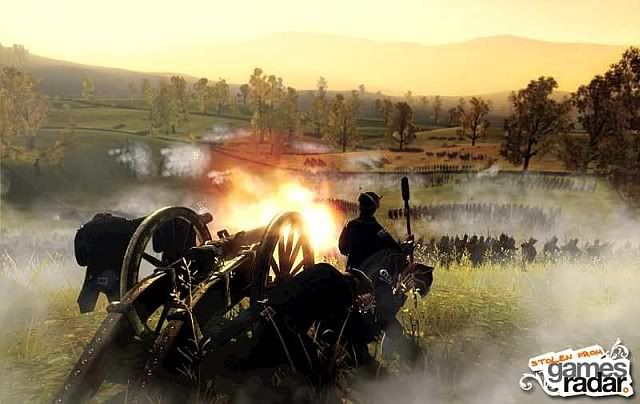
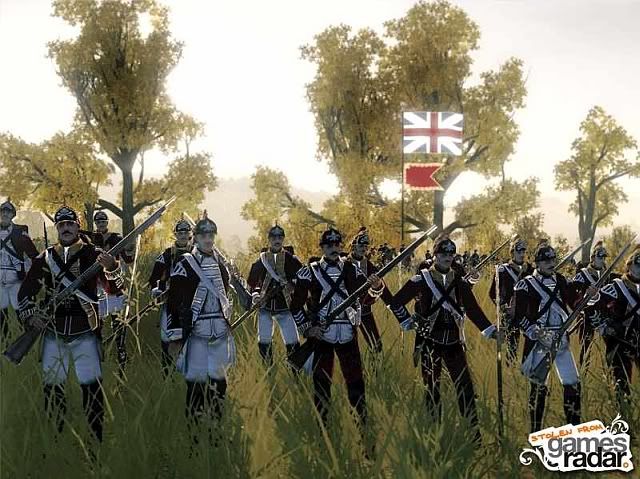
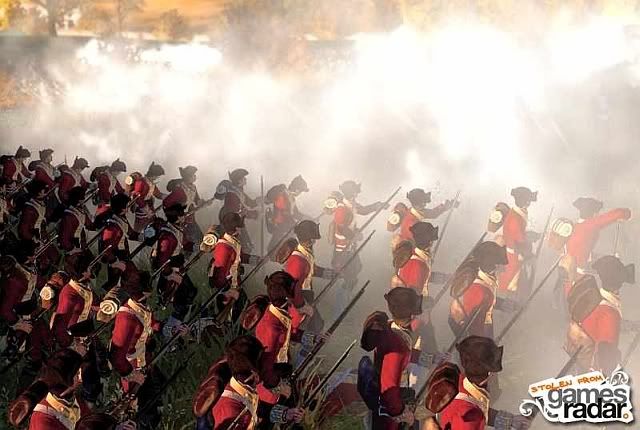
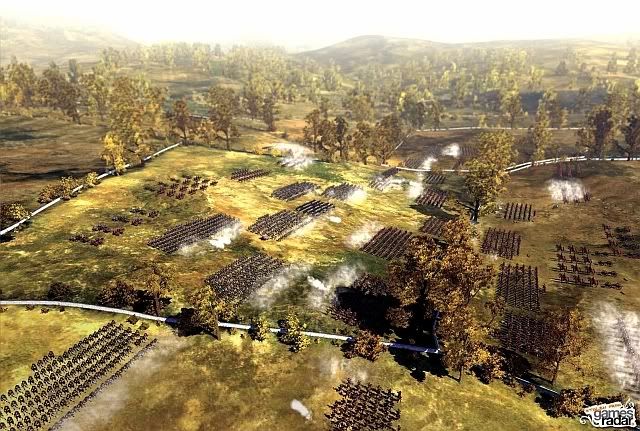
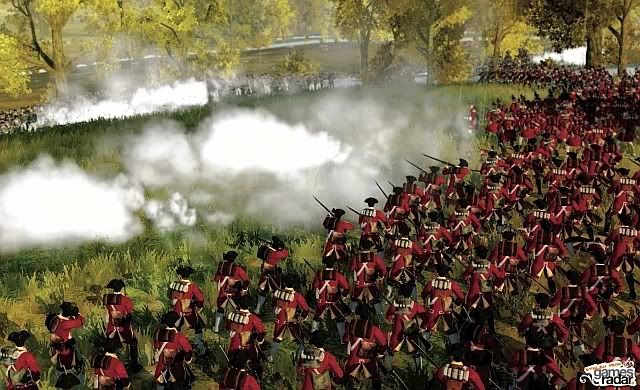
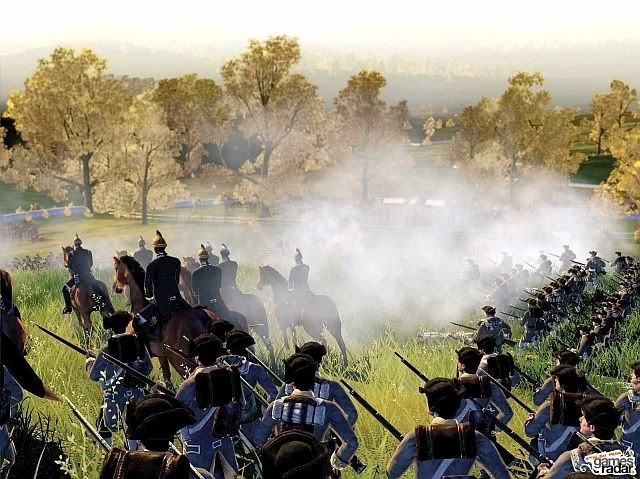
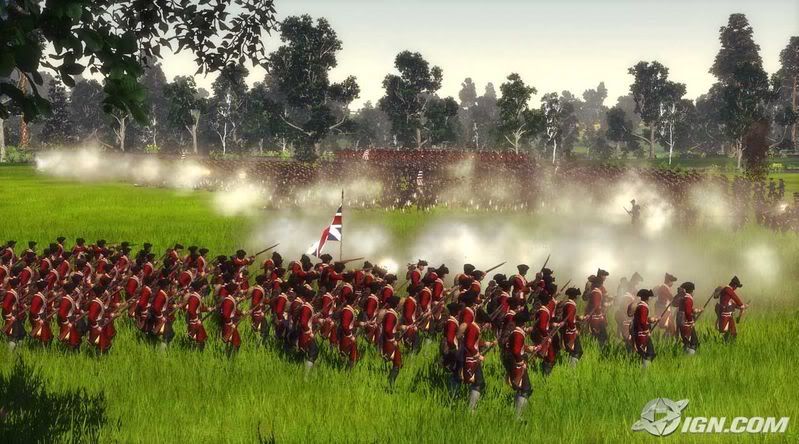
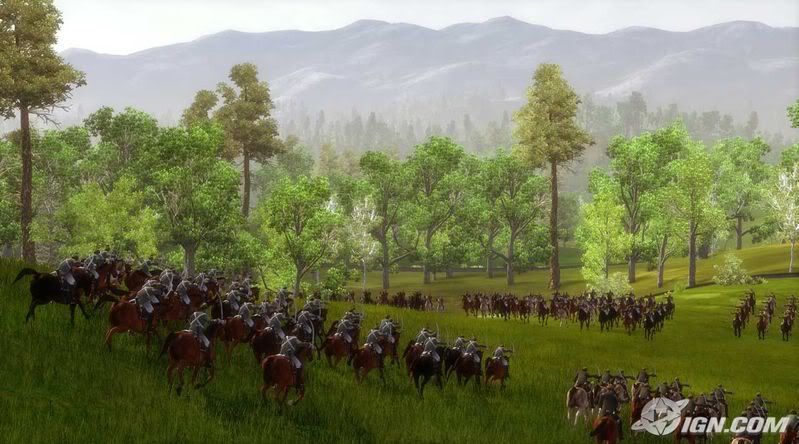
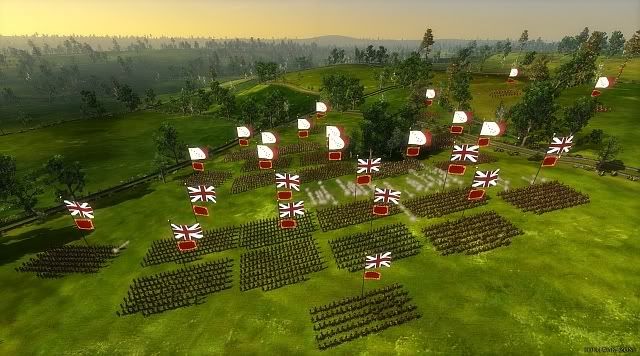
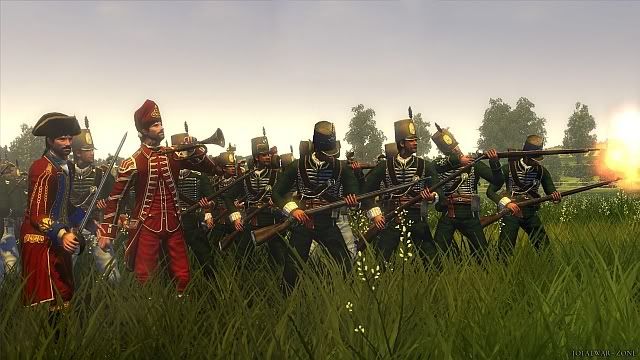
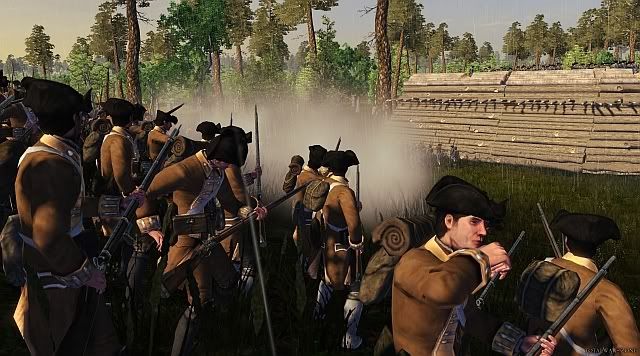
 They look really nice! Trees look more realistic, soft shadows, smoke particles and nice detailed uniforms.


 ...But i suppose they need time to finish it...and its better if they weren't pressured into a premature release.
 better that they have time to complete the game than to rush it.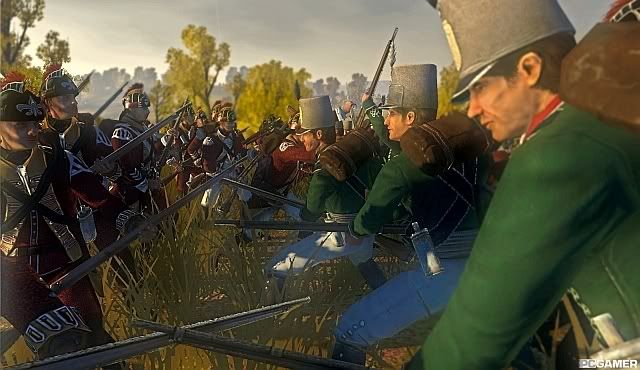

 0.0229sec
 0.92
0.92
 7 queries
 GZIP Disabled