

 Military Thread V17
  Jul 28 2015, 07:44 AM


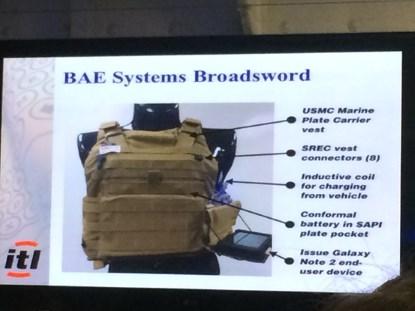
The Intelligent Soldier System: Military Wearables
QUOTE
Improving the capabilities of the soldier is the primary aim; any technology will only ever be part of the potential solutions
Military development programs revolve around improving the capabilities of the soldier. Technology platforms, whether they are wearable or not, and regardless of technical sophistication, will only ever be a part of the solution in this development process.
All of the military personnel at the HMS Belfast event agreed that too much of the development so far has been technology focused, without properly addressing the needs of the soldier. This is an expected problem for a small company looking to exploit new markets for their technology. At the other end of the spectrum, the likes of BAE Systems, Lockheed Martin, and others are involving military personnel earlier in the development process, but the challenge is significant because the stakes are at their highest.
The discussion also highlighted the significant issue of wearables being left behind. This is seen as a problem with consumer devices that is amplified when it comes to military platforms. WO1 Gary Simpson of the parachute regiment repeated a need to enhance the "situational awareness" for soldiers on the ground. However, with a 57 kg (125.4 lbs.) of weight to carry during operations, anything which is considered non-essential to an operation will simply be "left under the bed."
Military development programs revolve around improving the capabilities of the soldier. Technology platforms, whether they are wearable or not, and regardless of technical sophistication, will only ever be a part of the solution in this development process.
All of the military personnel at the HMS Belfast event agreed that too much of the development so far has been technology focused, without properly addressing the needs of the soldier. This is an expected problem for a small company looking to exploit new markets for their technology. At the other end of the spectrum, the likes of BAE Systems, Lockheed Martin, and others are involving military personnel earlier in the development process, but the challenge is significant because the stakes are at their highest.
The discussion also highlighted the significant issue of wearables being left behind. This is seen as a problem with consumer devices that is amplified when it comes to military platforms. WO1 Gary Simpson of the parachute regiment repeated a need to enhance the "situational awareness" for soldiers on the ground. However, with a 57 kg (125.4 lbs.) of weight to carry during operations, anything which is considered non-essential to an operation will simply be "left under the bed."
http://www.eetimes.com/author.asp?section_...&doc_id=1327262
 Quote
Quote


 0.0654sec
 0.21
0.21
 7 queries
 GZIP Disabled