Welcome Guest ( Log In | Register )

4 Pages < 1 2 3 4 >Bottom

Outline · [ Standard ] · Linear+

 Would You buy Microhomes?

views
     
TSEnergyAnalyst
post May 20 2013, 05:09 PM

Look at all my stars!!
*******
Senior Member
4,145 posts

Joined: Oct 2012
QUOTE(ThanatosSwiftfire @ May 20 2013, 05:06 PM)
No. NO NO NO NO NO NO.

Small houses maybe, but microunits? NO. The reason why we live in Malaysia is because it happens to be more spacious here. What for get ourselves caught in the high density of these foreign countries????
*
See the China news I posted on 16 Apr 2013, land is scarce, yes Malaysia has land, so has japan , China but like them, most people is migrating to urban area/major cities, so it is more relevant than you think!

This post has been edited by EnergyAnalyst: May 20 2013, 07:48 PM
TSEnergyAnalyst
post Aug 2 2014, 01:20 AM

Look at all my stars!!
*******
Senior Member
4,145 posts

Joined: Oct 2012
http://m.curbed.com/archives/2014/07/29/ni...e-binishell.php

Gosh, these are so cute, I would buy one, wouldn't you?


http://www.wired.com/2014/07/a-wild-propos...lide-id-1286771

This post has been edited by EnergyAnalyst: Aug 2 2014, 07:40 AM


Attached thumbnail(s)
Attached Image
TSEnergyAnalyst
post Aug 2 2014, 07:45 AM

Look at all my stars!!
*******
Senior Member
4,145 posts

Joined: Oct 2012
http://m.curbed.com/archives/2014/03/14/ju...d-dome-home.php

This guy already did it in Thailsnd, all it takes is 6 weeks and unbelievable low cost
TSEnergyAnalyst
post Aug 4 2014, 06:17 AM

Look at all my stars!!
*******
Senior Member
4,145 posts

Joined: Oct 2012
http://adlankhalidi.com/2014/kediaman-keci...house-malaysia/
TSEnergyAnalyst
post Aug 4 2014, 06:19 AM

Look at all my stars!!
*******
Senior Member
4,145 posts

Joined: Oct 2012
http://www.theedgemalaysia.com/business-ne...ic-freedom.html
TSEnergyAnalyst
post Aug 4 2014, 08:18 AM

Look at all my stars!!
*******
Senior Member
4,145 posts

Joined: Oct 2012
http://blog.iproperty.com.my/category/reports-trends/

this is a 2013 report from iproperty
http://blog.iproperty.com.my/category/reports-trends/

there are many young (i 'd call below 18-36 young) man & woman looking for house with budget of 350k only (27% man and 38% women) , with further 35% man & 35% woman can stretch that to 500k, close to 80% of them resides in Klang Valley.

That was just a year ago, today, what you can buy with budget of 350k in good locations?


Attached thumbnail(s)
Attached Image
TSEnergyAnalyst
post Aug 4 2014, 08:58 AM

Look at all my stars!!
*******
Senior Member
4,145 posts

Joined: Oct 2012
QUOTE(Babizz @ Aug 4 2014, 08:28 AM)
If 400k, can get V Residensi-2, 2 bedroom. Close to Tropicana Metropark
*
I think tak ada lagi , go anyone listing?

QUOTE(gogo2 @ Aug 4 2014, 08:28 AM)
Microhome = low cost flat
Microhome = poverty
RM350k = income RM4k
Income RM4k = poverty line in KL  laugh.gif
*
not that bad YET

QUOTE(Babizz @ Aug 4 2014, 08:38 AM)
duno what crap this is but 4k per person is lower middle income in KL!
As a matter of fact 4k is the median income of KL people.
*
agree

QUOTE(Srbn @ Aug 4 2014, 08:49 AM)
600sf if one person.

I need space to keep my collection.
*
http://www.imoney.my/articles/10-propertie...-income-earners


TSEnergyAnalyst
post Aug 4 2014, 09:00 AM

Look at all my stars!!
*******
Senior Member
4,145 posts

Joined: Oct 2012
QUOTE
For middle income earners, it is time to realise that things are very different now and you will need to rethink your property buying strategy in order to get in the game before it’s really too late.

from the above report
TSEnergyAnalyst
post Aug 4 2014, 09:12 AM

Look at all my stars!!
*******
Senior Member
4,145 posts

Joined: Oct 2012
QUOTE(gogo2 @ Aug 4 2014, 09:04 AM)
You mean, not that bad YET. So microhome is stupid?
*
i emphasize....YET wink.gif but you need to prepare years a head when it is THAT BAD

microhomes are Proactive steps
TSEnergyAnalyst
post Aug 4 2014, 09:30 AM

Look at all my stars!!
*******
Senior Member
4,145 posts

Joined: Oct 2012
QUOTE(gogo2 @ Aug 4 2014, 09:16 AM)
You mean prepare by building it first?  hmm.gif
*
Developers should take lessons:


http://www.huffingtonpost.ca/2014/05/07/sm..._n_5282611.html

Tutup

Attached Image


Buka

Attached Image

This post has been edited by EnergyAnalyst: Aug 4 2014, 09:39 AM
TSEnergyAnalyst
post Aug 18 2014, 04:00 PM

Look at all my stars!!
*******
Senior Member
4,145 posts

Joined: Oct 2012
https://www.edgeprop.my/content/1092400/mal...iny-home-making
user posted image

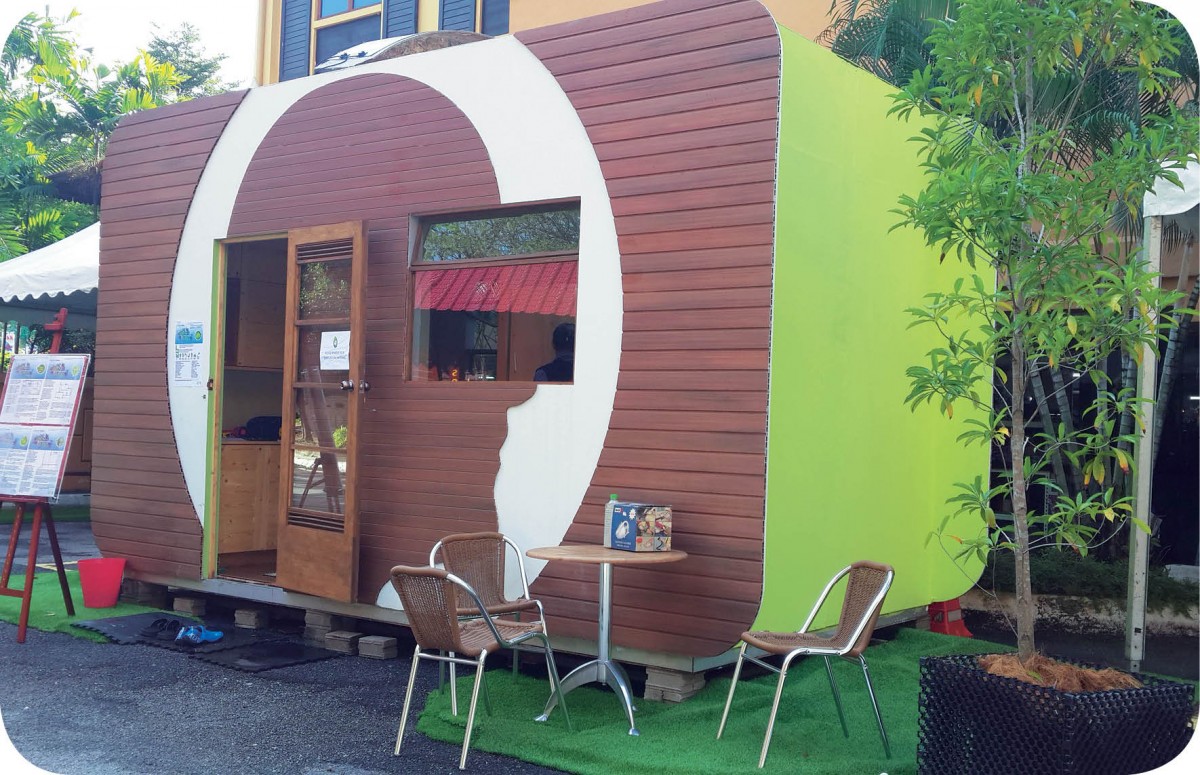
Malaysia’s zero-energy tiny home in the making
Facebook Twitter
Tiny home 1
The tiny home is off-grid, zero waste, carbon neutral and water efficient. (Images by Greenman’s Tiny Home)
NATALIE KHOO
March 14, 2017 | Updated 3 years ago
IN hot and humid Malaysia, when one hears the word off-grid, zero-waste, carbon neutral and water-efficient homes, what comes to mind are uncomfortable basic dwellings.

However, Matthias Gelber, who is known as the Green Man, is set on a path of changing this perception. The German who currently resides in Malaysia often speaks on environmental issues to raise awareness among Malaysians and Southeast Asians. In his latest project, he plans to educate locals on how they can make their homes more eco-friendly, by building Malaysia’s first eco-responsive tiny home.

Dubbed Greenman’s Tiny Home, the experimental home can be seen at the Kuala Lumpur Craft Complex until March 15, after which it will be moved to the Construction Research Institute of Malaysia (CREAM) at Jalan Chan Sow Lin, Kuala Lumpur. It measures only 2.5m by 4.5m and is 120 sq ft, the size of a standard parking lot. Due to its compact size, it is portable and can be moved to various locations, making it a suitable means of housing victims of floods and other natural disasters.

It uses biodegradable products and is built from reclaimed construction waste. A sustainable water conservation system and a waste management system have also been incorporated into the design for recycling and composting waste. The home is also fully functional on its own and doesn’t need any external power supply, water or sewerage treatment.

“People think that in Malaysia, it is impossible to live without air-conditioning. Low-cost homes are often like saunas. They are so hot within and people scrimp and save to buy air-cons for their homes. Not only is this an environmental problem, but it is also a social problem. We want to address this issue by showing that it is possible to live in a house with low operational cost without sacrificing the comforts of life,” says Gelber.

“I got the inspiration to kick-start this project when I read on major environmental trends. Tiny homes are mushrooming in North America in a big way where they have very low carbon footprint. I thought to myself, wouldn’t it be great if we can do this in Malaysia?” Gelber recounts.


Gelber: When people come and see the work we have done and learn from it, we have done our job.
He then set up a team comprising environmentalists Dr Paul D’Arcy and Dennis McMahon; the founder of Asean Cleantech Network, Shamini B Nair; and an ecopreneur and carpenter, Harith Ridzuan of Harith Green Carpenter. The team worked hand-in-hand with CREAM. Several sponsors came on board to fund this project including Parexgroup Sdn Bhd, Duralite (M) Sdn Bhd, Saint-Gobain Malaysia Sdn Bhd, One Tech (M) Sdn Bhd, Suncrox Sdn Bhd, Sequoia Sdn Bhd, Tarkett Malaysia, Kokopeili Rainwater Harvesting Solutions, GRM Composite Wood (M) Sdn Bhd, Gyproc Malaysia, ECOLOO GreenTech Malaysia Sdn Bhd, LG Global Building Materials (M) Sdn Bhd, Buteline Malaysia Sdn Bhd, E-Plus Global Sdn Bhd, Strategic Public Relations Sdn Bhd and Polar Stomp Enterprise.

An ongoing experiment

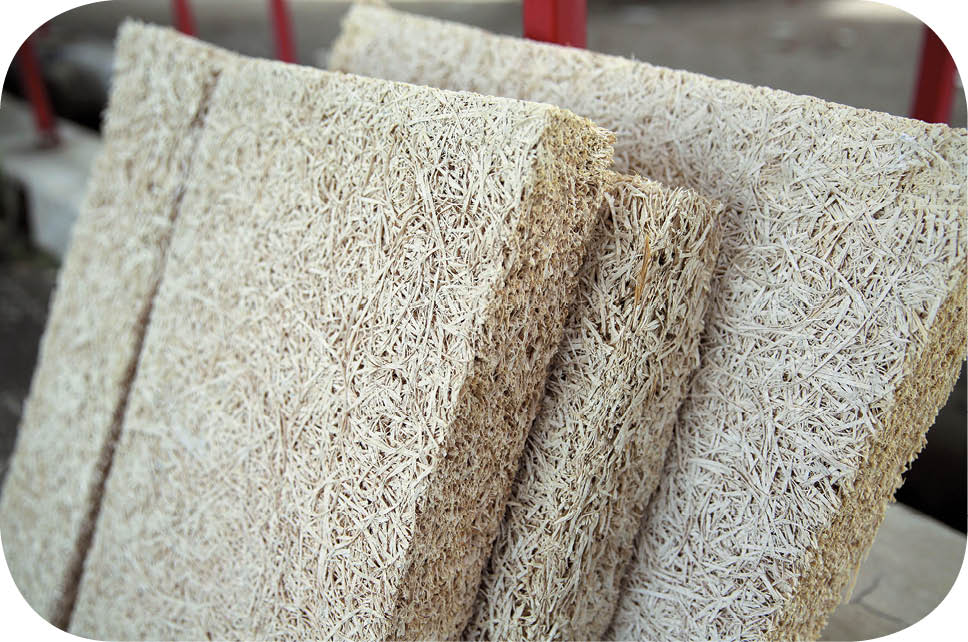
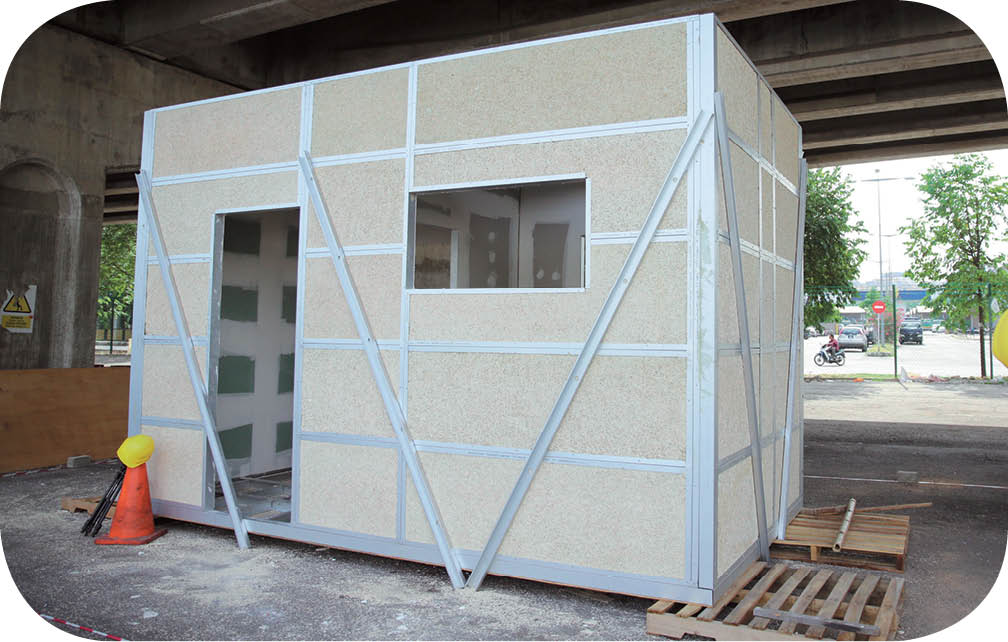
According to Gelber, after some research on building materials, they decided to build the walls of the home using a lightweight material also known as wood wool cement panels.

“The panels have a high insulation level and are made from a composite material of timber and cement, so they ensure the house stays cool without the need for air-cons. The timber being used are sustainably planted timber,” explains Gelber, adding that the materials used in the experiment are all readily available and easily sourced locally.

“These materials absorb carbon dioxide, unlike concrete slabs which radiate heat,” Gelber adds.

The house will also be elevated above the ground using pillars similar to a typical kampung house. “This will facilitate ventilation from the ground to reduce interior heat,” he explains.

The house will also feature a rainwater harvesting system while waste from the toilet will be used to fertilise crops or plants. It will also be solar powered.

The house is powered by a basic module consisting 65 watts of flexible thin film solar panel, 100 ampere-hour deep cycle lead acid battery and a solar charge controller. The house also uses a direct current system to power the house, avoiding any inefficiency of energy conversion as opposed to using an alternating current.

D’Arcy, the environmentalist working on this project, highlights that the house will be transportable due to its small size. “More often than not, we have the tendency to build things bigger than what we need. Tiny means it is not overly-excessive but still useable,” says D’Arcy, noting that the whole concept is about the intelligent use of space and responding to the changing climate conditions.

The total cost to build the house is around RM60,000-RM65,000. Construction of the house prototype began in September last year and was completed last month.

Pick and choose

When asked if the team plans to commercialise the project, Gelber says the main thing is to educate the public, and perhaps even developers, to carry it out on a bigger scale.

“You can pick and choose the components according to your needs. We are not saying that the house must be completely zero-grid energy or you must use rainwater harvesting. Pick what features you like and incorporate them in your own house based on what is most suitable. The size is also not necessarily fixed. If you have a bigger family, you can upscale the house accordingly,” Gelber elaborates.

“What we want to do is to provide a platform for people to come and learn. I have done hundreds of talks, but I have learned that what is most important is for people to see and touch an actual sample. I want people to know that you don’t need the Green Man to build the house for you. You can do it on your own. When people come and see the work we have done and learn from it, we have done our job,” concludes Gelber.
user posted image
Wood wool cement panels used to build the walls of the home.
user posted image
Work in progress of the tiny home back in October last year.
user posted image
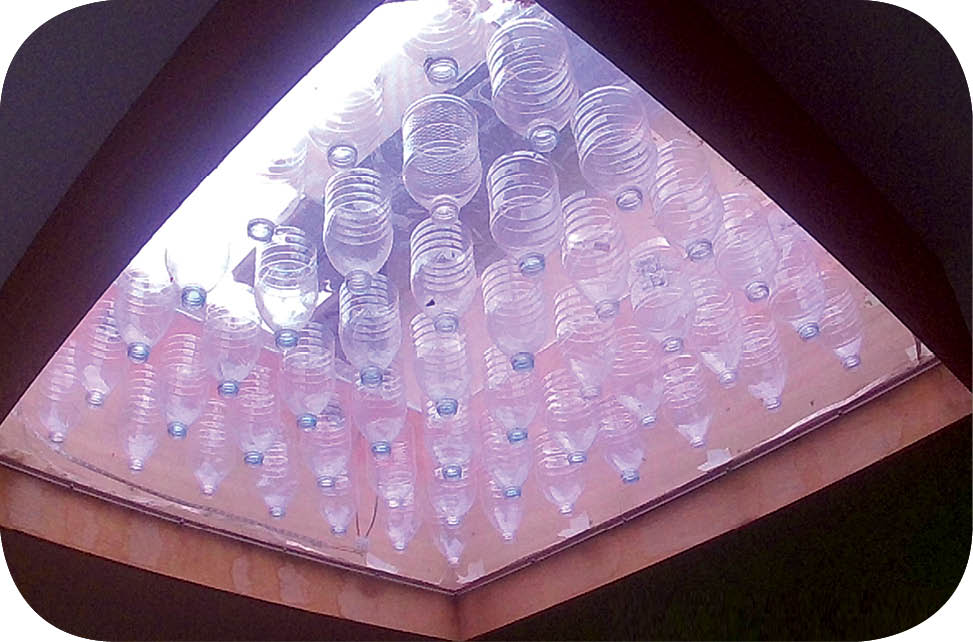
Plastic bottles used as funnels allow hot air to escape from the tiny home.
This story first appeared in TheEdgeProperty.com pullout on March 10, 2017.

This post has been edited by EnergyAnalyst: Mar 9 2021, 11:38 PM

TSEnergyAnalyst
post Mar 23 2018, 06:35 AM

Look at all my stars!!
*******
Senior Member
4,145 posts

Joined: Oct 2012
https://www.nst.com.my/amp/news/nation/2018...-future-kl-ites
user posted image
QUOTE
Go micro: Are micro-homes the future for KL-ites?

FEBRUARY 11, 2018 @ 8:48AM
BY SUZANNA PILLAY
KUALA LUMPUR: Can excessive car spaces in Kuala Lumpur’s city core be converted into micro homes to create new living spaces for people to move back into the city?

It is one of the more novel ideas of communal living being showcased at the WUF9 Village, part of UN-Habitat’s 9th World Urban Forum (WUF9) that Kuala Lumpur is hosting until 13 February at the KL Convention Centre.

The WUF9 Village which will be hosted at Medan Pasar, in the city centre is a collaborative effort by WUF9 local organizer Urbanice, Kuala Lumpur City Hall (DBKL) and Think City. Think City is a community-focused urban regeneration organization under Khazanah Nasional Berhad.

Two single-unit micro homes with a shared space have been erected at Medan Pasar for a month to test the feasibility of the communal living concept, said Think City's Programme Director, Partnerships Lee Jia Ping. The idea is to look into the possibility of creating a wider range of affordable housing options that are attractive to attract more citizens to live in the city. According to a Think City study conducted on the 214ha area of the historic core, around 54,000 people worked in the area but only 4,800 are residents.

" Each micro-home is roughly the size of two DBKL carpark lots, each measuring 2.5m x 5m, side by side. These parking lots could be freed up if more commuters use shared transport options like the MRT, Grab and Uber to commute, instead of their own vehicles. The idea is to convert excessive DBKL car park lots into micro homes with shared gardens, community spaces and other facilities that can be accessed by the whole community. "

Aside from micro homes, another option being looked at to increase housing in the historic core is the repurposing of older commercial buildings in the area for temporary or permanent residential use, said Lee.

Other WUF 9 Village events and activities will take place within a heritage building – 2Hang Kasturi. The Art Deco Heritage building built in 1937 will host a social enterprise market hall, a co-working space, interactive exhibition on liveability and a sensory urban experience. Visitors will also be able to see other regeneration projects throughout the historic core including parklets, a reimagined bus stop and a mural painting activity.

It is not the city itself that is the issue, Lee said, but the lack of content in the city that is the challenge.

" When we programme events and activities in the area, they are well- attended. We are now trying to create activities for people who work there, while simultaneously introducing more housing to encourage people to want to live there. It is a multi-pronged approach. We are not looking at any demographic, but rather the right psychographics to come back into the city. We want a young energy to come back into the city .You can be 50 and young at heart. "

Lee said an area particularly of concern lay within a one kilometre radius from the Masjid Jamek area, running from Sheraton Hotel Kuala Lumpur all the way down to the border of Kampung Attap. She said Think City wanted to raise the economic vibrancy of the area by offering a diversity of offerings.

" There is not much diversity in residence, demographic, like restaurants, retail and services here. Malaysians have left in droves for the suburbs. At the moment with no intervention, the vacuum is being filled predominantly by male migrants under the age of 40. Currently in the area you can only see services that cater to this group."


This post has been edited by EnergyAnalyst: Jun 20 2020, 09:21 PM
TSEnergyAnalyst
post Mar 27 2019, 10:31 PM

Look at all my stars!!
*******
Senior Member
4,145 posts

Joined: Oct 2012
https://blog.bumbung.co/2018/02/14/the-rise...is-it-feasible/

user posted image

QUOTE
The rise of Micro Housing in Malaysia, Is it feasible?
on February 14, 2018 at 1:40 pm
le3.png_1518310094
In many countries overseas particular those with limited land while facing a housing crisis has been looking for various ways of solving it. One solution is micro-housing. Despite the overwhelming property glut in Selangor and other states in Malaysia, Kuala Lumpur remains to be a place without sufficient accommodation for city dwellers to live in. A Think City baseline study found that there are about 54,000 workers based in the downtown of Kuala Lumpur area with only 4,800 of them were residents.  In the recent UN-Habitat’s 9th World Urban Forum at the KL Convention Centre, unique ideas on communal living are being showcased at the micro homes village.

The idea of implementation is to utilize existing DBKL parking lots, which measures approximately 2.5m x 5m by converting them into micro homes with shared gardens, and communal facilities. Another idea of micro housing is to repurpose aging and outdated commercial buildings to be residential units fit with communal living. Think City’s Program Director, Partnerships Lee Jia Ping has said that Think City aims to  increase the economic vibrancy of the area by offering a diversity in residence, demographic and various services.


WHO IS IT FOR?
Architect Jay Janette based in Seattle Area said that initially students were the main focus for micro housing but surprisingly, young professionals and older adults started to move in. He further elaborated that tenants don’t spend a lot of time at home as they go to work, go out and spend time with their friends and repeat. He added that because of the location in the city, they are able to pursue this lifestyle.


THE POSSIBLE BENEFITS
AFFORDABILITY
The core idea for micro housing is its price tag. Living at the heart of the city affordably is only a dream to most people. Sky high prices and limited accommodation narrows down accommodation choices for many. They may choose to either commute from distant towns with cheaper rents or opt to share living spaces with a roommate or a relative. Micro housing gives the opportunity for those seeking the city lifestyle at a cost of limited spaces. Micro housing can be an attractive investment  for investors with limited budgets. You can be sure that there will be a vast number of people looking for cheap accommodation.

CONVENIENCE
Having located deep in the city itself, amenities are everywhere to be found and any sort of goods or services are easily obtained. As KL was voted the 4th best city for expats in 2017, you can be confident in its diversity and offerings.

COMMUNITY ORIENTED
Communal living offers the choice of balance between private and common space that are designed to encourage community interaction, something that is not commonly found in fast paced big city lifestyles.

ENVIRONMENTALLY FRIENDLY
Due to its size and capacity, the environmental footprint created per square foot is smaller than those high energy consuming buildings with few inhabitants within them. This is ideal for environmentally conscious young workers who embraces minimalism while living green in the heart of the city. Utilizing the shared facilities with other residents, not many facilities will be required for maintenance and cost of management upkeep can be relatively low. Using green practices such as installing solar panels, rain water collection and reusing build materials procured elsewhere are some of the possible ways that highlights micro housing can be attractive.


CONCERNS
THE WEATHER
Light and height are two critical factors to micro-housing. In Malaysia, light is not much of a major concern due to its all year bright summer weather. This allows the installation of solar panels on top for self sustainable energy while high ceilings won’t be a requirement given the ample sunlight during the day. However, one major concern is the heat emitted by the scorching sun at certain times of the year. In traditional homes, proper insulation is installed in the roofs and the flow of ventilation is carefully considered. With micro housing, more test need to be conducted to foresee its feasibility from a design perspective. Its very easy for a micro home to turn into a big oven ready to bake its poor inhabitants alive.

MAINTENANCE
Just like any other properties with communal areas such as the usual strata condominiums, continuous maintenance is necessary. This is especially important for micro housing which can quickly become a fire hazard if not kept in check. It is one issue to ensure inhabitants pay their maintenance fees in time and another to keep the whole area in shape and welcoming. Micro housing will require proper planning and evaluation to keep the place in order before implementation.

CLEANLINESS
For micro housing to thrive and sustain for the foreseeable future in fulfilling its core purpose, there needs to be enforcement and cooperation from all parties. This includes a high standard for cleanliness and garbage disposal, including proper recycling procedures and systems. The affordable prices and limited spaces tend to open up opportunities for antisocial attitudes and  low responsibilities turning what could have been a healthy communal living into a derelict area filled with negative social behaviors from drug abuse to crime hotspots. As if KL needs anymore crime areas to mushroom up. If you look closely at low cost flats in the surrounding areas, many of them are poorly maintained, garbage and waste are littered on common areas such as staircases and walkways. This leads to irresponsible and the ‘tidak apa’ attitude that shows in the recent case of the boy who was killed by a falling chair at a PPR flat. It is really up to the residents of communal housing to uphold the standards of living in such areas.


WHAT DOES THE FUTURE HOLD FOR MICRO HOUSING?
According to an article by freemalaysiatoday, in 20 years time there will no longer be open car parks due to these spaces being re purposed into green areas consisting of micro housing and pocket parks. With the green innovation plan, about 30% of the city will be green areas. Additionally high parking charges will be imposed to encourage the use of public transportation much like what we see in highly populated cities today such as London, Tokyo and Shanghai. In an ideal scenario, we would eventually be able to see an efficient public transportation system that connects with the rest of KL. People will be travelling from one place to another using bicycles and visiting each other in micro homes while recreating the nostalgic closeness of ‘kampung‘ interactions at the heart of a big city.


Overall, micro housing in shared living spaces is definitely not for everyone. Micro housing will probably be suitable for young professionals with chic lifestyles or students living in on a budget. Other social groups such as families or old married couples may find it unsuitable to their palate and may opt for a normal home instead. Do you think micro housing will be the next big thing in the property industry? Would you be interested in living in one?

For more on the ups and downs of the Malaysian Property Industry, head on over to our new site, TheRoofTalks.

Interested in purchasing your dream property but don’t know where to start? Let us help you at PropRebate.com and receive cashback after signing for your new home!

Sources:

https://www.thestar.com.my/lifestyle/featur...e-the-heart-is/

https://www.nst.com.my/news/nation/2018/02/...-future-kl-ites

rage.com.my/big-city-small-living


This post has been edited by EnergyAnalyst: Jun 20 2020, 09:20 PM
TSEnergyAnalyst
post Mar 27 2019, 10:33 PM

Look at all my stars!!
*******
Senior Member
4,145 posts

Joined: Oct 2012
https://www.freemalaysiatoday.com/category/...ixed-reactions/

» Click to show Spoiler - click again to hide... «


user posted image


read more for older news

https://www.malaymail.com/news/malaysia/201...y-in-kl/1574113
TSEnergyAnalyst
post Aug 10 2019, 11:31 PM

Look at all my stars!!
*******
Senior Member
4,145 posts

Joined: Oct 2012
KUALA Lumpur City Hall (DBKL) will soon provide micro homes for graduates from rural areas to rent when they start work in the city.
Monday, 15 Jul 2019
Federal Territories Minister Khalid Abdul Samad said more than 300 apartment units would be identified to assist those who have completed their tertiary education and are seeking jobs in Kuala Lumpur.

Micro homes are one-bedroom apartments built in the urban areas catering mainly to those from the lower-income group.

“The low rent will help reduce their living costs as most of them are from rural areas and low income families.

“We hope this will also prepare them to be independent, this is the government’s mission,” Khalid told reporters after attending the 2019 King’s Scout Certificate award ceremony.

The ceremony at Akademi Kenegaraan saw 99 Scouts receiving the King’s Scout award.

To receive this award, Scouts must go through various tests set by the Malaysian Scout Association (PPM) such as administering first aid, orienteering and foot drill.

A honorary award was given to Zairian Adam Abdul Aziz who was chosen as one of the winners of the Asia Pacific Region Award for Outstanding Scout held in Manila, the Philippines.

This is the first time a Malaysian was nominated for the award.

“The Scout movement can be a strategic partner to achieve the ministry’s objectives as it ensures that community development programmes are implemented efficiently to resolve social problems.

Khalid supported the call by National Scout chief Tan Sri Dr Shafie Mohd Salleh that Kuala Lumpur Scouts need to have an office to operate and a site for camping and other scouts related activities, adding that the ministry would assist to secure the sites for the two facilities.

He added that the land for the office and camp site had not been identified as they have yet to receive information from the Malaysian Scout Association the specifications for the land.

“We will discuss soon, and come up with the best location to enable KL Scouts to hold more activities.” he said.

He added that the ministry would seek DBKL’s assistance to allow Scouts in Kuala Lumpur to use recreational parks in the city for their activities.


Read more at https://www.thestar.com.my/metro/metro-news...Umim3cBPds3e.99
TSEnergyAnalyst
post Aug 10 2019, 11:34 PM

Look at all my stars!!
*******
Senior Member
4,145 posts

Joined: Oct 2012
https://www.worldofbuzz.com/single-msians-l...aug-2019-heres/

MALAYSIASingle M’sians with Low Income Can Rent Micro-Homes For RM100 Starting Aug 2019, Here’s HowPublished 4 months agoon April 17, 2019By Tara Thiagarajan
Starting August 2019, Single M'sians With Low Income Can Rent Micro-Homes For As Low As RM100, Here's How - WORLD OF BUZZ 2Source: FMT & BFM News | Twitter
Share
Tweet
Rocket WOBLike us on Facebook for great stories daily!


Earlier this year, Kuala Lumpur mayor Datuk Nor Hisham Ahmad Dahlan unveiled that KL City Hall (DBKL) will be rolling out a micro-housing scheme for unmarried Malaysians in the bottom 40 per cent (B40) income group later in 2019.

Now, more details pertaining to this housing scheme have been announced. Nor Hisham told reporters yesterday (16th April) that applications for the first phase would start in August 2019. The first phase will accept 188 tenants, while the second will accept 135.

Starting August 2019, Single M'sians With Low Income Can Rent Micro-Homes For As Low As RM100, Here's How - WORLD OF BUZZ
Source: SelangorKini

The KL Mayor was quoted by the Malay Mail as saying,


“Applications for the first phase starts in August and they are expected to start renting the units from October at a low rate of RM100 per person.”

“We hope this will help lessen the burden among youngsters in need of accommodation in the early stage of their working life in the city.”

According to the New Straits Times, the mayor also added that tenants have the choice of signing a tenancy for one year or 18 months.

This housing scheme is reportedly based on a shared space concept, with each floor containing four to five units that are each 7 metres square. Each unit will have three to six beds and cupboards.


BFM News
@NewsBFM
· Apr 16, 2019
A mock-up unit as seen in Lot 54 & 57 of Jalan Tuanku Abdul Rahman. This is part of the upcoming micro-housing project by DBKL for single B40 working adults. Rental is set at RM100/month, inclusive of bills. Tenants are allowed to stay for a maximum of 18 months.

View image on Twitter

BFM News
@NewsBFM
Phase 1 of the project will be completed by Q4 2019, and phase 2 in Q1 2020. DBKL estimates it will cost around RM7mil for construction and assets, expecting to house up to 323 tenants. Applications are open to Malaysians aged 18-28, with an income not more than RM2,000 a month.

View image on Twitter
135
3:12 PM - Apr 16, 2019
Twitter Ads info and privacy
107 people are talking about this
The micro-housing units will reportedly be in two renovated seven-storey buildings on Lot 54 and 56 of Jalan Tuanku Abdul Rahman. Meanwhile, Nor Hisham added that this project would be expanding to other public areas, saying,

“DBKL will also re-use old buildings for this purpose and among the areas being considered including around Chow Kit.”


On top of that, this housing programme would have parking spaces for bicycles and motorcycles, lounge areas, prayer rooms, laundrettes, reading areas, pantries, and toilets.


Starting August 2019, Single M'sians With Low Income Can Rent Micro-Homes For As Low As RM100, Here's How - WORLD OF BUZZ 1
Source: NST | Twitter

For applicants to be eligible for this housing scheme, they have to be;

A Malaysian citizen
Between 18 and 35 years old
Earning less than RM2,000 a month
Work in KL
Do not own a house or a car


Applications can be made online via DBKL’s E-Housing portal

http://eperumahan.dbkl.gov.my/erumah/


TSEnergyAnalyst
post Aug 12 2019, 01:39 PM

Look at all my stars!!
*******
Senior Member
4,145 posts

Joined: Oct 2012
https://www.iqiglobal.com/blog/what-is-micr...ty-in-malaysia/
» Click to show Spoiler - click again to hide... «


This post has been edited by EnergyAnalyst: Jun 20 2020, 11:36 AM
TSEnergyAnalyst
post Jun 19 2020, 10:12 PM

Look at all my stars!!
*******
Senior Member
4,145 posts

Joined: Oct 2012
Minimalist joins tiny house movement with 140 sq ft dwelling in Tamparuli
METRO NEWS
Saturday, 07 Mar 2020

3:00 PM MYT
By KRISTY INUS


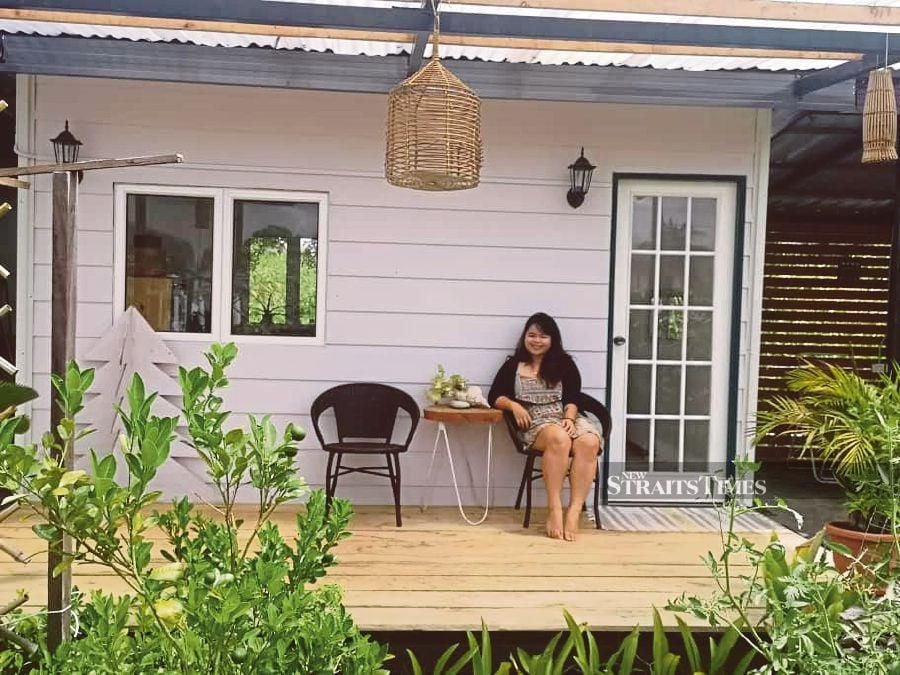
TAMPARULI: Every night, Sheena Sonnia Yee gets to go to bed with a special view of the stars in the sky.

And in the morning, the 26-year-old is greeted by sunshine that seeps through the glass panels in the roof of her house in Tamparuli, making full use of the natural light to brighten the place.

It would sound like a dream home for anyone, but not every one would put their money and energy to design and build a 140 sq ft residence.

Yee is part of the growing minimalist movement worldwide adopting the trend of tiny houses.


"I learnt about being minimalist and reducing waste when I was studying maritime logistics in Australia.

"When I came back to Malaysia in 2018, I started to adopt this lifestyle. I watched so many online videos on tiny house living and I was inspired," said Yee, who works in the family hardware supply business in Kiulu.

Last year, in April, Sonnia started the journey of building her dream home, which she designed, on a plot of land next to her family home.

"The biggest challenge was finding the right materials and the right people; most builders would find the ideas relatively new here, such as maximising living space using compartments.

"I was lucky that my elder brother was involved in building houses as a contractor and he actually helped me find the labour," said Yee, who spent about RM25,000 to RM30,000 to build her house.

Adopting designs from online videos, Yee came up with a compact layout that was functional and space-saving, such as compartments for clothes and items under the stairs that led to her sleeping area upstairs, and kitchen storage that includes pull-out drawers.

The glass panels on her door and ceilings, besides the windows, would also mean she uses less lighting during the day, hence reducing electricity usage.

Most of the house is built using fibre cement prima planks and wooden planks, and it has wooden laminated flooring.

Yee scoured thrift shops for second-hand items such as kitchen ware, which was cost saving, and she decorated the place with live plants.

Come Chinese New Year this year, Yee was finally able to move in, saying goodbye to the huge bulk of her personal belongings, as she only brought the necessary ones into her new home.

In the front yard, she has a mini garden where flowers, vegetables and herbs are being planted.

"Living in a tiny house is not for every one. The ones who choose to normally are environmentalists who want to reduce their carbon footprint.

"But I believe small living spaces can still satisfy our needs, even our ancestors used to live in sulap (hut in Kadazan language) but as time goes by, we ended up loving more material things that we forgot the value of living the simple way," said the third of four siblings.

But more importantly, she said the decision she made gave her financial freedom as she is not tied to housing loans at a young age.

"I am at the age where most people are looking to buy apartments or houses, but if you have your own land, why not build a house?

"Now I do not have to worry and can focus on other aspects in life such as my relationships with my loved ones and friends," Yee said, satisfied at finally achieving her 2019 goal of owning a tiny house.

"My advise for those interested in building their own tiny house is to be patient, it might be a long process to get it just like you want it. You also do not have to buy everything new," she added.

Yee is still considering whether to install solar panels to power up her house, as that would be quite an expensive undertaking.

https://www.thestar.com.my/metro/metro-news...ng-in-tamparuli

https://www.nst.com.my/news/nation/2020/03/...-free-tiny-home

user posted image

user posted image

user posted image


A late news overshadowed by COVID-19 in March this year
TSEnergyAnalyst
post Jun 20 2020, 01:02 PM

Look at all my stars!!
*******
Senior Member
4,145 posts

Joined: Oct 2012
How much would one cost in Australia?

The many articles so far mentioned in Malaysia even in East Malaysia it only cost RM30k to build. The rest is land cost which can varies.

Any idea what is the difference in both countries' regulations on these tiny houses?
TSEnergyAnalyst
post Aug 5 2020, 09:56 AM

Look at all my stars!!
*******
Senior Member
4,145 posts

Joined: Oct 2012
https://www.malaymail.com/news/malaysia/202...inister/1888779
QUOTE
For micro homes, the rent is expected to be at RM100 a month and we expect around 1,000 micro homes to be constructed in five years,” said Annuar.

He added that the micro homes will be developed specifically for labourers working near wholesale markets. At the same time, the government is also studying a more comprehensive housing policy for the nation’s capital.


Yikes


4 Pages < 1 2 3 4 >Top
 

Change to:
| Lo-Fi Version
0.0266sec    0.28    7 queries    GZIP Disabled
Time is now: 24th December 2025 - 06:59 AM