The Edge - The Developer Focus on RawangLakeClub Parkhome
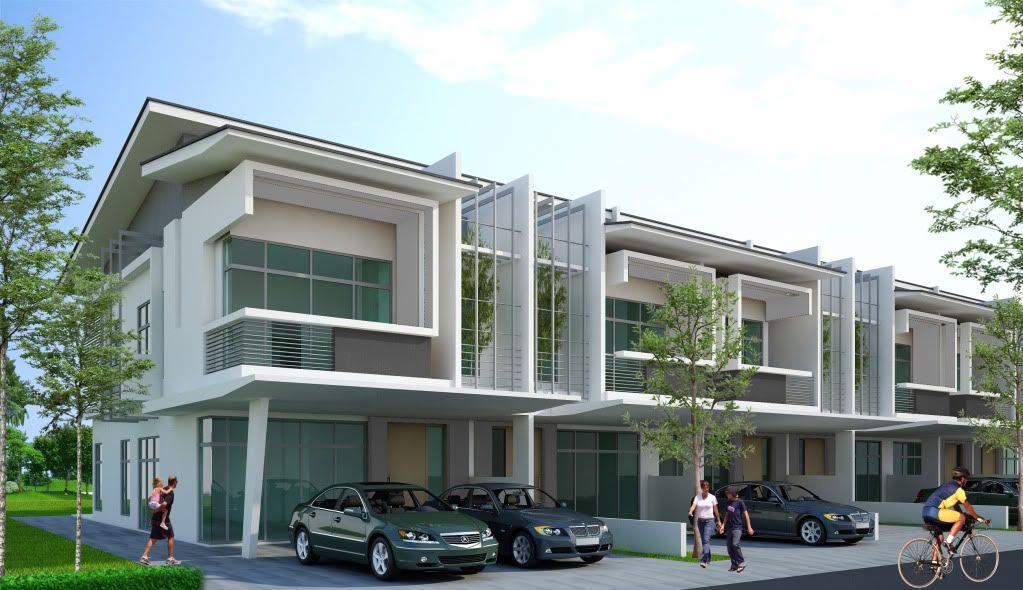
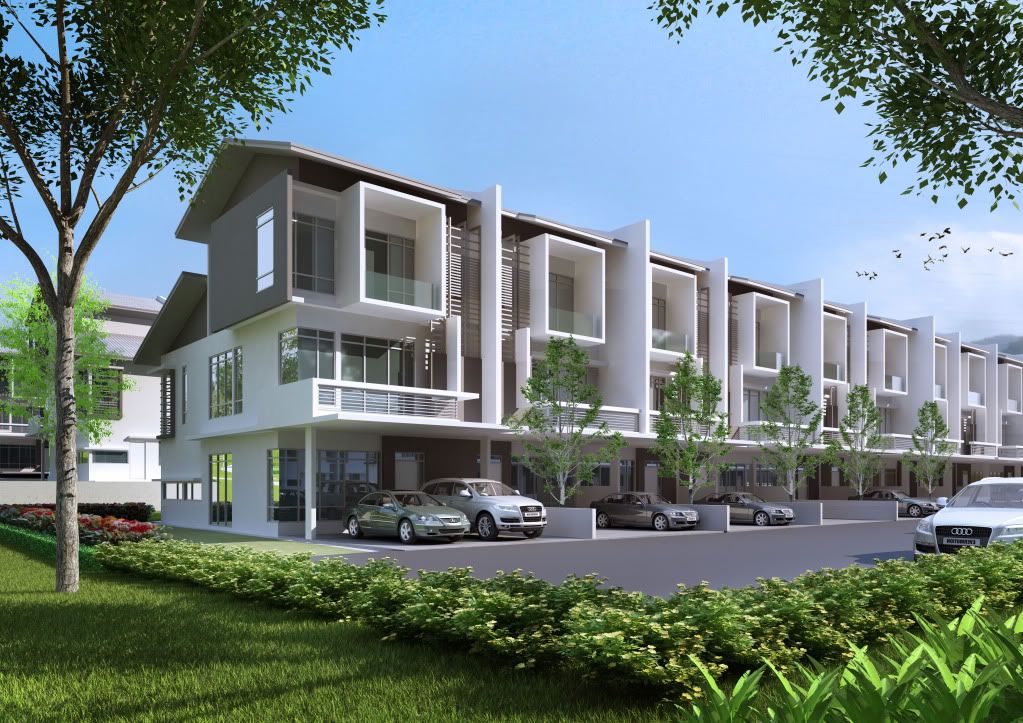
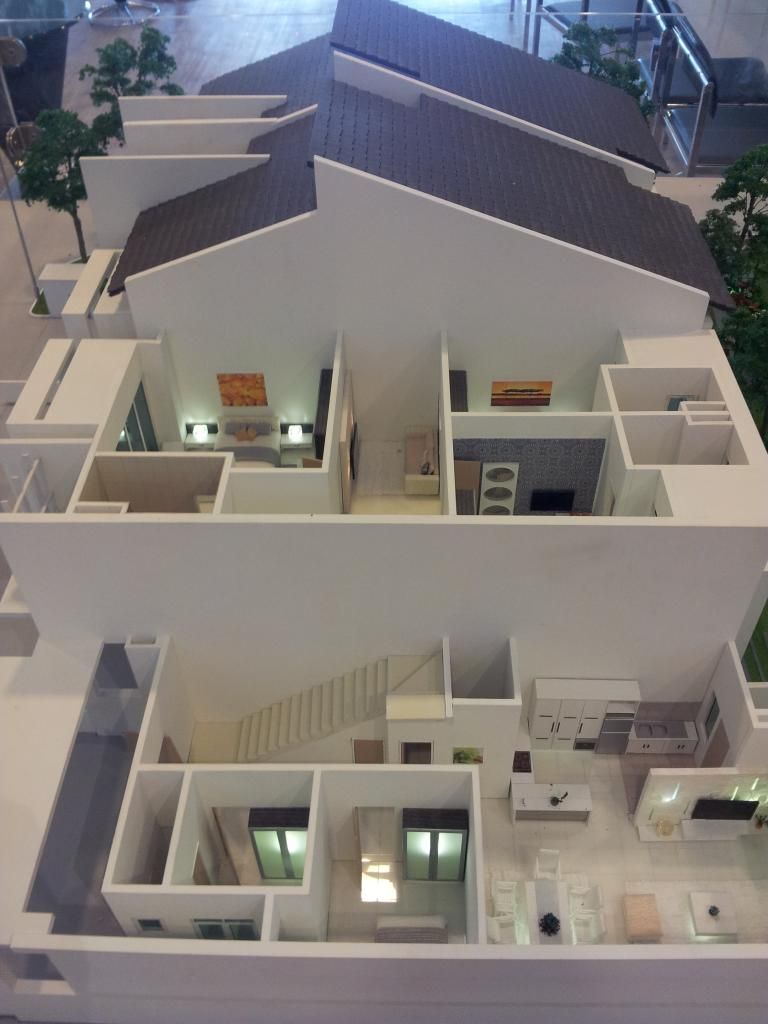
The unique selling point of LakeClub Parkhome is its inverted layout and open green concept — the living room and kitchen
face the back of the homes, overlooking a shared green space measuring 30ft or 60ft, says DA Land director Sip Mun Yee.
The extra room (or maid’s room) and the toilet are at the front near the entrance instead. Homeowners have the option of
breaking the walls of the extra room to create a larger living room extending from the front to the back.
"From our observation, we realised that the area at the back of the homes in most housing schemes is not put to good use,"
says Sip.
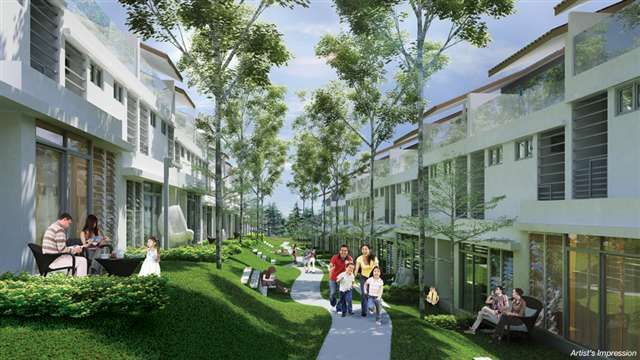
Most buyers, he says, welcome the idea of having their living room face the green space or garden at the back instead of the
front of the house.
The green space will be maintained by a management company.
"This is different from the conventional design where the living room traditionally faces the front porch, which often ends up as
a parking space anyway," says Sip.
Another unusual feature is that the houses won’t have gates and only have low brick walls separating one unit from another.
"We want to create an open concept where there are less barriers between neighbours so that they can mingle and
eventually foster a close-knit community, as seen in kampungs," explains Sip.
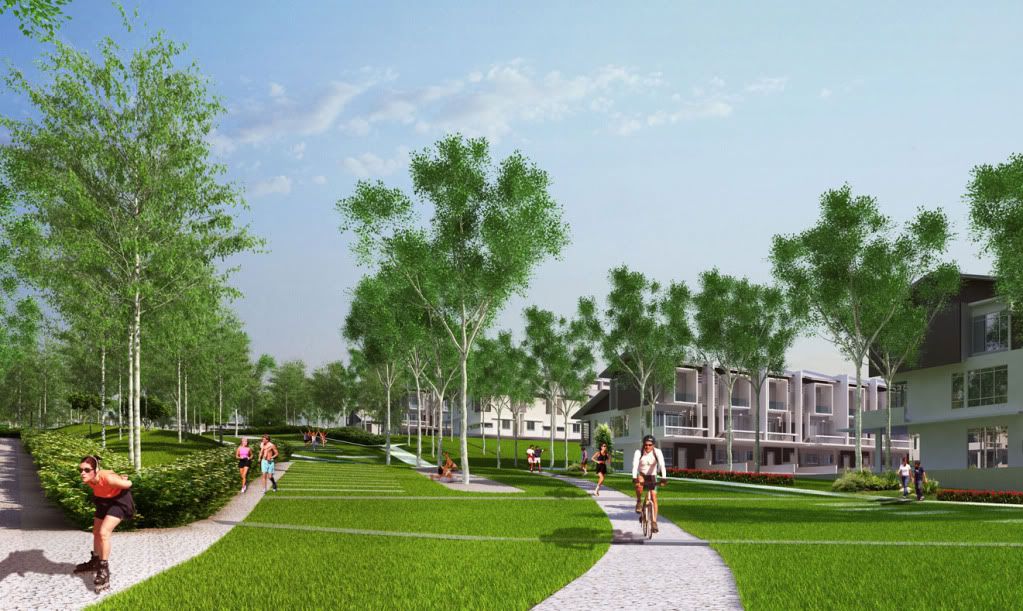
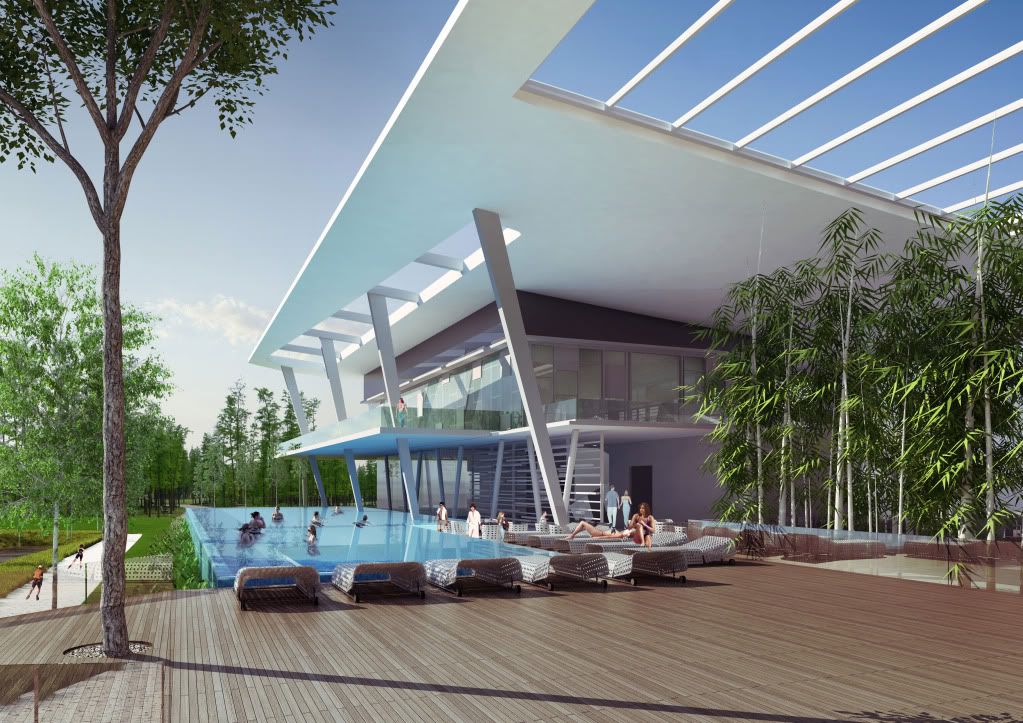
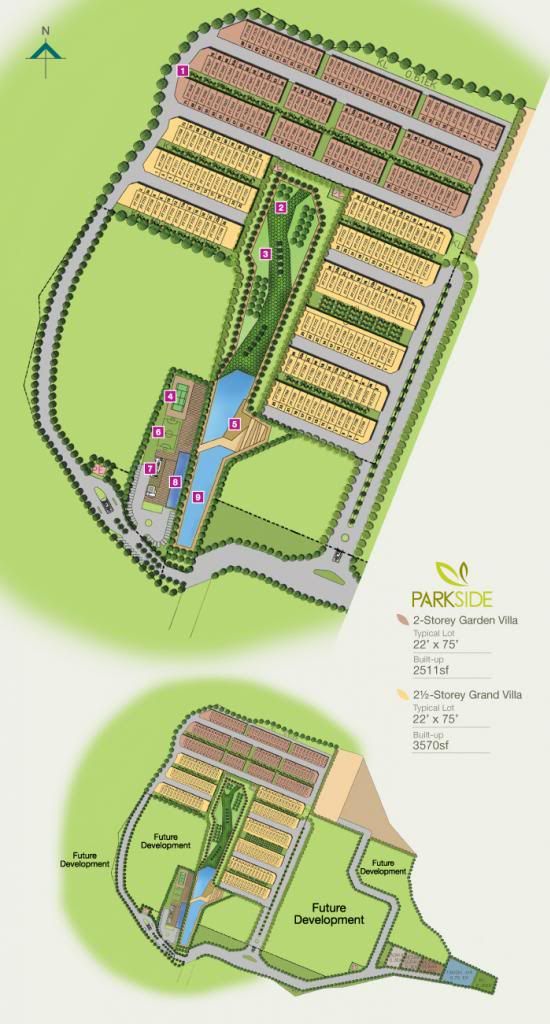
Some 11 acres will be set aside for a central park as well as linear parks. There will be a clubhouse with facilities that include
futsal and badminton courts, table tennis, swimming pool, gym, tai chi zone, multi-purpose hall and barbecue area. There will
even be a pet-friendly zone with its own pool.
The development will be gated and guarded with CCTV and perimeter fencing, and have a small commercial component.
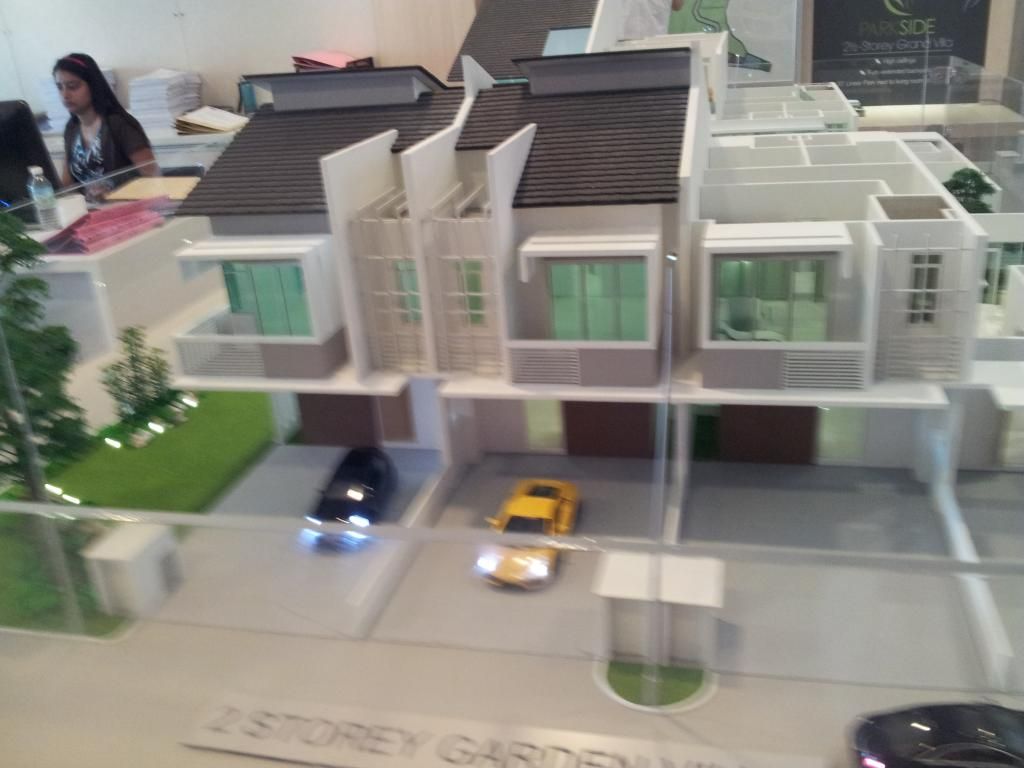
The 2-storey units are priced from RM700,000, and the 2½-terraced homes from RM900,000. The homes, designed by GM
Ling Architects, are fully extended, with built-ups of 2,511 to 3,570 sq ft.
All LakeClub Parkhome buyers have to sign a perpetual deed of mutual covenant, which requires them to get approval from
the township’s management before they can carry out exterior renovations. This is to ensure that the development retains its
overall look.
Sip says there have been many cases where irresponsible house owners renovate their homes with gaudy, over-the-top
designs without consulting their neighbours, affecting the aesthetic value of the overall design. Some unfortunate house
owners are even reported to have found it difficult to dispose of their homes in the secondary market due to a neighbour’s
architectural whims.
Chew says most of the first phase buyers are relatively young, in their thirties and above. Other buyers include upgraders
now staying in areas such as Subang Jaya, Selayang, Kepong and Sungai Buloh, some locals from the Rawang and
Serendah vicinity, and a small percentage of investors.
Development plans for the rest of DA Land’s landbank in Rawang include a 51-acre commercial development, while the
remaining area is earmarked for another residential development.
The developer sees great potential in Rawang and hopes to acquire more land for niche developments there. "We aim to
continue to focus our future projects solely in the Klang Valley. Looking ahead, we hope to establish and build a strong brand
name," says Chew.


 Jul 10 2012, 01:33 AM, updated 11y ago


 Quote
Quote







 so most will use the toll road...
 .
.
 ?
?


 Interesting concept.. Anyone going to the launch event?

 if is not the same as advertised


 any buyers around here share your points
 , I really hope the workmanship will be good!






 0.1588sec
 0.45
0.45
 6 queries
 GZIP Disabled