Added on August 1, 2010, 8:30 amThe creation of new movements came about due to Swatch Group's policy not to sell unfinished movements in part to combat what Swatch groups claim to be the counterfeiting of their watches.
For several years smaller watch makers have purchased the following movements:-
1. The ETA for automatic watches
2. The Unitas for mechanical &
3. The Valjoux for chronographs
This has the advantage of allowing the smaller makers to ramp up quickly & lower their costs of R & D . By standardizing the movements, it allowed Swatch to lower the costs of production & revive the Swiss watch industry.
The consolidation of the Swiss watch industry by Swatch & Richemont effectively created a duopoly in horological circles.
We first saw this with Rolex creation of their own in-house movement for the Daytona Chronograph after Zenith was acquired by one of the two majors.
The above movements have been around for several decades & despite what watch snobs refer to as the lack of purity of certain brands due to their use of the above generic movements, I would argue that these movements are reliable & proven. Speaking from personal experience, some of my watches that use these generic movements are more reliable than some in house movements from high end watch manufacturers. I have taken the step of substituting some of my older watches with these movements for daily use & inserting the original movements when I decide to sell or trade the watch.
There were allegations & rumors around European watch circles that individuals were purchasing cases & dials from spare part suppliers & inserting ETA or Unitas into them.
A good example is Panerai where the previous mechanical movement was in fact a Unitas. Some enterprising individuals noticed this & started buying Panerai parts from Ebay & assembling them with Unitas movements . All well & fine until the purchasers took the watches for service to authorized repair centres !!
The use of third party movements as well as the swapping of movements has historical precedents.
The early (& very collectible ) Dunhills & Cartier watches used IWC & LeCoutre movements, early versions of Tudor watches had Rolex movements .
There were incidents of Tudor owners purchasing Rolex cases & swapping the movements across which resulted in savings of up to 70% over buying the Rolex versions of the watch. Rolex subsequently replaced the Rolex decorated movements & phased out their movements completely from Tudor to prevent customers from arbitraging from this.
The late Nicholas Hayek claims that this will help spawn innovation in the watch industry. There is some truth in that more independent manufacturers are coming out with in-house movements but still depend on the big two for a vast majority of their parts. It remains to be seen if Swatch will also restrict the sale of parts & caused the independents to be "manufacturer" in the true sense of the term.
As for me a collector, hobbyist & consumer, the strategic move by Swatch may result in higher costs of procuring mechanical watches & having to put up with the questionable reliability of these new in house movements.
These represent my personal views and is not to be construed as a criticism of Swatch's strategic intent or to cast doubts on the reliability of the new in house movements .
In my mind, a watch should not only tell time but do so reliably & accurately.
+1 to the above, and 'resonable' price to maintain and parts avalaibility.
Only times will tell whether the late Hayek's decision is right or wrong.


 Jul 30 2010, 09:59 PM


 Quote
Quote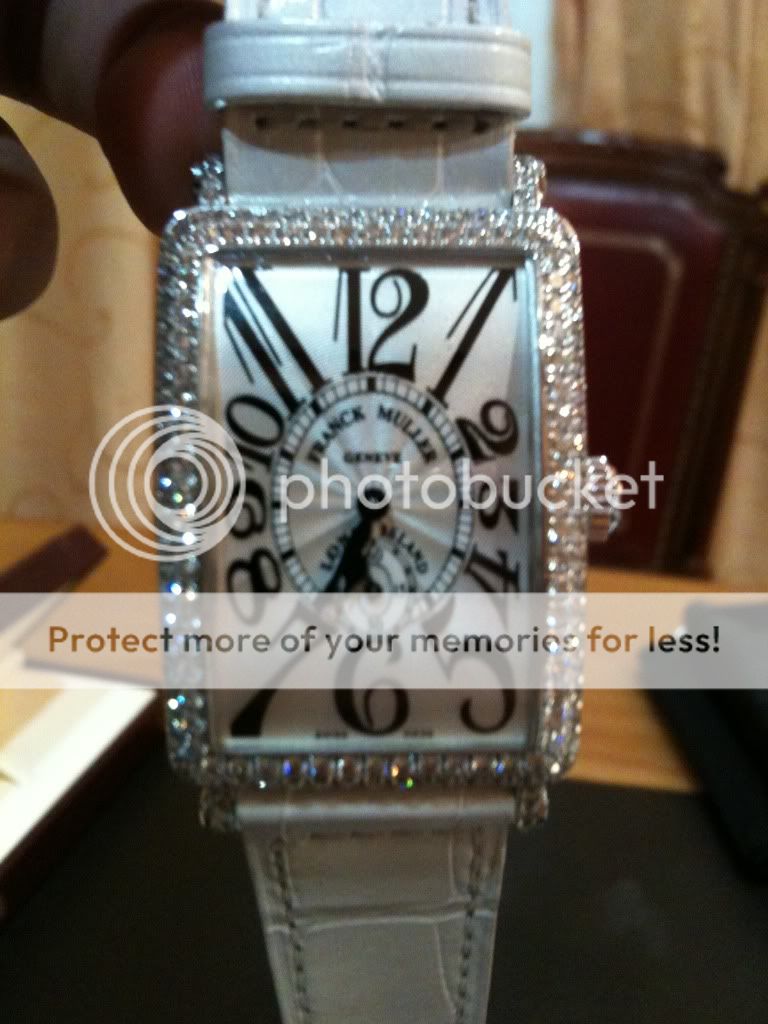
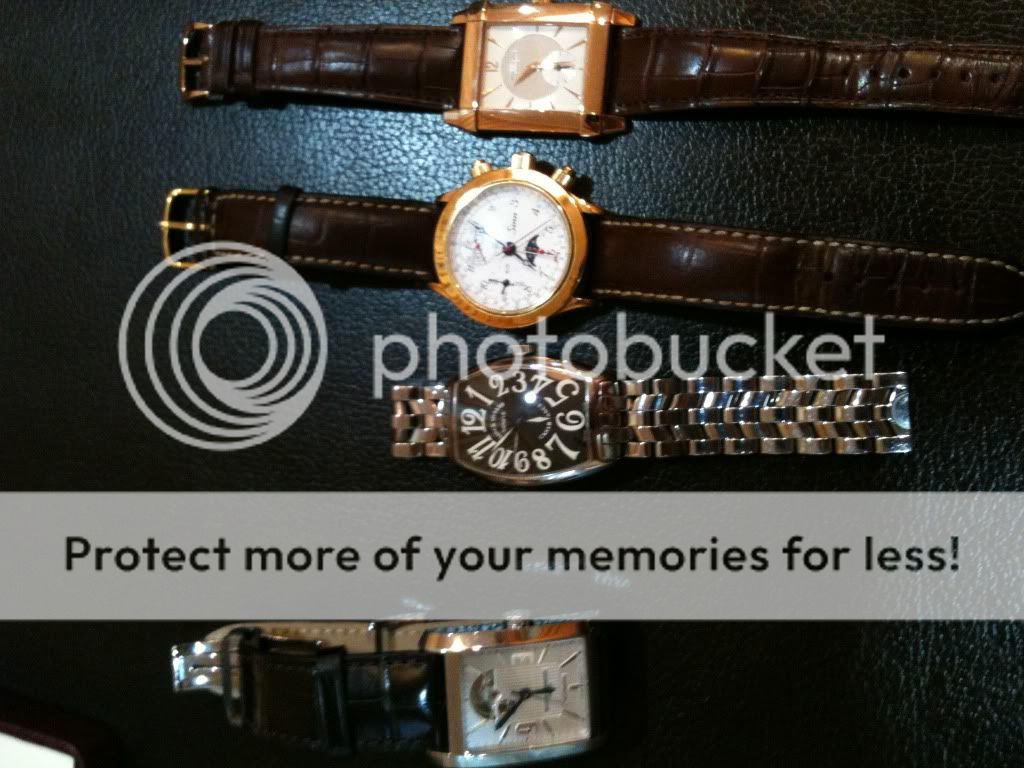

 Please post more pictures and review.


 0.0469sec
 0.46
0.46
 7 queries
 GZIP Disabled