

 Dec 7 2021, 01:33 PM


QUOTE(Mr Mercedes @ Dec 7 2021, 11:43 AM)
Previewed in Malaysia at the Kuala Lumpur Convention Centre in conjunction with the launch of the Bumiputera Development Action 2030.
501 km range
141 hp, 210 Nm torque
0-100 km/h= 7.6 seconds
top speed=152 km/h
target figure is below RM130,000 for the CBU model
Source :paultank

China city EV (mini/micro cars) always use NEDC which the range is already unrealistic. On top of that most China EV advertised bloated range even compare to other brands with NEDC rating.501 km range
141 hp, 210 Nm torque
0-100 km/h= 7.6 seconds
top speed=152 km/h
target figure is below RM130,000 for the CBU model
Source :paultank
Ora Good Cat has 47.8 kWh and 59.1 kWh and claimed 401km and 501km respectively.
59.1kWh is impossible to do 501km on combined usage.
A proper 75kWh+ compact/mid size EV can do close to 500km on pure city drive on real world test. High 300km close to 400km for combined usage. Pure highway 100km/h is just over 300km.
This Ora is expected to do upper 400km if and only if strictly never drive above 60km/h. Combine usage would be 350km. Pure highway anything above 80-90km/h no more than 250km.
Conclusion and guidance
EV with NEDC, subtract 20% for combine usage. Specifically for China city EV with NEDC, subtract 30% for combine usage.
EV with NEDC, subtract 40% for highway usage. Specifically for China city EV with NEDC, subtract 50% for highway usage.
EV with WLTP, use as is for combine usage, and subtract 20% for highway usage, and add 20% for pure city drive.
China proper fast back saloon EV with big 70-80kWh battery capacity can use general rule 20%/40% subtraction from their NEDC mileage. Example Xpeng P7, BYD Han.
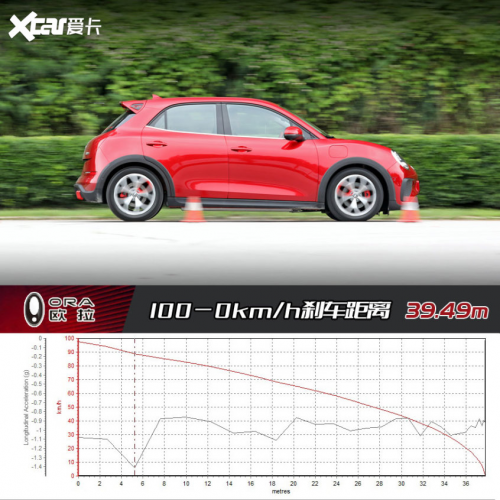
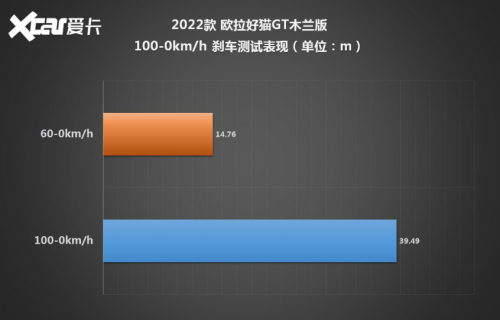
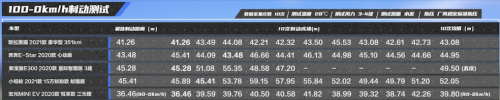
On top of that the Ora throughout their product lines, the braking distance is worrying. Because of their target city car nature, the installed brake is not good. Ora is over 40m, so be sure leave extra one car length vs any normal car.
Average braking distance 100km/h to 0 is about 35m. Even you take normal A/B segments Axia/Myvi also at worst upper 30m, no more than 40m. Super car low 30m, what they get is heat capacity on multiple braking repetition, they don't brake shorter than normal car by large margin if emergency brake a couple times. A few hypercar can brake sub 30m, but that's only handful of them.
This is the "gold rush" period in China where everyone jump into the bandwagon, 90% of the EV are mini/micro cars. Most of these companies will fail and disappear/move to other money making business in next 5 years. This is good, where the fittest and those really do R&D would survive. So we need to have sharp eyes, pick the good company that serious on making sustainable business. Like Xpeng P7 chassis tuning (at least the first version) was outsourced to Porsche. Just like Tesla hired Lotus during their early days (not sure if still the case). This is because they are more like tech company than car makers, and they know their weakness, and committed to offer good product to customers. BYD no need to say, they are the battery tech giant and were in the market for many years even before EV become the trend. They started by making EV busses and lousy cars then gradually move up the ladders to where they are today. BYD also export battery to some international EV makers, consumer electronics.
Great Wall been making cheap ICE vehicles for 3rd world countries, now sub-brand Ora just join others to flood the market with mini/micro EV. There is no confident 5 years later they will still in this business.
This post has been edited by constant_weight: Dec 7 2021, 01:38 PM
 Quote
Quote

 0.0198sec
 0.79
0.79
 6 queries
 GZIP Disabled