I never really came out as bisexual, and the invisibility can stingSource:
https://www.theguardian.com/commentisfree/2...ility-can-sting
I
never really had to come out as bisexual, because honestly, it just
never came up.I’ve dated women before, and told a handful of my friends and my immediate family, so it’s
not like it’s a secret, but my only
two long-term relationships have been with men, so most people just
assume I’m straight. (In fairness, the frilly dresses and obsession with Timothée Chalamet probably lure people into a false sense of heterosexuality as well.) It’s often easier just not to correct them.
I do have a
trick for when I want to let people know. I have a
trilogy of bad dates I went on between my relationships, and I fire them off in quick succession.
“The
first guy turned out to have a
secret son, the
second dude got way too annoyed at me for
not reading enough books, and the last one,
she turned up to a date
black-out drunk.”It’s a
“blink and you might miss it” pronoun revelation. Everyone is too afraid to ask, for fear that they might have just misheard.
Having
never been in a serious relationship with a woman I’ve never been forced to have those
difficult conversations with my extended family, or compose an Instagram post declaring my identity. Because I never had to, I never did. I’ve certainly
reaped the benefits of that decision, but it
isn’t without consequences.When
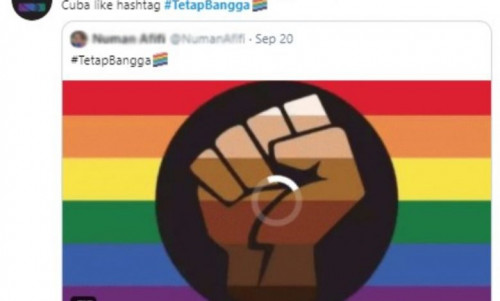
23 September rolls around and
“bi-visibility day” posts fill my social media feed, it
makes me feel strange, because I know my own actions, and a society with a long history of heteronormativity have combined to make me almost invisible.
Being
part of the LGBTQ+ community has never really felt like something within my grasp. I say to myself,
I haven’t struggled like everyone else did.
No one has ever told me I’m
going to hell for loving my partner, or
glared at me for holding his hand. So in a way, claiming to be one of them makes me
feel like a fraud.I went through all the
emotional turmoil, self-hatred and unrequited love in high school to be part of the club, but then it’s almost like I’ve let my membership card expire.
And
bisexuality is different to being gay in a lot of ways. There is far
less culture and language or established identities to gravitate towards. Besides tucking in my shirt, cuffing my jeans and loudly listening to the song Sweater Weather there isn’t much I can do to “connect with my people”.
“Bi-culture” is slowly developing, but sometimes it still feels like the most cohesive
common experience we have is people
dismissing bi-men as gay and bi-women as experimenting.Having only been in relationships with men, even other LBGTQ+ people I have come out to have their
blind spots when it comes to my sexuality.
Proudly gay people have proclaimed themselves to be the
“only queer person in the room” as my boyfriend
squeezes my hand because he knows it
bothers me. Other
bisexual women have had me cornered at a party explaining how I
“wouldn’t understand their experience”. It’s a first-world problem, but it still
stings.There is also a part of me that’s afraid that
if I’m too loud about my identity, people will think I
don’t love my boyfriend. When you are bi or pansexual, but in a relationship, the very act of defining that part of your identity is
highlighting the fact that there are
other people that you could possibly be
attracted to. My incredibly supportive boyfriend isn’t fazed by that, but I still worry about the world judging our partnership as
less worthy and less pure.The other problem with
never really having
come out is you also never really have to
deal with your own ingrained hatred of your sexuality. In all honesty, a large part of the reason I never posted about it to social media is the
fear of seeming cringeworthy. “Honestly,” I would say to myself,
“who really gives a shit?”There have been times that I have
told people I’m bi and they reply,
“Oh, well who isn’t?” I’m sure they were trying to make the (very valid) argument that
everyone falls somewhere along the sexuality spectrum, but all that turn of phrase achieves is compounding my feeling that if I “come out” people would just
think I’m seeking attention.Bi representation on TV is slowly getting better with B
rooklyn 99, Crazy Ex Girlfriend and even reality shows
Vanderpump Rules featuring characters and cast members explicitly
defining themselves as bisexual, but this still in far from the norm.
Actor
Kristen Bell confirmed her character in the Good Place, Elenor, was bi in an interview but said they
didn’t need that to be “harped on” or made explicit in the show.
Often
on TV the best you get is half a line about
“sexuality being a spectrum” and their identity remains unnamed and unexplained. It’s
almost like the word bisexual is a bit
passé or uncool. So, in turn, I’ve always been embarrassed to use it.
The
raging pit of internalised biphobia within me would look at other people brandishing their sexual identity and
wonder why they don’t just be a bit mor
e low key about it like me. It’s easy to
pass off being semi-closeted as just being
socially progressive sometimes. It’s also easy to use derision to
hide your own green envy of others’ capacity for
self-acceptance.I
wouldn’t change my relationship for anything, but I
shouldn’t feel like I have to in order to validate my identity.
Being
invisible and quiet and oh-so-casually surfing the
“heterosexual until proven otherwise” wave is
easy. It served me well for a while but now it feels like I’m
enforcing the very social pressures that have silenced me since I was teenager.
So, with that being said, this
bi visibility day feels as good as any to decide for myself that
my LGBTQ+ membership card has been renewed.
Added on Being a purely gay person, I never realised the internal struggles by bi people. This article is really eye-opening.
It's one day late but Happy Bi-Visibility Day, everyone!



 Sep 3 2020, 11:01 AM



 Quote
Quote






 0.0894sec
 1.11
1.11
 6 queries
 GZIP Disabled