QUOTE(jcheong @ Jun 12 2007, 08:38 PM)
At the end of the article it was posted:
QUOTE
Leopard beta does support ZFS and has done for months. Just to to the Disk Utility -> Erase. The pulldown gives all the usual options plus ZFS, using the full name and acronym. Of course only developers get to see the beta.
Sun hasn't got Solaris to run with ZFS as the boot drive, or at least reliably, so ZFS is only available on non-boot drives on Sun systems, so this is also the case for Leopard.
More interesting than just ZFS drives is RAID-Z. A new form of RAID which uses ZFS and overcomes one of the major problems with RAID, the write hole.
QUOTE(jcheong)
imo, the keynote addresses a disaster to the Apple community actually. Nothing new, the new desktop looks like Vista especially that glass effect which I thought was Steve's joke and the iPhone with no Flash support and no SDK is really bad news for developers.
If anything I would say Vista looks a lot, if not all, like OSX first

And for the iPhone, it does seems disappointing at first, but as Cnet puts it:-
QUOTE
1. Opening Safari to Windows is a great move for the development community. Windows developers can now test Web apps for Safari on Windows machines.
2. One of the iPhone's drawing points is that it runs a full browser (albeit one that won't support Java and possibly won't support Flash), and the iPhone hype machine promises an unparalleled browsing experience for a mobile device.
3. Because Safari is the application platform for the iPhone, Safari on Windows creates a much bigger pool of developers for the iPhone than releasing an SDK would. Making any site "iPhone-compatible" will be the hip thing to do, and developing for a touch-screen device could unleash some serious creativity. (Think of the possibilities for porn! Glorious, touch-interactive porn!)
4. Non-native apps also means that iPhone users won't need to download packages or install software. This could be a significant factor for a device that only has 4GB or 8GB of storage (and a lot of songs and videos competing for that space).
5. Web-based apps running on Safari creates no additional security issues for the iPhone. Your iPhone will be as secure as Safari is.
6. Because the apps are Web-based, they are cross-platform by nature. But if you run them on the iPhone, you get a little something extra: a touch-screen interface. During the keynote, VP of iPhone software Scott Forstall mentioned that Web apps will "know" they're running on an iPhone and act accordingly. Java's "write once, run anywhere" mantra may be perfected by the iPhone (ironically, a device that purportedly won't run Java).
From:
http://asia.cnet.com/reviews/mobilephones/...62020487,00.htmThis post has been edited by civic98: Jun 12 2007, 09:16 PM 

 Jun 10 2007, 08:28 AM, updated 19y ago


 Quote
Quote


 been doing that for past few years, it's like an annual event for us.

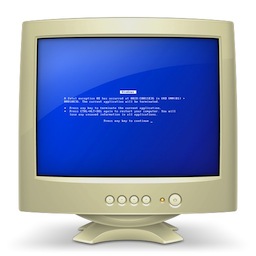


 Great joke he made there: Leopard shipping in October. Basic version, $129. Premium version, $129. Business version, $129, Enterprise version $129. Ultimate version, $129
  Take that Microsoft!


 0.0304sec
 1.53
1.53
 5 queries
 GZIP Disabled