A forummer here wants to upgrade his Tern C7 with a triple chainring. The original gear inches is now from 74.28 GI to 37.14 GI. (
GI is gear inches and the smaller the GI the lower the gear [meaning easier to pedal] ). That means the variation is from the figures mentioned. If you add a triple in front , the variation goes from ,
biggest chainring 52 teeth -
74.28 GI to 37.14 GI middle chain ring 42 teeth -
60.00 GI to 30.00 GIsmallest chain ring 30 teeth -
40.00 GI to 21.42 GI
As you can see, there are many over lappings between the 3 ratios and ultimately the gear ratios for such modifications is from
74.28 GI to 21.42 GI.If you use double chainring setup the variation is ;
big chainring 52T - 74.28 GI to 37.14 GI
small chainring 39 teeth - 55.71 GI to 27.85 GI
that means the gear varies from
74.28 GI to 27.85 GI and that's not very far between a triple and the double but the double provides a very trouble free shifting and smoother too.
Another alternative is to upgrade the rear to 9 speed ( off course if you have the dough you can go straight to 10 speed for more smoother shifting ).
chain ring 52 teeth with 11T/32T = 32T being the maximum I suggest although there are 36T also. This is to ensure that the rear derailleur cage don't hit the ground or the rims.
This setup gives a variation of 94.54 GI to 32.5 GI. The higher gear means you can pedal faster on a flat or even pedal downhill where else in the above configurations, you will be free wheeling on flats with the smallest 14 teeth cog at the rear.
The drawback of the first option is, when you have attain some level of fitness and when you want to pedal faster, you CANNOT as the rear's smallest is 14 teeth. And when you want to upgrade again, you have to start all over again.
That's because the 7 speed set up is different from 8,9 and 10 speed. You cannot use the shifters, chainrings/crank and almost everything have to be changed and the money on the first mod is wasted. That's why I always suggest modifying the rear first and go through the ardous task to pedalling in higher GI to train your legs. And once you attained this, modifying the front will give you all the advantage of 94.54 GI to 17.5 GI.
For one, I think it is better to train our fitness to a level where it is comfortable to ride without changing gears at the Putrajaya lakeside. Presume your comfort level on flats is 52 front and 14 rear (the highest gear on a 7 speed setup) , you ride constantly and until a level it's is easy. When you want to ride even faster or further (because there must be variation for long distance rides) you can't because that's the maximum. So, that's why the smaller rear cogs will be needed once you have attain the level of fitness. There are some drawbacks on triple chainring setups as there are a few ratios you can never use because the chain is sagging on the smallest chainring and on two or three smallest rear cogs. So, this configurations are not usable but the GI can be found with the middle chain rings though.
Many new riders are making a mistake on relying on easier gear ratio (lower) to tackle hills without trying to train harder to a better level of fitness. I think this is because they ride in a group and try to catch up with other more experienced riders. every rider have to go through the phase, there are no short cuts, of course unless you fit in an electric motor.

My point is, having more gears are good but we still need to train our fitness level.
Just for comparison sake, the gear inches for a 30 speed 26 inch mountain bike is 104 GI to 15.88 GI. The lower gear is because the chain ring is smaller than the largest rear cog.
This post has been edited by etigge: Nov 6 2015, 12:08 PM 

 Oct 30 2015, 12:08 PM


 Quote
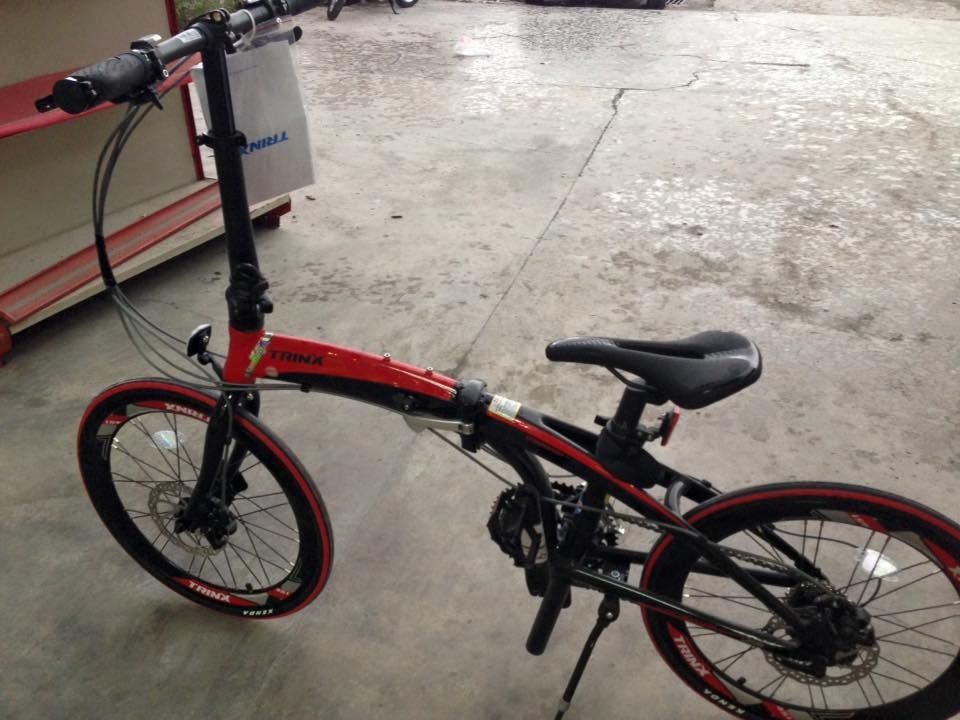
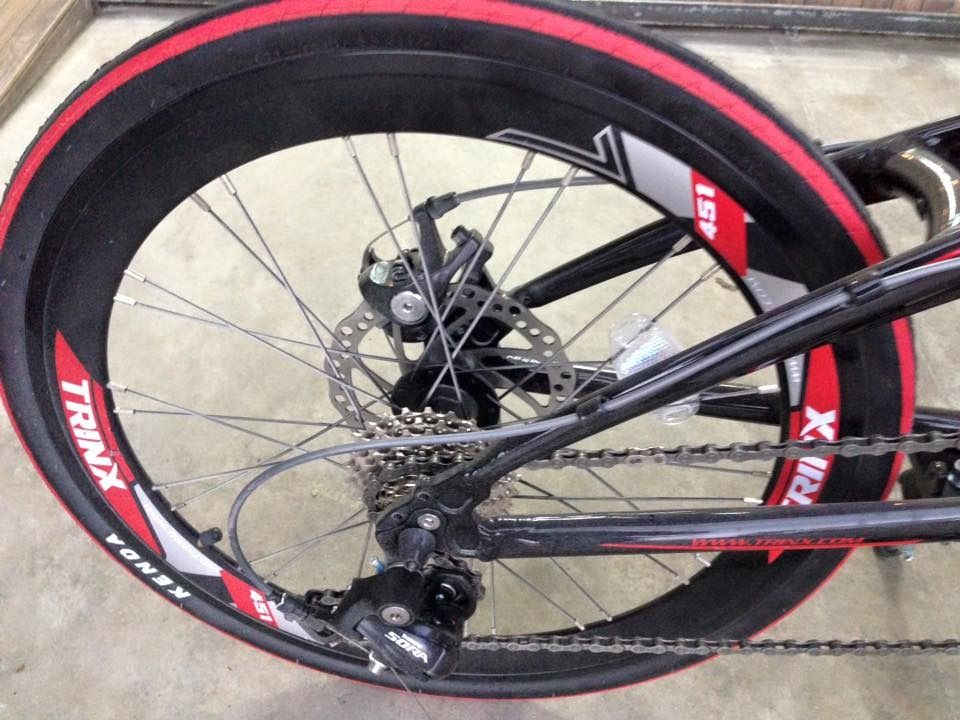
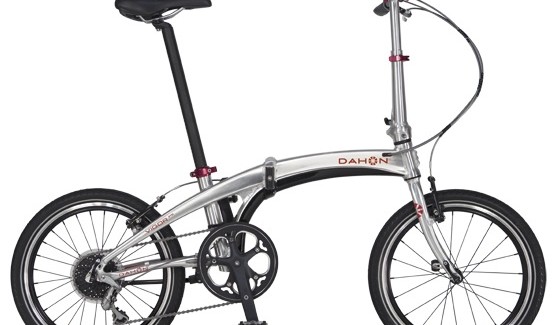
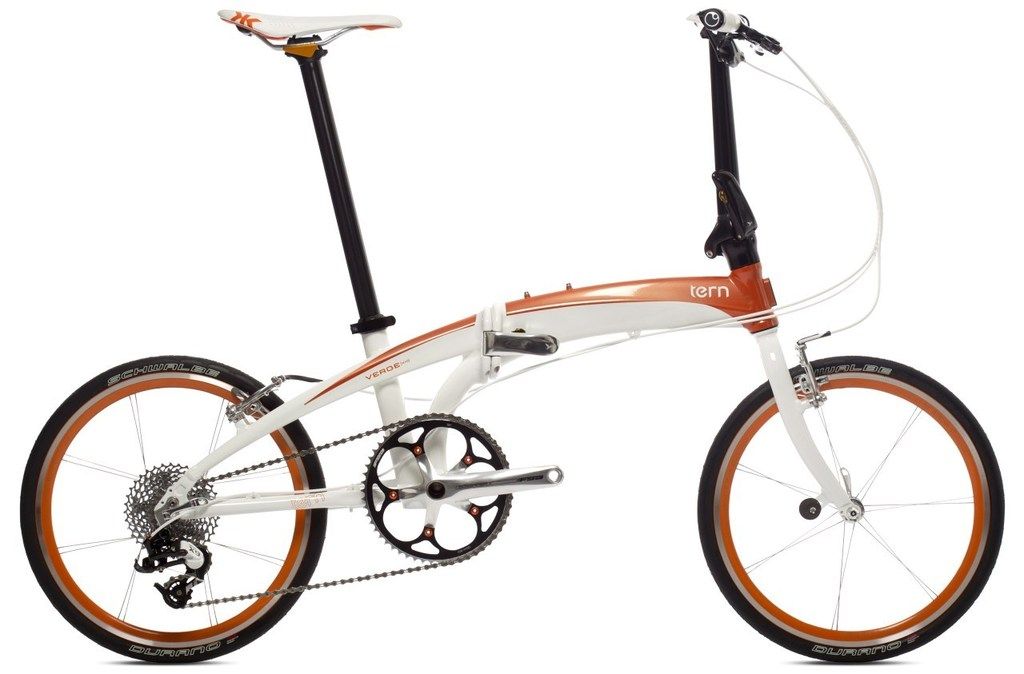
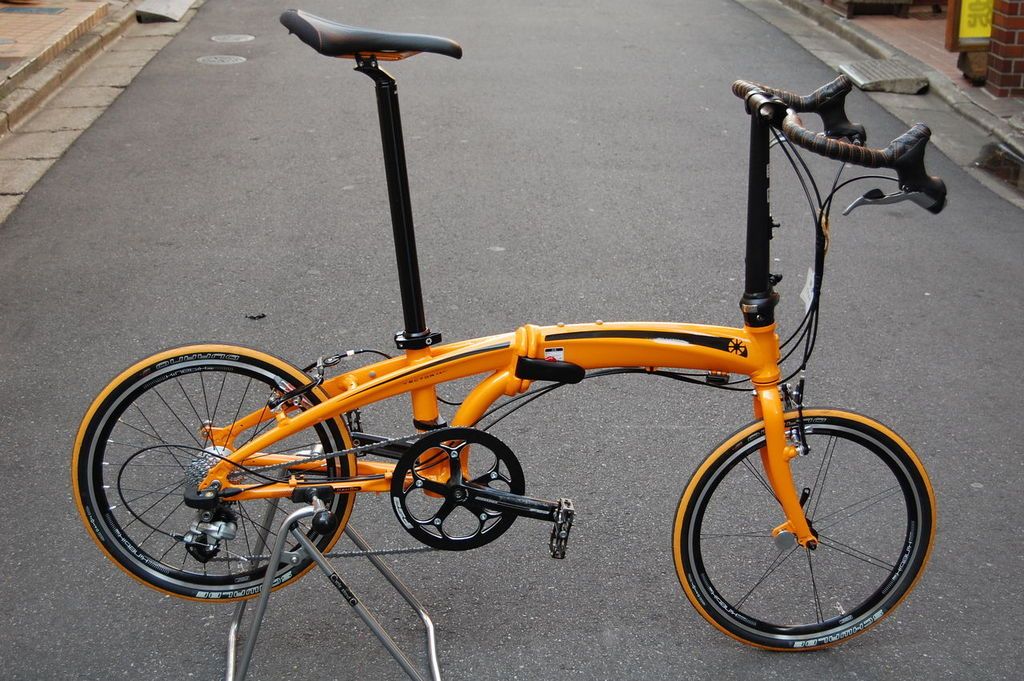
Quote A fraction of the price for a same spec-ed foldie. Light too and high profile wheelset with slick tires. Shimano Sora drivetrain. Only thing to mod, maybe is changing the 42T smaller chainring to 39T for more varied gear ratios.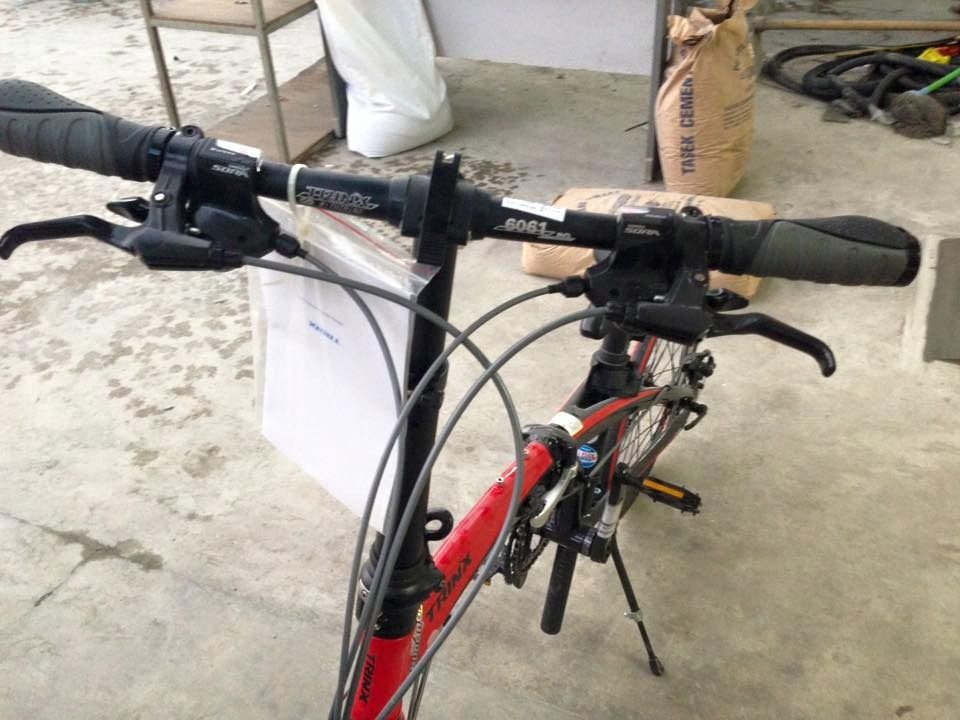
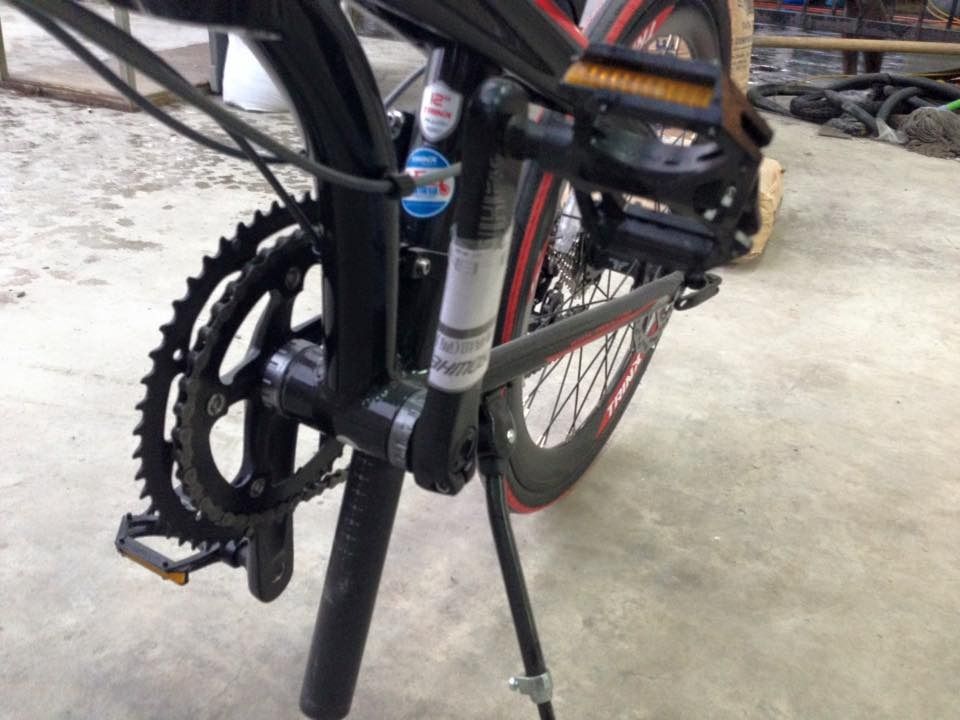
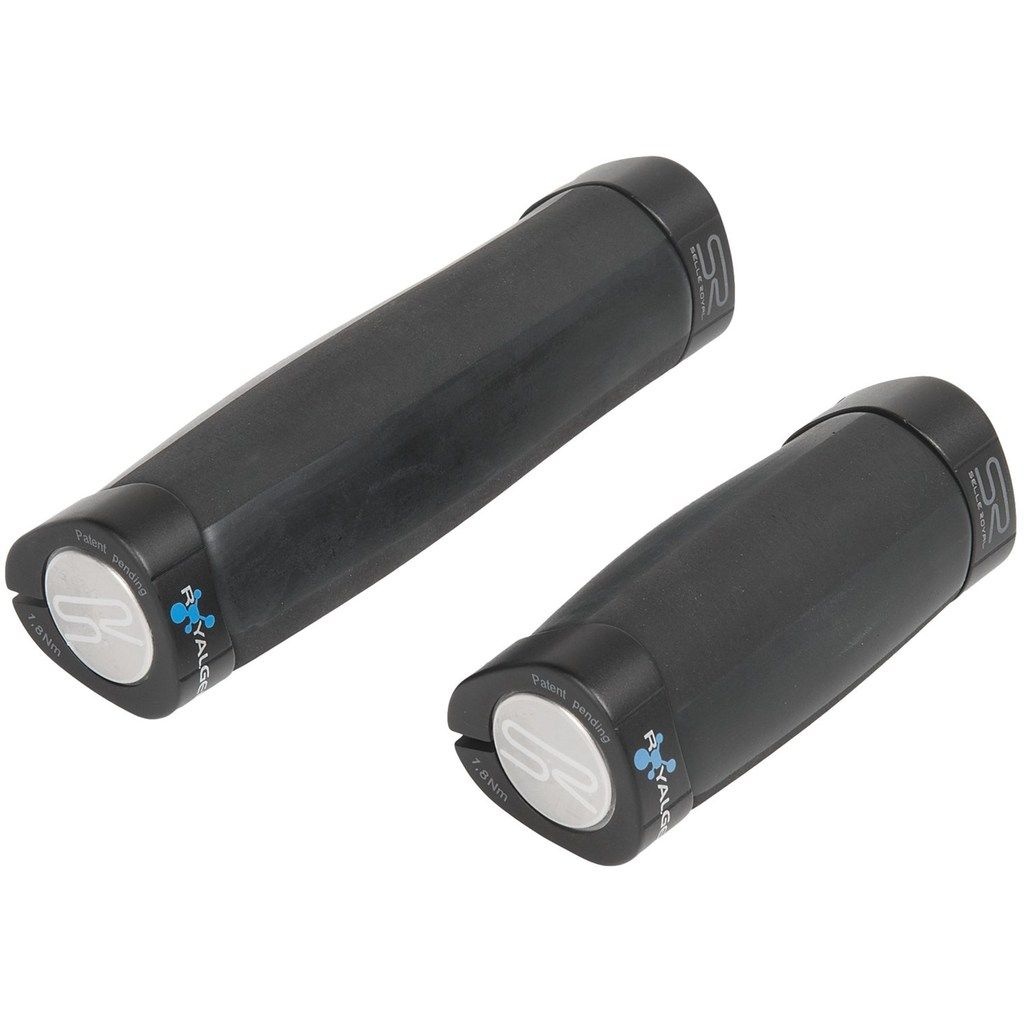

 if you want to catch up with roadies, don't ride with them if they won't wait for you. As simple as that. Let their ego fly with them like a kite. Many buy foldies because of pricing and portability. There was once a rider that. He started off with a foldie but he was not fit to catch, so he bought a road bike to join folding bikes ride. That is to give him advantage. Then he started turning back to sweep ala 'leader' kinda thingee. So, next ride, I purposely went to roads which are off roadish, you know gravel , a little mud . He had to carry the bike a few times. He should join a roadie group but I don't think he can catch up with them.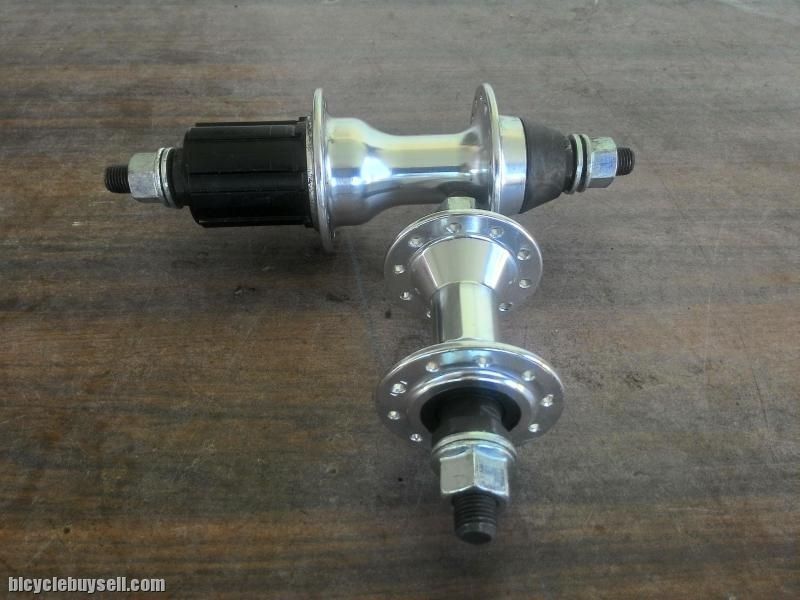
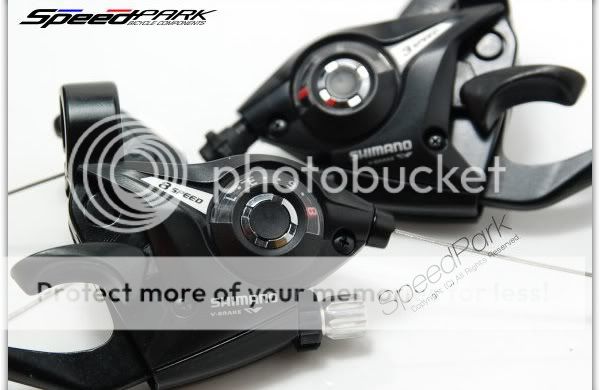
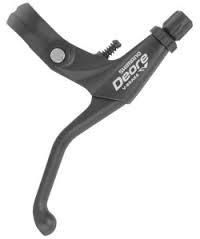
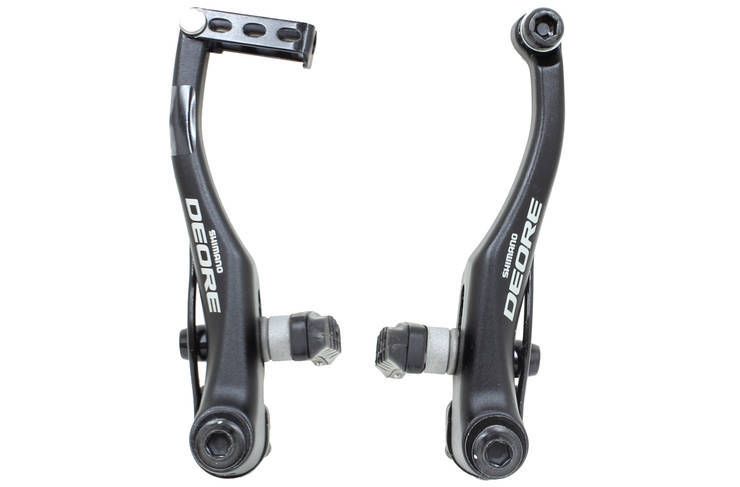
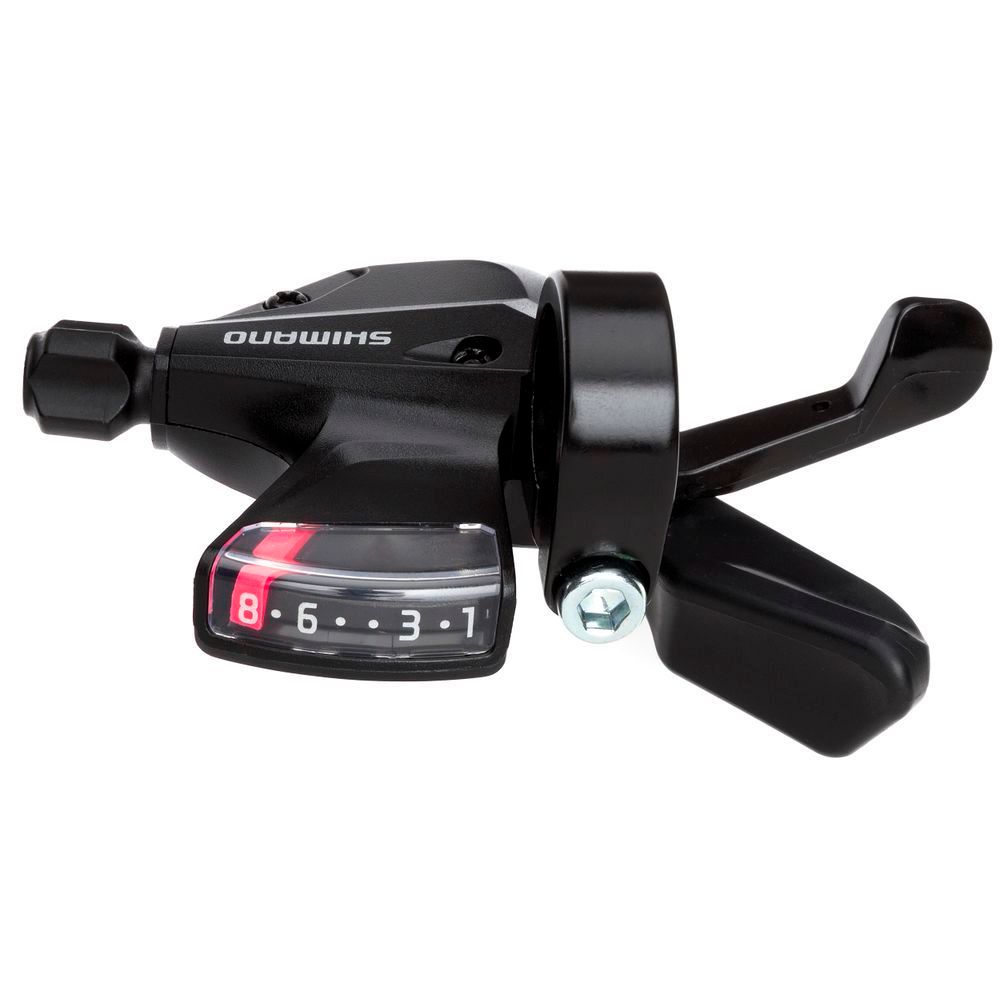
 if he compares to the price at RM1100.
  And it is constructed with high quality Reynolds chromoly steel. Also modded to 451 wheelset.
  Just informing guys/gals in here of the bargain.

 0.1749sec
 1.10
1.10
 7 queries
 GZIP Disabled