

 Aug 20 2014, 07:38 AM


QUOTE(Dan_NopeNope @ Aug 20 2014, 07:06 AM)
I stay in a Semi-D,my management doesn't allow grills for windows and doors. So any ideas?

Formally write to the management and ask, "If there is any break in and its found that it was preventable by installing grill, is the management taking full responsibility for the lost ? Please reply in writing as it will be used in the future if such incident arises."
Make sure those @$$ reply you and raise it up during the next JMB meeting as a note in the minutes. ask the same question and get an answer.
if they have no better method, ask that this rule to be remove as its not helping the security situation.
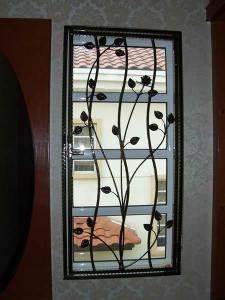
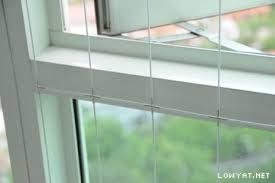
BTW, install grill on the INSIDE ! rule only say cannot change the front ... not the internal. they are not gonna stop you from putting curtain right ?
 Quote
Quote don't blindly go against rule. Rule are meant to be CHANGE not broken !



 0.0153sec
 0.61
0.61
 7 queries
 GZIP Disabled