


 Feb 15 2011, 09:02 PM, updated 15y ago


Some knowledge to share on Astigmatism:
Eye astigmatism is a common vision deficiency that is rarely a major concern for the eye patient. Many children, adolescents and adults have this eye condition that can be treated by an optometrist.
Description
Astigmatism refers to curvature of the cornea, which is the front surface of the eye. This part of the eye is naturally curved to aid the eye in focusing on near and distant objects. When the curve of the cornea is irregularly shaped, the result can be out-of-focus vision.
Occurrence
Astigmatism is often congenial; however, this problem with the cornea may develop after an injury to the eye. When astigmatism is present, it causes visual images to focus at two places in the back of the eye instead of the normal one place. This results in blurry vision and eye strain.
Lenticular Astigmatism
A second type of astigmatism, called lenticular astigmatism, can occur in the lens of the eye. In this condition, the shape of the lens varies, resulting in blurry vision. The most common cause of lenticular astigmatism is diabetes, so treatment of the diabetes often is effective in dealing with this kind of astigmatism.
What Causes Astigmatism?
Astigmatism is a condition of the eye that results when the cornea is an odd shape. The cornea should be spherical, but in people who have astigmatism, it is closer to football-shaped. Curvature of the lens portion of the eye also causes astigmatism. Either way, the result is blurry vision when trying to see into the distance, because the light does not focus properly on the retina. Astigmatism usually occurs with either near-sightedness or far-sightedness of the eyes, but it is possible for astigmatism to exist as the only eye condition.
Risk Factors
Many people have a mild astigmatism, since the cornea is rarely completely spherical. Any elongation at all is the definition of astigmatism. Unless it affects vision or causes headaches, it is not necessary to do anything about it. Most people who have more severe forms of astigmatism were born with it. Children may not realize they have blurred vision, unless it is severe, until they go to school and take their first eye test. It is possible to develop astigmatism after an accident involving the eye or after a surgery on the eye. If one notices blurring of vision occurring when attempting to focus on the distance, one may have astigmatism. A simple eye test can determine if this is astigmatism or another ailment of the eye.
Regular and Irregular Astigmatism
Regular astigmatism occurs when the principle meridians in the eye are at right angles to each other. The cornea sends light to the retina from both meridians, instead of from a single source as it does in a normal eye. The result is that the retina does not get one clear picture and the picture looks blurred and out of focus. Irregular astigmatism occurs when the principle meridians in the eye are at any other angles besides right angles. Generally, this condition requires stronger treatment and standard lenses may not fix the condition.
Symptoms of Astigmatism
Vision Problems
Astigmatism changes the way that light is refracted into the eye. This can result in blurred vision at any distance. Objects may seem out of focus or distorted, making it difficult to read or work on the computer. Road signs may be difficult to read from a distance. If you notice any of these symptoms, contact your eye doctor.
Eye Symptoms
In an attempt to compensate for blurred vision, many individuals suffering from an astigmatism may find themselves squinting, especially when reading, using the computer or driving. Prolonged squinting can result in eye strain or irritation, causing eyes to feel overly tired, dry or itchy. Taking frequent breaks from activities that cause eye strain will give your eyes a chance to rest.
Headaches and Tiredness
Blurred vision and the subsequent squinting and eye rubbing that often follow can result in headaches, especially after long periods of of reading, using the computer or other close work. The eye strain and headaches associated with the condition may also result in tiredness. If you have frequent headaches, see your eye doctor for an eye examination.
Treatments for Astigmatism
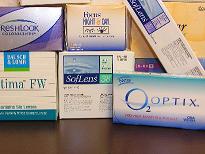
Corrective lenses are the usual way to correct astigmatism. The doctor will provide a prescription to the patient, which includes grinding the lenses in such a way as to correct near-sightedness, far-sightedness and the astigmatism. Another viable option for astigmatism is contact lenses. Yet another option is laser surgery. In this option, the surgeon will reform the cornea to the correct shape using lasers to cut away the extra portion of the cornea. After a successful surgery, the patient should not have to wear corrective lenses.
I just went to an optical shop today and found out that I have Astigmatism. Although it is not high, about 100? it is recommended that I should wear specs to prevent it from worsen. My job involves alot of computer work. Should I wear specs? Should I wear them all the time? Any advice would be appreciated as this is my first spec...
This post has been edited by blue_winter: Feb 18 2011, 09:34 PM
Astigmatism, Share your knowledge about it
 Quote
Quote





 And i hate wearing spectacles...I somehow manage without my specs, coz I'm used to to the vision...Only wear my specs when its really bad
 Spectacles hurts the side bones of my nose and creates this annoying mark on the sides of my nose

 0.0233sec
 0.37
0.37
 5 queries
 GZIP Disabled