QUOTE(nles @ Mar 6 2009, 03:34 AM)
RM320 is quite a good price, where do you got it?
Since we're talking about flash and tripod, might as well ask some sifus here.
Here's some shot I took during last year event, I'm going to shoot similar things soon but with F58 this time.
That time still new, scare pictures came out bad so just shoot without thinking much. One day took around 600 shots from morning 10am to 10pm, battery dry end of the day.
» Click to show Spoiler - click again to hide... «
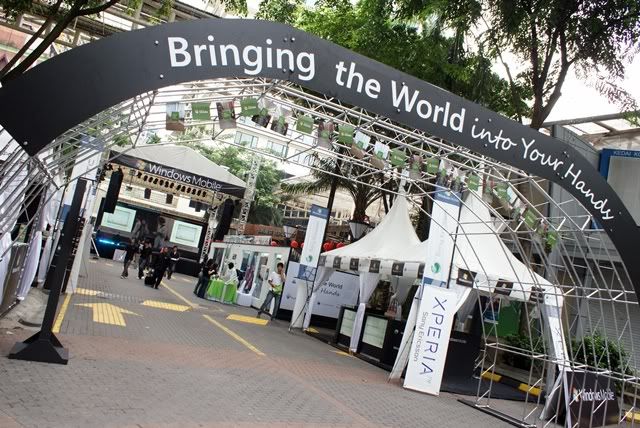
The Venue, Lowyat Plaza.
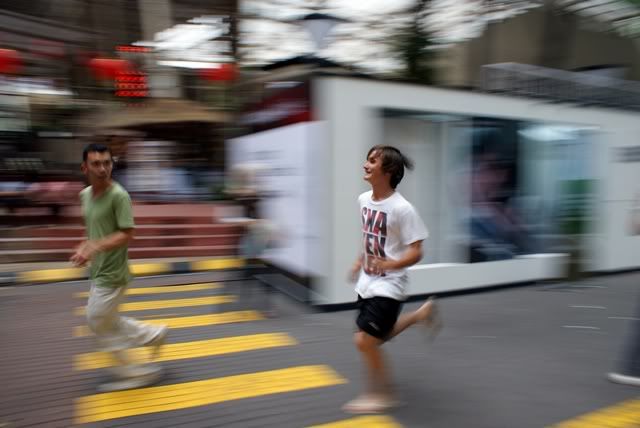
1st try panning on people. Just for the fun, hard to master this skill.
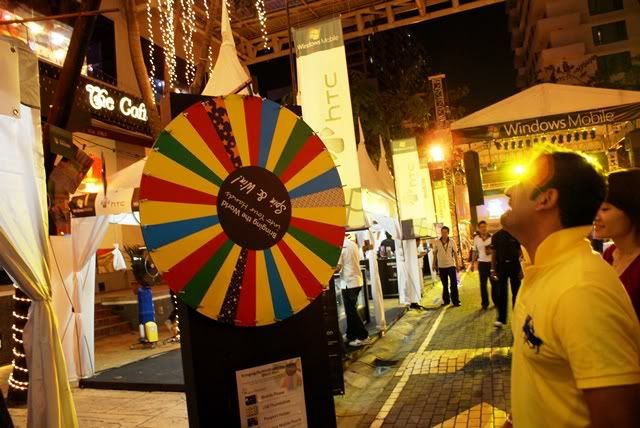
The venue during night
Stage
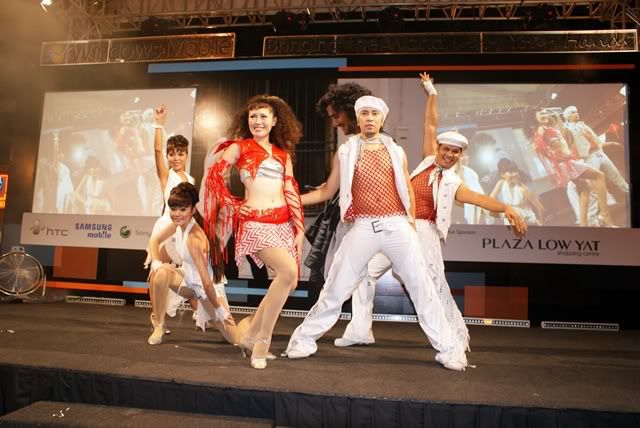
Now the here comes the question,
1. Do we use direct flash or bounce it?
2. If bounce, use build in bounce card, light sphere or demb diffusers?
3. Any guide on white balance? Quite tricky especially near to stage, the stage light kept changing.
Still learning a lot of stuffs, read a lot but can't remember all. Really need to shoot more so can imprint all the stuff I read in my mind.
1. If there is nothing to bounce then of course you will need use direct already. But if can priority is bounce cause the flash light wont be so harsh
2. These bounce or DIY is up to you. I got use demb diffusers and bounce card. both are good got pro and cons and different coverage.
3. Page 1 on got white balance guide bit . for stage you can try to adjust to closest but you won't get the total correct value. Instead of correcting it...why not use the stage light as ambient to make mood on you picture.
Here are some stage picture.
http://www.alphanatics.com/viewtopic.php?f=29&t=4317From Page 1 :
2500K - very strong orange tungsten light
2800K - strong orange tungsten light
3200K - yellowish tungsten light
4500K M6 - flourescent light (most flourescent tubes are green even though our eyes don't see it)
5500K - flash
6500K - daylight (or daylight-balanced flourescent light)
9900K - strong blue stage lighting or evening light
Xenon lighting is rare but that should be between 7000-9000K.
Whenever you enter a new situation that has different WB, just set your Kelvin WB again and test with one shot. You should be able to do this with practice.
With the Sony A300 and A350, you can use Live View and see the effect of changing Kelvin WB... live!
M = Magenta
G = Green
2500K = Blue
9900K = Amber
Take a picture. Supposing the picture is very Green, you need to add the opposite which is Magenta. If the picture is too Blue you need to go closer to Amber. So if the picture is very blue-green-ish, you will need to go closer to 9900K M9.
To prevent the built-in flash from appearing in pictures when in wireless flash mode, you can use any of these methods, or a combination of them:
- use a darker aperture (e.g. F11)
- use a lower ISO (e.g. ISO100)
- use a shutter speed faster than your flash sync speed so that High Speed Sync is activated (e.g. 1/320th of a second)
- use a piece of exposed, developed negative film in front of your pop-up flash
This post has been edited by Ahmike: Mar 6 2009, 03:51 AM 

 Mar 5 2009, 11:10 PM


 Quote
Quote





 ..
..


 0.0311sec
 0.83
0.83
 6 queries
 GZIP Disabled